Most crews still juggle forklifts, loaders, and cranes on the same site. Time gets wasted.Each machine swap and waiting period adds hours of delay every day.One telehandler with the right attachments and planning delivers measurabletelehandler productivitygains that keep your project moving.
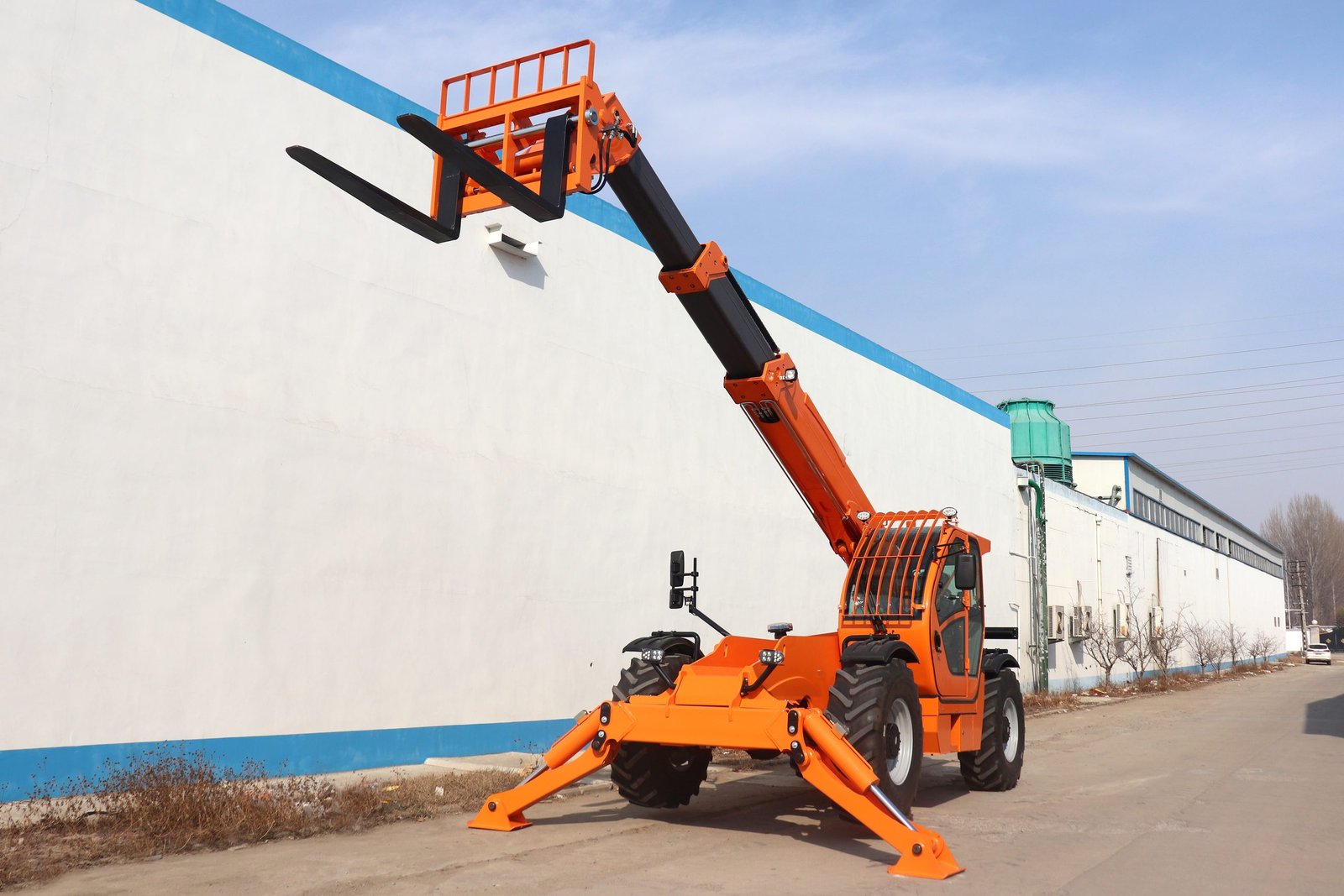
Telehandler productivity means moving more material in less time with fewer machines. A modern telehandler combines the functions of a forklift, loader, and small crane through quick-attachment swaps. To maximize productivity, match machine size to your actual loads and heights using the load chart. Add three to five core attachments like forks, buckets, and lifting jibs. Perform a five-minute daily inspection to prevent breakdowns. Use telematics data to track idle time and utilization. When operators are comfortable and machines are sized correctly, telehandler productivity increases by 10-25% on most jobsites.
Let me show you how to get these gains on your site with real examples from the field.
1. How One Machine Changes Workflow
I saw a clear example of this in Brazil. A crew there would unload pallets on the ground first. Then they would wait for the crane to come and lift each pallet up to the floor. That took hours every day.
When they switched to a modern telehandler, all those extra steps went away. The machine took material straight from the truck to where it was needed. No waiting. No double handling.
This is what telehandler productivity looks like in real life.
| Before Telehandler | After Telehandler |
|---|---|
| Unload at ground level | Pick from truck directly |
| Wait for crane to arrive | Move material in one continuous step |
| Two machines, two operators | One machine, one operator |
| Material sits in a pile first | Material goes straight to work |
| Many hours lost each day | Hours saved each shift |
I remember a contractor in Dubai who told me about his numbers. He used to move 80 pallets in nearly ten hours. After switching to telehandlers, the same job took about five hours. That is a real five-hour gain every shift.Telehandler productivitygave him back half a day of work, every single day.
Let me give you a specific example from that site. The contractor was building a mid-rise residential block. Each floor needed 40 pallets of blocks. Before telehandlers, his crew would unload trucks at the gate, move pallets to a staging area with a forklift, then wait for the crane to swing over. The crane was often busy with other trades. Sometimes they waited two hours just for the crane to become free.
With a telehandler, the driver pulled up next to the delivery truck. He picked a pallet straight off the bed. He drove to the building and extended the boom to the third floor. The whole cycle took six minutes instead of twenty. That is telehandler productivity I can measure with a stopwatch.
| Workflow Step | Old Way (Minutes) | With Telehandler (Minutes) |
|---|---|---|
| Unload truck to ground | 5 | 0 (pick from truck) |
| Move to staging area | 3 | 0 |
| Wait for crane | 10-120 | 0 |
| Lift to floor | 2 | 6 |
| Total per pallet | 20-130 | 6 |
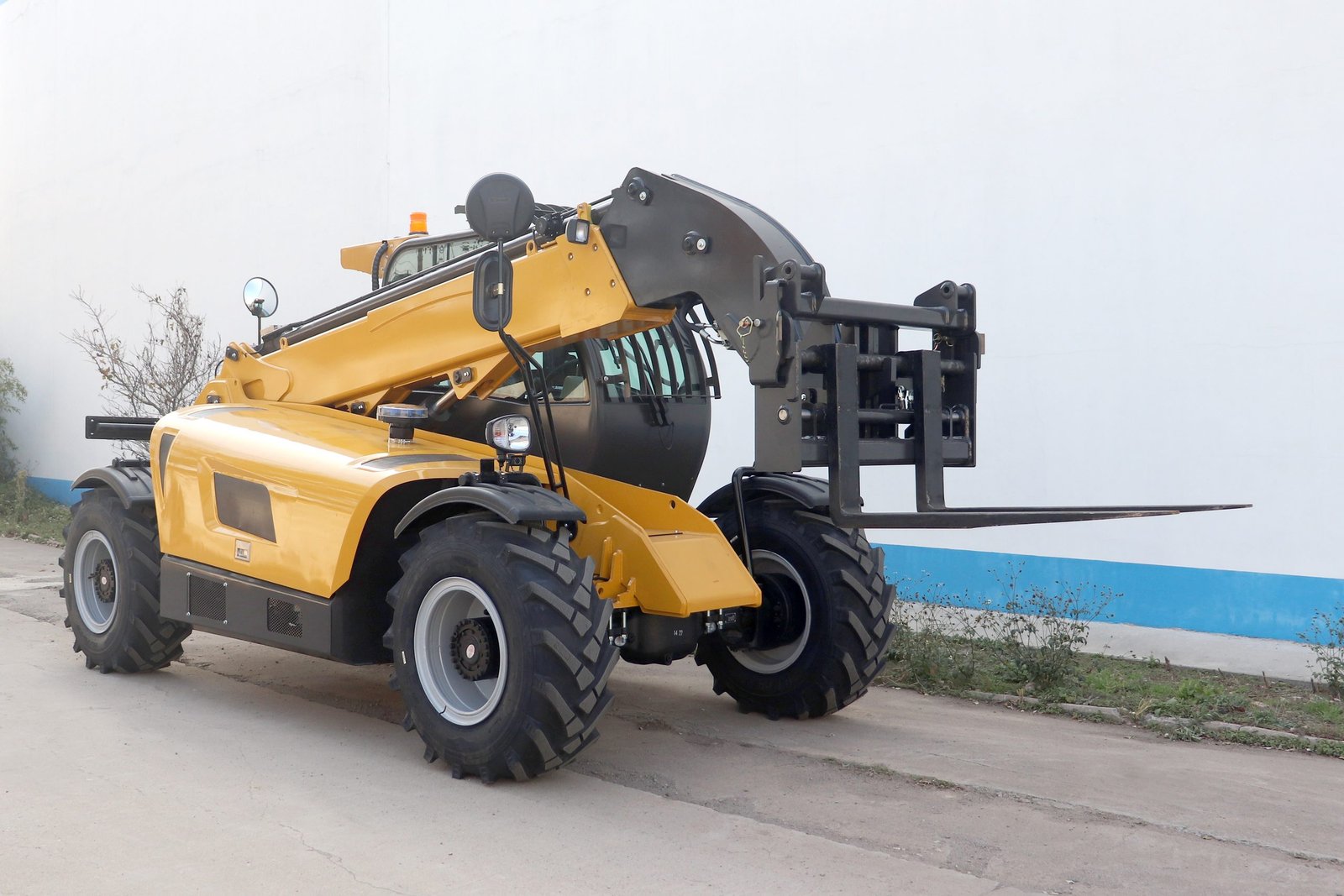
2. The Power of Attachments
Here is something I learned from watching smart crews. They do not just use their telehandler for pallets. They use attachments to keep the machine busy all day long.
I saw this in Kazakhstan. A client ran one 4-ton, 17-meter machine for many tasks. He moved masonry blocks in the morning. He lifted roof materials after lunch. He even used it for site cleanup before going home. He just swapped attachments in a few minutes.
His machine stayed in use for nearly 80% of the project. On sites where crews only use forks, that number is often 50-60%. That difference istelehandler productivity.
Let me tell you about a specific day I watched on that Kazakhstan site. The morning started with a delivery of concrete blocks. The operator used pallet forks to put them on the second floor. By 10 am, that job was done. He drove to the machine parking area, pulled two pins, and swapped the forks for a bucket. For the next two hours, he moved gravel for the ground floor slab.
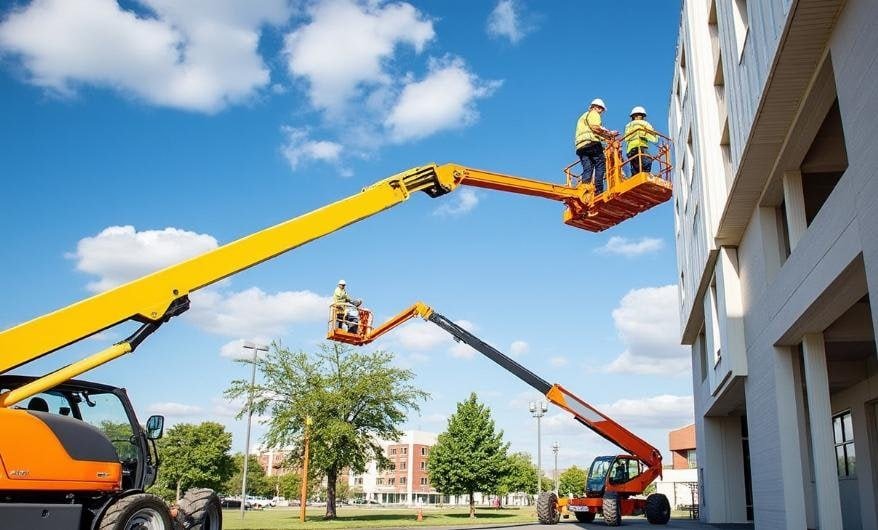
After lunch, the steel beams arrived. He swapped the bucket for a lifting jib with a hook. He placed each beam directly onto the third-floor columns. At 3 pm, he put on a man basket and lifted two workers to install flashing on the facade. At the end of the day, he put the bucket back on and swept the site roads.
One machine. One operator. Six different jobs. That istelehandler productivity.
| مرفق | What It Does | When I See It Used | Time to Swap |
|---|---|---|---|
| Pallet forks | Moves blocks, bags, timber | Every day, for most deliveries | 2 minutes |
| General-purpose bucket | Moves sand, gravel, debris | After concrete pours, site cleanup | 3 minutes |
| Lifting jib with hook | Handles beams, rebar bundles | Steel erection, odd-shaped loads | 4 minutes |
| Man basket | Lifts workers safely | Facade work, MEP installs | 5 minutes |
| Side shift carriage | Slides pallets sideways | Tight city sites, loading trucks | Already on forks |
| Truss boom | Lifts long materials | Roofing, pipe runs | 5 minutes |
I always tell people the same thing. Pick three to five attachments for your main jobs. Stage them near where you work. And make sure your team knows how to switch them fast. I have seen crews take thirty minutes to swap an attachment because they left the tools in the truck. Keep a pin bar and a hammer in the cab. Practice the swap on a slow day. When a delivery truck shows up, you should be ready in under five minutes.
That is how you get telehandler productivity out of one machine all project long.
3. Getting the Size Right
I see one mistake more than any other. Crews pick a telehandler based on the biggest number in the brochure. Then they find out it cannot lift their load at the height they need.
In Dubai, I worked with a team who had a 2.5-ton, 10-meter machine. Their brick pallets weighed 1.6 tons. That sounds fine. But when they needed to put those bricks on the third floor, over 11 meters out, the machine could only lift 800 kg safely. Every pallet took two trips.
That mistake cost them two full working days in one month. Theirtelehandler productivitywas cut in half.
I sat down with their site manager and looked at the load chart together. I showed him the numbers. At 11 meters of reach with a 10-meter boom, the safe working load was not 2.5 tons. It was 0.8 tons. He had never looked at that part of the chart before. He only looked at the big number on the front of the brochure.
| Lift Condition | Rated Capacity (Brochure) | Actual Safe Load (Load Chart) |
|---|---|---|
| At ground level, boom retracted | 2.5 طن | 2.5 طن |
| At 8 meters height, 5 meters reach | Not listed | 1.8 tons |
| At 11 meters height, 7 meters reach | Not listed | 1.2 tons |
| At third floor, full reach | Not listed | 0.8 tons |
I also saw the other side of this in Brazil. A client bought an 18-meter, 4-ton machine for a job that rarely needed more than 2 tons. He paid more for the machine and more for fuel. He got no extra productivity.
I told him later a compact 3-ton, 13-meter unit would have done 90% of his lifts. And it would have moved better between the scaffold and the trucks. His big machine was too long to turn in the narrow site entrance. He had to reverse in and out three times a day. That cost him thirty minutes every morning and every afternoon.
| Wrong Way | Right Way |
|---|---|
| Look at max lift capacity first | Look at the load chart first |
| Guess if it will work at height | Map your real loads, heights, and reach |
| Buy the biggest one you can afford | Pick the one that covers 90% of your tasks |
| Ignore site access and turning | Measure gate widths and turning space |
Telehandler productivity is not about size. It is about fit.
Here is how I tell people to choose. Make a list of your heaviest loads. Make a list of your highest placement points. Make a list of your farthest reaches. Take those numbers to the load chart. Find the machine that can do all of them with a 20-25% safety margin. Then check if that machine fits through your site gates and turns in your loading areas. If it does, you have the right machine.
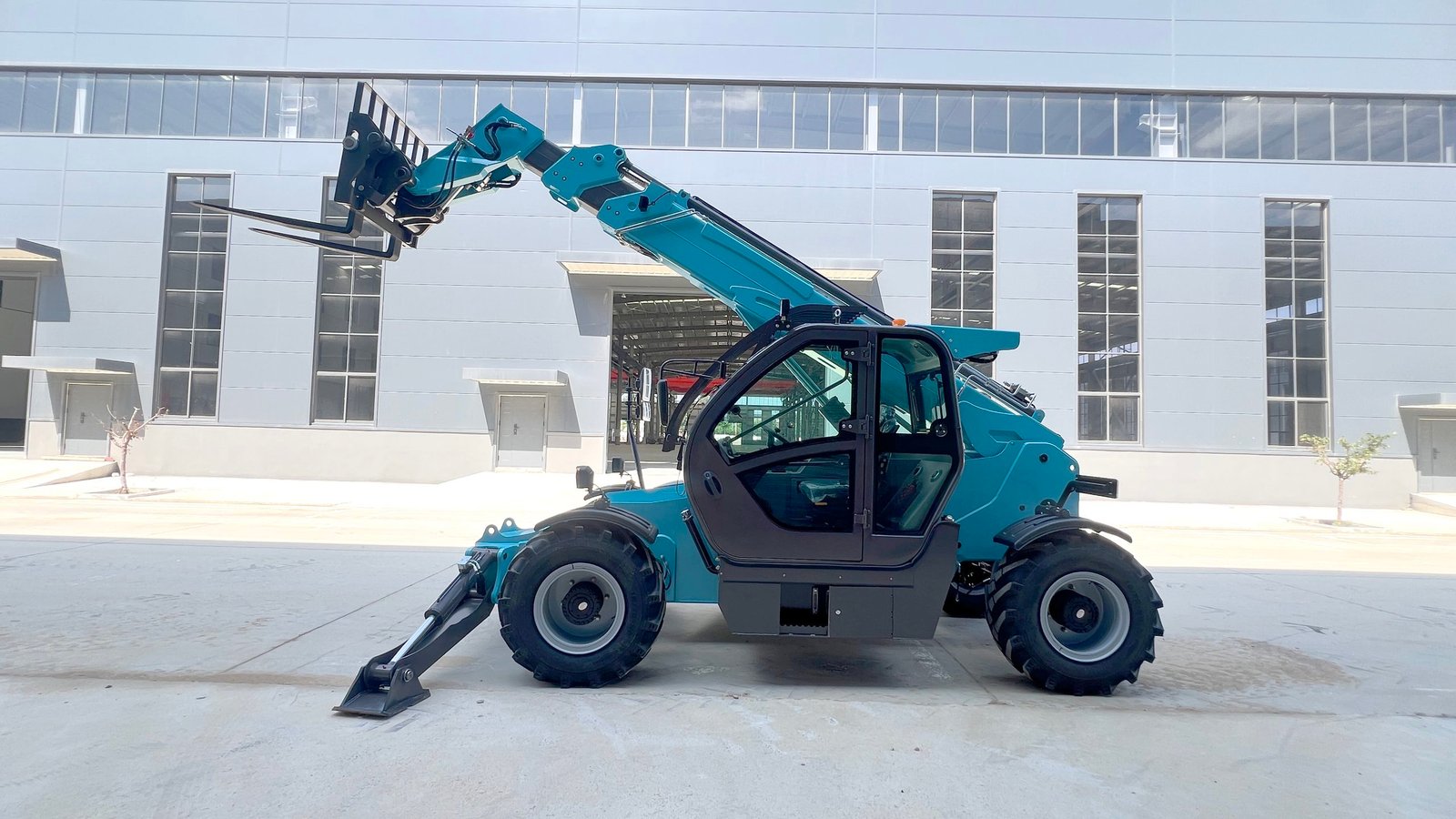
4. Safety Systems Keep You Working
Some operators think safety systems slow them down. I have found the opposite to be true. These systems keep the machine working.
I worked with a fleet in Dubai that upgraded to machines with full sensor packages. Load indicators. Stability management. Automatic boom limiters. Their breakdowns went down by a lot. One client told me his downtime per machine dropped by almost a week per year.
He said operators could not override the warnings anymore. So the machines stopped getting damaged. That meant crews kept moving instead of waiting for repairs. That istelehandler productivitythat comes from good design.
I remember one specific incident from that fleet. An operator was lifting a pallet of blocks to the fourth floor. He was at full boom extension. A worker on the ground signaled him to reach out a bit further to clear a column. The operator started to move the boom out. The load moment indicator started beeping. He kept moving. The system cut the hydraulics automatically. The machine would not let him go any further.
He was frustrated at first. He thought the system was stopping him from doing his job. But later that day, he looked at the load chart. He realized if he had gone another meter, the machine would have tipped. That one beep saved him from a rollover.
| ميزة السلامة | What It Prevents | How It Helps Productivity |
|---|---|---|
| Load sensors | Overloading the machine | Stops damage to boom and chassis |
| Load moment indicator | Operating outside safe limits | Shows operator exactly how much room he has |
| Stability management | Tip-overs | Keeps the machine working safely |
| Boom limiters | Hitting walls or columns | Avoids costly collisions |
| Real-time load chart display | Guessing if a lift is safe | Lets operator work faster with confidence |
| Operator presence system | Moving without operator in seat | Prevents runaway machines |
I saw this in Kazakhstan too. A 4-ton unit stopped itself automatically when a load got close to the tipping limit at full outreach. That single stop prevented an accident. It also saved a week of lost site time.
The operator told me later he did not realize how close he was to the limit. The ground was softer than he thought. The machine felt stable to him. But the sensors knew better. Telehandler productivity means avoiding those big losses.
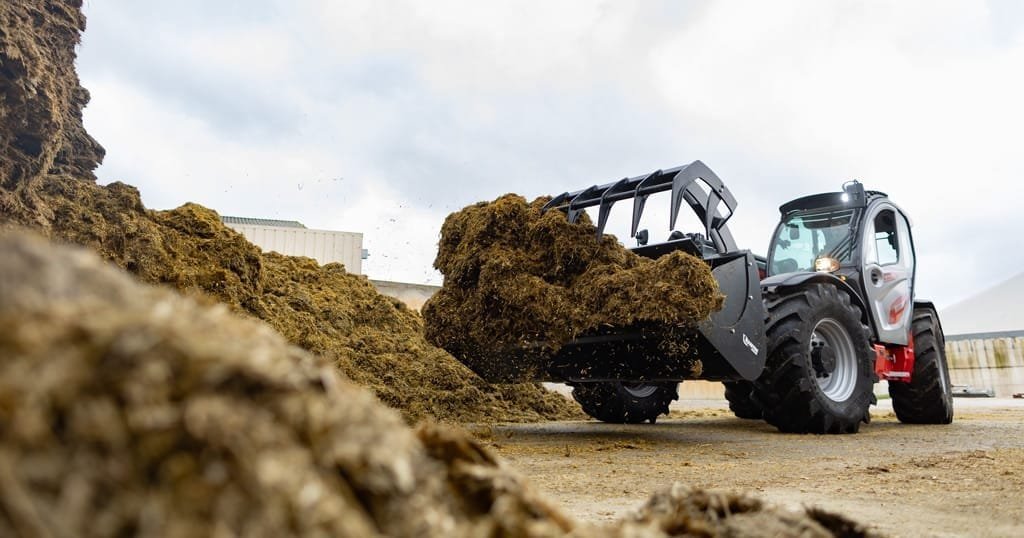
5. Making the Operator Comfortable
I have learned that a comfortable operator is a fast operator. This sounds simple. But I see it ignored too often.
Last month, a contractor in Kazakhstan called me after he got a new 4-ton machine. It had a fully adjustable cab and camera-assisted visibility. His operators handled almost 25% more pallet movements per day. They made fewer mistakes too.
He told me his old machine had narrow windows. Drivers had to lean and pause, especially near concrete columns. Those few seconds added up. With better visibility, every move felt natural.
I spent a morning with one of his operators. His name was Sergei. He had been running telehandlers for twelve years. He showed me the difference. On the old machine, he had to crane his neck to see the load when he was above the second floor. He had to guess where the pallet was relative to the wall. Sometimes he set it down two feet off the mark. Then he had to shift it with the forks, which took more time.
On the new machine, he had a camera on the boom head. He could see exactly where the pallet was going. He set it down within inches of where it needed to be. No guessing. No repositioning.
| Ergonomic Feature | What It Does for the Operator | What It Does for Productivity |
|---|---|---|
| Multi-position seat with suspension | Reduces back and leg fatigue | Operator stays alert all 12-hour shift |
| Joystick controls with proportional speed | Less wrist strain, smoother movements | Faster cycles, more precise placement |
| Large glass panels all around | Better sightlines to sides and rear | Less creeping and second-guessing |
| Rear-view camera with guide lines | Eliminates blind spots behind machine | No need to stop and look back |
| Boom-tip camera | Shows exactly where load is going | No guesswork at height |
| Climate-controlled cab | Keeps operator comfortable in heat or cold | No fatigue from temperature stress |
I had a customer in Brazil who ran long shifts moving formwork panels. His old machines gave his operators stiff wrists and back fatigue by lunch. Mistakes happened late in the day. His new machines had suspended seats and one-handed joysticks. After two weeks, no one wanted to go back.
One operator told me something I have never forgotten. He said, “On the old machine, I was fighting it all day. On this one, I am just thinking about where I want the load to go. The machine does the rest.”
That comfort matters when you ask people to work 12 hours in summer heat.Telehandler productivitycomes from keeping your team able to work at their best.
6. The Five-Minute Check That Matters
I can tell you from experience. Most breakdowns start small. A low tire. A dry wear pad. A small leak.
In Brazil, a fleet manager called me about jerky boom movement. We found dry wear pads and no grease at critical points. He had relied on the machine’s diagnostics to catch problems. But even advanced machines need manual checks.
I now tell everyone the same thing. Five minutes at the start of each shift saves you a week of repair later.
Let me tell you about that Brazil site. The operator had noticed the boom was not moving smoothly for three days. He mentioned it to the foreman. The foreman said they would check it at the monthly service. On the fourth day, the boom stopped moving completely. The wear pads had worn through. The metal boom was rubbing on metal. They needed a new boom section. The machine was down for three weeks. The rental cost kept running. The replacement machine cost extra. The project fell behind schedule.
All because no one spent five minutes to check the wear pads.
| Daily Check | لماذا يهم | What I Have Seen Go Wrong |
|---|---|---|
| Tire pressure and condition | Low tires cut stability, cause heat buildup | Machines tipping on uneven ground, blowouts at speed |
| Boom wear pads and rails | Dry pads cause metal-on-metal wear | Full boom replacement, weeks of downtime |
| Hydraulic oil level and leaks | Low oil means no lift or slow movement | Whole jobsite stopped for one leaking hose |
| Radiator and cooler cleanliness | Dirty core causes overheating | Power loss on hot days, engine damage |
| Safety interlock function | Failed interlocks disable the machine | Machine that won’t start or won’t move |
| Grease points | Lack of grease accelerates wear | Pin and bushing wear, boom binding |
I met a team in Kenya who kept a spare return hose and filter on their service truck. They told me two unplanned stops cost them two full working days. After that, they decided to be ready.
Their system was simple. Every Monday morning, the mechanic went to each machine with a clipboard. He checked tire pressures. He checked hydraulic oil. He looked for leaks. He greased every fitting. He checked the wear pads. He cleaned the radiator with compressed air. The whole thing took thirty minutes per machine. But it saved them from having machines break in the middle of the week.
That kind of thinking protects telehandler productivity. It keeps the machine working when you need it most.
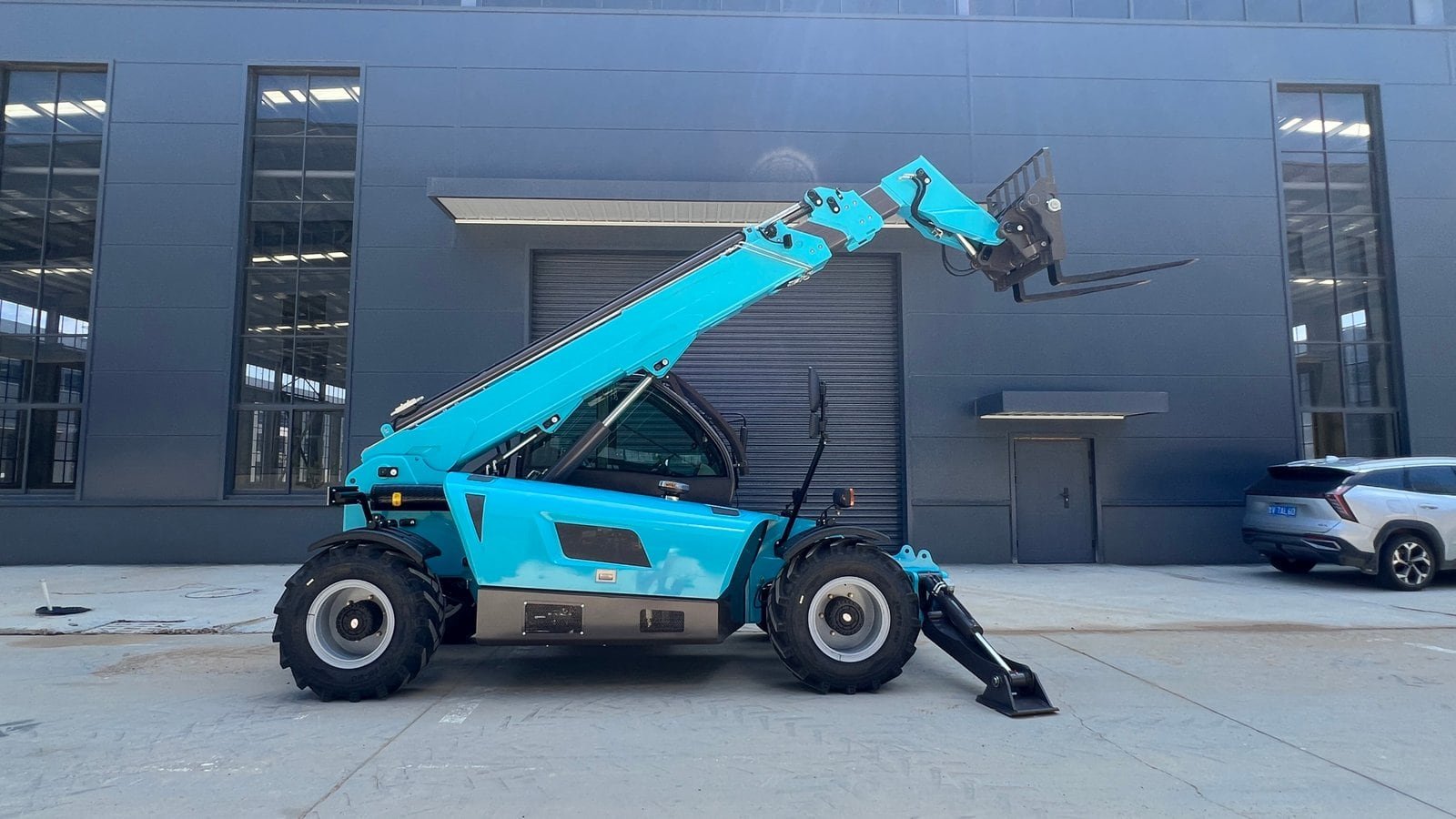
7. Fuel Costs Add Up Fast
I have seen buyers underestimate fuel costs on high-hour sites. In Kenya, a contractor ran three older telehandlers on a busy housing project. His diesel bill stayed high even when work did not change.
He upgraded to new machines with auto-idle and smart power controls. His fuel use per ton moved dropped about 15%. Same operators. Same jobsite. Less fuel.
I sat with him and looked at the numbers. His old machines burned about 9 liters per hour on average. The new ones burned about 7.5 liters per hour. Each machine ran about 2,000 hours per year. That was 3,000 liters saved per machine per year. At local diesel prices, that was over $2,500 per machine per year. For three machines, that was over $7,500 a year in fuel savings alone.
| ميزة | How It Saves Fuel | Real-World Result |
|---|---|---|
| Auto-idle | Lowers engine speed to idle when controls not used for 5-10 seconds | Less fuel burned during waiting time |
| Smart power modes | Matches engine output to hydraulic demand | No wasted power on light loads |
| Load-sensing hydraulics | Pumps only flow when needed | More energy goes to work, not heat |
| Variable-speed fan | Runs only when cooling needed | Less power lost to fan noise |
| Auto shutdown | Turns off engine after 5-30 minutes of idle | Stops unnecessary burning during long waits |
On urban jobs in Brazil, I have seen telehandlers idle for nearly half of each shift. They wait on material. With new machines, that idle time burns much less fuel. One fleet manager told me his fuel expenses dropped at least $240 per unit per month after switching.
I asked him how he tracked it. He said he installed flow meters on the fuel lines. He could see exactly how much fuel each machine used per hour. He could compare machines side by side. When he saw one machine using more than others, he looked for problems. Sometimes it was a dirty air filter. Sometimes it was a driver leaving the machine idling too long. Sometimes it was a hydraulic leak he had not noticed.
That money adds up. And lower fuel use means lower emissions. That matters on city jobs and big contracts.Telehandler productivityis not just about speed. It is about cost per ton moved.
8. Using Data to Make Decisions
I always say you cannot manage what you do not measure. Telematics takes the guesswork out oftelehandler productivity.
In Dubai, I saw a manager spot underutilized machines from his computer. Two units were sitting idle on one site. He moved them to busier sites the same day. That saved two days of downtime and cut rental costs.
I was in his office when he saw the data. He had a dashboard on his screen. It showed all twelve of his telehandlers across five sites. Three of them had less than two hours of use that week. He called the site foreman on each of those sites. One machine was waiting for a part. The other two were just sitting because the work they were bought for was delayed. He moved them to other sites that same afternoon.
| Data Point | What It Tells You | How I Have Seen It Used |
|---|---|---|
| Engine hours | Total runtime, daily usage | Billing, maintenance planning, shift tracking |
| Idle time percentage | How long machine runs without working | Finding ways to reduce waste, operator training needs |
| Utilization rate | Percentage of day machine is working | Moving units to where they are needed |
| Fault codes | Problems before they cause breakdown | Scheduling repairs, not reacting to failures |
| GPS location | Where each machine is right now | Asset tracking, theft prevention |
| Fuel burn rate | Liters per hour, per ton moved | Comparing operators, finding inefficiencies |
In Brazil, a contractor had five telehandlers on three sites. Telematics showed two of them spent over 40% of their time idling. Paper logs had never shown that.
He showed me the report. One machine had 200 engine hours in the last month. But the telematics said only 110 of those hours were with the boom moving. The other 90 hours were idle. The operator was starting the machine at 7 am and letting it run until 5 pm, even when he was not using it. That was wasted fuel. It was also extra wear on the engine.
He moved one idle unit to a steel erection project. He scheduled maintenance on another based on a fault code. Productivity jumped. Unscheduled stops dropped.
I suggest setting simple targets. Utilization above 70%. Idle time under 25%. Check weekly, not monthly. That keepstelehandler productivityhigh.
9. The Value of One Standard Machine
I have seen what happens when a site runs three different telehandler models. Each has its own controls. Its own attachment system. Its own parts.
In Brazil, a contractor had that situation. Operator training took nearly a week. Swapping attachments meant dragging out three sets of forks and buckets. They even damaged hoses by connecting them wrong.
I was on that site when it happened. A new operator jumped into a machine he had never run before. He needed to put on a bucket. The machine had a different quick coupler than the one he trained on. He connected the hydraulic lines wrong. When he activated the bucket, the pressure went to the wrong side of the circuit. The hose burst. Oil sprayed everywhere. The machine was down for two days while they waited for a new hose.
| With Mixed Fleet | With Standardized Fleet |
|---|---|
| Different controls for each machine | Same controls on every machine |
| Operators need training on each model | One training covers all machines |
| Three sets of attachments | One set of attachments fits all |
| Parts for multiple models | One set of spare parts in inventory |
| Mechanics need skills for all models | Mechanics know one machine perfectly |
| Attachments often not interchangeable | Any attachment works on any machine |
I watched crews in Kenya cut their training time by half just by switching to identical machines. Attachments swapped in minutes. Maintenance got easier with one set of spare parts.
Theirtelehandler productivitywent up because any operator could jump in any machine and work. No hesitation. No mistakes.
I always tell people the same thing. Pick one core model for your fleet. Train everyone on that model. Stock parts for that model. When you need a new machine, buy the same model again. Your productivity will show the difference.
10. Buy or Rent? A Simple Rule
I get asked this question a lot. Should I buy or rent?
My answer depends on one thing. Your hours per year.
In the UAE, I worked with a concrete contractor running two shifts. He put over 1,000 hours a year on his machines. For him, buying new made sense. He got modern safety systems and reliable performance. And he did not worry about rental fleets being booked out in peak season.
I saw him lose three working days one summer when a rental machine was taken for a higher-paying job. That hit histelehandler productivitymore than any savings from renting.
He told me later he would never rely on rentals for core work again. He bought two new machines after that. He said the upfront cost was high, but the peace of mind was worth it.
| الاستخدام | Best Choice | لماذا |
|---|---|---|
| Over 1,000 hours per year | Buy new | Reliability, modern safety, availability |
| 500–1,000 hours per year | Buy used with service records | Lower cost, still reliable if inspected |
| Under 500 hours per year | Rent | No long-term commitment, lower capital |
| Short-term peak demand | Rent | Temporary capacity without ownership cost |
| Testing a new machine type | Rent first | Try before you buy |
I helped a team in Kenya get three years from a used 4-ton, 12-meter machine. They paid half the price of new. But they checked the service logs. They inspected for leaks. They confirmed boom wear was within limits.
I went with them to look at the machine. We pulled the service records from the dealer. The machine had 3,000 hours. It had been serviced on time every time. We checked the wear pads. They had 8mm left out of 12mm. We checked the hydraulic oil. It was clean. We ran the machine and tested all functions. Everything worked.
That machine cost them $45,000 instead of $90,000 new. They ran it for three years and sold it for $25,000. Their cost per year was less than $7,000. That is good value.
Short-term rental works for spikes. In Malaysia, a client rented two extra telehandlers for a six-month facade job. He kept core equipment costs down. He returned them before the rainy season.
My advice is the same every time. Look at total cost per working hour. Not just the upfront price. That keeps your telehandler productivity and your budget on track.
11. What Comes Next in Automation
I am starting to see new automation features on telehandlers. They are not here to replace the operator. They are here to make the operator better.
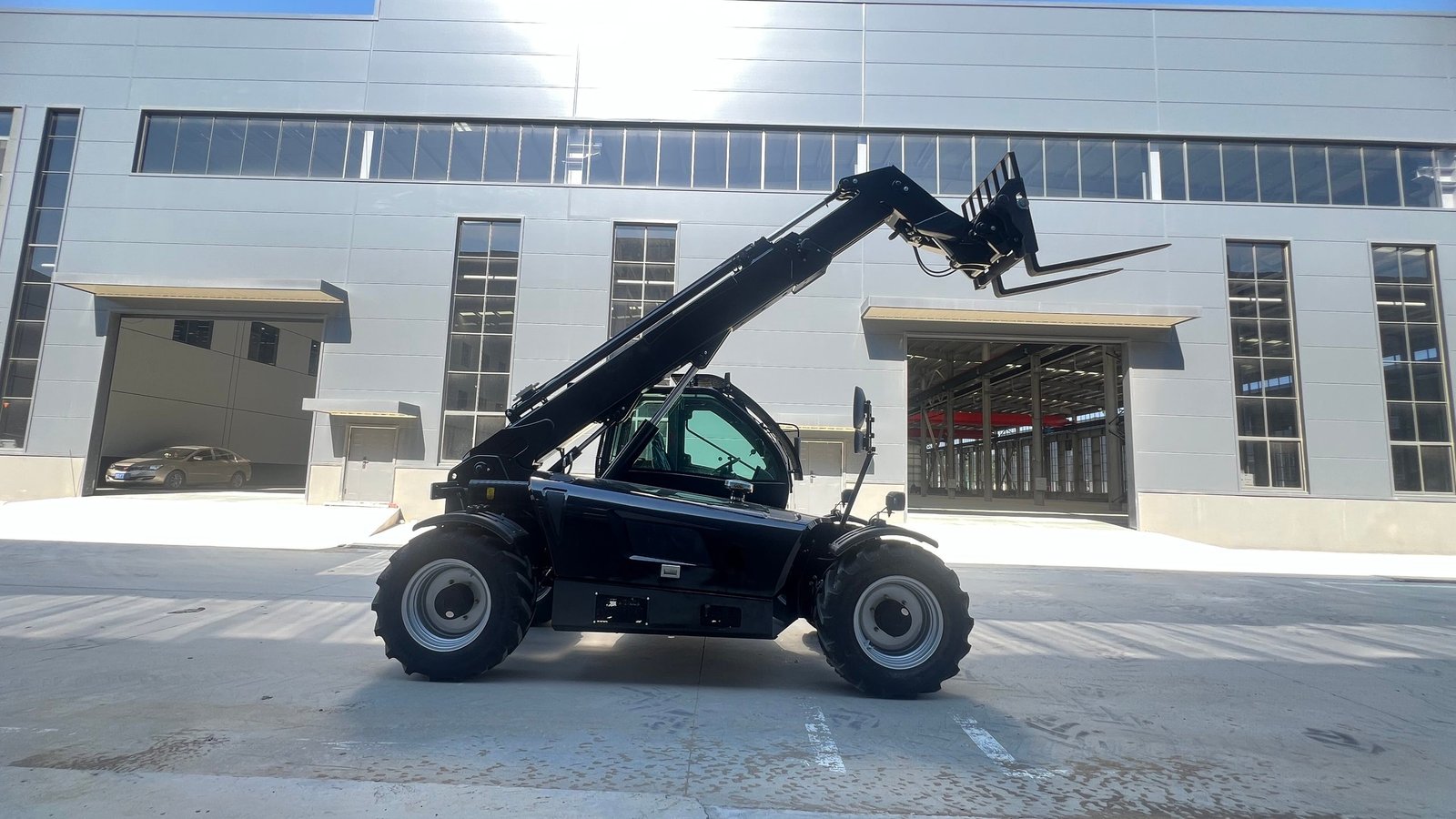
In Brazil, I tested a 4-ton machine with semi-automated boom positioning. The crew set memory points for the floor and the second-story platform. The machine cycled between them on its own.
Each lift was almost 20 seconds faster. The operator could watch site traffic instead of adjusting the boom angle all day.
I timed it myself. On a manual machine, a full cycle from ground to second floor took about 90 seconds. On the automated machine, the same cycle took 72 seconds. That does not sound like much. But when you do that 50 times a day, it adds up to 15 minutes. Over a year, that is 60 hours of extra work from the same machine and operator.
| ميزة | What It Does | Benefit to Productivity |
|---|---|---|
| Semi-automated boom positioning | Repeats set positions with one button | Faster cycles, less operator work |
| Return-to-load memory | One button back to pickup point | No manual repositioning each time |
| Return-to-dig memory | One button back to digging position | Faster loading cycles |
| Obstacle detection sensors | Warns before hitting objects | Fewer collisions, less downtime |
| Collision avoidance | Stops boom before hitting | Prevents damage to machine and structure |
| Predictive maintenance alerts | Warns of parts about to fail | Fix before breakdown, not after |
In Kenya, a contractor used predictive alerts on a 3.5-ton unit. The system spotted a hydraulic pump issue before it failed. That saved at least two days of downtime.
The telematics system sent him an alert. It said hydraulic pump pressure was dropping. The machine still worked fine. But the computer had detected a trend. He called his mechanic. They replaced the pump on a Friday afternoon. If they had waited, it would have failed on Monday morning. That would have meant two days waiting for parts and another day for repair.
I saw obstacle detection on a project in Dubai. A high-reach model with sensors helped prevent hits on steel columns. With booms out 15 meters or more, blind spots can cost money or hurt someone.
The operator told me he did not even see the column. He was watching the load. The sensor beeped. He stopped. He looked up and saw the boom was two inches from the steel. If he had kept moving, he would have bent the boom and damaged the column. That would have been weeks of downtime and thousands in repair costs.
I suggest picking machines with software you can update. And open telematics that work with your system. That way, yourtelehandler productivitygrows as new features come out.
خاتمة
From what I have seen on jobsites around the world, improving telehandler productivity comes down to a few simple choices.
Pick the right size machine using the load chart, not the brochure. Invest in a few key attachments and learn to swap them fast. Spend five minutes each morning on basic checks. Use telematics data to spot idle machines and catch problems early. Standardize your fleet so every machine works the same way.
Do these things, and your telehandler will do more work each day. Your costs will go down. Your downtime will go up. Your projects will stay on track.
That is telehandler productivity. It comes from the choices you make every day.
تابعنا في:يوتيوب.