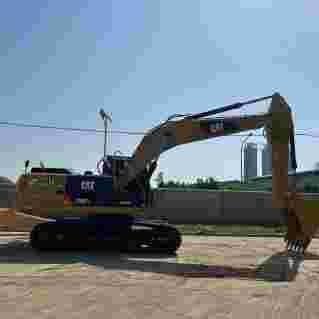
هل من الصعب الحصول على رخصة حفارة؟ وبدونها، قد تواجه عواقب قانونية أو مخاطر تتعلق بالسلامة أو حوادث في موقع العمل. لكن لا تخف! سنقوم بإرشادك حول كيفية الحصول على ترخيص تشغيل الحفار الخاص بك حتى تكون آمنًا وقانونيًا وذكيًا عند تشغيل الحفار.
هل أنت مستعد لمتطلبات ترخيص الحفار ولكنك غير متأكد من عملية الترخيص؟ في هذا الدليل، سنقوم بتحليل رخصة حفارة المتطلبات، من التدريب إلى الشهادة. تعرف على كيفية تلبية المعايير القانونية، وتجنب الأخطاء المكلفة، واكتساب المهارات اللازمة لتشغيل الحفار بشكل آمن وفعال. سواء كنت في الولايات المتحدة أو المملكة المتحدة أو أي مكان آخر، توفر هذه المقالة الخطوات الواضحة التي تحتاجها للحصول على متطلبات ترخيص حفارة بثقة.
الآن، دعنا ننتقل إلى المتطلبات المحددة لكي تصبح حفارًا معتمدًا وكيفية الحصول على التدريب والاعتماد.

ما هي متطلبات ترخيص الحفار؟
حفارة الترخيص هو الشهادة الرسمية التي يحتاجها المشغل لتشغيل الحفار بشكل قانوني في موقع بناء أو بيئة عمل أخرى. إنها هذه الشهادة التي توضح أنك قد تم تدريبك ولديك المعرفة والمهارات العملية للتحكم بأمان في هذه الآلة الكبيرة والقوية. عادةً، يتطلب الحصول على الترخيص إكمال برنامج تدريبي متخصص يتضمن التعرف على المعدات والتدرب عليها عمليًا.
بمجرد إكمال التدريب الذي يقدمه أحد أعضاء OUCC أو كيان آخر، تطلب معظم الولايات من المشغل اجتياز نوعين من الاختبارات: اختبار كتابي واختبار عملي أو عملي. سيختبر الاختبار الكتابي المعرفة التي اكتسبتها من تدريبك. سيختبر الاختبار العملي قدرتك على تشغيل الحفارة في العالم الحقيقي.
لماذا تحتاج إلى رخصة حفارة؟
بحصولك على رخصة حفارة، فإنك تضمن سلامتك وسلامة من حولك. أنت أيضًا تحمي نفسك من الناحية القانونية والعملية إذا كنت تقوم بتشغيل آلات التنقيب دون الحصول على ترخيص المشغل. بالنسبة لأصحاب الأعمال الذين يتطلعون إلى توظيف مشغل، من المفيد معرفة ما إذا كان المرشح للوظيفة لديه ترخيصه.
أمان
الحفارة هي آلة قوية. إذا تم التعامل معها بشكل غير صحيح، يمكن أن تحدث حوادث، أو يمكن أن تتضرر الممتلكات، أو يمكن أن يصاب الناس. خلاصة القول هي أن المشغل المدرب والمرخص يعرف كيفية التعامل مع هذه المعدات
بأمان. إنهم يعرفون كيفية فحص أجهزتهم قبل الذهاب إلى العمل. وهم يعرفون كيفية الرد على أشياء معينة في دليل المشغل. كل ما في الأمر هو أن المشغل المرخص يقلل من فرصة إصابتك أو إصابتك
موظفيك، أو احتمال إتلاف ممتلكات شخص ما.
الامتثال القانوني
يعد تشغيل حفارة بدون ترخيص أمرًا غير قانوني في العديد من المناطق. تقوم الحكومات بذلك لمنع وقوع الحوادث وضمان تشغيل المعدات الثقيلة فقط من قبل أفراد مؤهلين. قد يؤدي العمل بدون الشهادة الصحيحة إلى فرض غرامات أو عواقب قانونية أو حتى إيقاف عملك تمامًا. إن الحصول على ترخيص مشغل الحفار الخاص بك يبقيك قانونيًا وبعيدًا عن مشاكل القانون ويوفر لك مشاكل قانونية باهظة الثمن لعملك.
الكفاءة المهنية
تثبت رخصة الحفار مهاراتك، تمامًا كما تثبت رخصة القيادة أنك قادر على قيادة السيارة. يتمتع المشغلون المعتمدون بمزيد من المصداقية، والمزيد من فرص العمل، والمزيد من الحراك التصاعدي. وفي الوقت نفسه، لن يستأجر المقاولون وأصحاب العمل سوى مشغلين مرخصين لأنهم يرتكبون عددًا أقل من الأخطاء، ولأنهم أكثر أمانًا، ويواصلون العمل. بالنسبة للمشغل، الحصول على الشهادة يمكن أن يمنحك زيادة و/أو فرصًا جديدة مع شركتك أو الآخرين.
وبدون هذه الشهادة، لن تكون مستعدًا في النهاية للتحكم في هذا الجهاز والأشياء من حولك. لذلك، يمكن أن يؤدي التشغيل غير السليم إلى تلف الجهاز، أو تلف موقع العمل، أو تلف المرافق التي تصطدم بها عن طريق الخطأ، أو تلف الممتلكات العامة والخاصة، وحتى إصابة أو وفاة الأشخاص من حولك ونفسك. وبعد ذلك يمكن أن تكون مشكلة مالية. يمكن مقاضاتك، أو يمكن مقاضاة شركتك. يمكن أن يتم إلقاؤك في السجن، أو يمكن أن تتعرض للإفلاس أثناء محاولتك دفع تلك الغرامات وتلك الدعاوى القضائية.
متطلبات ترخيص الحفارة حول العالم
ال رخصة مشغل حفارة تختلف المتطلبات من بلد إلى آخر، وحتى من منطقة إلى أخرى داخل نفس البلد. من الضروري فهم اللوائح التي تنطبق على موقعك المحدد قبل تشغيل الحفار. أدناه هو انهيار العام رخصة حفارة متطلبات للمناطق الرئيسية:
| منطقة | متطلبات الترخيص | مدة التدريب | متطلبات الامتحان |
| الولايات المتحدة | مطلوب شهادة المشغل للعمل في موقع البناء. | 1-2 أسابيع | الاختبارات الكتابية والعملية |
| المملكة المتحدة | شهادة CPCS (مخطط كفاءة مصانع البناء). | 3-6 أشهر | التقييمات النظرية والعملية |
| أستراليا | مطلوب البطاقة البيضاء، بالإضافة إلى شهادة خاصة بالحفار. | 1-2 أسابيع | اختبار كتابي، اختبار عملي |
| الصين | متطلبات الترخيص المحلية لمشغلي البناء. | شهر واحد | الاختبار الكتابي والميداني |
الولايات المتحدة
في الولايات المتحدة، يتعين عليك الحصول على شهادة من هيئة معتمدة مثل OSHA (إدارة السلامة والصحة المهنية). يتطلب الحصول على الشهادة بعض المزيج (أي مزيج يعتمد على السلطة التي تقوم بإصدار الشهادة) من التدريب في الفصول الدراسية والتشغيل العملي. يمكن أن تستمر الفصول الدراسية من أسبوع إلى أسبوعين وتنتهي باختبار كتابي وعملي للحصول على ترخيص الحفار الخاص بك.
المملكة المتحدة
في المملكة المتحدة، يجب أن تكون معتمدًا من خلال CPCS (نظام كفاءة مصانع البناء). تعتبر عملية الاعتماد خطيرة مثل الأزمة القلبية ويمكن أن تتراوح من 3 إلى 6 أشهر من التدريب والاختبار. ويشمل الكتاب التعلم والتشغيل العملي للمعدات. ستكون هناك اختبارات مكتوبة وعملية لإثبات قدرتك على تشغيل الحفار بأمان وكفاءة.
أستراليا
تعني سياسات WHS الخاصة بالدولة أنك بحاجة إلى البطاقة البيضاء (شهادة السلامة الإجبارية) بالإضافة إلى الترخيص الخاص بالحفار. يستغرق التدريب حوالي 1-2 أسابيع، بما في ذلك قيادة الشاحنات. ستقضي نصف الوقت تقريبًا في الفصل الدراسي مع عنصر عملي في النصف الآخر. وسيختتمون اختبارًا كتابيًا واختبارًا عمليًا لإظهار قدرتك على تشغيل الحفار بشكل صحيح.
الصين
وفي الصين، تعتبر لوائح الترخيص للمشغلين ذات توجه محلي للغاية. عادة، يستغرق التدريب حوالي شهر واحد، نصفه في الفصل الدراسي ونصفه الآخر عملي في الميدان. سيتعين عليك اجتياز اختبار كتابي وربما إجراء اختبار ميداني عملي لإثبات قدرتك على تشغيل الحفار بشكل صحيح. بعد ذلك، سيكون من القانوني تشغيل حفارة في موقع بناء.

خطوات الحصول على رخصة حفارة
الحصول على رخصة مشغل حفارة يتبع بشكل عام عملية مماثلة في معظم البلدان. فيما يلي الخطوات الأساسية:
قم بالتسجيل في برنامج تدريبي
أحد هؤلاء المزودين هو Lonestar Underground Utilities Training. يوفر برنامجهم منهجًا شاملاً يغطي التدريب النظري والعملي. تم دمج الخبرة العملية في برنامجهم الشامل لحفارات المعدات الثقيلة.
أكمل التدريب
تختلف مدة التدريب حسب المنطقة ومقدمي التدريب ويمكن أن تتراوح من بضعة أيام إلى عدة أسابيع. أثناء التدريب، يتعرف المشغلون على بروتوكولات السلامة والتعامل مع الماكينة وأفضل الممارسات لتشغيل الماكينة.
اجتياز الامتحان
عند الانتهاء من الدورة التدريبية، يجب عليك اجتياز اختبار كتابي وتقييم عملي لمعرفتك وقدرتك على تشغيل الآلة. يغطي الاختبار الكتابي عادةً الجانب النظري بينما يتطلب التقييم العملي منك تشغيل الماكينة تحت إشراف وتقييم أحد خبراء الصناعة.
تقديم الطلب
بمجرد اجتياز كلا الاختبارين، يمكنك التقديم للحصول على الترخيص الرسمي. في بعض الأحيان، هناك خطوات أخرى، مثل إجراء فحص طبي للتأكد من أنك لائق بدنيًا لتشغيل هذا النوع من الآلات.
احصل على رخصة الحفار الخاصة بك
لقد أنهيت كل شيء وحصلت على رخصة مشغل حفارة. إنها رخصة ذات مظهر عادي، صالحة لمدة ثلاث إلى خمس سنوات عادة، قبل أن تضطر إلى الحصول على رخصة أخرى.
برامج التدريب على رخصة الحفارات
لديك العديد من خيارات التدريب المتاحة للحصول على ترخيص مشغل الحفار الخاص بك، اعتمادًا على احتياجاتك وجدولك الزمني وميزانيتك. تختلف هذه البرامج عادة في الشكل والسعر وما يتم تضمينه. سيساعدك فهم الخيارات المختلفة على اختيار أفضل برنامج تدريبي يناسبك.
التدريب الشخصي
يعد التدريب العملي الطريقة الأكثر تقليدية وشاملة لتعلم كيفية تشغيل الحفار. تحدث هذه البرامج في موقع التدريب البدني. يمكنك القيام ببعض التعلم في الفصول الدراسية، ثم الخروج بحفارة فعلية لتجربتها بنفسك.
المزايا:
- التعلم الشامل: تتعلم الجوانب النظرية والعملية لتشغيل الحفار. تعليقات في الوقت الفعلي: يمكن للمدربين تقديم تعليقات فورية لك عند استخدام معدات معقدة.
- التدريب العملي: أنت تقوم بتشغيل المعدات بنفسك وبناء الذاكرة العضلية والثقة التي تحتاجها للتفوق. من الأسهل القيام بذلك في بيئة منظمة وخاضعة للرقابة قبل أن تصل إلى موقع العمل الفعلي.
- الاعتراف بالصناعة: العديد من أصحاب العمل والهيئات التنظيمية يحبون هذا النوع من التدريب. غالبًا ما يلتزمون بمعايير وطنية، ويشعر الناس أنهم يحصلون على تدريب أفضل بهذه الطريقة.
العيوب:
- إنها أكثر تكلفة: عادةً ما يكون التدريب الشخصي هو الخيار الأكثر تكلفة لأنه يتعين عليك الدفع مقابل المدربين والفصول الدراسية والعمل العملي على المعدات وما إلى ذلك.
- السفر مطلوب: في كثير من الأحيان، يتم إجراء التدريب الشخصي في مدينة مختلفة، لذلك يتعين عليك السفر إلى هناك، والعثور على مكان للإقامة، وحتى تناول الطعام بالخارج.
التدريب عبر الإنترنت
مع زيادة إمكانية الوصول إلى الإنترنت، يختار العديد من الأشخاص التدريب على الحفارات عبر الإنترنت. تركز هذه البرامج عمومًا على نظرية تشغيل الحفار واستخدامه.
المزايا:
- بسعر معقول: الدورات عبر الإنترنت عادة ما تكون أقل تكلفة من التدريب الشخصي، مما يجعلها خيارًا أكثر ملائمة للميزانية للأفراد أو الشركات.
- جدول زمني مرن: يتيح لك التدريب عبر الإنترنت التعلم بالسرعة التي تناسبك وفي الوقت المناسب لك، مما يسهل عليك التكيف مع جدول أعمال مزدحم.
- يمكن الوصول إليها: طالما أن لديك اتصال بالإنترنت، يمكنك الوصول إلى التدريب عبر الإنترنت من أي مكان، وهو أمر رائع للعاملين عن بعد أو للأشخاص الذين ليس لديهم إمكانية الوصول إلى برامج التدريب المحلية.
العيوب:
- خبرة عملية محدودة: التدريب عبر الإنترنت يمكن أن يعلم النظرية، لكنه لا يمكن أن يكرر تجربة استخدام المنشار أو موازنة الحفار. ستظل بحاجة إلى الجلوس خلف عجلة القيادة بشكل منفصل للحصول على تلك التجربة.
- تفاعل أقل: من خلال التدريب الشخصي، يمكنك التفاعل مباشرة مع المعلم والطلاب الآخرين. ويفتقر التدريب عبر الإنترنت إلى هذا الجانب، مما يجعل من الصعب طرح أسئلة فورية أو توضيح الجوانب المربكة.
مقارنة خيارات التدريب على ترخيص الحفار
الآن، دعونا نلقي نظرة فاحصة على خيارات التدريب الثلاثة الأكثر شيوعًا للحصول على ترخيص مشغل الحفار الخاص بك:
| نوع التدريب | إيجابيات | سلبيات |
| شخصيًا | خبرة عملية شاملة ومعترف بها في الصناعة | التكلفة الأعلى تتطلب السفر والالتزام بالوقت |
| متصل | ميسورة التكلفة ومرنة ويمكن الوصول إليها في جميع أنحاء العالم | خبرة عملية محدودة، تفاعل أقل مباشرة |
| برعاية صاحب العمل | مصممة خصيصا لاحتياجات العمل، وفعالة من حيث التكلفة | تقتصر الشهادة على شركات محددة، وقد تكون أقل قابلية للتحويل |
تكلفة الحصول على رخصة حفارة
تكلفة الحصول على الخاص بك حفرسيعتمد الترخيص على بلدك، والطريقة التي تقوم بها بالتدريب، وبرنامج الترخيص المحدد الذي تختاره. بشكل عام، يمكنك أن تتوقع دفع رسوم الدورة ورسوم الامتحانات وأحيانًا تكلفة التقييمات الطبية أو معدات السلامة. لإعطائك فكرة تقريبية عما يمكن توقعه، قمنا بتقسيم التكاليف حسب المنطقة حتى تتمكن من التعرف على الاستثمار المالي المطلوب:
| منطقة | نطاق التكلفة (بالدولار الأمريكي) | تفاصيل |
| الولايات المتحدة | 500 دولار - 1500 دولار | يغطي هذا النطاق عادةً كلاً من التدريب العملي والفصل الدراسي، بالإضافة إلى رسوم الامتحانات وتكاليف الشهادات. |
| المملكة المتحدة | 200 جنيه إسترليني - 1000 جنيه إسترليني (حوالي 250 دولارًا - 1250 دولارًا) | تعتمد الأسعار على نوع الشهادة (على سبيل المثال، CPCS أو NPORS) وما إذا كان التدريب أساسيًا أم متقدمًا. |
| أستراليا | 1000 دولار أسترالي – 2000 دولار أسترالي | تشمل التكاليف الدورات المعتمدة والتدريب العملي ورسوم الامتحان للترخيص بمعايير التشغيل الآمن. |
| الصين | 2000 ين – 5000 ين | يغطي هذا النطاق السعري برامج التدريب المحلية والامتحانات الكتابية والتقييمات الميدانية العملية. |
العوامل التي تؤثر على التكلفة:
- طريقة التدريب: عادةً ما يكلف التدريب الشخصي أكثر من برنامج التدريب عبر الإنترنت، والذي قد يقوم فقط بتدريس النظرية ويتوقع منك دفع مبلغ إضافي مقابل التدريب العملي.
- مستوى الشهادة: يمكن أن تكون شهادات الحفارات المتقدمة أو المتخصصة (على سبيل المثال، أنواع متعددة من المعدات، والعمل في المناطق الخطرة) أكثر تكلفة.
- منطقة: في بعض المناطق، توجد رسوم إضافية للاختبار والفحوصات الطبية وإصدار الترخيص الخاص بك (على سبيل المثال، رسوم بطاقة CPCS في المملكة المتحدة، أو شهادات OSHA في الولايات المتحدة).
صلاحية الترخيص وتجديده
عادةً ما تكون رخصة تشغيل الحفار الخاصة بك صالحة لمدة تتراوح بين 3 و5 سنوات، على الرغم من أنها قد تختلف اعتمادًا على مكان تواجدك. الأمر متروك لك لتتبع موعد انتهاء صلاحية الترخيص الخاص بك، حتى تتمكن من التأكد من تجديده دائمًا قبل نفاده. بشكل عام، لتجديد الترخيص الخاص بك، سيتعين عليك الحصول على دورة تدريبية تنشيطية أو إجراء اختبار الشهادة مرة أخرى.
مواكبة اللوائح
سيقوم كل برنامج تدريبي حسن السمعة لمشغلي الحفارات بتثقيف الطلاب حول التزاماتهم المستمرة، مثل الدورات التنشيطية أو إعادة الامتحانات. كما أنها ستساعد المشغلين على فهم أي لوائح جديدة تصدر، خاصة إذا كان عليهم إجراء تعديلات على عمليات عملهم، مثل إضافة ميزات أمان جديدة إلى معداتهم أو تغيير طريقة قيامهم بعملهم.
إجراء اتصالات
يجب أن تقدم الدورة التدريبية عالية الجودة أيضًا قيمة بطريقة مهمة أخرى: فرص إقامة اتصالات مع الآخرين في الصناعة. قد يقدمك المدربون لأصحاب العمل أو الخبراء المحتملين الذين يمكنهم تقديم المزيد من المعلومات أو مساعدتك في أن تصبح عاملاً أكثر مهارة. إذا لم يكن هناك شيء آخر، فإن معظم الأشخاص الذين يدخلون الصناعة ليس لديهم وظيفة بعد. قد يؤدي مقابلة الآخرين إلى الحصول على هذه الوظيفة الأولى أو تزويدك بالمعرفة والخبرة اللازمة للحصول على مهنة رائعة في تشغيل الحفار.
المخاطر القانونية للتشغيل بدون ترخيص حفارة
يمكن أن يؤدي تشغيل الحفار دون الحصول على ترخيص مشغل الحفار المطلوب إلى آثار قانونية ومالية وآثار تتعلق بالسلامة خطيرة. يعد الفشل في تلبية متطلبات الترخيص أمرًا غير قانوني في معظم الولايات القضائية، ويمكن أن تكون العواقب وخيمة:
الغرامات والعقوبات
Safety is another major concern. Inexperienced or untrained operators are more likely to make mistakes and cause accidents. If an unlicensed operator damages property or causes injury while operating an excavator, they may have no legal recourse and could be held personally responsible for all injuries and damages. If someone is injured, killed, or significant property damage occurs while an unlicensed operator is operating an excavator, the unlicensed operator could face criminal charges such as manslaughter, or other civil or criminal charges.
مخاطر السلامة
Operating an excavator without a license puts both the operator and others at risk. Unlicensed operators often lack essential skills such as:
- Proper machine maintenance and inspection
- Correct handling of loads and machine stability
- Safe maneuvering around job sites with people and other machinery
كيفية تجنب المخاطر القانونية والمالية
To avoid the legal and financial risks associated with unlicensed excavation work, it’s crucial to:
- Invest in proper training: Enroll in an accredited training program to obtain your رخصة مشغل حفارة.
- Stay compliant with local laws: Understand the specific licensing requirements in your region and make sure your employees are certified.
- Renew your license regularly: Keep track of license expiration dates and follow the necessary steps to renew your license before it becomes invalid.
- Obtain insurance: Work with insurance companies that recognize your valid certification and provide coverage for machinery operation.
خاتمة
يعد فهم متطلبات ترخيص الحفار والحصول على ترخيص مشغل الحفار المناسب أمرًا بالغ الأهمية إذا كنت ترغب في تشغيل الحفار. إنه يبقيك قانونيًا، ويبقيك آمنًا، ويميزك كمحترف. سواء كنت فردًا يرغب في تشغيل الآلة، أو صاحب عمل يحتاج إلى طاقم مدرب بشكل صحيح، فإن الجزء من العملية الذي أوضحته لك سوف يساعدك على اجتياز هذه القطعة بالطريقة الأكثر ملائمة قدر الإمكان.
Invest in the proper training and certification so you not only protect yourself but also your coworkers and the general public. Always check the specific requirements in your area and stay current if they change. At the end of the day, having a valid excavator license in your pocket will help you sleep at night. More importantly, it will keep you legal and keep you safe.Our company HIXEN specializes in all kinds of second-hand construction machinery. You are welcome to come to my website to learn about them.