Choosing the right equipment is crucial when lifting large objects. While cranes and lifts are frequently used, their functions differ. Making the wrong choice can result in losses of money and time. Let’s understand their main differences.
Cranes and hoists both serve important roles in lifting, but their functions are very different. Cranes are built for heavy lifting over long distances and can move large loads horizontally and vertically. Hoists, on the other hand, are smaller and designed for lifting lighter loads over shorter distances. Knowing when to use each can help you save both time and money.
After discussing the fundamentals, let’s examine how each functions in more detail and when to select one over the other.
What is a Crane?
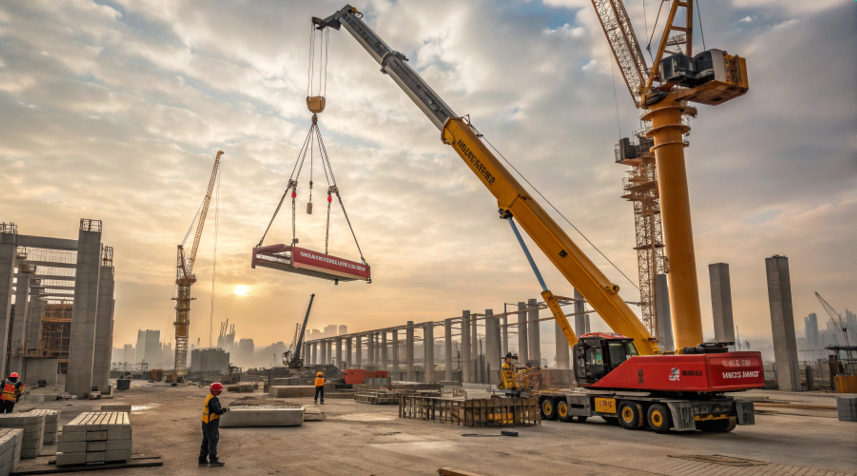
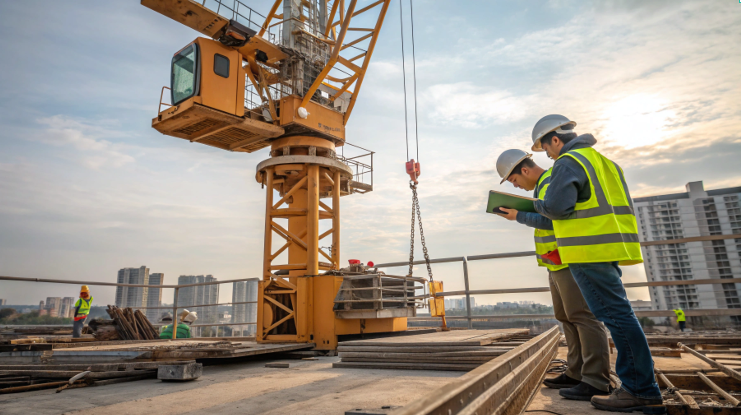
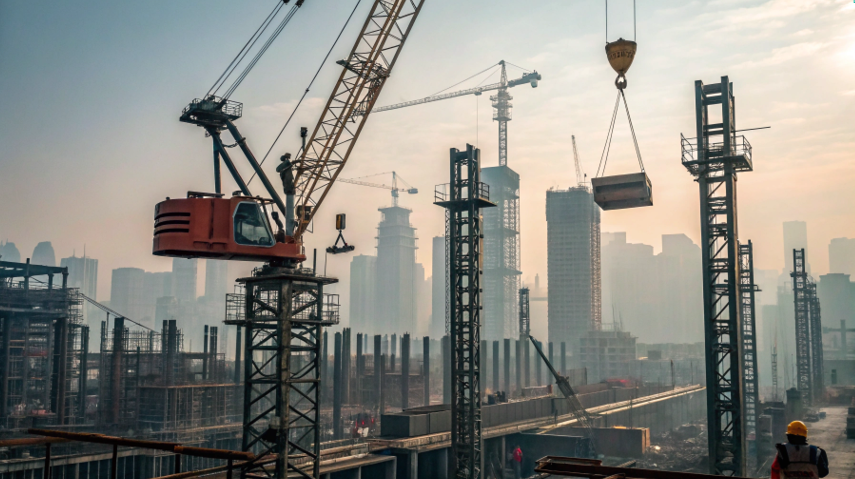
A crane is a large, powerful machine designed for lifting and moving heavy loads. I’ve seen cranes in action on construction sites where they lift materials like steel beams, concrete, and even whole sections of buildings. What’s great about cranes is their versatility—they can move loads both horizontally and vertically, depending on the task.
أنواع الرافعات
Cranes come in several types, and each has its own use. Some are more mobile, while others are fixed in place for specific tasks.
| نوع الرافعة | وصف | الأفضل ل |
|---|---|---|
| رافعة متنقلة | A crane mounted on wheels or tracks, making it easy to move. | Outdoor projects like infrastructure and roadwork. |
| برج الرافعة | A tall, fixed crane used for lifting heavy materials at height. | High-rise building construction. |
| رافعة علوية | A crane that moves along tracks above the workspace. | Factories, warehouses, and indoor environments. |
| زاحف كرين | A crane mounted on tracks, ideal for rough terrain. | Mining sites, oil rigs, and other challenging locations. |
Applications of Cranes
Cranes are used in various industries. Here’s how I’ve seen them applied:
| صناعة | طلب | Typical Use |
|---|---|---|
| بناء | Cranes lift heavy building materials. | Constructing buildings, bridges, and roads. |
| Shipping | Cranes unload containers from ships. | Ports and harbors for moving cargo. |
| Manufacturing | Cranes help move large machinery. | In factories for moving parts along assembly lines. |
Key Features of Cranes
Cranes are built for heavy-duty work. They have several key features that make them suitable for large-scale lifting:
| ميزة | وصف |
|---|---|
| قدرة رفع عالية | Cranes can lift extremely heavy loads, sometimes hundreds of tons. |
| الوصول الطويل | They can move materials over large distances, both horizontally and vertically. |
| القدرة على التكيف | Cranes can work in a variety of settings, from construction sites to factories. |
What is a Hoist?
A hoist is a smaller, simpler machine than a crane. It’s typically used for lifting items vertically in short distances. I’ve used hoists in warehouses to lift boxes onto high shelves or move smaller materials. They are often powered by electric motors, but some are manually operated.
Types of Hoists
There are several types of hoists, each suited to different lifting tasks. Here’s a breakdown:
| Hoist Type | وصف | الأفضل ل |
|---|---|---|
| Electric Hoist | Powered by electricity, these hoists are quick and efficient. | Moving items in warehouses or factories. |
| Manual Hoist | Operated by hand, typically with a crank or chain. | Light lifting tasks in smaller spaces. |
| Chain Hoist | Uses a chain to lift objects vertically. | Lifting materials on construction sites or in industrial settings. |
Applications of Hoists
Hoists are commonly used in places where you need to lift items over short distances, such as:
| صناعة | طلب | Typical Use |
|---|---|---|
| Warehousing | Hoists help move boxes or tools to higher locations. | Storing and retrieving products in warehouses. |
| Manufacturing | Hoists lift components to assembly lines or machinery. | Moving parts on factory floors. |
| بناء | Hoists are used to move tools or smaller materials. | Lifting equipment to elevated platforms or scaffolding. |
Key Features of Hoists
Compared to cranes, hoists are much simpler and more compact. They have the following key features:
| ميزة | وصف |
|---|---|
| حجم مضغوط | Hoists are smaller and more portable than cranes. |
| Simple Operation | Easier to use and maintain compared to cranes. |
| بسعر معقول | Hoists are typically more cost-effective than cranes. |
Key Differences Between Cranes and Hoists
When I first started working in construction, I often found myself unsure about when to use a crane or a hoist. Both machines do similar jobs, but their differences are huge. After working on many projects, I learned that these two are not interchangeable. Understanding their differences is key to choosing the right equipment.
| ميزة | Crane | رفع |
|---|---|---|
| الوظيفة | Cranes can lift materials over long distances. | Hoists lift materials vertically, usually over short distances. |
| قدرة الرفع | Cranes can lift massive loads. | Hoists are meant for lighter loads. |
| Size and Complexity | Cranes are big, complicated, and need skilled operators. | Hoists are smaller, simpler, and can be used by one person. |
| سعر | Cranes are expensive to buy and maintain. | Hoists are more affordable. |
Lifting Distance
I remember a project where we had to lift steel beams onto a high building. We needed to move them both vertically and horizontally across a large site. A crane was the only machine that could do this. Hoists, on the other hand, are made for lifting things straight up or down. They’re perfect for short, vertical lifts. I’ve used hoists many times to move smaller loads, like boxes, to a high shelf in a warehouse.
| آلة | Lifting Distance |
|---|---|
| Crane | Lifts materials over both horizontal and vertical distances. |
| رفع | Lifts materials only vertically. |
قدرة الرفع
Crane capacity is incredible. I’ve seen cranes lift tons of steel, concrete, or machinery—things that are just too heavy for anything else. Once, I worked on a project where we needed to lift a giant generator that weighed over 100 tons. Only a crane could handle it. Hoists, on the other hand, are much smaller and handle only lighter loads, typically under 20 tons. I’ve used hoists in factories and warehouses, where lifting smaller parts or tools is needed. They’re quick, easy, and affordable.
| آلة | أقصى قدرة رفع |
|---|---|
| Crane | Can lift hundreds of tons—perfect for heavy-duty tasks. |
| رفع | Typically handles up to 20 tons, best for lighter lifting. |
Size and Complexity
Cranes are big and complicated. I’ve worked with cranes on large projects, and I can tell you that they need experienced operators. There’s a lot of machinery involved, and you need the right training. Cranes are also much harder to move from one site to another. Hoists, though, are small and easy to move. I’ve set them up in tight spaces, and it takes just one person to operate them. They don’t require special training or a crew.
| آلة | Size and Operator Requirement |
|---|---|
| Crane | Large, complex, and need skilled operators. |
| رفع | Small, simple, and can be operated by one person. |
سعر
When it comes to cost, cranes are a big investment. I remember the first time I had to work with cranes. I had to think about the high cost of renting and maintaining them. Hoists are much cheaper. I’ve used hoists for smaller jobs, and I’ve never had to worry about expensive repairs. If you need to move smaller items or don’t have a large budget, hoists are a much more affordable choice.
| آلة | Price Consideration |
|---|---|
| Crane | High initial cost and high maintenance. |
| رفع | More affordable, lower operating and maintenance costs. |
When Should You Use a Crane vs. a Hoist?
So when should you choose a crane and when should you use a hoist? The decision depends largely on the job you need to do. I’ve had to make this decision many times during projects I’ve managed, and here’s what I’ve learned.
Scenario 1 – Heavy Lifting Over Long Distances
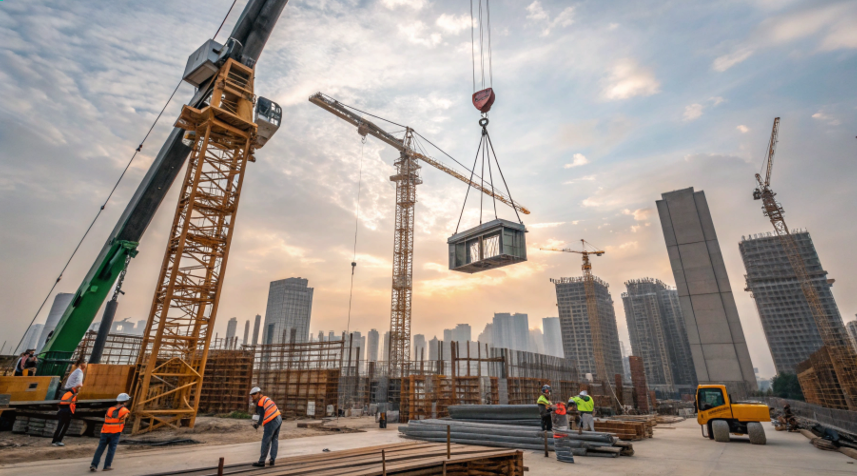
If you need to move heavy materials over long distances, a crane is your best choice. Whether you’re lifting steel beams for a skyscraper or machinery on a construction site, cranes are designed to handle these tasks with ease.
Scenario 2 – Lifting Small Loads Over Short Distances
For small tasks, like moving parts on a factory floor or lifting tools in a warehouse, hoists are the perfect solution. They’re cost-effective, easy to use, and can lift items quickly and efficiently in confined spaces.
Safety Considerations for Cranes and Hoists
Safety is always a top priority, no matter which machine you’re using. Both cranes and hoists come with specific safety requirements, so let’s break them down.
| آلة | Safety Considerations |
|---|---|
| Crane | Regular maintenance checks, trained operators, and load testing. |
| رفع | Ensure proper weight limits, inspect hoist before use, and train workers. |
Crane Safety
When operating cranes, it’s crucial to adhere to safety standards. Make sure operators are trained and that regular maintenance is performed. Always check the load limits to avoid accidents.
Hoist Safety
For hoists, it’s essential to inspect them before use. Ensure the load you’re lifting doesn’t exceed the hoist’s capacity, and never overload it. Proper training is also key to preventing accidents.
خاتمة
In conclusion, both cranes and hoists have their own advantages, and understanding their differences can help you choose the right one for your next project. Cranes are great for large-scale, heavy-duty lifting, while hoists excel in smaller, more confined tasks. Whether you’re working on a construction site, in a warehouse, or in manufacturing, knowing when to use each piece of equipment will save you time, money, and effort.
تابعنا في:يوتيوب.