I am frequently asked how excavators work. In the building sector, these devices are indispensable. If you are new to the field or simply want to learn more, understanding how excavators work can help you make better decisions for your projects. Now let’s analyze it.
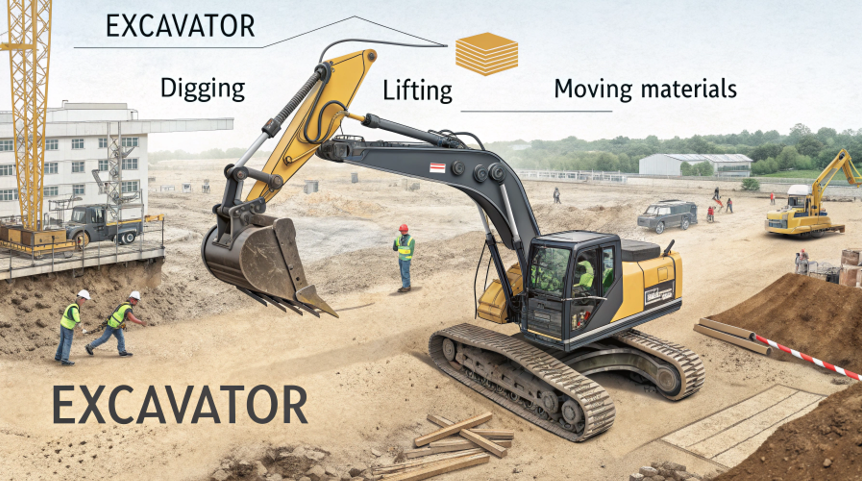
Excavators are a key part of most construction projects. They dig, lift, and move materials with ease. But how do excavators work? These machines use hydraulic systems to generate power. The arm, boom, and bucket are controlled using levers, making them precise and powerful. In this article, I will explain the main parts of an excavator, how they work together, and the different types you can use for your projects. This information will help you understand how to use excavators to improve efficiency and avoid common mistakes on your job site.
Now, let’s dive into the key parts of an excavador and see how they work together to get the job done.
Introducción
I’ve been in the construction industry for many years, and I can’t stress enough how important excavators are. They help us dig, move materials, and even demolish buildings. But I often get asked, how do excavators work? Well, let’s break it down. In this article, I’ll explain the basics of how excavators function, the different types available, and how they are used in construction. By the end, you’ll have a clearer understanding of these machines and how they make a big difference in construction.
What Are Excavators and Their Key Components?
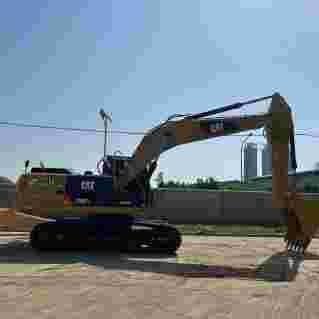
Let’s start with the basics. How do excavadoras work? First, we need to understand what they are and what parts make them function. Excavators are big machines made to dig, lift, and move materials. They have a few key parts that work together:
| Componente | Descripción | Función |
|---|---|---|
| Auge | A long, extendable arm. | Gives the machine reach and height for digging and lifting. |
| Brazo | The part connected to the boom. | Moves the bucket to do the digging or lifting. |
| Balde | A large scoop at the end of the arm. | Used for digging, scooping, and lifting materials. |
| Tren de aterrizaje | The tracks or wheels the excavator uses to move. | Keeps the machine stable and helps it move over rough ground. |
| Taxi | The operator’s seat and controls. | This is where the operator sits and controls the machine. |
These parts all work together, which is essential for how excavators work. The bucket digs, the arm moves, and the boom helps the machine reach. The undercarriage helps it stay stable, and the cab is where the operator controls everything.
How Do Excavators Work: Basic Mechanism
Now, let’s talk about the main part of how excavators work: the hydraulic system. The hydraulic system is what makes excavators so powerful. Here’s how it works:
| Componente | Función | How It Works |
|---|---|---|
| Bomba hidráulica | Moves hydraulic fluid throughout the system. | The engine powers the pump, which sends fluid to other parts. |
| Cilindros hidráulicos | Turns the fluid pressure into movement. | These cylinders move the boom, arm, and bucket. |
| Válvulas de control | Directs the flow of hydraulic fluid to different parts of the machine. | The operator uses levers to control how the fluid flows. |
I’ve seen first-hand how this hydraulic system gives excavators the power to dig deep or lift heavy materials. When the operator pulls the lever, the hydraulic fluid moves, and that’s how the machine does its work.

How Do Excavators Work: Different Types and Their Uses in Construction
In my experience, knowing the type of excavator you need can really make a difference. Excavators come in different types, and each type is suited for certain jobs. Here’s how each type works and when it’s best used:
| Tipo de excavadora | Descripción | Mejor caso de uso | Ventajas | Desventajas |
|---|---|---|---|---|
| Excavadoras de rastreadores | These machines are mounted on tracks. | Great for digging on rough or uneven ground. | Strong stability, ideal for large earth-moving tasks. | Slower than wheeled machines. |
| Excavadoras con ruedas | These have wheels instead of tracks. | Best for urban areas with paved roads. | Fast and mobile, good for working on smooth surfaces. | Not as stable on rough terrain. |
| Mini excavadoras | Smaller machines with a compact design. | Great for small spaces or residential projects. | Easy to transport and maneuver in tight spaces. | Less powerful and has a smaller reach. |
| Excavadoras de largo alcance | These have extended arms for reaching higher or deeper areas. | Best for demolition or deep digging. | Can reach deep or high places without needing to move the whole machine. | Slower and harder to maneuver. |
I’ve used all these types of machines over the years. Depending on the project, I might choose a crawler excavator for stability or a mini excavator for tighter spaces. Understanding how excavators work and choosing the right type makes the job easier and faster.
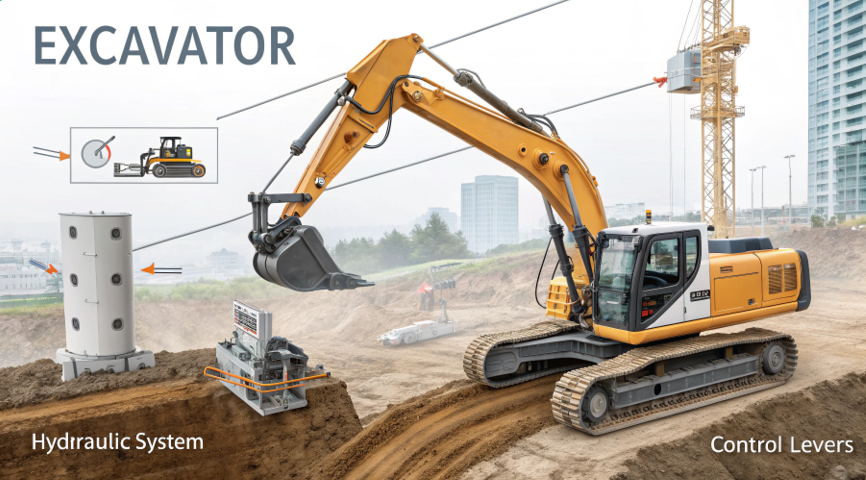
How Do Excavators Work in Different Construction Environments?
Every construction site is different, so knowing how excavators work in various environments is key. Here’s a quick guide to how different excavators perform in different conditions:
| Ambiente | Tipo de excavadora | Why This Type Works Best | Desafíos |
|---|---|---|---|
| Construcción urbana | Excavadoras con ruedas | Fast and easy to move through tight city spaces. | Less stable on uneven surfaces. |
| Operaciones Mineras | Excavadoras de rastreadores | Stable and powerful, perfect for rough, uneven terrain. | Slower than wheeled models, but necessary for heavy-duty tasks. |
| Residential Projects | Mini excavadoras | Compact and able to fit in tight spaces. | Limited digging power, but perfect for smaller tasks. |
| Large Demolition Sites | Excavadoras de largo alcance | Extended reach helps with deep trenching or demolition tasks. | Less maneuverable, but great for reaching tough spots. |
When I’m on a project, I always look at the terrain and the size of the job. It helps me figure out which type of excavator will do the job most efficiently. For rough, uneven sites, I go for a crawler model. For city projects, I prefer wheeled excavators.
How Do Excavators Work with Other Construction Equipment?
In construction, we often use excavators alongside other machines. Understanding how excavators work with different equipment is crucial for keeping things running smoothly. Here’s how they team up:
| Construction Equipment | How Excavators Work Together | Beneficio |
|---|---|---|
| Excavadoras | Excavators dig material, bulldozers push and level it. | Helps clear land quickly and efficiently. |
| Grúas | Excavators dig trenches, cranes lift materials into place. | Streamlines large projects where digging and lifting are needed. |
| Cargadores | Excavators dig and load materials into trucks using loaders. | Speeds up material transport and logistics. |
I’ve worked on many large-scale projects where we used this kind of teamwork. The excavator does the digging, and the bulldozer or crane takes care of the rest. It’s a system that works well.

Why Excavators Are Essential in Modern Construction Projects
It’s clear to me that excavators are essential to modern construction. They bring so much to the table: they’re precise, powerful, and versatile. Here’s why:
| Beneficio clave | How Excavators Contribute |
|---|---|
| Precisión | Excavators allow for precise digging and grading. |
| Fuerza | The hydraulic systems provide the strength needed for heavy lifting. |
| Versatilidad | Excavators can be used for many tasks like digging, demolition, and lifting. |
Having seen these machines in action, I know that construction would be much slower and more difficult without them. Whether digging a trench or lifting heavy materials, excavators make construction faster and safer.
Choosing the Right Excavator for Your Construction Needs
Choosing the right excavator for the job isn’t always easy, but it’s important. I always consider a few things before making my decision. Here’s what you should keep in mind:
| Factor | Consideraciones | Recommended Excavator Type |
|---|---|---|
| Tipo de proyecto | Larger, more powerful machines are needed for big projects. | Crawler or long reach excavators. |
| Terreno | Rough ground requires tracked machines. Smooth roads need wheeled models. | Crawler for uneven surfaces, wheeled for flat roads. |
| Accesorios | Specialized tasks need specific attachments. | Mini or long reach for specific tasks like lifting or digging. |
| Size of Excavator | Big projects need bigger machines. Small jobs can be done with mini machines. | Larger for big jobs, mini for small tasks. |
I always take the time to assess the project. Once I know the requirements, I can easily choose the excavator that will do the job best.
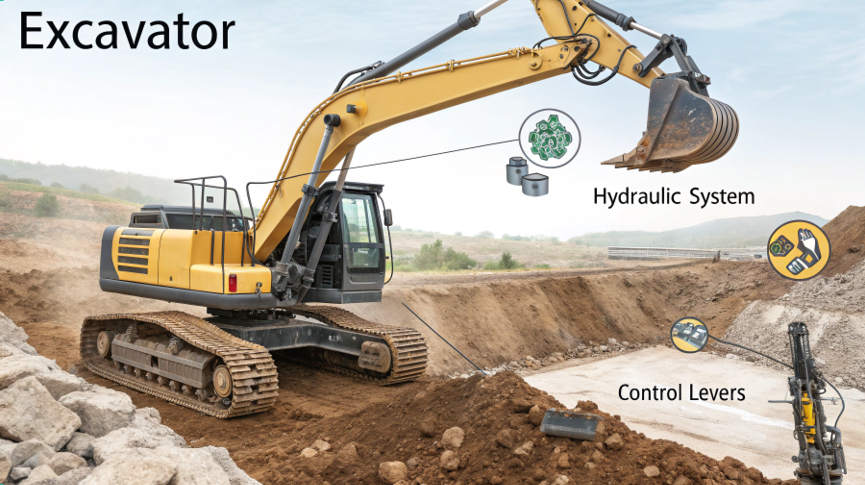
How Do Excavators Work and What to Expect from Their Maintenance?
I’ve learned that maintaining an excavator is just as important as understanding how excavators work. Regular maintenance ensures they run smoothly and last longer. Here’s what you need to know:
| Tarea de mantenimiento | Frecuencia | Importancia |
|---|---|---|
| Oil and Filter Change | Every 250 to 500 hours of operation | Keeps the engine running smoothly and prevents expensive breakdowns. |
| Inspección de vías | Cada 100 horas de operación | Ensures the tracks are in good condition, especially for crawlers. |
| Verificación del sistema hidráulico | Every 500 hours or per manufacturer’s recommendations | Keeps the hydraulic system working properly and prevents leaks. |
I always follow the maintenance schedule. It helps keep the machine in good condition and reduces repair costs. Taking care of your excavator will save you a lot of money in the long run.
Conclusión
To wrap it up, how excavadoras work is essential knowledge for anyone in construction. They’re powerful, versatile, and necessary for a lot of tasks. From digging and lifting to working with other equipment, they help speed up construction. Choosing the right excavator and keeping it well-maintained will make a huge difference in the success of your project. I’ve seen it firsthand, and I wouldn’t want to work without them.
Síguenos en:YouTube.