Introduction Excavators have a simple hydraulic system for moving the bucket or boom. But when air gets in the system, you can have erratic movements, reduced power, and eventually cause damage to the equipment. Despite all that trouble, getting the air out of the system is simple, and not just necessary, but critical to keeping your machine in top shape. So let’s get started and we’ll show you how to do it.
How to Get Air Out of Hydraulic System in Used Excavators for Better Performance to poor performance and costly repairs. To remove it, simply follow these steps: ensure proper safety measures, locate the hydraulic reservoir, bleed the system, check the oil quality, and run tests to confirm smooth operation. Regular maintenance ensures your machine operates at its best and extends its lifespan.
Feeling better now that you know the importance of air removal? Let’s dive into the step-by-step process.
What Happens When Air Gets Into the Hydraulic System?
Air in the hydraulic system is a big problem for excavadoras. It causes performance issues and if left unresolved, can damage the machine. Here are some of the important reasons why you need to get the air out for the hydraulic system to operate smoothly:
Performance Impact
Helps you to understand what the problem is costing you. Air in the hydraulic system leads to performance problems. Your excavator won’t run as hard or perform as well as it’s capable of. Here are some examples of how air-in-the-system affects performance.
| Impacto | Descripción |
|---|---|
| Potencia reducida | Air reduces hydraulic pressure, affecting lifting capacity and efficiency. |
| Erratic Movements | The excavator may move unevenly or jerk during operation, leading to unstable performance. |
| Inconsistent Pressure | Air causes fluctuating pressure, leading to unreliable performance and unresponsive hydraulic actions. |
Long-Term Damage
If air stays in the hydraulic system for a long time, it can cause a much bigger problem.
| Component Affected | Effect of Air Exposure |
|---|---|
| Bombas hidráulicas | Air can cause overheating and eventually pump failure, leading to costly replacements. |
| Seals and Gaskets | Air exposure leads to wear and tear on seals, causing hydraulic fluid leaks and system inefficiency. |
| Other Hydraulic Components | Continuous air exposure accelerates wear on cylinders, valves, and hoses, increasing repair costs. |
Signs of Air in the System
slower system operation; an inability to hold a load, possibly in one direction only; a loud pump; overheating; foaming oil; spongy handles on a hydraulic tool and droopy or downward creep on their arms or lifts.
| Sign | Descripción |
|---|---|
| Spongy or Soft Controls | The machine’s controls feel less responsive, indicating possible air in the system. |
| Unusual Noise | You may hear gurgling, whining, or squealing noises, signaling air in the lines. |
| Fluctuating Pressure | Inconsistent pressure readings on the gauge show air pockets affecting performance. |
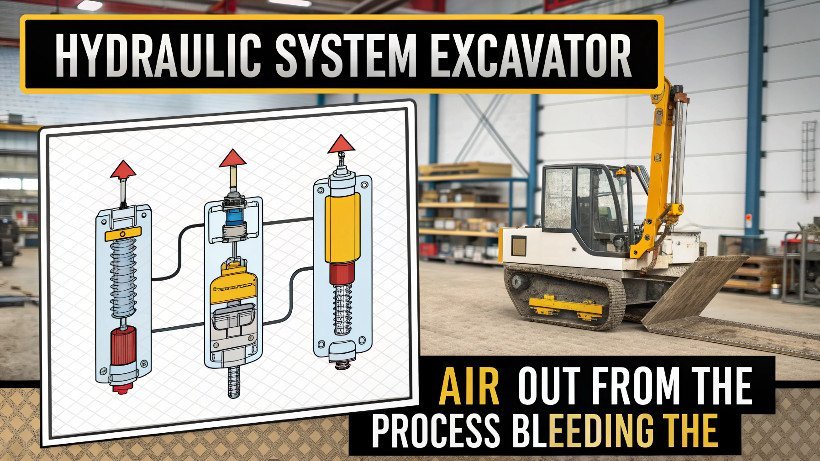
Step-by-Step Guide: How to Get Air Out of Hydraulic System in Excavators
Here’s the step-by-step process for removing air from the hydraulic system, ensuring optimal performance of your excavator.
Step 1: Safety First
Before you start any maintenance work, prioritize safety to avoid injury. Here’s what you need to do:
- Shut off the engine and let the system cool down.
- Wear safety gloves, safety goggles and any other PPE that is required.
- Make sure the machine is stable and secure before proceeding.
Step 2: Locate the Hydraulic Reservoir
The reservoir is key to the system operating correctly, so before attempting to bleed the system you need to figure out where it is and check the fluid level.
| Reservoir Condition | Action Required |
|---|---|
| Fluid Level is Low | Top up the fluid using the recommended hydraulic oil. |
| Fluid is Clean | Proceed to the next step. |
| Fluid is Contaminated | Drain the old fluid and replace with fresh oil. |
Step 3: Bleed the Hydraulic System
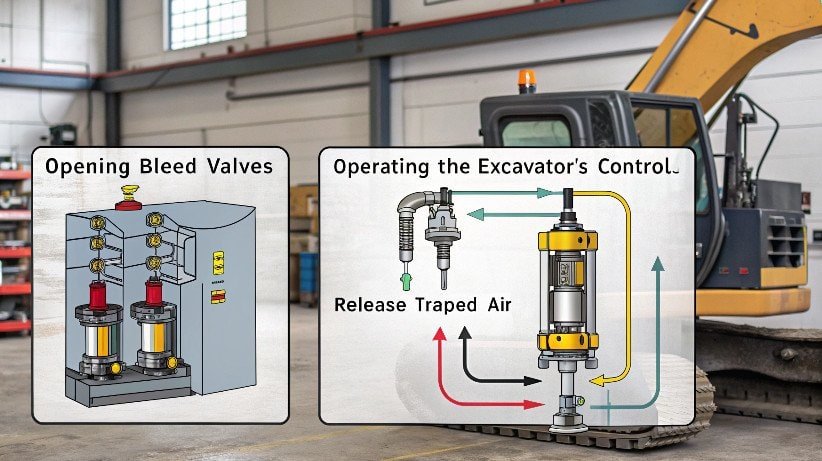
Bleeding the hydraulic system removes any trapped air to keep the hydraulic system running smooth. There are two common ways to bleeding the hydraulic circuit.
| Método | How It Works | When to Use |
|---|---|---|
| Manual Bleeding | Open the bleeder valve or hydraulic lines to release air manually. | Ideal for older excavators with no automatic system. |
| Automatic Bleeding | Activate the built-in automatic system to release air from the hydraulic system. | Use for modern excavators with an automatic air-bleeding feature. |
Step 4: Check Hydraulic Oil
After the air is bled from the system, make sure the oil quality is good and that there are no contaminants in the hydraulic system.
| Oil Condition | Action Required |
|---|---|
| Clean and Clear | No action needed; top up if necessary. |
| Dark or Dirty | Drain and replace with fresh hydraulic oil. |
| Foamy or Aerated | Replace and check for any leaks in the system. |
Step 5: Test the System
Once you have bled the air and inspected the oil, it is time to test the circuit. Run the machine through some paces and ensure that everything acts smoothly. Pay close attention to any signs of air still in the system.
| Test Condition | Acción |
|---|---|
| Operación suave | Continue regular use, no further action needed. |
| Unusual Noises or Movements | Repeat the bleeding process or seek professional help. |
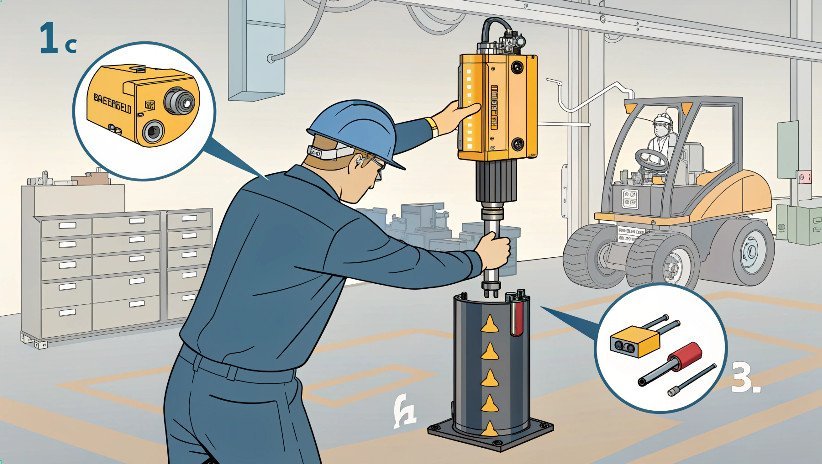
Why You Should Get Air Out of Hydraulic System Regularly
Proper routine maintenance of your hydraulic system is the key to making sure your excavador performs properly. That’s why bleeding air out of your system should be part of your routine maintenance.
Preventative Maintenance
By doing your regular maintenance and checking for air in the system, you’re going to keep your machine up and running and have far fewer breakdowns. It’s better to keep the air out in the beginning to keep your machine running efficiently.
| Frecuencia de mantenimiento | Effect on Excavator Health |
|---|---|
| Every 6 Months | Ensures that air pockets are minimized, preventing early wear. |
| Every 1000 Working Hours | Prevents major hydraulic issues, extending the life of the machine. |
Efficiency and Longevity
By removing the air from the system, you lengthen the life of your equipment. When you have your system full of fluid and no air, it works the way it’s supposed to. You can keep the pressure constant, and everything will last a lot longer.
| System Efficiency | Effect on Excavator Operation |
|---|---|
| Air-Free System | Optimal hydraulic power and efficiency. |
| Air-Contaminated System | Slower operations, greater wear and tear. |
Ahorro de costos
The main benefit of doing all this is to prevent a major repair bill later on. That’s why bleeding the air out of your system is essential.
| Tipo de reparación | Impacto en el costo |
|---|---|
| Minor Leak Repair | Low cost, often preventable with regular maintenance. |
| Pump Replacement | High cost, often due to air contamination. |
Common Mistakes to Avoid When Bleeding Hydraulic Systems
When you bleed your hydraulic system, there are some common mistakes that may prevent you from doing a thorough job. Here are a few steps you can take to prevent that:
| Error | Consequence |
|---|---|
| Skipping Safety Procedures | Risk of injury or damage to equipment. |
| Using Incorrect Oil | Causes damage to hydraulic components and seals. |
| Incomplete Bleeding | Leaves air in the system, leading to continued issues. |
| Forgetting to Check Oil Quality | Dirty or degraded oil can contaminate the system. |
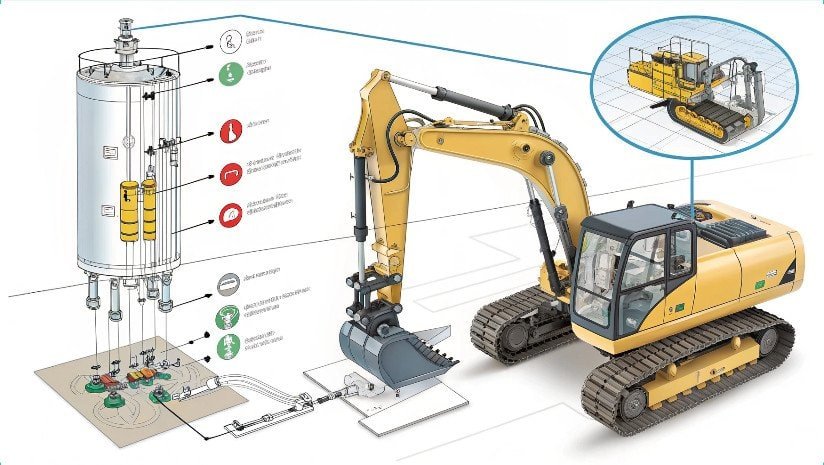
When to Seek Professional Help
If you cannot fix your problem by bleeding the air out, then let the professionals handle it. It’s time to call them when:
| Problema | Acción |
|---|---|
| Persistent Air in the System | Consult a hydraulic expert for thorough inspection. |
| Damaged Hydraulic Pump | Professional repair or replacement is required. |
| Major Seal Failures | Seek professional help to prevent further damage. |
Conclusión
Bleed the air out of the hydraulic system in a excavadora usada is something you must do to keep it operating properly and lasting longer. By running through the six steps to bleed the system, checking the oil, and servicing the hydraulic components, you can avoid expensive downtime and costly repairs.
All of this helps to ensure your used equipment will last. If your equipment lasts, you get paid more for every job. If it lasts and you won’t have to waste time fixing breakdowns, you can do more jobs in a year and get more work done every day. Remember, if you’re uncomfortable doing something or if it doesn’t seem to be working, it’s time to call in a technician.
Call to Action:Ensure there is no air in the system. Make sure you check it all the time,
and perform the system maintenance as required.
Síguenos en:YouTube..