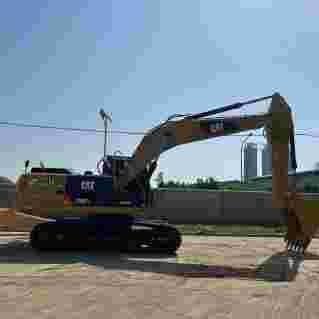
comprar un usado excavador de rastreadoress can be tricky. I’ve been there myself. The risk of getting stuck with a machine that’s not reliable is real. In this guide, I’ll show you how I assess a crawler excavator’s reliability before buying. I’ll share the steps that worked for me and help you avoid costly mistakes.
When you buy a Excavadora de rastreadores usado, you want to make sure it’s going to last. I’ll walk you through the key things I look for when I check a machine. From the general condition to the engine, hydraulics, tracks, and service history—I’ll help you know what to focus on. By the end, you’ll be able to assess a excavador de rastreadores and make a smart choice.
Now that you understand why reliability matters, let’s dive into the first step: inspecting the general condition of the machine.
1. Inspecting the Excavator’s General Condition
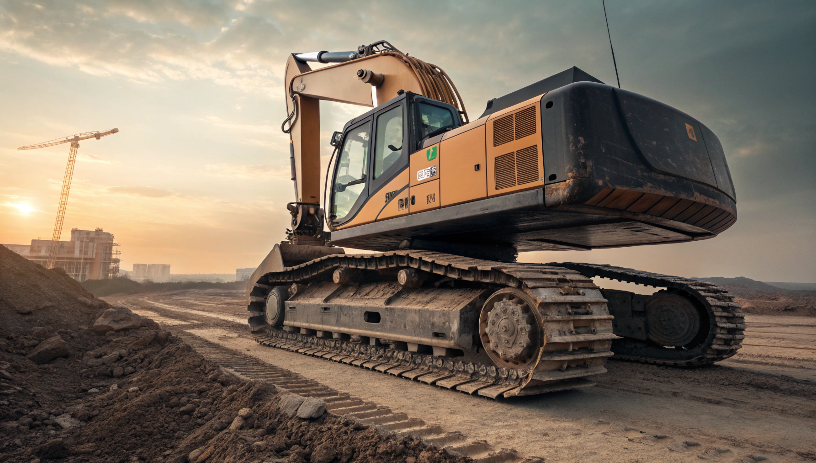
When I check a crawler excavador, I always start with the general condition. It’s the first sign of how well the machine has been treated. Even small issues can tell you a lot about the care it’s had.
Key Areas to Inspect:
- Exterior Condition: Look closely for rust, dents, or scratches. These can be a sign that the machine was exposed to harsh conditions.
- Fugas de aceite: I always check for oil stains around the engine and hydraulics. Leaks mean there’s something wrong inside.
- Tren de aterrizaje: The tracks and undercarriage are key to a crawler excavator’s performance. I check for excessive wear here.
General Condition Checklist
| Condition Area | Que buscar | What It Could Mean |
|---|---|---|
| Exterior | Scratches, rust, dents | Poor maintenance, harsh conditions |
| Engine Area | Oil leaks, stains | Internal engine issues |
| Tracks/Undercarriage | Worn tracks, damaged rollers, loose parts | High wear, track replacement needed |
I’ve learned that even small signs of damage can point to bigger issues. It’s important to take your time with this step.
2. Examining the Engine and Hydraulic Systems
The engine and hydraulic systems are the heart of any excavador de rastreadores. If either of these isn’t working well, the machine won’t perform. I check these systems carefully.
Inspección del motor:
- Oil Quality: The oil should look clean. If it’s dark or thick, the machine might not have been cared for properly.
- Exhaust: I always start the engine and watch for smoke. If it’s black or blue, it could mean problems inside the engine.
- Ruido del motor: I listen carefully for strange sounds. A quiet engine is a good sign.
Inspección del sistema hidráulico:
- Fugas: Hydraulic fluid leaks are a big red flag for me. They can lead to costly repairs.
- Operación suave: I test the hydraulic system by moving the boom, arm, and bucket. It should move smoothly without jerks.
Engine & Hydraulic System Checklist
| Componente | Que buscar | Possible Issues |
|---|---|---|
| Engine Oil | Contaminated, dark oil, sludge | Neglect, poor maintenance |
| Exhaust | Excessive smoke (black or blue) | Engine wear, combustion issues |
| Fluido hidráulico | Low fluid levels, leaks | Leaking system, repair needed |
| Hydraulic Response | Hesitation, jerky movements | Hydraulic issues, wear |
After I inspect these systems, I have a better idea of whether the machine will be reliable or not.
3. Evaluating the Tracks and Undercarriage
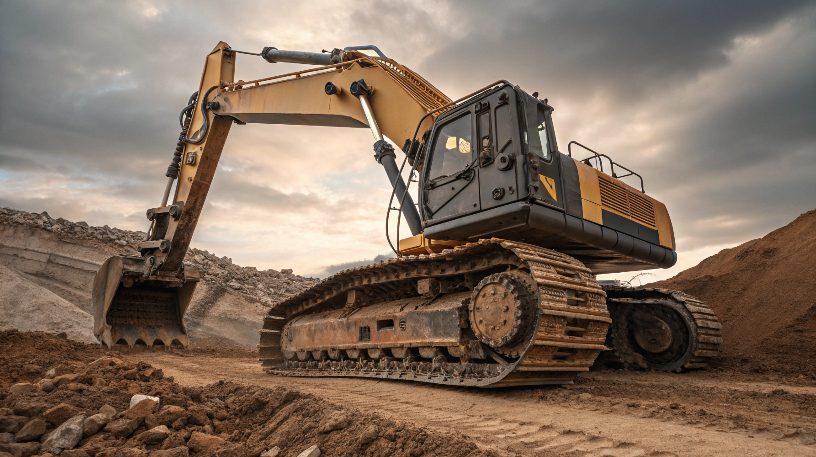
The tracks and undercarriage are often overlooked, but they’re crucial for the crawler excavator’s stability. I pay a lot of attention to these parts because they can be expensive to replace.
Track and Undercarriage Inspection:
- Desgaste: Worn-out tracks are a sure sign that the machine has been used hard. If I see cracks or holes, I know the tracks might need replacing soon.
- Tensión de la pista: I check if the tracks are too tight or too loose. This can cause extra wear on the undercarriage.
- Rodillos y Piñones: I always check the rollers and sprockets for damage. They play a big role in how well the machine moves.
Undercarriage Inspection Checklist
| Componente | Que buscar | Possible Issues |
|---|---|---|
| Track Pads | Worn, cracked, or unevenly worn pads | Track replacement needed |
| Tensión de la pista | Loose or overly tight tracks | Poor operation, more wear |
| Rollers/Sprockets | Damaged or worn rollers and sprockets | High wear, expensive repair |
I’ve found that undercarriage issues are often the most costly to fix, so I make sure to check this carefully.
4. Checking the Excavator’s Maintenance and Service History
Knowing the crawler excavator’s service history can save you a lot of trouble. I always ask the seller for service records. It tells me if the machine was well-maintained or if it’s been neglected.
Service Record Analysis:
- Mantenimiento de rutina: I look for regular oil changes, hydraulic checks, and filter replacements. A machine that’s been regularly maintained will likely last longer.
- Reparaciones importantes: I want to know if any major repairs have been done, like engine overhauls or hydraulic system replacements. If repairs are frequent, I get cautious.
- Replaced Parts: I also check if any major parts, like the engine or hydraulic pumps, have been replaced.
Maintenance History Checklist
| Service Area | Que buscar | What It Could Mean |
|---|---|---|
| Mantenimiento de rutina | Regular oil changes, filter replacements | Well-maintained, longer lifespan |
| Reparaciones importantes | Engine rebuilds, hydraulic system repairs | Past issues, higher risk |
| Replaced Parts | Engine, transmission, hydraulic components | Prior problems, more risks |
I’ve learned that a solid maintenance history usually means fewer problems down the road.
5. Assessing the Hour Meter and Usage History
The hour meter is another important factor I consider. The hours on the meter tell me how much the machine has been used. But it’s not just about the number of hours—it’s about how and where the machine was used.
Hour Meter Insights:
- High Usage: Machines with over 5,000 hours can show more wear. I keep that in mind.
- Low Usage: I also check if the machine has sat unused for a long time. Lack of use can cause its own issues.
- Harsh Environment: Machines that have worked in tough conditions can have more wear, even with fewer hours.
Hour Meter & Usage Checklist
| Hour Meter | Que buscar | Possible Issues |
|---|---|---|
| High Hours | Over 5,000 hours, frequent use | More wear, shorter lifespan |
| Low Hours | Underused, few operational hours | Internal issues from lack of use |
| Usage Conditions | Harsh conditions, heavy-duty work | More wear, potential problems |
I’ve found that knowing the machine’s history helps me understand what kind of wear and tear I’m dealing with.
6. Testing the Crawler Excavators in Operation
I always test the excavador de rastreadores in action. It’s the best way to see how the machine performs. I’ve had some machines pass inspections but fail during operation.
Operational Performance Test:
- Engine Start: The engine should start quickly. If it takes a lot of cranking, I start to worry.
- Hydraulic Response: I test the hydraulic system by moving the arm and bucket. It should move smoothly.
- Noise: Any strange noises—like grinding or squealing—are a red flag for me.
- Operación suave: The machine should run smoothly without jerking or stuttering.
Operational Test Checklist
| Performance Area | Que buscar | What It Could Mean |
|---|---|---|
| Engine Start | Quick start, no excessive cranking | Healthy engine |
| Hydraulic Movement | Smooth, responsive actions | Proper hydraulic performance |
| Noise | No grinding or unusual sounds | Healthy operation, no internal issues |
| Movement Smoothness | No jerking, smooth transitions | Good condition, well-maintained |
Testing the excavador de rastreadores in real conditions gives me the confidence that it’s ready for work.
7. Evaluating the Seller’s Reputation
The seller’s reputation is key. I always look for reviews and feedback from others. I don’t buy from just anyone.
Seller Evaluation:
- Reviews and Ratings: If the seller has good reviews, I feel more confident.
- Garantía: A warranty shows the seller stands behind the machine.
Seller Reputation Checklist
| Evaluation Area | Que buscar | What It Could Mean |
|---|---|---|
| Reviews | Positive feedback from previous buyers | Trustworthy seller, good equipment |
| Garantía | Available warranty or guarantee | Seller confident in the machine’s reliability |
I’ve learned that dealing with a reputable seller is one of the best ways to ensure I’m getting a good deal.
Conclusión
After checking the crawler excavator’s general condition, engine, hydraulics, tracks, and service history, I can usually tell if it’s a good buy. By following these steps, you can make sure you’re not stuck with a machine that will cost you more than it’s worth. The right checks and tests will save you time and money.
Síguenos en:YouTube.