Is your wheel loader showing signs of failure? You can’t afford to ignore it. By stuff we mean ignoring the signs of the wheel loader to avoid costly repairs and costly downtime. Find out how to save lost time and money by recognizing early warning signs of wheel loader failure before it costs you big!
Recognizing warning signs of wheel loader failure early is crucial to prevent major breakdowns. Look out for unusual noises, poor performance, and fluid leaks. Regular maintenance and timely inspections can help detect issues like hydraulic failure or overheating before they cause expensive damage. Taking proactive steps ensures your loader runs smoothly and efficiently for years.
Here are the most common signs of wheel loader failure. Learn how to spot them (and how to fix them) before they become a real problem.
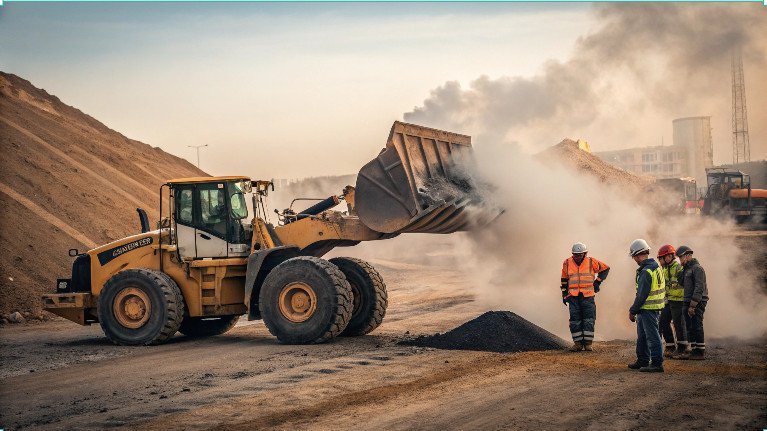
Why Wheel Loader Failures Happen
Before we look at those signs, let’s talk about why wheel loader failures happen in the first place. Knowing the “root causes” will help you understand the symptoms and allow you to catch it early and avoid BIG issues.
| Cause of Failure | Descripción |
|---|---|
| Lack of Regular Maintenance | Skipping regular inspections and maintenance leads to undetected issues and system failures. |
| Extreme Operating Conditions | Harsh weather or rough terrain places stress on the machine, accelerating wear and tear. |
| Aging Components | Older machines are more likely to experience breakdowns due to worn-out parts and systems. |
| Operator Error | Incorrect operation or overloading the machine can result in mechanical failures. |
Warning Signs of Wheel Loader Failures
Being able to identify the early signs of wheel loader failure can make a significant difference in avoiding costly repairs and downtime. Here are the key warning signs to watch for:
Unusual Sounds and Vibrations
If you have unusual noises with your loader, or especially if it’s shaking like crazy while you’re running it, you may have done some serious damage inside the machine. In most cases, those sounds are some sort of mechanical or hydraulic issue, and serve as the machine’s way of screaming at you that something is seriously wrong.
| Sound Type | Causa posible | Preventive Action |
|---|---|---|
| Grinding Noise | Transmission or gearbox issues | Regular lubrication and timely gearbox checks |
| Whining or Hissing | Low hydraulic fluid levels or pump issues | Check and refill hydraulic fluid regularly |
| Rattling or Clanking | Loose parts or worn-out bearings | Tighten parts and replace worn bearings |
| High-Pitched Squealing | Engine problems, often related to belts | Inspect and replace worn belts immediately |
Tip: If you notice any of these sounds, do a little investigative work or check with your mechanic about them. They won’t fix themselves, and if you keep running the loader, you’ll make it worse than it was to begin with.
Warning Lights and Dashboard Alerts
Modern wheel loaders have dashboard warning lights. These lights alert you when something is amiss. Newer wheel loaders have tracking systems that will notify you when it’s time for maintenance servicing, alert you to any mechanical or maintenance-related issues, or notify you when problems arise. Pay attention to these notifications. They let you know before things get worse, so you can manage the machine’s health yourself and not cause bigger problems.
| Warning Light | Meaning | Acción |
|---|---|---|
| Check Engine Light | Potential engine or transmission problem | Perform diagnostic tests and address the issue |
| Oil Pressure Warning | Low oil levels or failing oil pump | Check and refill oil; replace the oil pump if necessary |
| Battery/Alternator Light | Electrical issues | Check battery charge and alternator functionality |
| Coolant Temperature | Engine overheating | Check for radiator blockages or low coolant levels |
Pro Tip: Never ignore these lights. They’re trying to tell you there’s something that could turn into a full-blown failure on the machine.
Poor Performance and Reduced Power
A drop in performance is one of the most common first indicators your wheel loader might fail. If the loader slows down, becomes sluggish, or doesn’t have the power you think it should, you can bet that there’s engine trouble, the fuel system is messed up, or your transmission has failed. It manifests itself in these symptoms: everything seems to slow down or move slower, you can’t lift as much, or the loader doesn’t perform like you think it should.
| Emisión de rendimiento | Causa posible | Preventive Action |
|---|---|---|
| Slower Speed | Worn engine components or low fuel pressure | Regular engine maintenance and fuel system checks |
| Reduced Lifting Power | Hydraulic system failure or clogged filters | Clean filters regularly and check hydraulic fluid |
| Mala eficiencia de combustible | Dirty air filters or clogged fuel injectors | Clean air filters and replace clogged fuel injectors |
Tip: Keep an eye on the loader’s performance, and check the hydraulics and engine for maintenance regularly.
Fluid Leaks and Oil Issues
Another sign of wheel loader failure is unusual noises. Strange noises, such as grinding, squealing, knocking, or popping, can indicate a problem with the engine, hydraulics, bucket, or tires. Hearing unusual noises should prompt a thorough inspection of the machine.
| Fluid Type | Causa | Acción |
|---|---|---|
| Fugas de líquido hidráulico | Damaged hoses or seals | Inspect and replace damaged hoses immediately |
| Fugas de aceite | Worn seals or gaskets | Replace seals and ensure oil is at proper levels |
| Coolant Leaks | Cracked radiator or damaged hose | Replace damaged components and check coolant levels frequently |
Overtime, wheel loading machines are used to scoop, carry, lift, and dump all sorts of stuff. Heavy use, jostling, and a variety of movements can dislodge hoses and connections. So, post heavy use, check the fluid levels on your wheel loader, make sure everything’s as it should be.
Excessive Heating or Overheating
The key is to watch your gauges and pay attention to the temperature readout coming from the cooling system. If it starts to climb, get the machine into a shady spot, shut it off, and find out what the problem is. Oftentimes, it’s as simple as a failing thermostat, low coolant, or a clogged oil cooler. If a machine is overheating, don’t ignore it otherwise you’ll end up with a much bigger and more expensive problem.
| Temperature Issue | Potential Cause | Acción |
|---|---|---|
| Temperatura alta | Blocked radiator or malfunctioning cooling system | Clean the radiator and check coolant levels |
| Fluctuating Temperature | Faulty thermostat or poor coolant circulation | Replace the thermostat and ensure coolant flow |
| Overheating Quickly | Low coolant or water pump failure | Check coolant levels and replace the water pump if necessary |
To avoid these overheat problems, be sure to do regular cooling system maintenance on your machines.
Erratic Hydraulic System
One of the most important systems on a wheel loader is the hydraulic system. If you notice a wheel loader moving slower than it normally does or acting erratic, you may be experiencing a hydraulic system failure. Double-check your hydraulic fluid. If it spills to the ground, you’re low. If the fluid is black, smells burned, looks milky, or has water in it, you have bigger problems. The failure could be as simple as a bad hydraulic pump.
| Problema hidráulico | Causa | Acción |
|---|---|---|
| Movimientos lentos o desagradables | Low hydraulic fluid or contaminated fluid | Check and change hydraulic fluid regularly |
| Erratic Movements | Faulty hydraulic cylinders or valves | Inspect and replace worn-out hydraulic components |
| Fugas de líquido hidráulico | Damaged hoses or fittings | Repair leaks and replace damaged hoses or seals |
Pro Tip: Keep an eye on the hydraulic fluid. Make sure the fluid is clean and fills up to the proper level. Change it as the manufacturer recommends in the operator’s manual.
Top Causes of Wheel Loader Failures You Need to Know
Let’s break down some of the top reasons for loader failure:
Lack of Regular Maintenance
Regular maintenance is essential to keeping your wheel loader running. Top causes of wheel loader fail incidents include neglecting regular maintenance. Maintenance helps ensure that minor issues don’t become major problems, and that components like the hydraulic systems, engine, and tires will last. Inspect and repair the wheel loader regularly to prevent fail incidents.
Extreme Operating Conditions
Extreme conditions. Obviously, wheel loaders used in frigid climates will fail more often. The tougher the jobsite, the rougher the terrain, and the heavier the load, the harder your wheel loader has to work. It’s no surprise that overloading, operating in harsh weather, and the overall work environment take a major toll on the wheel loader and contribute to failing landscapes.
Component Wear and Tear
Machines wear out over time. As your loader ages, the parts wear out. Critical parts, like engine parts, bearings, and hydraulic hoses, are especially prone to wear and failure. Inspect them regularly and replace them according to the plan to stretch the life of your loader and to prevent a sudden breakdown.
How Regular Maintenance Can Prevent Wheel Loader Failures
Maintenance is how you get the most life and reliability from your loaders. Some key maintenance points include:
- Regular fluid changes: Change engine oil, hydraulic fluid, and coolant on a regular schedule so they don’t cause the loader to fail.
- Hydraulic system checks: Look at hoses, cylinders, and the oil level at least daily in most applications so the hydraulics don’t fail you.
- Tire inspections: Check tire pressure, tire depth, and for signs of wear monthly, daily, or however often to keep from having a flat tire and running the loader inefficiently.
| Tarea de mantenimiento | Frecuencia | Beneficios |
|---|---|---|
| Cambio de aceite | Every 250-500 hours of operation | Ensures smooth engine operation and prevents wear |
| Reemplazo de fluido hidráulico | Every 1,000-2,000 hours of operation | Prevents contamination and keeps hydraulic system efficient |
| Tire Inspection | Every 100-200 hours of operation | Prevents flat tires and ensures optimal performance |
Tip: Keep a maintenance log of all the repairs and inspections you do. This will help you remember to take action on the things you know are broken or about to break.
When to Call a Professional for Inspection
Even doing everything right, some stuff just breaks. If you see something you can’t fix, call in a professional. Somebody to make a diagnosis and to get the loader up and running so it doesn’t fail again.
What You Should Know About Buying a Used Wheel Loader to Avoid Future Failures
If you buy a used wheel loader, make sure it has maintenance records and it looks like it’s been taken care of. Make sure it has a history of no serious trouble and has been serviced regularly.
| Key Inspection Areas | Why They Matter |
|---|---|
| Sistema hidráulico | Ensure no leaks or contamination in the system |
| Condición del motor | Check for wear and regular maintenance history |
| Frame and Body | Inspect for structural damage or wear |
Conclusión:
Regularly inspecting the machine, monitoring fluid levels and temperature, and promptly addressing any issues will help you identify potential problems and head off failure. Once you know there’s a failure, it’s going to cost you a whole lot more and cause a lot more downtime. By being proactive and taking care of your machine, following a maintenance schedule and immediately addressing issues, you can get a lot more life out of your equipment. The bottom line is you want to keep your cargador de ruedas as long as possible, and the reason it’s going to be in the scrap yard is some catastrophic failure. Don’t let that happen to you.
Síguenos en:YouTube.