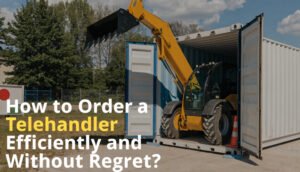
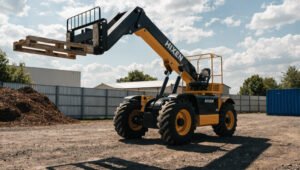
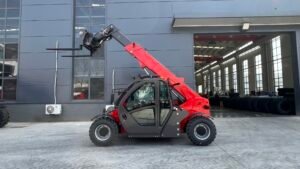
Choosing the wrong telehandler size causes delays, safety risks, and wasted budget. I have seen projects slow down because the machine could not reach or lift enough. Many buyers feel unsure when comparing options. The good news is that understanding standard telehandler sizes makes this decision much easier.
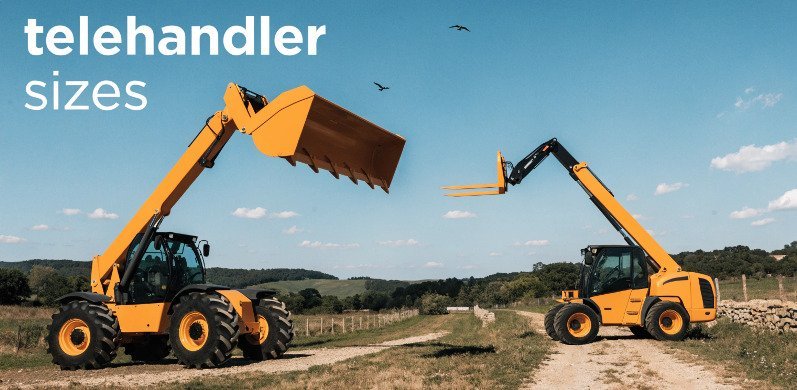
Standard telehandler sizes are grouped into compact, mid-size, and large categories based on lift height and load capacity. Compact models typically lift 4–7 meters with up to 3 tons capacity, mid-size models handle 7–14 meters and 3–5 tons, while large telehandlers exceed 14 meters and lift over 5 tons. Choosing the right size depends on your job site space, required lifting height, and load weight. For most buyers, common sizes like 7m, 10m, 14m, and 18m cover typical construction, agriculture, and industrial needs.
Now I will break down each telehandler size so you can choose the right one with confidence.
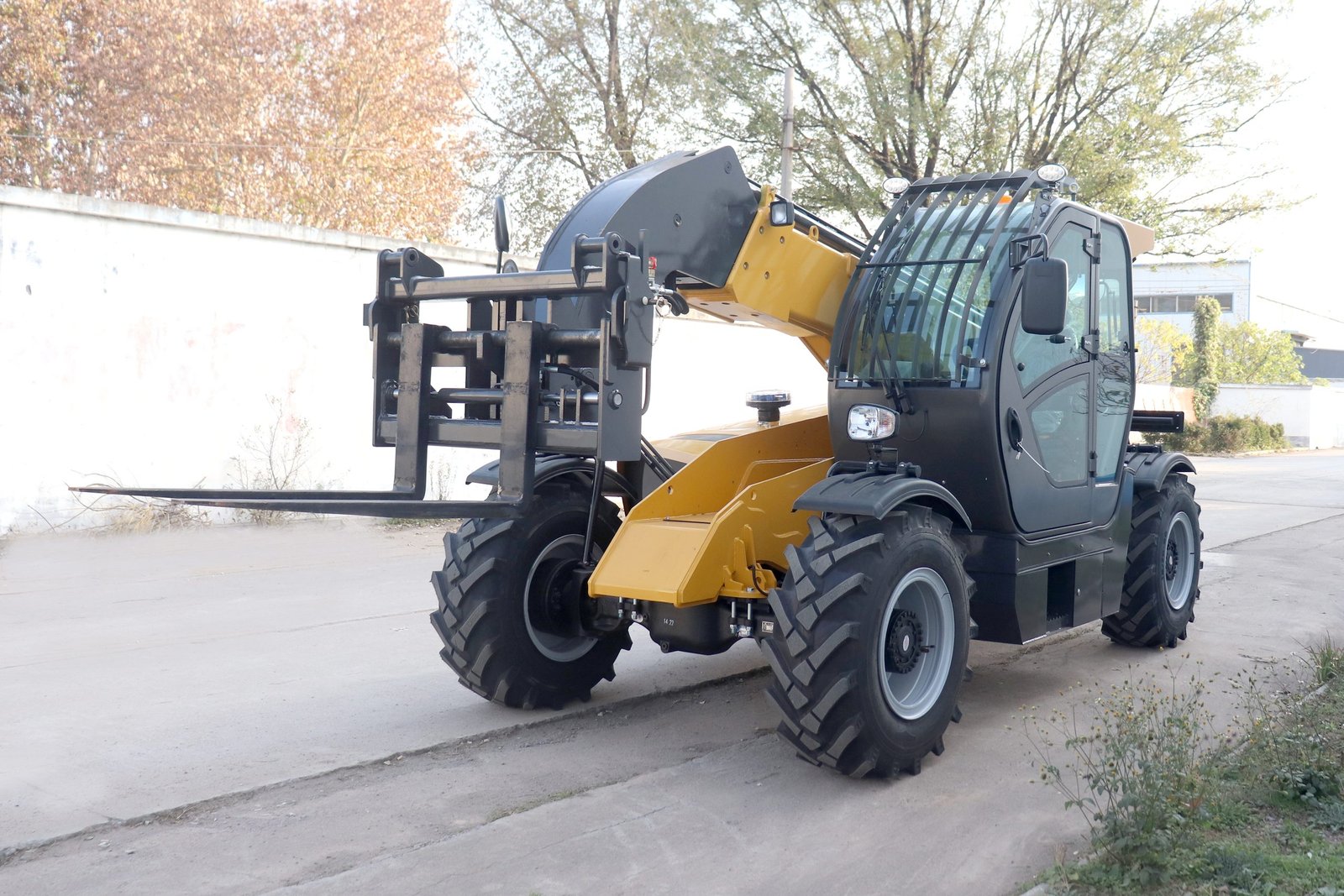
What Are the Standard Telehandler Sizes?
Standard telehandler sizes fall into three types: compact, mid-size, and large. Compact telehandler sizes usually lift 4–7 meters and carry up to 3 tons. Mid-size telehandler sizes lift 7–14 meters and carry 3–5 tons. Large telehandler sizes lift above 14 meters and carry more than 5 tons.
I use this method when I explain tamaños de manipulador telescópico to new buyers. It gives a quick and clear picture.
Simple Breakdown Table
| Tipo | Altura de elevación | Capacidad | Typical Jobs |
|---|---|---|---|
| Compacto | 4–7 m | 2–3 t | Farms, yards |
| Mid-size | 7–14 m | 3–5 t | Construcción |
| Grande | 14–18+ m | 5–6+ t | levantamiento pesado |
These are the most common tamaños de manipulador telescópico I see in the market.
Telehandler Size Chart (Height, Capacity, Width Comparison)
When I compare tamaños de manipulador telescópico, I always start with a full chart. It helps avoid confusion.
Full Comparison Table
| Categoría | Altura | Capacidad | Ancho | Peso | Usar |
|---|---|---|---|---|---|
| Compacto | 6–7 m | 2–3 t | ~2.0 m | Luz | Zonas estrechas |
| Mid-size | 10–14 m | 3–4 t | ~2.3 m | Medio | General work |
| Grande | 14–18 m | 4–6 t | ~2.5 m | Pesado | Big projects |
Real Model Mapping
| Modelo | Altura | Capacidad | Categoría |
|---|---|---|---|
| HX3007 | 7 m | 3 t | Compacto |
| HX3507 | 7 m | 3.5 t | Compact/Mid |
| HX3510 | 10 m | 3.5 t | Mid-size |
| HX4007 | 7 m | 4 t | Mid-size |
| HX4010 | 10 m | 4 t | Mid-size |
| HX4014 | 14 m | 4 t | Mid-large |
| HX4018 | 18 m | 4 t | Grande |
| HX5010 | 10 m | 5 t | Mid-large |
| HX5014 | 14 m | 5 t | Grande |
| HX5018 | 18 m | 5 t | Grande |
| HX6018 | 18 m | 6 t | De servicio pesado |
These models cover almost all common tamaños de manipulador telescópico used today.
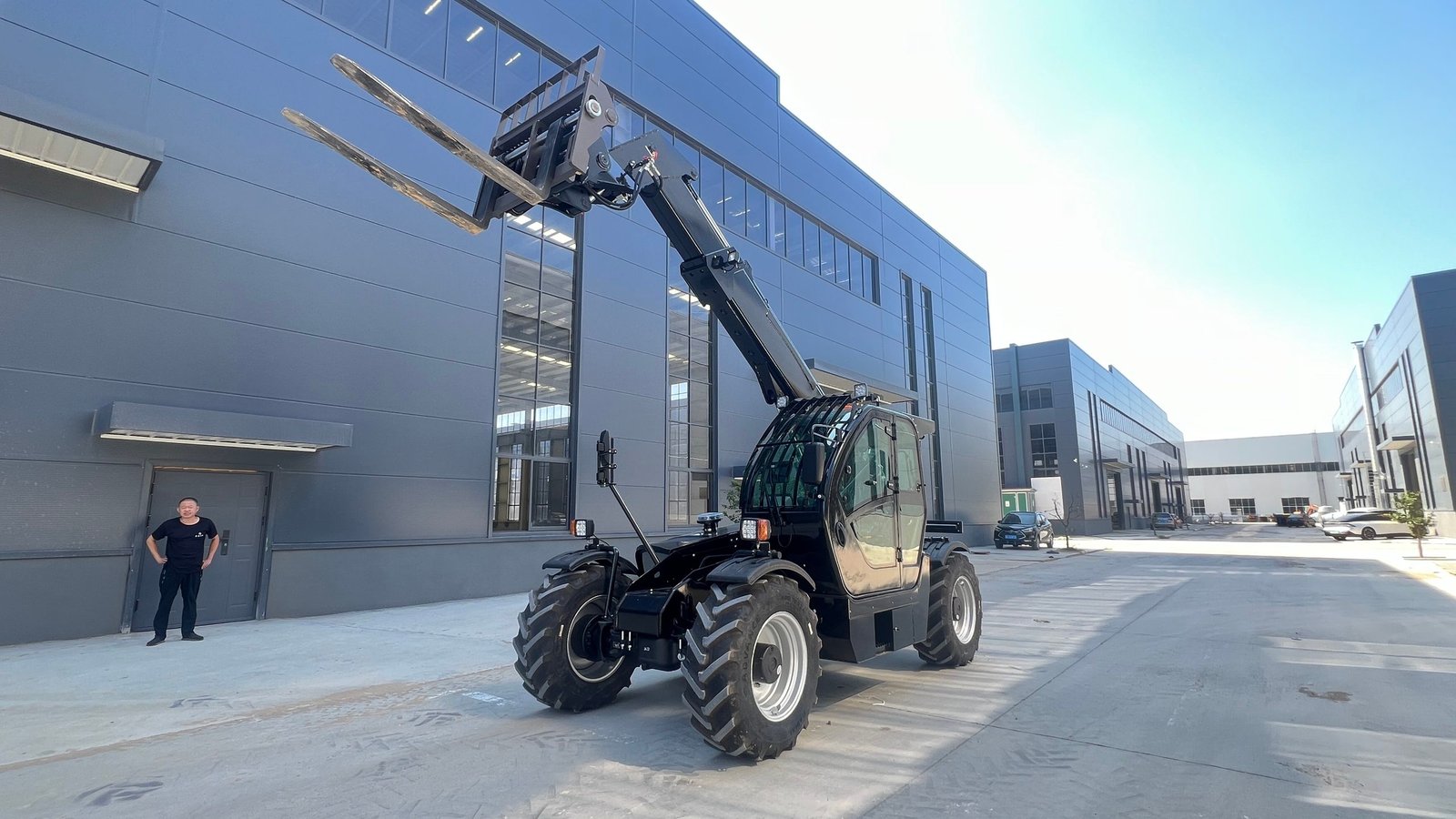
What Is the Difference Between Compact, Mid-Size, and Large Telehandlers?
I explain this part very often. Each of these tamaños de manipulador telescópico solves a different problem.
Core Difference Table
| Característica | Compacto | Mid-size | Grande |
|---|---|---|---|
| Tamaño | Pequeño | Medio | Grande |
| Fuerza | Bajo | Medio | Alto |
| Flexibilidad | Alto | Alto | Medio |
| Costo | Bajo | Medio | Alto |
Comparación de rendimiento
| Modelo | Velocidad | Estabilidad | El mejor uso |
|---|---|---|---|
| HX3007 | Rápido | Medio | Small jobs |
| HX4010 | Medio | Alto | Site work |
| HX6018 | Lento | Muy alto | Heavy jobs |
I once helped a contractor who picked a large machine too early. The site was not ready. The machine could not move easily. After switching to a mid-size option, the project improved. This shows how choosing correct tamaños de manipulador telescópico matters.
How High Can a Telehandler Lift? (By Size Category)
Height is always one of the first questions I get. I also focus on this when comparing tamaños de manipulador telescópico. I once worked with a contractor who guessed the height without checking. The machine could not reach the top floor. Work stopped for two days. Since then, I always match height with real use. I also ask about future needs. Many projects grow, so extra height can help avoid problems later.
Lift Height Range
| Size Type | Rango de altura | Uso típico |
|---|---|---|
| Compacto | Up to 7 m | Ground to low buildings |
| Mid-size | 10–14 m | Mid-rise construction |
| Grande | 14–18+ m | High lifting work |
These ranges give a quick idea of how tamaños de manipulador telescópico differ. I use this table as a starting point in most discussions.
Height vs Real Application
| Altura | What It Can Do |
|---|---|
| 6–7 m | Load trucks, farm work |
| 10 m | Reach 3–4 floors |
| 14 m | Handle most construction |
| 18 m | High-rise support |
I like to explain height in this way. Numbers alone are not always clear. When buyers see floors or real tasks, they understand faster.

Detailed Model Table
| Modelo | Altura | Floor Level | Common Job |
|---|---|---|---|
| HX3007 | 7 m | 2–3 floors | Farm, yard |
| HX3507 | 7 m | 2–3 floors | Cargando |
| HX3510 | 10 m | 3–4 floors | Edificio |
| HX4014 | 14 m | 4–5 floors | Construcción |
| HX4018 | 18 m | 5–6 floors | High lift |
| HX6018 | 18 m | Heavy duty | Industrial |
These models reflect common tamaños de manipulador telescópico used in daily work. I often recommend them because they cover most situations.
Height Selection Guide
| Job Type | Suggested Height |
|---|---|
| Farm work | 6–7 m |
| Small buildings | 10 m |
| Construcción | 14 m |
| High projects | 18 m |
When I choose between tamaños de manipulador telescópico, I always add a safety margin. If I need 10 m, I often choose 14 m. This gives more flexibility. It also helps when the job changes or becomes more complex.
Another point I often mention is ground condition. Uneven ground can reduce effective height. So even if the spec says 10 m, real use may be less. This is why I prefer slightly larger tamaños de manipulador telescópico when possible.
What Is the Lifting Capacity of Different Telehandler Sizes?
Capacity is another key factor in tamaños de manipulador telescópico. I often see buyers focus only on height. That is a mistake. I once saw a machine reach the height but fail to lift the load. That stopped the job completely. Since then, I always check load first, then height.
Capacity Overview
| Size Type | Capacidad | Typical Load |
|---|---|---|
| Compacto | 2–3 t | Materiales ligeros |
| Mid-size | 3–5 t | Pallets, bricks |
| Grande | 5–6+ t | Steel, concrete |
This table shows how tamaños de manipulador telescópico relate to lifting strength. It gives a quick reference before going deeper.
Capacity vs Job Type
| Capacidad | Job Example |
|---|---|
| 2–3 t | Farm feeding |
| 3–4 t | Site materials |
| 5–6 t | levantamiento pesado |
I often match jobs this way. It helps buyers avoid choosing too small or too large machines.
Capacity vs Reach Example
| Modelo | Max Capacity | Capacity at Full Height | Notas |
|---|---|---|---|
| HX3507 | 3.5 t | Reduced | Mid use |
| HX4014 | 4 t | Lower at 14 m | Equilibrado |
| HX5018 | 5 t | Lower at 18 m | Heavy work |
| HX6018 | 6 t | Reduced at max reach | Strongest |
This is a key rule for all tamaños de manipulador telescópico. Capacity drops when the boom extends. I always explain this clearly because many buyers overlook it.
Capacity Drop Explanation
| Factor | Effect |
|---|---|
| Higher reach | Lower capacity |
| Longer boom | Less stability |
| Heavy load | Needs lower height |
I usually give a simple example. If a machine can lift 4 tons, it may only lift 2 tons at full height. This depends on design, but the idea is the same across tamaños de manipulador telescópico.
Quick Selection Table
| Need | Suggested Capacity |
|---|---|
| Light work | 2–3 t |
| Construcción general | 3–4 t |
| levantamiento pesado | 5–6 t |
When I compare tamaños de manipulador telescópico, I always check both height and capacity together. I also ask what materials will be lifted. Weight can change from project to project. So I leave some margin.
In some cases, standard options are not enough. Then we adjust the machine. We may increase counterweight or change attachments. This is how we make sure different tamaños de manipulador telescópico truly fit the job.
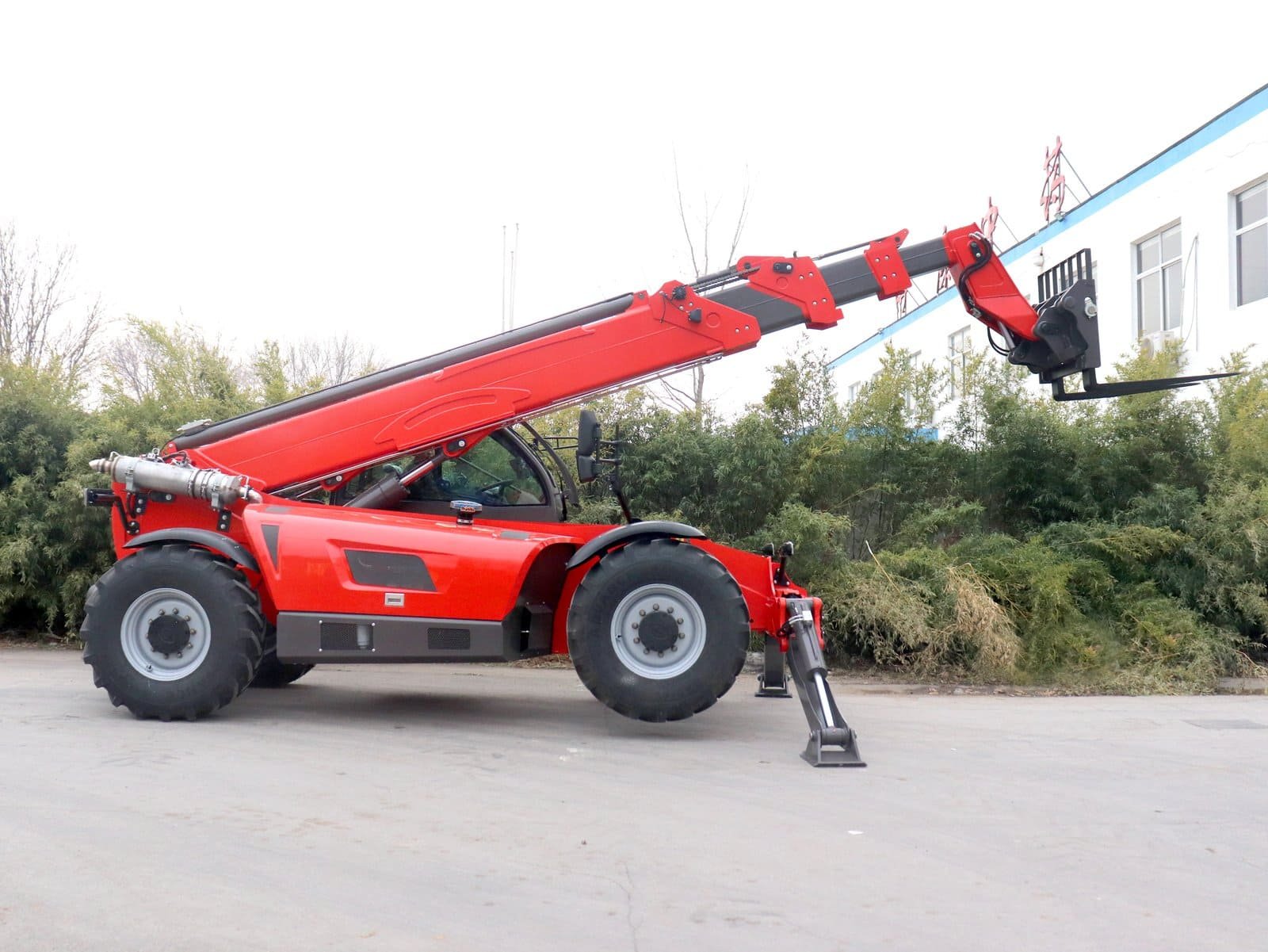
What Size Telehandler Do I Need for My Project?
I like to keep this part clear and practical. When I choose between different tamaños de manipulador telescópico, I do not start with the machine. I start with the job. I ask simple questions. What do I lift? How high? How heavy? Where do I work? I once worked with a buyer who skipped these questions. He chose based on price. The machine could not meet daily needs. He had to replace it very soon. Since then, I always focus on matching real work with the right tamaños de manipulador telescópico.
Match the Job First
I usually begin by matching the job type with common tamaños de manipulador telescópico. This step solves most confusion.
| Job Type | Height Needed | Capacity Needed | Suggested Size |
|---|---|---|---|
| Farm work | 6–7 m | 2–3 t | Compacto |
| Construcción general | 10–14 m | 3–4 t | Mid-size |
| Manipulación de materiales | 7–10 m | 3–4 t | Mid-size |
| levantamiento pesado | 14–18 m | 5–6 t | Grande |
This table reflects what I see in daily work. Most buyers fall into one of these groups when choosing tamaños de manipulador telescópico.
Check the Job Site
Next, I look at the site. This step is often missed. But it can change the final choice of tamaños de manipulador telescópico.
| Condición del sitio | What Matters | Suggested Size |
|---|---|---|
| Narrow space | Machine width | Compacto |
| Indoor work | Height limit | Compacto |
| Rough ground | Estabilidad | Mid or Large |
| Open area | No limits | Any size |
I once delivered a mid-size machine to a site with very tight access. It could not move freely. We had to switch to a smaller model. So site check is always important when selecting tamaños de manipulador telescópico.
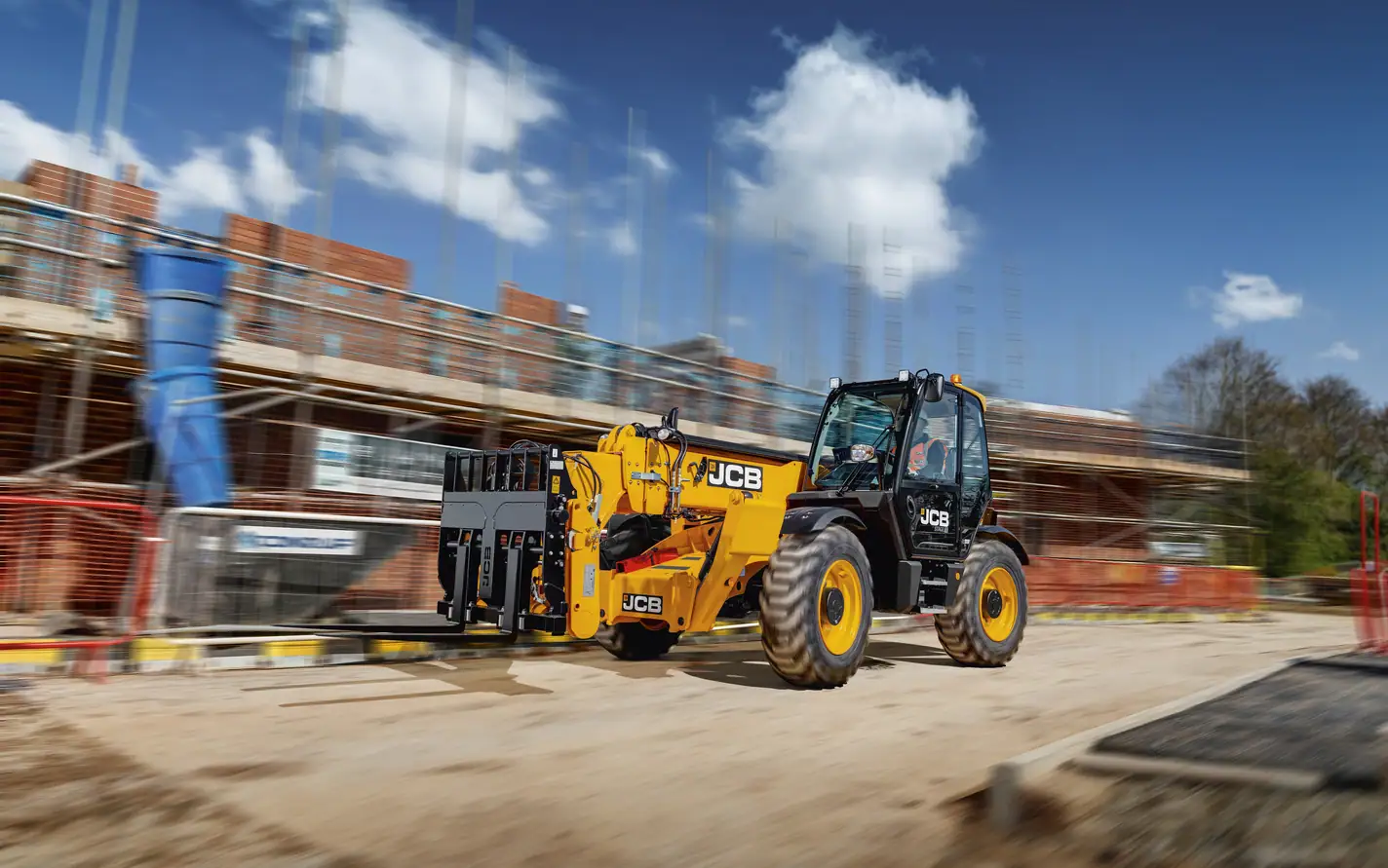
Leave Some Margin
I always suggest leaving some extra capacity. Jobs often change. A small margin helps avoid problems later when using tamaños de manipulador telescópico.
| Current Need | Suggested Choice |
|---|---|
| 7 m | Choose 10 m |
| 10 m | Choose 14 m |
| 14 m | Choose 18 m |
This simple rule works well. It gives flexibility without adding too much cost. It also improves long-term use of tamaños de manipulador telescópico.
Choose the Right Model
After that, I match the size with real models. This makes the decision more concrete.
| Size Type | Model Options |
|---|---|
| Compacto | HX3007 |
| Mid-size | HX3507, HX3510, HX4007, HX4010 |
| Grande | HX4014, HX4018, HX5014, HX5018, HX6018 |
These models represent common tamaños de manipulador telescópico that I see used across many industries.
When Standard Is Not Enough
Sometimes standard tamaños de manipulador telescópico do not fully match the job. In these cases, I suggest adjusting the machine.
| Need | Solución |
|---|---|
| Higher lift | Extend boom |
| Heavier load | Adjust counterweight |
| Special tasks | Add attachments |
I have worked on projects where small changes made a big difference. Custom options help make sure the chosen tamaños de manipulador telescópico truly fit the work.
What Dimensions Should You Check Before Buying a Telehandler?
I learned this lesson from experience. Dimensions matter a lot when choosing tamaños de manipulador telescópico.
Key Dimension Table
| Artículo | Importancia |
|---|---|
| Ancho | Site access |
| Altura | Clearance |
| Longitud | Transporte |
| Radio de giro | Movement |
Model Comparison
| Modelo | Ancho | Radio de giro | Suitability |
|---|---|---|---|
| HX3007 | Angosto | Pequeño | Tight sites |
| HX4010 | Medio | Medio | Normal sites |
| HX6018 | Ancho | Grande | Open sites |
This helps buyers understand how tamaños de manipulador telescópico affect daily work.
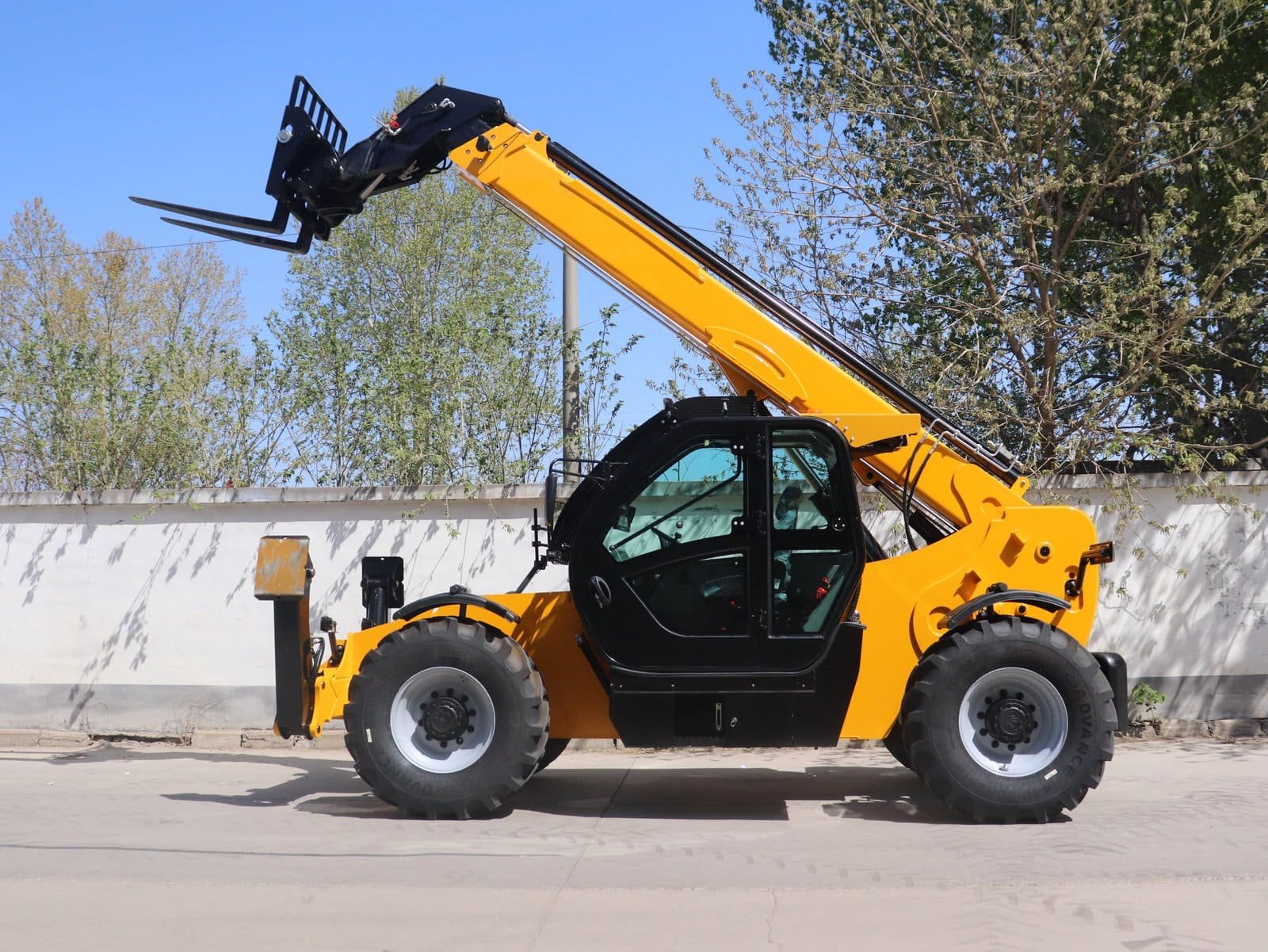
Are Compact Telehandlers Worth It?
Many buyers ask me this question when comparing different tamaños de manipulador telescópico. I understand the concern. Smaller machines look limited at first. I also had doubts when I first used compact models. But after working on farms and small job sites, I changed my view. Compact tamaños de manipulador telescópico can be very efficient when used in the right place.
I once worked with a farm owner who had very narrow paths between buildings. A large machine could not even enter the area. We chose a compact model like HX3007. It solved the problem immediately. It moved easily and handled daily work without issues. That experience showed me that smaller tamaños de manipulador telescópico are not weaker. They are just designed for different tasks.
Pros and Cons
I always explain both sides clearly when discussing compact tamaños de manipulador telescópico.
| Pros | Contras |
|---|---|
| Costo más bajo | Lower lift height |
| Easy to move | Lower capacity |
| Eficiente de combustible | Alcance limitado |
| Simple operation | Not for heavy duty |
Compacto tamaños de manipulador telescópico are easier to manage. They also reduce fuel and maintenance cost. But they are not built for high or heavy lifting.
Performance Overview
To better understand compact tamaños de manipulador telescópico, I compare them with larger machines.
| Característica | Compacto | Mid-size | Grande |
|---|---|---|---|
| Maniobrabilidad | Alto | Medio | Bajo |
| Altura de elevación | Bajo | Medio | Alto |
| Capacidad | Bajo | Medio | Alto |
| Costo | Bajo | Medio | Alto |
This table shows where compact tamaños de manipulador telescópico stand. They are strong in flexibility, not in power.
Use Case Table
I always match compact tamaños de manipulador telescópico with real scenarios.
| Situación | Fit | Razón |
|---|---|---|
| Farm work | Sí | Easy movement |
| Small sites | Sí | Fits tight areas |
| Almacenes | Sí | Good control |
| Urban projects | Sí | Space limits |
| High buildings | No | Not enough height |
| levantamiento pesado | No | Limited capacity |
This helps buyers quickly see if compact tamaños de manipulador telescópico are suitable.
Real Model Example
Here is how a typical compact model performs:
| Modelo | Altura | Capacidad | El mejor uso |
|---|---|---|---|
| HX3007 | 7 m | 3 t | Farm, yard, small site |
I have seen HX3007 used for feeding, loading, and moving materials. It performs well in daily tasks. For many users, this type of tamaños de manipulador telescópico is enough.
Cost vs Value
Cost is another reason buyers consider compact tamaños de manipulador telescópico.
| Factor | Compacto | Mid-size | Grande |
|---|---|---|---|
| Purchase cost | Bajo | Medio | Alto |
| Uso de combustible | Bajo | Medio | Alto |
| Mantenimiento | Bajo | Medio | Alto |
Compacto tamaños de manipulador telescópico offer good value when high performance is not needed. They help control budget while still getting the job done.
When to Choose Compact
I usually recommend compact tamaños de manipulador telescópico in these cases:
| Condición | Recomendación |
|---|---|
| Limited space | Choose compact |
| Light daily work | Choose compact |
| Budget is tight | Choose compact |
| No high lifting need | Choose compact |
These simple rules help avoid overbuying.
Final Tips Before Choosing a Telehandler Size
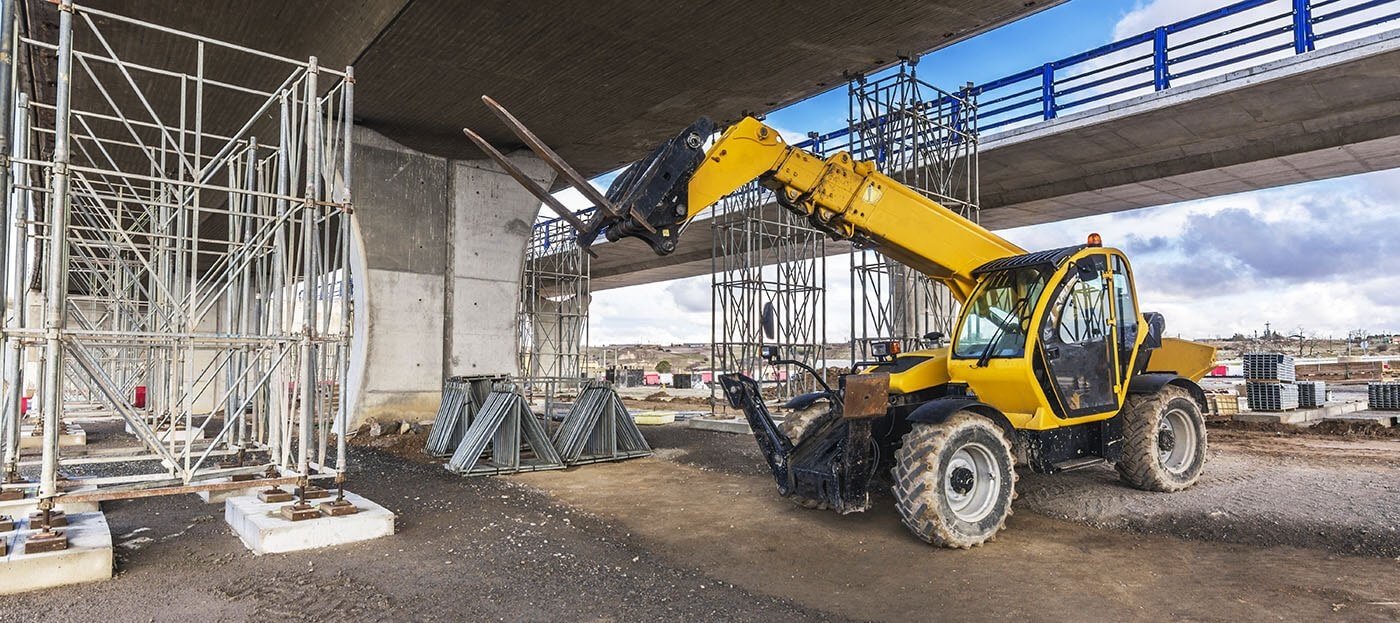
Before I choose tamaños de manipulador telescópico, I always check key factors.
Decision Table
| Factor | Pregunta |
|---|---|
| Altura | How high do you lift? |
| Load | How heavy is the load? |
| Space | Is the site narrow? |
| Uso | Daily or occasional? |
Standard vs Custom
| Opción | Beneficio |
|---|---|
| Estándar | Faster delivery |
| Custom | Better match |
We often adjust tamaños de manipulador telescópico based on real needs. For example, HX4010 or HX5014 can be modified for special tasks.
Conclusión
I have worked with many types of tamaños de manipulador telescópico over the years. I have seen good choices and bad ones. The right size improves efficiency and safety. The wrong size creates delays and cost. You should focus on height, capacity, and space. Then match them with real models. If needed, you can also choose custom solutions. This way, you get the best result for your project.
Síguenos en:YouTube.