Covered in this book will be several drills and procedures you can use to verify whether you have a bad hydraulic pump. You will learn why your hydraulic pump would go bad to help you prevent it the next time. What are the symptoms of a bad pump, and what can you do about it? Fix it yourself, save a TON of money and downtime.
Hydraulic issues in excavator Troubleshooting can lead to slow movement, erratic operation, and higher maintenance costs. Understanding common problems like leaks, pressure loss, and noisy systems is key. This guide provides solutions for inspecting and replacing hydraulic fluid, checking for leaks, flushing the system, and more. By following these tips, you can maintain your excavator’s hydraulic system for optimal performance and avoid costly repairs.
Once you understand the importance of diagnostics in your hydraulic system, let’s really dig into issues and how to ten times more effectively fix them themselves.
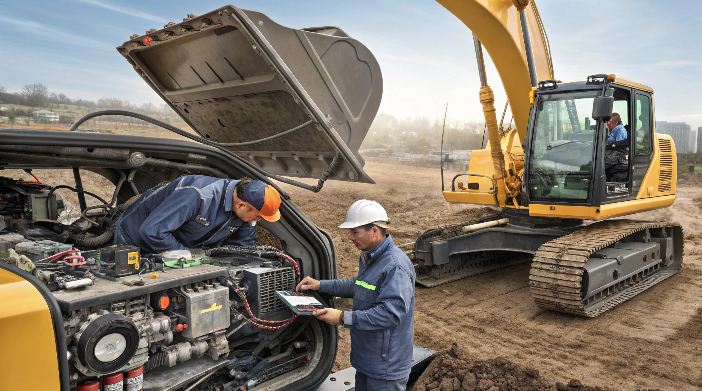
Understanding Hydraulic Systems in Excavators
Overview of Excavator Hydraulic Systems
The hydraulic system in an excavatrice consists of several key components that work together to provide the necessary power for the machine’s movements. These components include:
- Pompes hydrauliques: Deliver pressurized fluid to various parts of the excavator, enabling movement.
- Cylindres hydrauliques: Convert hydraulic pressure into mechanical force, moving the boom, arm, and bucket.
- Motors and Valves: Control fluid flow to different parts, enabling precise movement and operation.
- Hoses and Pipes: Transport hydraulic fluid throughout the system.
It is critical for excavator troubleshooting knowledge that any one of these parts can malfunction and cause hydraulic system failure.
| Composant | Role in Hydraulic System | Problèmes communs |
|---|---|---|
| Pompe hydraulique | Pumps fluid under pressure to other components. | Leaks, low pressure, or pump failure. |
| Cylindre hydraulique | Converts hydraulic pressure into mechanical force for movement. | Seal wear, internal leaks, poor movement. |
| Motor/Valve | Controls fluid direction to various components for movement. | Blockages, valve malfunctions. |
| Hoses and Pipes | Transport hydraulic fluid throughout the system. | Cracks, leaks, corrosion. |
Common Hydraulic Problems in Used Excavators
Hydraulic issues are especially common in used excavators, often due to wear and tear. Common problems include:
- Fuites hydrauliques: These occur when hoses, seals, or cylinders become damaged.
- Loss of Hydraulic Pressure: This causes slow or unresponsive movement.
- Mouvements lents ou saccadés: This happens when there’s insufficient fluid or damaged components.
- Noisy Hydraulic Systems: Often caused by air in the system or low fluid levels.
Ensure proper maintenance and timely troubleshooting to avoid these issues and maintain your excavator’s performance.
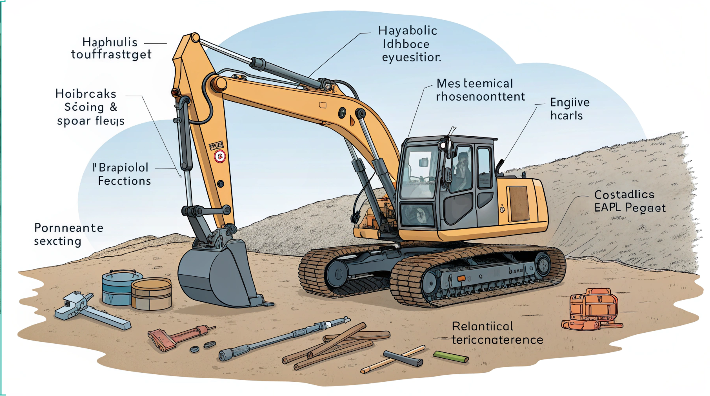
Common Hydraulic Issues and Symptoms
Fuites hydrauliques
Hydraulic fluid leaks are one of the most common things to be found wrong with used excavators. These leaks can spring out of hoses, seals, or even the hydraulic cylinder and cause the fluid level to decrease. This can lead to slower performance from your machine and decreased power. If you’re not holding as much fluid as you used to, you may have a leak.
- Visible Fluid Puddles: Fluid accumulation beneath the excavator.
- Low Fluid Levels: Drop in hydraulic fluid levels, often requiring frequent top-ups.
- Slower Movement: Hydraulic cylinders fail to lift or move as quickly as expected.
To prevent leaks, it’s important to periodically inspect fluid hoses and
seals for cracks or signs of wear.
| Leak Source | Signs of a Leak | Solutions |
|---|---|---|
| Tuyaux hydrauliques | Cracks, cuts, or visible fluid spills | Replace damaged hoses. |
| Seals (Pump or Cylinder) | Fluid around the seal area | Replace seals and reapply appropriate lubrication. |
| Cylindre hydraulique | Fluid around the cylinder | Inspect for internal damage or replace the cylinder. |
Loss of Hydraulic Pressure
When an excavatrice drops fluid pressure, that also can have an effect on an excavator’s work performance. It affects your system pressure and leaves you with an excavator that doesn’t work as hard or efficiently as it hould. Signs you’ve lost pressure include:
- Slow Operation: The excavator moves more slowly than usual.
- Jerky Movements: The excavator’s movements become erratic or uneven.
- Puissance réduite: Difficulty lifting heavy loads or performing tasks.
The reasons for a pump not producing pressure include: wrong rotation of the pump, broken or disconnected pump coupling or sheer key, gas in the system, a partially plugged intake line, or a worn out pump.
| Pressure Loss Symptoms | Potential Causes | Fixes |
|---|---|---|
| Slow or jerky movement | Clogged filters, air in the system | Replace filters, bleed the system. |
| Low power when lifting loads | Worn-out hydraulic pump, leaks in hoses | Inspect pump, repair or replace hoses. |
| Unresponsive controls | Malfunctioning valve, internal blockages | Clean or replace valves, clear blockages. |
Slow or Jerky Hydraulic Movement
Slow or jerky hydraulic movement is another common issue in excavators. This can occur due to:
- Faulty Valves: Damaged or malfunctioning valves restrict fluid flow.
- Worn-out Seals: Leaky seals in the hydraulic cylinders can cause fluid to escape, leading to insufficient pressure.
- Fluide contaminé: Contaminants such as dirt or metal shavings can clog the hydraulic lines and valves, causing movement to slow down or become erratic.
If you change your hydraulic fluid according to the manufacturer’s guidelines, and you regularly inspect your seals and valves to ensure they don’t leak, you can prevent these problems.
| Movement Issues | Causes possibles | Solution |
|---|---|---|
| Slow bucket/arm movement | Clogged hydraulic lines, faulty valves | Replace filters, clean lines, check valves. |
| Jerky movements | Air in the system, contaminated fluid | Bleed the system, flush the hydraulic fluid. |
| Uneven movement | Worn-out seals, faulty cylinders | Replace seals, inspect and repair cylinders. |
Noisy Hydraulic System
A noisy hydraulic system is often a sign of underlying issues such as air in the hydraulic lines or low fluid levels. Common sounds to watch for include:
- Whining Noises: Often caused by low hydraulic fluid or insufficient pressure.
- Grinding Noises: Can indicate worn-out parts, such as the hydraulic pump or valves.
Inspect the system for incorrect fluid levels or if air is in the system for the noise. Sometimes the pump or valve will need to be inspected if the noise persists.
| Type de bruit | Causes possibles | Fixes |
|---|---|---|
| Whining or hissing sounds | Low fluid, air in lines | Top up fluid, bleed the hydraulic system. |
| Grinding or clunking noise | Worn-out pump, damaged internal parts | Inspect and replace damaged components. |
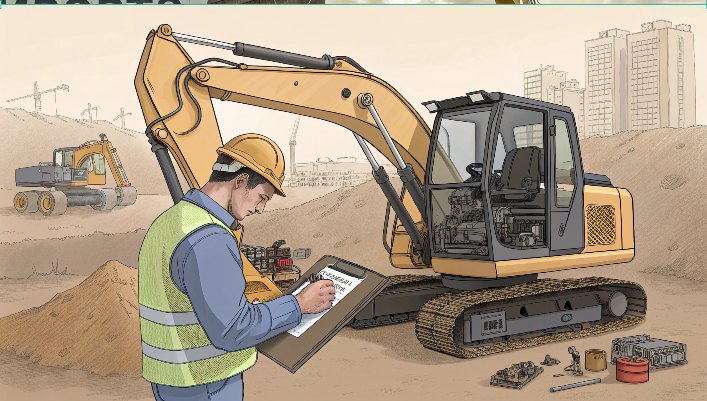
Step-by-Step Guide to Fix Hydraulic Issues in Used Excavators
Inspect and Replace Hydraulic Fluid
The first step in diagnosing your hydraulic is to check the fluid, it sounds simple, but many times low or contaminated hydraulic fluid is the reason for your problem.
| Fluid Inspection Process | Signs of Problem | Solution |
|---|---|---|
| Check fluid level | Low fluid level, dirty fluid | Top-up or replace the fluid. |
| Inspect fluid condition | Fluid is dark, foamy, or full of particles | Flush the system and replace with fresh fluid. |
| Check for leaks | Visible fluid loss from hoses or seals | Repair leaks, replace damaged parts. |
Use the hydraulic fluid type recommended by the manufacturer of the unit for best performance.
Check for Leaks
Leaks are a significant cause of hydraulic problems. To identify leaks:
- Inspect hoses for cuts, cracks, or bulging.
- Check seals around pumps and cylinders for wear.
- Look for fluid puddles underneath the excavator.
| Leak Detection Method | Signs of Leak | Solution |
|---|---|---|
| Visual inspection | Fluid on the ground or around components | Replace hoses and seals. |
| Pressure testing | Loss of pressure during operation | Test system pressure, fix damaged components. |
| Dye or UV light inspection | Hard-to-find leaks | Use UV dye to pinpoint hidden leaks. |
Flush the Hydraulic System
Flushing the hydraulic system removes contaminants that can damage internal components. Here’s how:
- Drain the fluid from the hydraulic system.
- Replace the filters to ensure clean fluid circulation.
- Refill with fresh hydraulic fluid and run the system at low pressure to flush contaminants out.
- Check for remaining debris by inspecting the fluid that comes out.
| Flushing Process | Signs That It’s Needed | Solution |
|---|---|---|
| Drain hydraulic fluid | Fluid contains dirt or debris | Flush and replace fluid. |
| Replace hydraulic filters | Clogged filters causing pressure loss | Replace old filters with new ones. |
| Refill and run the system | System performance issues persist | Refill with clean fluid and flush the system thoroughly. |
Inspect and Replace Hydraulic Filters
Block the filter outlet and build pressure to check if fluid continues to pass through the filter.
- Inspect filters regularly, especially after heavy use.
- Replace filters every 500 hours of operation or as recommended by the manufacturer.
| Filter Check Process | Signs of Clogging | Solution |
|---|---|---|
| Check for pressure drop | Slow movements or erratic behavior | Replace filters. |
| Inspect filter condition | Dirty or damaged filters | Replace with manufacturer-approved filters. |
| Regular maintenance | Fluid contamination | Maintain filters and replace when necessary. |
Popular Topics Related to Excavator Troubleshooting
How to Avoid Hydraulic Issues When Buying a Used Excavator
Before purchasing a used excavator, it’s crucial that you check the hydraulic systems carefully. Here’s what to do:
- État du fluide: Ensure it’s clean and at the correct level.
- Fuites: Inspect hoses, seals, and cylinders for leaks.
- Performance: Test the machine to ensure smooth and responsive hydraulic movements.
| Pre-Purchase Checklist | Objectif de l'inspection | Signes de problèmes |
|---|---|---|
| Inspect hydraulic fluid | Check fluid levels and cleanliness | Low fluid, dark or contaminated fluid. |
| Check hoses and seals | Look for leaks and cracks | Fluid puddles, wet areas on hoses. |
| Test operation | Ensure smooth movement of arm and boom | Jerky movements, slow response times. |
The Importance of Regular Hydraulic Maintenance
By performing regular hydraulic maintenance, you can prevent big failures and extend the life of your excavator. Key maintenance tasks include:
- Fluid Checks: Inspect fluid quality every 100-200 hours.
- Remplacement du filtre: Change filters every 500 hours of operation.
- System Inspections: Check hoses and seals every 1000 hours.
| Tâche de maintenance | Fréquence recommandée | Impact de la négligence |
|---|---|---|
| Fluid Inspection | Every 100-200 hours | Low fluid can lead to overheating and damage. |
| Remplacement du filtre | Toutes les 500 heures | Clogged filters reduce efficiency and increase wear. |
| System Inspection | Toutes les 1000 heures | Unchecked wear leads to costly breakdowns. |
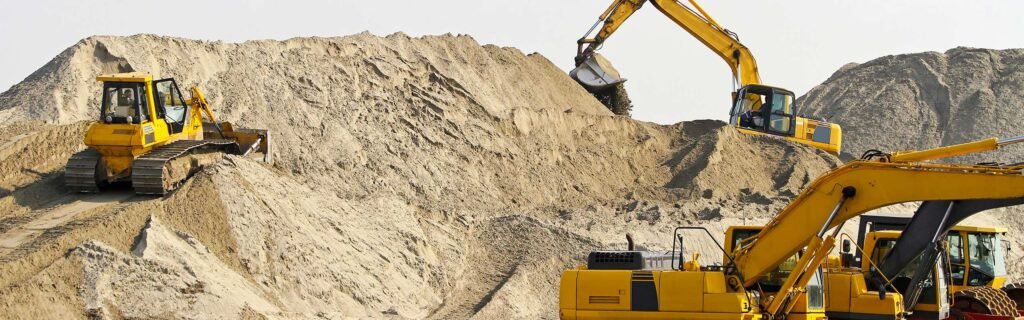
How Hydraulic Issues Impact Excavator Performance
Hydraulics can make or break your excavator. Any time it is slow to react, jerky, or unresponsive, you will have poor operation. The hydraulics slow you down to a crawl, resulting in an unhappy operator. If your hydraulic systems are not operating at 100 percent, contractor productivity will suffer.
| Problème de performances | Impact | Solution |
|---|---|---|
| Slow movement | Delays work, reduces productivity | Fix leaks, top up fluid, check pump. |
| Jerky movement | Inaccurate operation, safety hazard | Replace worn-out seals and valves. |
| Unresponsive controls | Dangerous on site, poor efficiency | Bleed the system and inspect hydraulic components. |
Conclusion
By learning and addressing the hydraulic systems, you can keep a pelle d'occasion running well for years. By performing maintenance, fixing things right away, and being proactive in your approach when assessing the excavator and fixing issues proactively, all of these things tire together.
Suivez-nous sur:Youtube.