You can save money by purchasing a used mini excavator, but how can you tell if it’s in good shape? You risk having a machine that requires more repairs than it is worth if you don’t do the proper inspections. Let’s go over the essential procedures to make sure you’re buying wisely.
When buying a used mini excavators, it’s crucial to perform a thorough inspection. Start by checking the engine, hydraulics, and overall structure. Verify the hours and maintenance history, and test the functionality of the moving parts. These steps will help you avoid hidden issues and make a confident investment.
Now that you are aware of the fundamental checks, let’s examine each step in more detail to guarantee a seamless transaction.
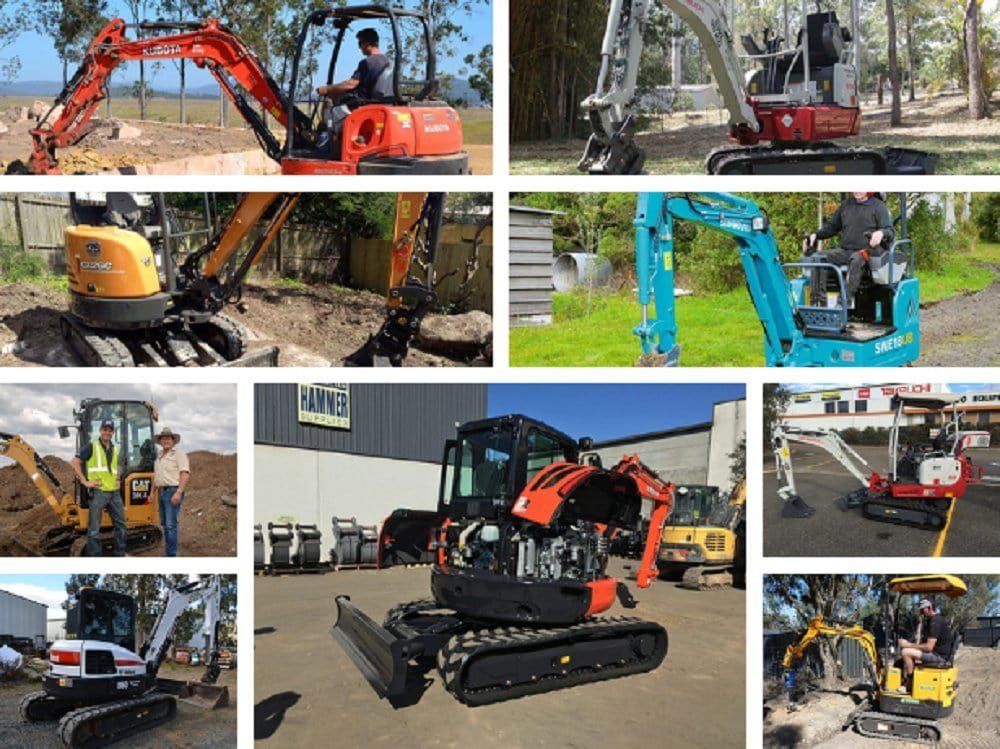
1. Visual Inspection: The First Step in Assessing a Mini excavatrice d'occasions
The visual inspection is always my first step. I’ve learned that what I see on the outside can tell me a lot about the overall condition of the machine. This step can save me from purchasing a machine that’s been poorly maintained or damaged.
1.1 Exterior Condition: Checking for Damage
When I first look at a Mini excavatrice d'occasions, I focus on the body, boom, and arm. Any dents, cracks, or rust can be a red flag. If I see signs of serious damage, I usually pass on the machine.
| Area of Inspection | Que rechercher | Pourquoi c'est important |
|---|---|---|
| Body & Structure | Rust, dents, cracks, bent frames | Rust and cracks can indicate poor maintenance or an accident. |
| Flèche et bras | Cracks, misalignment, signs of excessive wear | Misalignment could affect the function of the arm and boom. |
| Conduites hydrauliques | Leaks, cracks, fluid stains | Leaking fluid often means a hydraulic issue. |
I once looked at a Mini excavatrice d'occasions where the body was covered in rust. The owner told me it was just “surface rust,” but I knew it meant the machine had been exposed to harsh conditions. I decided not to buy it.
1.2 Undercarriage Condition
The undercarriage is another part I always check. The tracks or wheels are essential for stability. They take the most wear. If the undercarriage is in bad shape, it could be costly to fix.
| Composant | Que rechercher | Pourquoi c'est important |
|---|---|---|
| Galets de chenille | Worn-out rollers, cracks, or damage | Worn rollers can make the machine unstable. |
| Pignon | Misalignment, cracks, wear | Damaged sprockets can cause operational issues. |
| Traces | Uneven wear, cracks, excessive stretching | Worn-out tracks lead to costly replacements. |
I once bought a Mini excavatrice d'occasions with a few small cracks in the track rollers. At first, it didn’t seem like a big deal. But after a few months, I had to replace the rollers, which wasn’t cheap.
2. Understanding the Benefits of Used Mini Excavators: Engine and Mechanical Components
Next, I focus on the engine and mechanical parts. If the engine isn’t working well, the whole machine won’t function properly. I always make sure to check the engine carefully.
2.1 Inspecting the Engine
A good engine should start easily and run smoothly. I’ve learned that if the engine is struggling to start or making strange noises, it’s often a sign of bigger problems.
| Inspection Task | Pourquoi c'est important | How to Do It |
|---|---|---|
| Oil Levels | Low oil levels can cause engine damage | Check the oil dipstick for level and color. |
| Leaks Around Engine | Leaks may signal worn-out seals or gaskets | Look for wet spots or stains around the engine. |
| Bruits inhabituels | Strange noises often mean internal problems | Start the engine and listen carefully for knocking or grinding sounds. |
I once bought a Mini excavatrice d'occasions that had low oil levels. At first, it ran fine, but soon after, it started making a loud knocking sound. I had to replace the engine, which was a major cost. Now, I always check the oil level first.
2.2 Transmission and Drive System
The transmission is another key area I check. A Mini excavatrice d'occasion needs to move smoothly. If it’s jerking or not shifting correctly, that’s a sign something’s wrong.
| Zone à inspecter | Que rechercher | Pourquoi c'est important |
|---|---|---|
| Transmission Fluid | Low or dirty fluid can affect performance | Check the fluid level and condition. |
| Système d'entraînement | Jerking, grinding, or trouble moving forward/backward | Jerky movement can signal transmission issues. |
I once purchased a machine that moved fine at first, but it started jerking whenever I tried to turn it. I ended up needing to replace the transmission system, which cost a lot more than I expected.
3. Hydraulic System: A Key Indicator of the Excavator’s Performance
The hydraulic system is another area I always check. If the hydraulics aren’t working properly, the machine won’t operate well. This is one of the most important parts of a Mini excavatrice d'occasions.
3.1 Inspecting Hydraulic Hoses and Components
I always check the hydraulic hoses first. A crack or leak in a hydraulic hose can cause serious issues. I make sure to look for any signs of wear or damage.
| Composant | Que vérifier | Pourquoi c'est important |
|---|---|---|
| Tuyaux hydrauliques | Cracks, leaks, bulges | Leaks can reduce the machine’s power and lead to safety issues. |
| Cylindres hydrauliques | Smooth movement without jerking or delays | A jerking motion can indicate hydraulic failure. |
| Fluid Leaks | Any fluid stains or visible leaks | Fluid leaks often mean expensive repairs are needed. |
One time, I missed a small hydraulic leak during my inspection. After buying the Mini excavatrice d'occasions, the leak got worse, and I had to replace the hydraulic hoses. It was an expensive fix that I could have avoided with a better inspection.
3.2 Testing Hydraulic Performance
Testing the hydraulic system is also a must. I operate the boom, arm, and bucket to make sure they move smoothly. Any hesitation or jerking means trouble.
| Fonction | What to Test For | Pourquoi c'est important |
|---|---|---|
| Boom | Smooth, quick movement without hesitation | Hesitation could signal a hydraulic issue. |
| Bras | Swift and stable movement | Slow or jerky movement could mean worn-out components. |
| Seau | Quick and smooth operation | A slow bucket could mean the hydraulic system is weak. |
I’ve bought machines before that had sluggish bucket movements. It turned out to be a hydraulic problem, and fixing it was costly. So now, I always test every hydraulic function.
4. Engine Hours and Maintenance History: A Crucial Check
Checking the engine hours and maintenance history is another step I always take. A Mini excavatrice d'occasion with high hours can still be a good buy if it’s been well-maintained.
4.1 Checking the Hour Meter
I always ask for the hour meter reading. A Mini excavatrice d'occasions with higher hours doesn’t necessarily mean it’s a bad machine, but I always look at how the machine was maintained.
| Hour Meter Reading | What It Tells You | Pourquoi c'est important |
|---|---|---|
| Heures élevées | Indicates a lot of use, but can still be a good machine if well maintained | A machine with more hours may have more wear, but if maintained properly, it can still last longer. |
| Horaires bas | Can indicate underuse or poor maintenance | Machines with low hours could be neglected or unused, which might lead to hidden issues. |
I once bought a Mini excavatrice d'occasions with lower hours, thinking it was in great shape. But the lack of use actually caused some issues because the machine hadn’t been serviced regularly. Now, I focus on the maintenance history, not just the hours.
4.2 Requesting Maintenance Records
I always ask for the machine’s maintenance records. A Mini excavatrice d'occasions that has been well-maintained will last longer, even if it has more hours on the engine.
| Tâche de maintenance | Que rechercher | Pourquoi c'est important |
|---|---|---|
| Regular Service | Consistent oil changes, filter replacements, etc. | Regular maintenance means fewer breakdowns later. |
| Pièces remplacées | Make sure any major parts (engine, hydraulics) were replaced recently | Replacing parts on time means the machine will work properly for a long time. |
| Upgraded Components | Check if parts like the hydraulic pump or engine have been upgraded | Upgrades can improve the performance and longevity of the machine. |
I’ve learned that maintenance is key. If a machine has had regular service and parts replaced on time, it’s much less likely to give me trouble.
5. Test Run: Assessing Real-World Performance
Once I’ve done all the checks, I always test the machine. I want to see how it runs in real-world conditions. It’s the best way to tell if everything is working as it should.
5.1 Hydraulic Function Test
I operate the boom, arm, and bucket to check their responsiveness. I make sure all movements are smooth and quick.
| Fonction | What to Test For | Pourquoi c'est important |
|---|---|---|
| Boom | Smooth, quick movement without hesitation | Slow movement can mean hydraulic issues. |
| Bras | Fast, stable operation | Jerky or delayed movement means the system is worn out. |
| Seau | Immediate, smooth operation | Delayed or unresponsive bucket movement indicates hydraulic problems. |
5.2 Engine and Drive Performance
I also test how the machine moves. It should move smoothly in all directions without jerking or hesitating.
| Tâche | What to Test For | Pourquoi c'est important |
|---|---|---|
| Engine Test | Starts easily and runs smoothly | A healthy engine should start right away without any issues. |
| Drive Test | Moves smoothly forward, backward, and turns | The machine should move easily without any issues. |
6. Tires/Tracks: Checking for Wear and Tear
La condition du tires or tracks is another area I check carefully. Worn-out tracks or tires are costly to replace, so I make sure to inspect them closely.
6.1 Track Condition (For Tracked Excavators)
I check the tracks for wear, cracks, or stretching. Damaged tracks can be expensive to replace.
| Track Condition | Que rechercher | Pourquoi c'est important |
|---|---|---|
| Tension de la chenille | Even and properly adjusted | Tracks need to be properly adjusted for stability. |
| Tenue de piste | No cracks, tears, or damage | Worn-out tracks can cause instability and affect performance. |
6.2 Tire Condition (For Wheeled Excavators)
For wheeled Mini excavatrices, I check the tires for cracks, wear, and punctures. Tires in good condition help the machine run smoothly.
| Tire Condition | Que rechercher | Pourquoi c'est important |
|---|---|---|
| Usure des pneus | Even wear across all tires | Uneven wear can make the machine unstable. |
| Tire Damage | Cracks, punctures, or bulges | Damaged tires can be a safety hazard and expensive to replace. |
7. Consulting a Professional Mechanic
Even after all my checks, I sometimes take the machine to a mechanic for a professional inspection. They can spot issues I might have missed.
8. Conclusion: Making an Informed Purchase Decision
After going through all these steps, I can confidently say that buying a Mini excavatrice d'occasions doesn’t have to be risky. By checking the exterior, engine, hydraulic system, and other key components, you can avoid purchasing a machine that’s more trouble than it’s worth. Always take your time and inspect everything carefully.
Suivez-nous sur:Youtube.