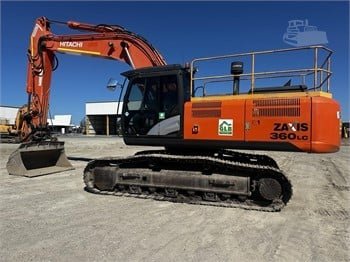
When selecting your new CAT excavator, you have likely heard all sorts of opinions. Peers may swear by their favorite brand but how do you figure out what is the best fit for your project? The wrong choice could lead to inefficiencies and increased costs, but with the right information, the choice becomes much easier.
Sélection de la droite CAT Excavators models is crucial for maximizing productivity and minimizing costs. From the compact Cat 305 to the heavy-duty CAT 395F, each model has its unique specifications, designed to cater to various excavation needs. Understanding engine power, bucket capacity, and operating weight will help you choose the perfect excavator for your job, whether it’s a small residential project or large-scale mining. This article breaks down each model’s key features, so you can make an informed decision. Keep reading to find the best fit for your project.
Now that we’ve established why the choice matters, let’s get into the specifics of each CAT Excavator modèle.
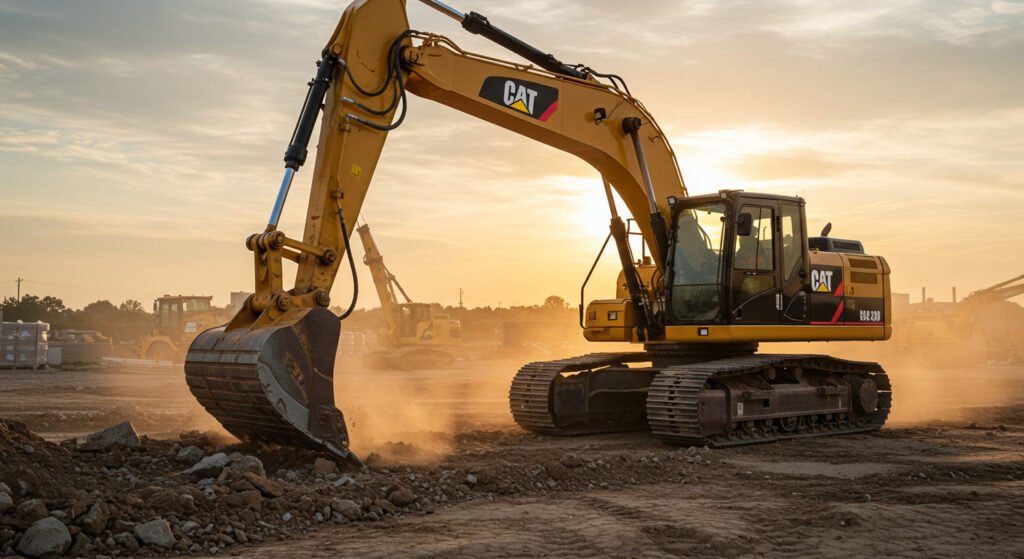
CAT Excavators Models Overview
CAT Excavators come in a wide variety of models built for different construction needs, from light residential work to heavy-duty mining and large-scale construction. Below is a comprehensive table of all the major CAT Excavators with their key specs to help you choose the right machine for your work.
| Modèle | Puissance du moteur | Capacité de seau | Poids de fonctionnement | Profondeur de creusement maximum | Meilleure utilisation |
|---|---|---|---|---|---|
| Cat 305 | 55 kW (74 hp) | 0.1 – 0.3 m³ | 5,500 kg | 4,5 mètres | Tight Spaces, Small Excavation |
| CHAT 308 | 75 kW (101 hp) | 0.3 – 0.5 m³ | 8,600 kg | 5.6 meters | Residential, Light Construction |
| Chat 320 | 110 kW (148 hp) | 1.1 – 1.4 m³ | 21 500 kg | 6,5 mètres | General Excavation, Roadwork |
| Cat 323 | 130 kW (174 ch) | 1.5 – 1.8 m³ | 23,500 kg | 7.1 meters | Demolition, Heavy Excavation |
| Cat 330 | 140 kW (187 hp) | 1.4 – 1.9 m³ | 24,500 kg | 7.3 meters | Road Construction, Material Handling |
| Cat 336 | 200 kW (268 hp) | 1.7 – 2.2 m³ | 35,000 kg | 8 meters | Mining, Heavy Construction |
| CHAT 349 | 210 kW (281 hp) | 2.0 – 2.5 m³ | 44,000 kg | 9 meters | Large Mining, Demolition |
| CAT 374 | 270 kW (362 hp) | 2.5 – 3.0 m³ | 50,000 kg | 9,5 mètres | Mining, Large Scale Excavation |
| Cat 390 | 270 kW (362 hp) | 2.5 – 3.2 m³ | 50,000 kg | 10 meters | Large Demolition, Mining |
| CAT 395 | 330 kW (442 hp) | 3.0 – 3.5 m³ | 55,000 kg | 11 meters | Super Heavy Duty, Mining |
| CAT 395F | 336 kW (450 hp) | 3.5 – 4.0 m³ | 58,000 kg | 12 meters | Mining, Extreme Depth Excavation |
Categories of CAT Excavators Models
Excavateurs de chats are categorized based on their size and application. The models are grouped into:
- Petites pelles: Used for small jobs, working in tight spaces, residential work, and anything to do with land and dirt in general
- Excavateurs moyens: With about 25years of experience and all the necessary tools and machinery to do a LARGE range of construction work.
- Big Excavators: The big boys! Heavy-duty excavators are used in the most extreme applications like mining, big construction, or massive demolition work.
Here’s a breakdown of the different categories and their associated CAT Excavator models:
| Catégorie | Model Example | Poids de fonctionnement | Mieux pour |
|---|---|---|---|
| Petites pelles | CAT 305, CAT 308 | 5,500 kg – 10,500 kg | Residential, Landscaping, Tight Spaces |
| Excavateurs moyens | CAT 320, CAT 330 | 20,000 kg – 25,000 kg | Road Construction, General Excavation |
| Grandes fouilles | CAT 336, CAT 349 | 35,000 kg – 50,000 kg | Heavy-Duty Digging, Mining, Large Projects |
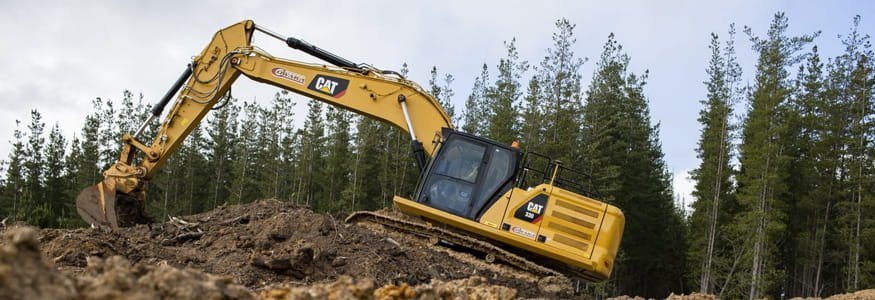
Popular CAT Excavators Models
He next three categories just describe different types of excavators you might use. A brand-new category is excavators based on their size – Compact.
CAT 320 Series
One of the most popular medium-sized excavators in the world is the Cat 320 series. It’s known for having the perfect balance between fuel economy and versatility. People who buy a 320 are usually doing residential construction, landscaping, general dirt work, and so on.
Caractéristiques clés:
| Modèle | Pouvoir | Capacité de seau | Poids de fonctionnement | Meilleure utilisation |
|---|---|---|---|---|
| Chat 320 | 110 kW (148 hp) | 1.1 – 1.4 m³ | 21 500 kg | Residential, Landscaping, Light Excavation |
CAT 330 Series
The CAT 330 usually is known for its big power and powerful engine. They also typically have the biggest bucket and the most operating weight in a size of machine that many people find beneficial. This excavator is primarily used in medium to large construction. If a customer is laying a lot of pipe, is a general contractor doing a lot of roadwork, or is in the material handling business, this is their machine.
Caractéristiques clés:
| Modèle | Pouvoir | Capacité de seau | Poids de fonctionnement | Meilleure utilisation |
|---|---|---|---|---|
| Cat 330 | 140 kW (187 hp) | 1.4 – 1.9 m³ | 24,500 kg | Road Construction, Material Handling |
CAT 336 Series
CAT 336 Excavators Big machines designed to do hard work in heavy applications. Operating weight on up to a 336 goes up fast. These machines have a long reach, a lot of digging force, and they are primarily used in the mining type industries, heavy construction, and demolition work.
Caractéristiques clés:
| Modèle | Pouvoir | Capacité de seau | Poids de fonctionnement | Meilleure utilisation |
|---|---|---|---|---|
| Cat 336 | 200 kW (268 hp) | 1.7 – 2.2 m³ | 35,000 kg | Mining, Heavy Construction, Demolition |
CAT 349 Series
You need a CAT 349 if you operate in an intense production environment where big buckets and big lifting are all in a day’s work. They are perfect for mining, heavy excavation, and heavy construction.
| Modèle | Pouvoir | Capacité de seau | Poids de fonctionnement | Meilleure utilisation |
|---|---|---|---|---|
| CHAT 349 | 210 kW (281 hp) | 2.0 – 2.5 m³ | 44,000 kg | Large Mining, Demolition, Heavy Construction |
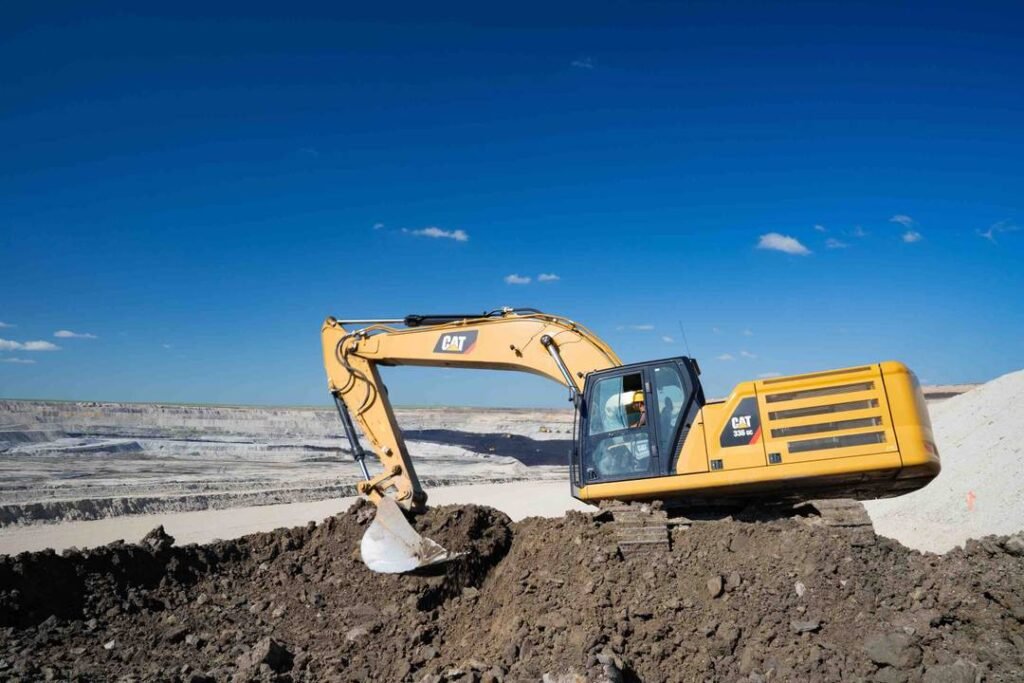
Other Notable Models
There are other CAT Excavators like the CAT 305, the CAT 308 and the CAT 345 that fill in the gaps with specialized sizes and capabilities.
| Modèle | Pouvoir | Capacité de seau | Poids de fonctionnement | Meilleure utilisation |
|---|---|---|---|---|
| Cat 305 | 55 kW (74 hp) | 0.1 – 0.3 m³ | 5,500 kg | Tight Spaces, Small Jobs |
| Cat 345 | 180 kW (241 hp) | 2.0 – 2.5 m³ | 36 000 kg | Large Demolition, Heavy Excavation |
Key Factors to Consider When Choosing the Right CAT Excavators Models
Lequel CAT Excavator is best for you? It depends on a lot of factors including the scope of your projects, the type of work you do, the terrain you’re working on, and a host of other factors. You have to consider a lot of things, including:
Taille et portée du projet
Your project’s scale plays a significant role in selecting the right model.
- Petits projets:For small residential, residential landscaping, a small excavator like the CAT 305 or the CAT 320 might be the ticket. They’re small, they’re compact, and you can move them around in a relatively tight
space. - Projets moyens:For roadwork and medium-sized construction, maybe the CAT 330 or the CAT 336 is perfect for you.
- Grands projets: If you’re doing high-production construction work, heavy-duty work, or mining, you’re going to need the CAT 349 or the CAT 336 because something big and heavy can only be moved by something big and heavy.
Type de travail
Different models cater to different types of work:
Creusement:The more you need to dig, the more likely you’re going to pick up a CAT 336 or a CAT 349. Why? Because you can reach out farther and dig deeper.
Levage: If you need to pick up heavy stuff, you’ll buy a CAT 330 because it’s got the most lift capacity.
Gradation: If you need to get down to business grading, pick up a CAT 320 because it is one of the most precise and maneuverable machines on the planet.
Terrain and Environment
Consider the type of terrain you’ll be working on:
- Espaces restreints:Got to get in and out of a really tight spot? The CAT 305 is probably your machine.
- Terrain accidenté: If you’re running over really rough ground, no pun intended. Then the bigger the machine you can afford, the better off you’re going to be. Instead of a CAT 305 in rough ground, you want a CAT 330 or a CAT 336 because they’ve got the mass and power to handle that rough terrain.
Efficacité énergétique et coûts d'exploitation
Remember fuel because that’s a big-ticket expense. Lots of those little CAT 320s out there are bought by the hour. Everything is by the hour, and they tear the mess out of them. The CAT 320 has their fuel economy mode and all that jazz built-in, so it is a very efficient machine for those long hours.
Bucket Capacity and Reach
Bucket size and reach directly impact the efficiency of excavation. The larger the bucket size, the more material can be moved with each cycle. Consequently, you will want a larger model excavator like a CAT 349 if your project requires a large bucket capacity. Smaller models like a CAT 320 are great if you need to move a moderate amount of dirt with each bucket.
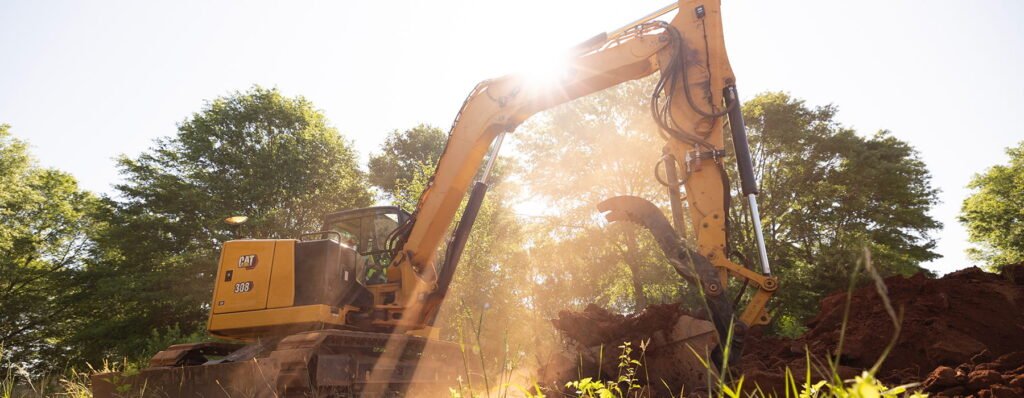
Common Mistakes to Avoid When Choosing a CAT Excavators Models
Lors de l'achat d'un CAT Excavator, avoid these common mistakes:
Overestimating Power Needs:An oversized excavator not only costs more to purchase, but also will be more expensive to operate. Make sure you match the model of the excavator to your specific project needs.
Underestimating Maintenance Costs: An oversized excavator costs more than a correctly sized one. If youDefaultCloseOperation buy an oversized excavator, it’s going cost more for fuel, insurance, and permits, whether you are paying for the insurance and permits yourself or not. Be sure to match the model to your project.
Choosing Based on Price Alone: Price is part of it, but it’s not the only thing to consider. Look at its production, look at its fuel consumption, look at its long-term costs.
Not Considering Future Needs: Finally, buying solely based on current project needs may be short-sighted if the scope of future projects or needs may change.
Conclusion
Choisir le droit Excavateurs de chats models for your project can be a challenging task, but armed with this knowledge you should be able to make a decision that can dramatically affect the efficiency and profitability of your project. Consider factors like your project size, job type, terrain, and fuel efficiency to help you make your choice. Remember CAT offers models from very small to very large, so no matter what your needs, there is a model that is right for your job. Whatever it takes to choose a CAT Excavator, make it happen.
If you need help choosing the right CAT Excavator, contact HIXEN today by clicking below to get expert advice and help choosing the model that’s right for you.
Suivez-nous sur:Youtube.