The excavator you select will determine whether your project is successful or not. Considering the variety of models available, selecting an excavator model according to its intended use is crucial for both cost and performance. This article breaks down the primary functions of excavators and aligns them with your particular construction needs to help you make an informed choice.
When selecting an excavator, understanding the function of excavator is essential. Excavators vary greatly in performance based on their hydraulic power, boom reach, bucket size, and swing capabilities. By assessing your project’s needs—whether it’s for deep digging, heavy lifting, or demolition—you can choose the right model. This guide will help you evaluate these key features and how they impact your project, ensuring you get the best machine for the job. We’ll walk you through common excavator functions and how to choose the best one for your specific construction tasks.
Let’s examine the main duties of an excavatrice and how they affect your construction project’s productivity.
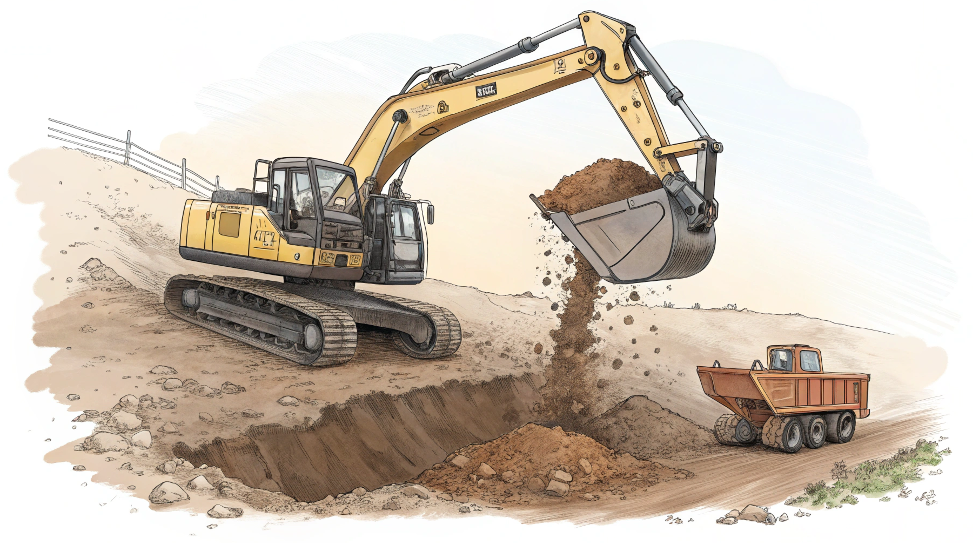
Key Functions of Excavators
Knowing how each of the many tasks that excavators are designed to accomplish will help you select the best model. Let’s examine an excavator’s main features and capabilities.
Puissance hydraulique
The performance of an excavator is primarily dependent on its hydraulic system. It drives the arm, bucket, and swing features of the machine, enabling the excavator to carry out precise and effective material handling, lifting, and digging operations.
How Hydraulic Power Impacts Excavator Functionality:
- Digging and Excavation: In difficult soil or rocky terrain, hydraulic power enables deeper and more forceful digging.
- Capacité de levage: The hydraulic system’s ability to lift large objects makes it indispensable for construction projects involving the transportation of bulky materials.
| Modèle d'excavateur | Hydraulic Power (tons) | Profondeur de fouille maximale (M) | Max Lifting Capacity (tons) |
|---|---|---|---|
| CAT 320D | 2.5 | 6.6 | 7.5 |
| Komatsu PC200-8 | 2.0 | 6.4 | 6.2 |
| Hitachi ZX330-6 | 2.3 | 7.2 | 8.0 |
These figures show how hydraulic power affects lifting capacity as well as digging depth. Make sure the hydraulic system of the excavatrice you buy meets the requirements of your particular project.
Boom, Arm, and Bucket Mechanics
The three main parts that regulate an excavator’s capacity to carry out lifting and digging operations are the boom, arm, and bucket. The length of the arm and the size of the bucket influence how much material the machine can move in a single operation, while the boom controls the excavator’s reach.
- Longueur de flèche: For jobs like trenching or foundation work, a longer boom is perfect because it enables deeper digging and greater reach.
- Arm Reach: When digging precisely, the arm’s reach is essential, particularly when working close to structures or in confined areas.
- Taille de seau: Although a larger bucket can hold more material and expedite excavation, it might not be as useful for digging in tight areas.
| Composant | Fonction | Application | Excavator Model Options |
|---|---|---|---|
| Longueur de flèche | Determines reach and digging depth | Large-scale excavation projects | CAT 320D, Komatsu PC200-8 |
| Arm Reach | Controls digging precision and distance | Urban construction or trenching | Hitachi ZX330-6, CAT 330 |
| Taille de seau | Affects material handling capacity | Quarrying, mining, heavy lifting | CAT 349, Komatsu PC300-8 |
Based on boom, arm, and bucket configurations, the table makes it easy to see how different models fit different excavation tasks.
Swing Function
What distinguishes excavators from other construction equipment is their swing function. It makes it possible for the excavator to rotate its upper body, which improves efficiency and maneuverability in tight areas.
The swing function is essential for tasks such as:
- Precision Digging: Digging in confined spaces is made easier by the excavator’s rotational capability.
- Material handling: By swinging the bucket or attachment, materials can be repositioned more effectively and with less movement.
| Modèle d'excavateur | Vitesse de swing (tr / min) | Swing Radius (m) | Meilleur cas d'utilisation |
|---|---|---|---|
| CAT 320D | 10 | 3.8 | Urban, demolition work |
| Komatsu PC200-8 | 9 | 4.0 | Foundation work, grading |
| Hitachi ZX330-6 | 11 | 4.2 | Excavation lourde |
This table’s swing function specifications highlight how crucial it is to select the ideal swing speed and radius for your construction project’s effectiveness.
Functions for Different Construction Needs
Different excavator functions are needed for different construction tasks. Depending on the kind of construction project, let’s dissect the key roles.
Excavation and Digging
Functions like digging depth and bucket capacity are crucial for extensive excavation projects. Larger buckets and deeper digging capabilities make excavators more suitable for handling rock or soil.
- Deep Digging: An excavator with a longer boom and strong hydraulic systems is required for tasks like trenching and foundations.
- Trenching: A bucket with a narrow profile and precise arm reach should be a feature of trenching excavators.
| Tâche | Required Function | Excavator Features | Modèle recommandé |
|---|---|---|---|
| Large Excavation | Deep digging and large bucket | Long boom, high hydraulic power | CAT 320D, Hitachi ZX350-6 |
| Tranchées | Precision digging and narrow bucket | Smaller bucket, compact arm reach | Komatsu PC200-8, CAT 308 |
Readers can use this table to compare the features required for various tasks and find the best excavator models for their requirements.
Lifting and Loading
Heavy loads can also be lifted with excavators. An excavator’s hydraulic power and lifting capacity determine its function in lifting. For moving bulky machinery and materials, heavy-duty excavators are perfect.
| Tâche | Required Function | Excavator Features | Modèle recommandé |
|---|---|---|---|
| Lifting Heavy Loads | Forte capacité de levage | High hydraulic power, stable tracks | CAT 349, Komatsu PC300-8 |
| Manutention des matériaux | Material repositioning | Swing function, large bucket | Hitachi ZX450-6, CAT 330 |
This table makes it simple for buyers to match tasks with the appropriate excavator models by highlighting the features required for lifting and material handling tasks.
Démolition
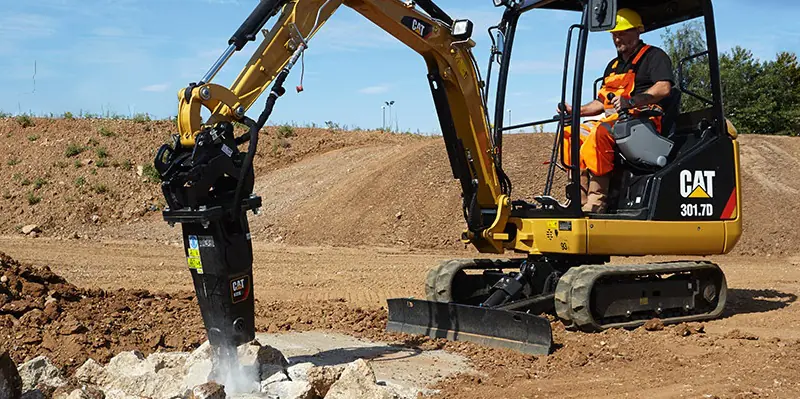
Specific attachments such as hydraulic breakers and shears greatly improve the excavator’s performance in demolition. These add-ons enable excavators to disassemble steel structures, crush concrete, and even demolish buildings.
| Tâche | Required Function | Excavator Features | Attachement recommandé |
|---|---|---|---|
| Démolition | Heavy-duty attachment and power | Hammer attachment, powerful hydraulics | Hydraulic Breaker, Shears |
By displaying which attachments and features are most appropriate for demolition work, this table streamlines the decision-making process.
Terrain and Soil Types
The soil and topography of your building site will determine which excavator is best for the job.
Rough Terrain and Stability
Because they offer superior stability and traction, crawler excavators are perfect for rough or uneven terrain. The tracks are ideal for construction sites with unstable ground because they keep the excavator from sinking into mud or soft soil.
| Type de terrain | Type d'excavateur recommandé | Function of Excavator | Meilleurs modèles |
|---|---|---|---|
| Terrain rocheux | Pelle sur chenilles | Stable movement, deep digging | CAT 330, Komatsu PC400-8 |
| Soft Soil/Mud | Pelle sur chenilles | Better traction, stability | Hitachi ZX450-6, CAT 349 |
Le best excavator models for various terrain types are explained in this table, which makes it easier to choose equipment based on soil conditions.
Urban and Tight Spaces
Mini or compact excavators are the ideal option for working in confined spaces or in urban areas. For jobs like digging and material handling, these machines are made to be compact while still providing strong performance.
| Construction Type | Type d'excavateur | Key Function | Modèles recommandés |
|---|---|---|---|
| Construction urbaine | Mini excavateur | Small footprint, precise work | CAT 305.5, Hitachi ZX130 |
| Aménagement paysager | Excavateur compact | Maneuverability, versatile function | Komatsu PC88MR-10, LiuGong 855H |
A clear comparison of models appropriate for urban projects and confined spaces is given in the table.
How to Choose the Right Excavator Based on Its Function
Knowing your unique construction requirements is the first step in selecting the best excavator. You can assess and choose the best machine based on its features by following these steps.
Assessing Project Requirements
Consider the following factors:
- Depth of Excavation: Select a model whose boom length is suitable for deep excavation.
- Capacité de levage: Make sure the excavator you choose can manage the weight of the materials you need to move.
- Type de terrain : Whether the terrain is rugged or urban, make sure the excavator’s mobility is appropriate.
Brand and Model Evaluation
Depending on the purpose of the machine, different brands offer different capabilities. Examine the choices offered by reputable companies such as Hitachi, Komatsu, and CAT to determine which one best suits your project requirements.
Cost vs. Functionality
Making the most of your investment when choosing an excavator requires striking a balance between price and functionality. High-end excavators with sophisticated features might cost more, but over time, they frequently provide greater productivity, reduced maintenance costs, and better fuel efficiency. For example, newer models with hydraulic systems that are more efficient may cost a little more up front, but they will save you money over time because they use less fuel and last longer.
Conclusion
When choosing the appropriate model for your construction project, it is essential to comprehend how an excavator works. The success of your project can be greatly impacted by the machine you choose, whether you’re working in confined spaces, handling heavy materials, or excavating large foundations. An excavatrice that maximizes efficiency, safety, and cost-effectiveness can be purchased by carefully assessing the particular requirements of your project, including digging depth, lifting capacity, and terrain conditions.
Appel à l'action
Do you need assistance choosing the best excavator for your project? For professional guidance and help selecting the ideal model for your particular construction requirements, get in touch with us right now. Discover our extensive selection of top-notch used excavators and begin your project with the appropriate tools!
Suivez-nous sur:Youtube.