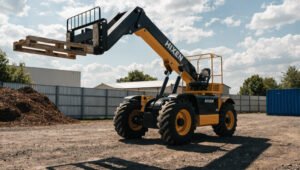
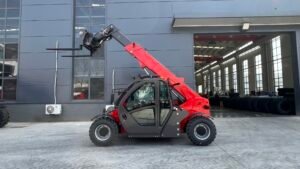
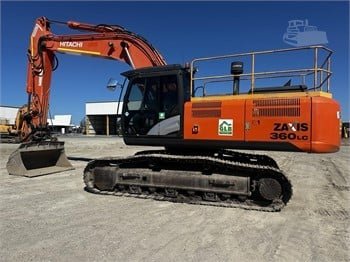
Are your excavator operators expensive? Are they stable? Autonomous excavators are a disruptive technology on construction sites. These excavators require minimal human input, reducing labor costs and improving safety. It’s time to rethink your excavation methods.
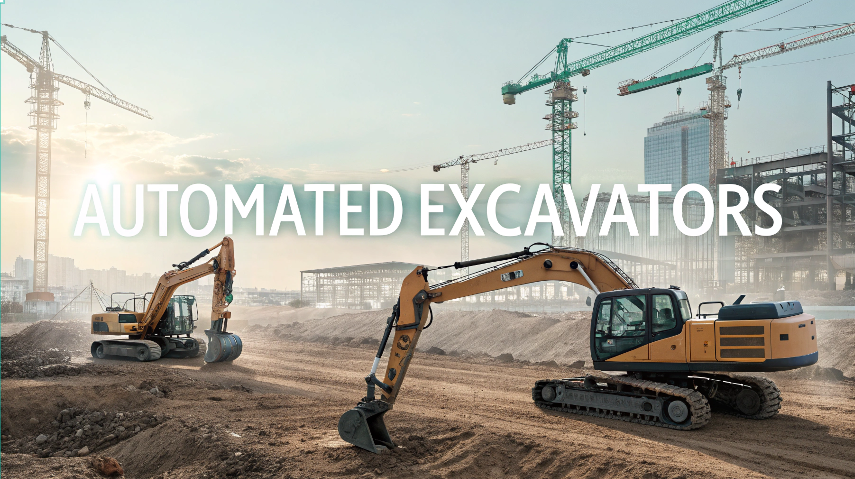
Automated excavators use cutting-edge technology like AI, GPS, and sensors to perform tasks like digging, grading, and trenching with minimal human intervention. This not only speeds up work but also reduces human error, cuts labor costs, and enhances site safety. By investing in automation, you can meet tight deadlines, save on operational costs, and increase project efficiency. If you’re looking to future-proof your construction business, automated excavators offer a clear solution.
Let’s dive deeper into how these machines work and the many benefits they bring to your construction projects.
I. Introduction
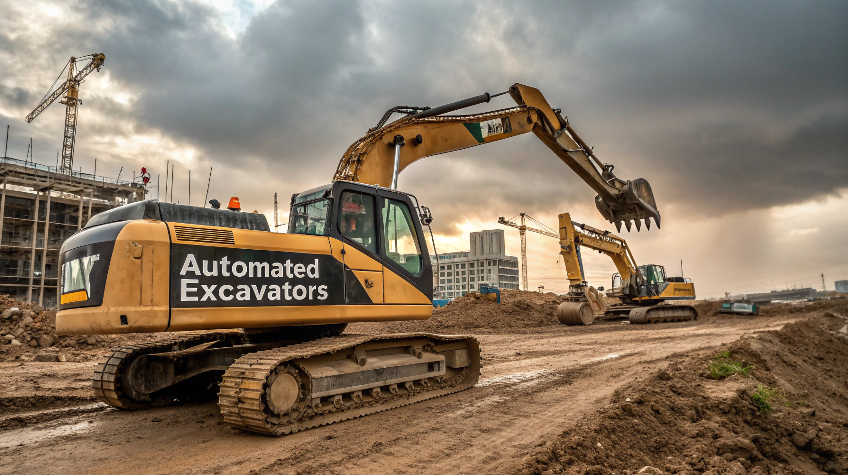
I’ve seen how the construction industry has changed over the years. When I first started in the field, everything was done by hand or with manual machines. Today, things are different. Automated excavators are now a big part of construction sites. These machines can do the work with little or no human help. They use technology like AI, GPS, et sensors to dig, grade, and perform other tasks on their own. In my experience, these machines make work faster, safer, and more cost-effective.
Why Automated Excavators Matter
Automation in construction helps solve big problems. For one, we all know how hard it can be to find skilled workers. Plus, projects need to be done faster and cheaper. Automated excavators make all of this possible. They reduce human errors, help workers focus on other tasks, and increase the overall efficiency of a project.
II. What Makes an Excavator Automated?
Key Components of an Automated Excavator
I’ve worked with a few automated machines, and I can tell you that they work because of a few key parts. Here’s a quick look at what makes these machines tick:
| Composant | Description | Role in Automation |
|---|---|---|
| Capteurs | These detect obstacles and soil conditions. | They help the machine adjust in real-time to the environment. |
| GPS Technology | Provides the exact location of the machine. | Keeps the machine digging exactly where it needs to. |
| AI and Machine Learning | These systems “learn” from the machine’s tasks. | They make the machine smarter, improving its performance over time. |
| Connectivity (IoT) | Allows the machine to communicate with remote systems. | Helps monitor the machine’s health and tasks. |
Each of these parts works together to allow the machine to operate with little input from human operators. I’ve seen machines adjust their digging paths without anyone touching the controls.
Differences Between Manual and Automated Excavators
When I first saw an automated excavatrice, it was hard to believe how much it could do without a human in control. Here’s a comparison between the old way of doing things and how automated systems work:
| Traditional Excavator | Automated Excavator | Différences clés |
|---|---|---|
| The operator controls every movement. | The machine moves itself with minimal help. | You don’t have to touch the controls much. The machine does it itself. |
| The operator sets things like depth and angle manually. | The machine adjusts based on sensors and data. | The machine can work more accurately and faster. |
| The operator watches over the job and makes changes as needed. | The machine can make real-time adjustments without help. | Less chance for mistakes when the machine runs itself. |
III. How Do Automated Excavators Work?
Now that you know what makes them tick, let’s dive into how automated excavators do their job on-site.
Operating System and Software
I’ve spent time looking at the software behind these machines. It’s like the brain of the excavator. It processes data from sensors and GPS and tells the machine what to do. The software adjusts things like depth, position, and speed without the need for an operator to make manual changes. It’s like having a robot that’s always paying attention and can fix itself if something goes wrong.
| Software Component | Fonction | Impact on Operations |
|---|---|---|
| Real-Time Data Processing | This handles data from the machine’s sensors. | It makes sure the machine stays on track without human help. |
| AI Algorithms | AI helps the machine learn from its tasks. | The more the machine works, the better it gets. |
| Remote Monitoring Interface | Allows monitoring of the machine’s work remotely. | Makes it easy to track performance and fix issues before they become problems. |
Automation in Action: Steps of an Excavation Task
Here’s what happens when the machine actually starts working:
| Excavation Phase | Automated Excavator Action | Avantage |
|---|---|---|
| Pre-Excavation Setup | The machine scans the job site and sets up the plan. | It ensures everything is ready before digging starts. |
| Excavation | The machine digs based on its preset instructions. | It works fast and accurately, adjusting automatically. |
| Continuous Monitoring | The machine keeps an eye on its own progress. | It corrects any issues as they come up. |
| Post-Excavation | The machine moves the material to the right place. | It makes sure the job is done without extra steps. |

IV. Benefits of Using an Automated Excavator
Increased Efficiency and Productivity
From my experience, automated excavators speed things up. When the machine works without stopping to rest, it gets the job done faster. There’s no waiting around for the operator to make manual adjustments, so everything flows more smoothly.
| Avantage | Impact on Construction |
|---|---|
| Faster Task Completion | It doesn’t need breaks, which helps finish jobs quicker. |
| Reduced Downtime | The machine can run for longer hours, cutting down on delays. |
| Amélioration du flux de travail | Machines can perform different tasks without needing to stop. |
I’ve seen construction sites that get a lot more done in a shorter time with automated excavators.
Cost Savings and Reduced Labor Needs
The savings can be huge. Fewer workers are needed on-site. The automated system handles most of the tasks, which means fewer accidents, mistakes, and even fuel usage. Even though the initial cost is high, over time, the machine pays for itself.
| Facteur de coût | Savings from Automation |
|---|---|
| Coûts de main-d'œuvre | Fewer workers means lower payroll. |
| Efficacité énergétique | The machine uses fuel more efficiently, lowering overall costs. |
| Frais de maintenance | The machine is smarter about maintenance, catching issues early. |
Improved Safety and Precision
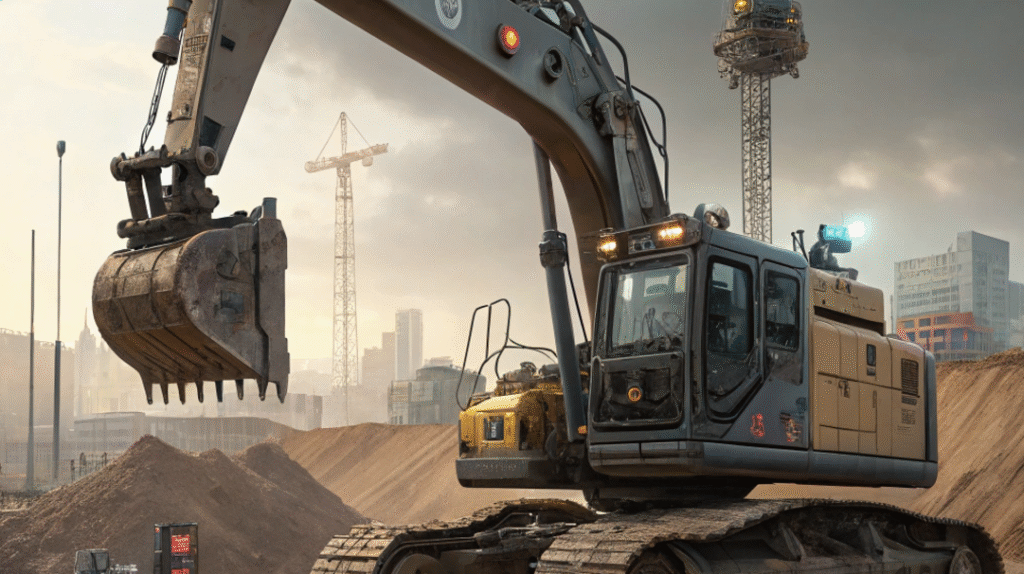
I can tell you from firsthand experience that automated machines are safer. They work in places where it would be dangerous for humans to go. Plus, the machine doesn’t get tired, so the chances of errors are lower.
| Safety Aspect | Impact on Job Site Safety |
|---|---|
| Reduced Risk of Human Error | Fewer accidents caused by tired or distracted workers. |
| Safer Working Conditions | The machine works in hazardous areas, keeping workers out of danger. |
| Enhanced Precision | The machine works with perfect precision, so mistakes are rare. |
V. Challenges of Automated Excavators
High Initial Investment
Yes, automated excavators are expensive at first. But from what I’ve seen, they pay off in the long run. I know the upfront cost can scare people away, but when you factor in the savings from reduced labor and better fuel efficiency, they’re worth it.
| Facteur de coût | Initial Investment vs. Long-Term Savings |
|---|---|
| Upfront Costs | You’ll need to spend more upfront. |
| Économies à long terme | The savings from fewer workers and less fuel make it a good investment. |
Training and Adaptation
I remember when I first worked with automated machines. It was a bit confusing. But with training, it’s easy to get the hang of it. Operators need to learn how to handle these machines, but with some practice, they get used to it.
| Défi | Solution |
|---|---|
| Formation de l'opérateur | Many manufacturers offer training programs to help operators. |
| System Familiarization | Training makes the transition smoother and quicker. |
Limited Availability in Certain Regions
In some places, automated excavators are still rare. They’re more common in developed countries, but as technology improves, they’ll be more accessible to everyone.
| Région | Availability of Automated Excavators |
|---|---|
| Developed Countries | You can find them everywhere in places like North America. |
| Emerging Markets | They’re harder to find in places where the technology is still catching up. |
VI. Future of Automated Excavators in the Construction Industry
Avancées technologiques
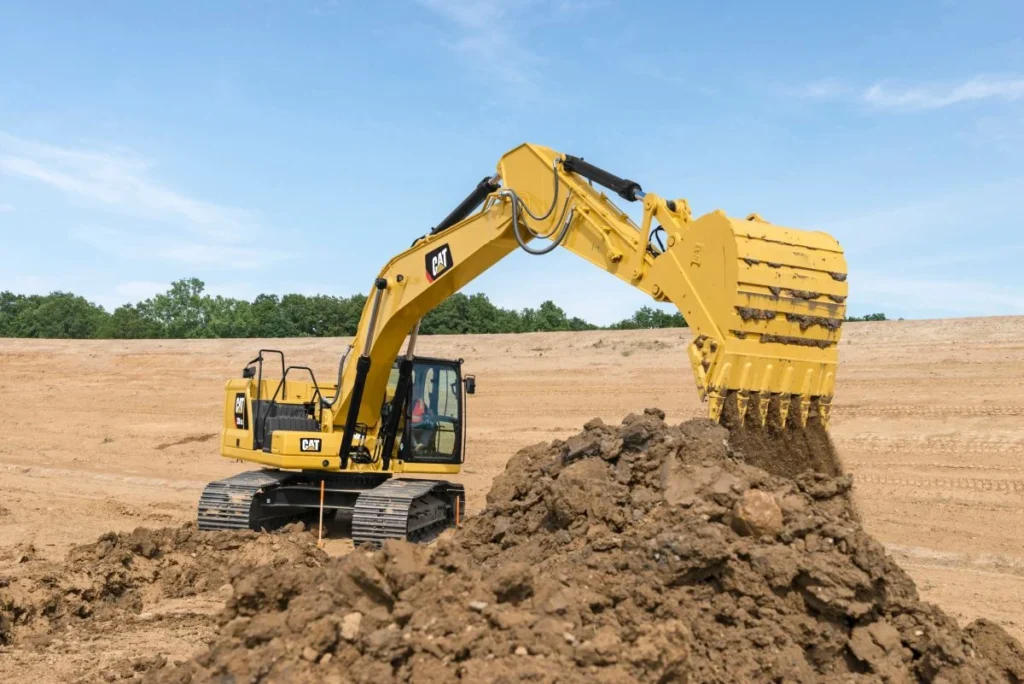
In the future, automated excavators will only get better. I’m excited to see how they’ll learn more from every task and get even smarter. Imagine machines that communicate with each other and work together to get the job done.
| Technologie | Future Impact on Excavators |
|---|---|
| AI and Machine Learning | Machines will keep getting smarter, learning from every job. |
| IoT Connectivity | Machines will work together and share information, making the job faster. |
| Self-Diagnosing Systems | Excavators will know when something’s wrong and fix it before it becomes a big problem. |
Global Adoption Trends
More and more places are using automated excavators. As prices go down and more people see the benefits, these machines will become the norm in construction, no matter where you are.
| Région | Adoption Trends |
|---|---|
| Developed Regions | They’re already very popular in places like North America and Europe. |
| Emerging Markets | Slowly, these machines are starting to appear in developing countries. |
VII. Conclusion
Automated excavators are here to stay. They help with everything from digging to grading, and they do it faster, safer, and more accurately than ever before. The initial cost might be high, but the long-term benefits—like saving money and time—are huge. As the technology keeps improving, these machines will play an even bigger role in shaping the future of construction.
If you’re thinking about investing in one, I’d say it’s a smart move. These machines are the future of the industry.
Suivez-nous sur:Youtube.