Is the structure of an excavator in question? The structure of your excavator is what the strength, stability, and primarily the efficiency of an excavator rely on. Purpose Rural Folks Strong efficient machines. This article will tell you all about the structure@authoritative dictionary of an excavator. The purpose is for you to know what your Structure 199 excavator needs either to be new or rebuilt.
Le structure des pelles consists of several key components, including the châssis, upper structure, boom, arm, seau, et système hydraulique. Each part plays a crucial role in ensuring the machine operates efficiently. Whether you’re buying new or used, understanding the structure des pelles helps you make informed decisions that improve performance, extend lifespan, and reduce maintenance costs.
Now that we’ve covered the basic structure of une excavatrice, let’s dive into the details of each component and how it impacts your performance.
What is an Excavator Structure?
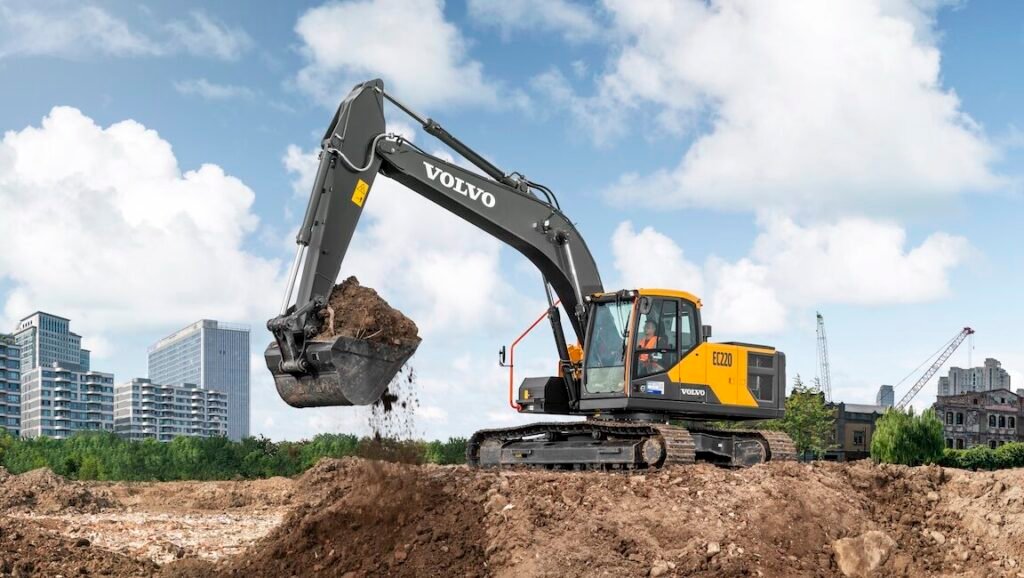
The structure of une excavatrice is defined as the organized framework of the machine that provides support for all of the working components. This includes: the undercarriage, upper structure (superstructure), boom, stick, bucket, and hydraulic system. This structure gives the machine the
strength, stability, and mobility it needs to perform the tasks at which it is designed to excel–digging, lifting, working with various work tools; strong enough to use rippers, tampers, compactors, and a hundred other things to handle material and work with one machine.
The structure of an excavator is a key element that makes all work possible on a machine. A well-designed structure is the key to a machine’s working efficiency. It is also the key to the machine’s life, service costs, and even its resale value. We’ll discuss the key components that make up this
structure in following sections.
Main Components of the Excavator Structure
Châssis
The most crucial part is the undercarriage itself, which provides a machine’s tracking and stability and carry the weight of the machine. Maintained well, it also is a great contributor to the machine’s long-term durability and a place to save money on upkeep costs.
| Composant | Fonction | Materials Used | Conseils d'entretien |
|---|---|---|---|
| Traces | Provides mobility and stability | Steel, rubber | Regularly inspect for wear |
| Rouleaux | Ensures smooth movement of tracks | Acier | Lubricate rollers regularly |
| Pignon | Drives the track system | Steel, alloy metals | Check for wear and replace as needed |
- Tracks: Tracks are the most important part of the undercarriage. They provide traction, which is what allows the machine to remain stable while performing heavy work.
- Rollers: Rollers carry the track and keep it rolling smoothly and with low friction to enable the machine to operate efficiently over various ground surfaces.
- Pignon: Drive sprockets are located at each end of the undercarriage and are responsible for moving the tracks round. Worn drive sprockets mean the track no longer fits and drives well over the sprocket. Poor sprockets can make the machine twist when ridden.
Upper Structure
The front end contains the lifting structure (engine, hydraulics, and often the fuel) with all of its counterweights, the cab, and related equipment to operate the excavatrice. The only things not in the upper structure are the work tools themselves. How you build this part of the machine is critical to the machine’s overall performance, especially in terms of its lifting capacity, the stability (balance), and the operator’s ability to work comfortably and safely all day long.
| Composant | Fonction | Materials Used | Conseils d'entretien |
|---|---|---|---|
| Cabine | Provides operator comfort and safety | Steel, glass, plastic | Keep the cabin clean and ensure proper ventilation |
| Moteur | Powers hydraulic and movement systems | Steel, alloy metals | Regular engine checks, change fluids as recommended |
| Système hydraulique | Powers the boom, arm, and bucket movements | Steel, rubber tubing | Inspect for leaks, replace hoses periodically |
| Counterweights | Balances the excavator’s load | Steel, cast iron | Ensure no cracks or damage, check stability |
- Cab: The operator spends most of the time in the cab. A well-designed cab provides comfort and safety. Comfort features include air, ergonomic seats, and good visibility. Keeping the cab clean goes a long way in keeping the operator safe.
- Engine:The engine is the heart of the excavator. It provides power to operate the hydraulic system, which provides the horsepower to power your attachments. Change the oil and keep it full. Change the engine coolant regularly to keep the pump cool and the machine running cool and powerful, like it was designed to.
- Hydraulic System: The hydraulic system powers everything. Keeping an eye out for leaks is critical to your wallet and your efficiency. As soon as you see a leak, replace the hose before it fails on you. That way you won’t have to replace the oil and can keep making money while you get the leak fixed.
- Counterweights: Counterweights balance the machine when you make heavy lifts or digs. The proper counterweight allows you to make big digs and big lifts and keep the machine stable while doing it.

Boom
The boom is the stick that extends out from the upper structure and sticks out over the front, or the back, or one side of the machine. It is the MOST critical piece of the machine. It is what gives the machine the ability to dig a big hole, lift something up in the air, or hold something out at the end of the stick.
| Composant | Fonction | Materials Used | Conseils d'entretien |
|---|---|---|---|
| Boom | Extends for digging and lifting | High-strength steel | Inspect for cracks or bending, especially after heavy lifting |
- Boom Functionality: The boom is designed to withstand high stress and is subjected to high torsional loads while digging and lifting. Constructed from high-strength steel, it is created to handle heavy workloads.
- Wear and Tear: Over time, the boom can develop wear, cracks, or experience bending stress due to the nature of the work it performs. Periodically inspect the boom for any cracks or bending as it is one of the primary structural components of the excavator structure.
Arm and Bucket
The arm and bucket work together with the boom to do all of the digging, lifting, and material handling. They are the “work” part of the excavator and are typically made from heavy, durable materials to withstand the harsh operating environment.
| Composant | Fonction | Materials Used | Conseils d'entretien |
|---|---|---|---|
| Bras | Provides movement and reach | High-strength steel | Check for bending or cracks |
| Seau | Used for digging and material handling | Steel, alloy metals | Regularly check for damage, replace teeth as needed |
- Bras: The arm of the machine is what provides the distance (or reach) for the bucket to dig. The strength and design of the arm (and its main boom, stick, and bucket cylinders) are what make the machine move dirt effectively.
- Seau:The bucket is what you use to scoop and carry dirt. Buckets come in various sizes and designs, depending on what you’re digging. Keep an eye on it to make sure it’s not torn up and still scoops well.
Système hydraulique
The hydraulic system is made up of the most powerful and essential parts of the machine. It’s the system that drives the boom, arm, and bucket. It does this with hydraulic fluid that moves under high pressure through the lines and causes all the movements without engaging a clutch or a stick shift.
| Composant | Fonction | Materials Used | Conseils d'entretien |
|---|---|---|---|
| Pompe hydraulique | Powers the hydraulic functions | Steel, rubber tubing | Check for fluid levels regularly, inspect for leaks |
| Cylindres hydrauliques | Provide lifting and digging force | Steel, alloy metals | Regular inspection for leaks, replace seals when necessary |
- Hydraulic Pump: A hydraulic pump takes the power from the engine and converts it into hydraulic energy, which moves everything on the excavator. Regular checks are essential to make sure the pump is working so it doesn’t cause the reason we end up home late: a hydraulic failure.
- Hydraulic Cylinders: Cylinder. The hydraulic cylinder is what does the lifting and moving. It takes the hydraulic pressure and uses it to move the boom, the arm, the bucket – whatever you’re forcing to move. We check the cylinder for leaks, change the seals, so it doesn’t leak and is fresh, so it works well when we hit the controls.
Swing System
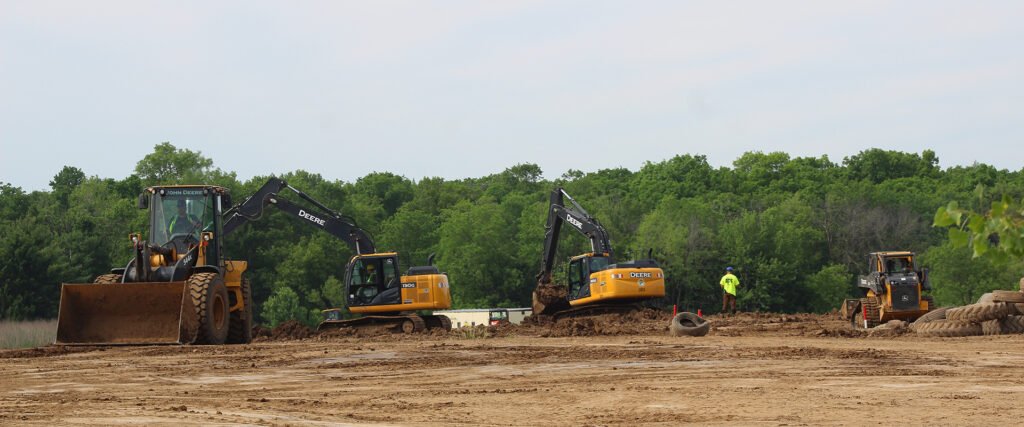
The swing system makes the cab and all the counterweight rotate 360 degrees. One of the biggest advantages of an excavator is the ability to work and revolve in a tight area, so it is great for doing jobs where precise positioning is required.
| Composant | Fonction | Materials Used | Conseils d'entretien |
|---|---|---|---|
| Moteur de rotation | Powers the rotation of the upper structure | Steel, alloy metals | Check for any unusual noises, lubricate regularly |
| Swing Bearing | Allows smooth rotation | Steel, alloy metals | Inspect for wear, replace if needed |
- Swing Motor: The swing motor makes the upper structure completely revolve. It is essential for maneuvering the machine, especially if you work in an area where it’s tight.
- Swing Bearing: The swing bearing allows the upper structure to spin around effortlessly. Lubricating it and keeping an eye on it can stop it from breaking while you are spinning in circles all day long.
How the Excavator Structure Affects Performance
The structure of the excavatrice is the key to how well it will work for you. Everything from the design of the undercarriage to how it uses all the other components—like hydraulics—allows you to get your digging, lifting, and material-handling work done. You need to pay attention to the structure and design because that’s going to determine how well your machine will work for you. Here are the things the structure affects:
- Stabilité: A well-balanced undercarriage and upper structure give you stability when you are working hard lifting and digging.
- Lifting: How big and strong is the boom, arm, and bucket determine how much weight you can lift and how far you can reach.
- Fuel Consumption: You burn a lot less fuel if your machine doesn’t have to struggle to move because the structure allows everything to work together.
- Maintenance: If your machine’s structure is well-built, you won’t be fixing it every day. That will save you a lot of money.
Conclusion
Understanding the structure of the excavatrice will help you know if you’re buying the right machine. Whether you are buying new or used, understanding the way each part of the machine works and uses the structure will help you buy the right machine for what you want to do. If you do not abuse the machine, keep an eye out for unusual wear and maintain the machine as you should, it will treat you right and make you a great living.
Suivez-nous sur:Youtube.