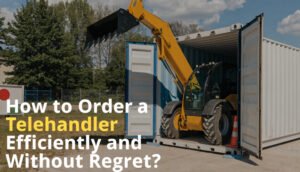
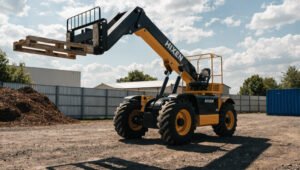
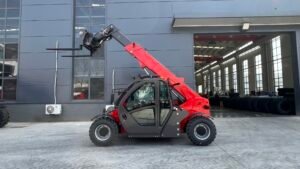
Do you need to buy a batch of engineering equipment for your project? This article will help you make a decision. In many cases, choosing the wrong equipment may lead to delays in project delivery, inefficiency and increase the possibility of problems. However, making the right choice can greatly save your time, money and stress.
When selecting construction vehicles, consider your project’s size, terrain, and specific needs. Whether you require heavy-duty machinery for large-scale projects or compact equipment for smaller sites, the right vehicle can improve productivity and reduce costs. Evaluating your project requirements, vehicle specifications, and budget will guide you to the best choice.
Let’s take a look at how different vehicles meet specific project needs and help you make the right decision.

Understanding Different Types of Construction Vehicles
First, consider the different types of crane trucks. They serve as both an equipment and a truck, which means they can travel and move on their own without a trailer or separate truck pulling them. You can find crane trucks in various sizes, and each size serves specific needs on the site. All crane trucks, not matter the size, use a hoisting mechanism.
Definition and Categories of Construction Vehicles
Construction vehicles are categorized based on their primary function and the type of task they are built for. Here’s a breakdown of the most common construction vehicles:
| Vehicle Type | Função Primária | Common Use Cases |
| Escavadeiras | Digging, trenching, demolition | Earthmoving, foundation digging, trenching, demolition |
| Carregadores | Material handling, stockpiling | Moving dirt, gravel, sand, or materials, loading/unloading |
| Escavadeiras | Land clearing, heavy lifting | Land preparation, clearing debris, pushing earth |
| Graders | Leveling and grading surfaces | Road grading, surface preparation for paving |
| Rolos de estrada | Compaction, smoothing surfaces | Compacting soil, asphalt, and other materials for smooth surfaces |
Key Characteristics of Each Vehicle
Each type of vehicle is built with specific features in mind to complete a certain task. Understanding the capabilities of each type of vehicle will help you choose which one is best for your project.
| Vehicle Type | Key Characteristics | Ideal Use Cases |
| Escavadeiras | Long arm, powerful bucket, deep digging capability | Digging foundations, trenching, demolition |
| Carregadores | Large scoop or bucket, fast operation | Transporting materials, stockpiling, loading/unloading |
| Escavadeiras | Wide blade, powerful engine, high traction | Clearing land, heavy lifting, site preparation |
| Graders | Adjustable blade, high accuracy | Road leveling, grading large sites or pavements |
| Rolos de estrada | Large steel drum, compacting surface | Paving roads, compacting asphalt and earth |

Assessing Your Project Needs
Now that you know the different types of construction vehicles, you need to assess what your project requires. Think about the size of your job, the terrain, and the things you need to get done.
Project Scope and Terrain Considerations
The size and scope of the project will also help you figure out which vehicles you need. Bigger projects like highways and commercial buildings will almost always need full-sized machines, like a skid loader, a bulldozer, or a grader. Smaller projects like residential work, or work in tight spaces like urban centers, usually require equipment that’s small and nimble. The terrain will also let you know what you need. Outdoor work in the country where the ground isn’t perfectly flat means you need some kind of earthmover or truck that can handle hills. City work is tighter, so you need equipment that can get in and out of places with tight corners.
| Fator | Small-Scale Projects | Projetos de Grande Escala | Tipo de terreno |
| Vehicle Size | Compact (Mini Excavators, Skid-Steer Loaders) | Heavy-duty (Excavators, Bulldozers) | Uneven, rough terrain or tight spaces |
| Worksite | Residential areas, landscaping | Commercial, infrastructure projects | Urban (need for maneuverability) |
| Required Vehicles | Loaders, Mini Excavators | Graders, Bulldozers, Large Excavators | Larger vehicles for tough terrain |
Specific Tasks: Excavation, Lifting, Grading, and Compacting
Different jobs require different machines. What you are trying to accomplish dictates which type of vehicle you need. Here’s a breakdown of common tasks and the best vehicles to do them:
| Tarefa | Suitable Vehicle Types | Key Features/Benefits |
| Escavação | Excavators, Mini Excavators | Deep digging, trenching, high mobility |
| Manuseio de material | Loaders, Skid-Steer Loaders | Loading, transporting, quick operations |
| Lifting and Moving | Bulldozers, Loaders, Cranes | Heavy lifting, transporting materials |
| Classificação | Graders | Precision leveling, road construction |
| Compacting | Rolos de estrada | Paving, asphalt compaction, surface smoothing |
Budget Constraints and Cost Analysis
Cost is a huge factor in any construction work. You have to be able to make money on the job, of course, but you don’t want your machines to eat up your profits. TCO or Total Cost of Ownership means you factor in: Purchase price Fuel usage Maintenance scheduled and unscheduled Repairs for the life of the machine It may make sense to buy a more expensive piece of machinery if it saves time and labor on a big job, but when you buy a machine for a small job, it will eat you alive financially.
| Fator de custo | Heavy Machinery (Bulldozers, Graders) | Light Machinery (Mini-Excavators, Loaders) |
| Preço inicial de compra | Custo inicial mais alto | More affordable |
| Eficiência de combustível | Lower efficiency, higher consumption | Better fuel economy |
| Custos de manutenção | More expensive parts and repairs | Custos de manutenção mais baixos |
| Valor de longo prazo | High durability, less frequent replacement | Shorter lifespan, frequent servicing |

How to Match the Right Type of Construction Vehicle with Your Project Needs?
So, once you understand what types of machines are available and you know what you need to get the job done, your next step is to piece out which machine is correct for which part of your project.
Excavators: Best for Digging, Ditching, and Demolition
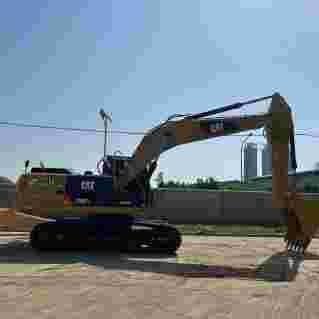
Escavadeiras are versatile and can handle various tasks, such as digging deep trenches or clearing away demolition sites. The powerful arm and large bucket of these machines make them well-suited for heavy-duty excavation work.
| Recurso | Tipo de escavadeira | Melhor para |
| Comprimento do braço | Long reach for deep digging | Trenching, foundation digging |
| Tamanho do balde | Large, capacity for bulk material | Excavating and material handling |
| Versatilidade | High, can switch attachments | Demolition, ditching, material movement |
Loaders: Ideal for Material Handling and Stockpiling
Carregadores are great for moving a lot of material quickly. It doesn’t matter if it’s dirt, gravel or anything else, a loader can handle it fast.
| Recurso | Tipo de carregador | Melhor para |
| Capacidade do balde | Large buckets for material movement | Stockpiling, loading/unloading |
| Mobilidade | Fast, easy to maneuver | Tight spaces, material handling |
| Durabilidade | Strong, built for heavy lifting | Heavy material transport |
Bulldozers: Essential for Heavy Lifting and Land Clearing
When it comes to moving big piles of dirt, debris, or rocks, nothing can push like a Bulldozer. They are the key machines for getting the ground ready to do anything else.
| Recurso | Bulldozer Type | Melhor para |
| Blade Type | Wide and strong | Pushing earth, land clearing |
| Track Design | Tracks for traction in rough terrain | Clearing debris, lifting heavy soil |
| Poder | High engine power | Moving large amounts of material |
Graders: Precision Grading for Roads and Land
Graders are indispensable for jobs that require exact grading, such as road construction or getting land in shape for a new development
| Recurso | Tipo de niveladora | Melhor para |
| Blade Adjustability | Adjustable blades | Road grading, leveling surfaces |
| Precisão | High precision | Surface leveling, land grading |
| Energia do motor | Strong engines for large areas | Projetos de construção em larga escala |
Road Rollers: Compaction and Surface Smoothing
Road rollers are the machines used to complete the smoothing and compacting, assuring a strong, even surface as the base for roads and pavements.
| Recurso | Roller Type | Melhor para |
| Drum Size | Large steel drums | Compaction, smoothing roads |
| Peso | Heavy for compacting materials | Road construction, paving |
| Eficiência | High compaction efficiency | Ensuring smooth surface |
Which Types of Construction Vehicles Are Best for Different Project Sizes?
Understanding the size of your project will help you choose the right machinery. For big projects, you need the heavy-duty stuff. For smaller projects, you want the compact, go-anywhere machines.
Types of Construction Vehicles for Large-Scale Infrastructure Projects
For big jobs, like highway building, bridge work, or commercial construction, you will want big, beefy machines that can move major amounts of earth and handle rough terrain. You’ll need ’dozers, graders, and big excavators.
| Vehicle Type | Best For Large Projects | Principais recursos |
| Escavadeiras | Land clearing, heavy lifting | Large blade, powerful engine, durable |
| Graders | Road and land grading | Precision leveling, long operation time |
| Escavadeiras | Deep excavation, digging foundations | High arm reach, large bucket capacity |
Best Construction Vehicles for Small to Medium-Sized Jobs
For small projects such as residences or minor road work, you’ll want smaller machines like mini-excavators, skid-steer loaders, and compact track and wheel loaders, which can go almost anywhere, are low impact, and cost-effective.
| Vehicle Type | Best For Small to Medium Projects | Principais recursos |
| Mini-Excavators | Small digging, trenching | Compact size, great for tight spaces |
| Carregadeiras de arremesso de derrapagem | Material handling in tight areas | Maneuverability, versatile attachments |
| Compact Loaders | Light excavation and lifting tasks | Small size, efficient material transport |

New vs. Used Construction Vehicles: What’s the Best Option?
Whether you buy new or Equipamento de construção usado depends on how much money you have, how long you need to keep it, and how much you’re gonna use it.
Pros and Cons of Buying New Construction Vehicles
With new stuff, you get a full warranty, it’s state of the art, and it hasn’t been beat up, so if you need it for a long time and you’re going to beat the hell out of it, new is probably the best choice.
| Vantagens | New Vehicles |
| Garantia | Full coverage, fewer repair issues |
| Tecnologia | Latest tech, higher efficiency |
| Vida útil | Longer lifespan, less maintenance |
Benefits of Purchasing Used Construction Vehicles
Used equipment can be a lot less money to get started. It may not be quite as efficient but, if you take care of it, it can still be productive.
| Vantagens | Used Vehicles |
| Economia de custos | Menor custo inicial |
| Availability | More options available |
| Good for Short-Term Use | Ideal for short-term or budget-limited projects |
What to Look for When Buying Used Construction Vehicles
If you decide to buy used vehicles, be sure to check the number of hours on the equipment, the maintenance history, and the overall condition to avoid a bunch of breakdowns.
| Fator | O que procurar |
| Usage Hours | Fewer hours are preferable |
| Registros de Manutenção | Regular servicing and no major repairs |
| General Condition | Check for wear and tear, leaks, or rust |
Evaluating Vehicle Specifications and Performance
It’s important to know what to look for when selecting construction vehicles. The specifications can make or break you on this stuff. The right vehicle specs can make a huge difference in how efficient your stuff is, how much it costs to operate, and how long it lasts. Key things to consider include how much power the engine has, how much it can lift, how well it uses fuel, and how well it can move around.
| Especificação | Importance for Project Success | Example Vehicle |
| Energia do motor | Determines how much weight and material the vehicle can handle | Bulldozer, Grader |
| Capacidade de carga | Crucial for transporting materials like soil, gravel, or debris | Loaders, Excavators |
| Eficiência de combustível | Reduces fuel consumption, thus cutting operational costs | Mini-Excavators, Skid-Steer Loaders |
| Manobrabilidade | Important for working in tight spaces or congested sites | Skid-Steer Loaders, Mini-Excavators |
Future Trends in Construction Vehicles: Innovation and Sustainability
The construction industry is changing a lot, and they’re using a lot of new technology and new ways of doing things to be more productive, more efficient, and more “green.” The market for construction vehicles is
evolving quickly. You’re seeing vehicles with all kinds of new technology, and they’re a lot more eco-friendly.
Emerging Technologies in Construction Vehicles
Smart technology, telematics, and autonomous systems are being integrated into the vehicles, and it’s kind of re-shaping things. Those technologies help the machines run better. They make the machines safer. They make it easier to take care of the machine. They enable you to know what’s going on with your fleet no matter where you are.
| Tecnologia | Impact on Construction Vehicles | Example Vehicles |
| Telematics | Enables real-time vehicle monitoring and diagnostics | Modern Excavators, Loaders |
| Autonomous Vehicles | Automates repetitive tasks and improves operational efficiency | Autonomous Dump Trucks |
Sustainability in Construction Equipment
The demand for eco-friendly construction equipment is increasing. Electric or battery-powered machines and hybrid models can help construction companies lower emissions and reduce their carbon footprint.
| Recurso | Sustainable Machines | Environmental Benefits |
| Electric Engines | Quieter operation, zero emissions | Lower CO2 emissions, less noise |
| Hybrid Models | Combination of electric and fuel-powered systems | Reduced fuel consumption, eco-friendly |

Supplier Selection: Finding the Right Dealer for Your Needs
Choosing the right supplier is key to getting reliable, high-quality construction equipment at a competitive price. Whether you buy new or used, working with a reputable dealer will save you time, money, and headaches.
Choosing a Reputable Supplier
A good supplier will give you clear pricing, good warranties, and good after-sale support so you get a good value for your money.
| Fator | What to Consider | Example Vendor |
| Reputação | Look for trusted companies with positive reviews | Máquinas HIXEN |
| Suporte pós-venda | Access to spare parts, repairs, and customer service | Trusted Brands |
Reputação
When choosing a supplier, consider their reputation in the industry. Do they have good reviews and provide good customer service? HIXEN Machinery, for example, is known for their excellent customer service, quality of their machinery, and the transparency in their business practices.
Logistics and Delivery Considerations
For international purchases, consider logistics. What’s the delivery timeframe? What are the shipping costs? What about follow-up support? Make sure you’re comfortable with all of these things.
| Fator | Importance for International Purchases | Principais considerações |
| Custos de envio | Can significantly impact total project budget | Choose cost-effective shipping methods |
| Lead Time | Affects the project’s overall timeline | Understand potential delays |
Custos de envio
When you are purchasing construction vehicles from outside your country, shipping can get expensive really, really fast. Here are some things to think about: Look for a supplier that provides cost-effective shipping options. Get an estimate of shipping costs ahead of time so that you don’t get hit with some ghastly figure later on.
Warranty, Support, and After-Sales Services
ask about warranty options and after-sales service, and ensure the supplier offers comprehensive coverage for both to protect your investment and minimize any downtime due to malfunction or breakdown.
| Fator | Importance for Long-Term Investment | Principais benefícios |
| Cobertura de garantia | Protects against unexpected repairs | Reduced repair costs |
| Disponibilidade de peças | Availability of spare parts for repairs | Minimizes downtime and delays |
Cobertura de garantia
A good warranty gives you peace of mind, knowing that repairs and parts replacement are covered for a period of time. This is very important when buying expensive equipment such as excavators and bulldozers. So make sure you check out the warranty and understand what all is covered and what is not.
Conclusão
Picking the right type of iron is a crucial decision that can make or break your job. By assessing what you need to do, checking the specs on the iron you want to buy, and deciding whether you’ll buy new or used equipment, you can make sure you have exactly what you need to be productive, to not spend an excessive amount of money, and to be safe. Whether you’re just working on your driveway, fixing a water problem in a one-acre pond, or building up a 5,000 home subdivision, you need to know what each piece of iron does so you can make an educated decision to buy what you’ll need.
Siga -nos em:YouTube.