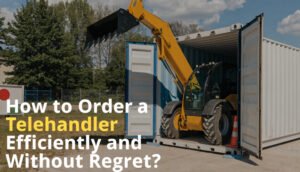
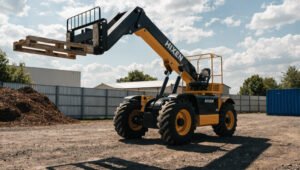
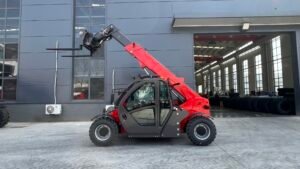
Buying a used skid steer for sale feels risky. You see 4,000 hours on the meter and start to worry. You fear expensive repairs and downtime. I understand that stress. The good news is simple: clear hour benchmarks and proper inspection can remove most of that uncertainty.
A used skid steer for sale is generally considered high-hour once it exceeds 5,000 operating hours. Most skid steers last between 5,000 and 7,000 hours with proper maintenance. Machines under 3,000 hours are usually mid-life and lower risk. Units between 3,000 and 5,000 hours require careful inspection of hydraulics, engine condition, and service records. Hours alone do not determine value. A well-maintained 4,500-hour skid steer can be a better investment than a poorly serviced 2,000-hour machine.
Now I will break down how I personally evaluate hours, risk, and price before buying.
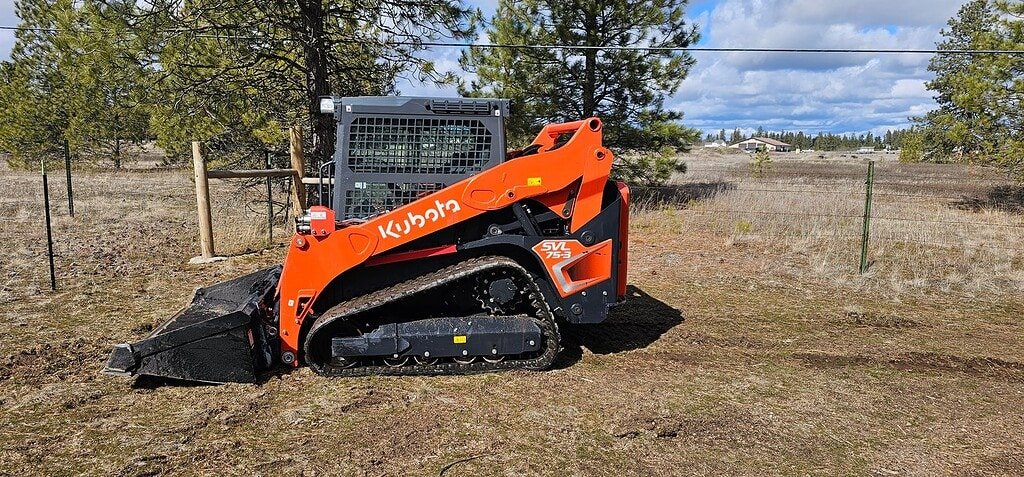
I. Why Engine Hours Matter When I Look at a Skid Steer for Sale
I treat engine hours like mileage on a truck. Hours show how long the machine has worked. More hours usually mean more wear.
When I search for a skid steer for sale, I compare hours first before I even check price.
Here is how I personally judge hour levels:
| Hour Range | What I Think | Nível de risco | My Buying Interest |
|---|---|---|---|
| 0–1,000 | Almost new | Very Low | Muito alto |
| 1,000–3,000 | Normal working machine | Baixo | Alto |
| 3,000–5,000 | Worked hard | Médio | Careful check |
| 5,000+ | Near major repair stage | Alto | Only if price is low |
I once inspected two machines on the same day. One had 1,800 hours. The other had 4,200 hours. The higher-hour machine had full service records. The lower-hour machine had none. I chose the 4,200-hour unit. It performed better for years.
Hours guide me. Records convince me.
II. How Many Hours Are Too Many on a Skid Steer for Sale?
When buyers ask me this question, I give a direct answer.
I consider 5,000 hours the warning line.
Most machines reach major component wear after that point.
Here is how I break it down:
| Hours | Condition Stage | What Usually Happens | My Advice |
|---|---|---|---|
| 0–1,000 | Early life | Minimal wear | Safe purchase |
| 1,000–3,000 | Meia-idade | Normal wear parts replaced | Good value |
| 3,000–5,000 | Late mid life | Hydraulic wear begins | Inspect carefully |
| 5,000–7,000 | Late life | Engine or pump rebuild possible | Budget for repairs |
| 7,000+ | End stage | Major overhaul likely | High risk |
When I evaluate a minicarregadeira à venda, I never panic at 4,000 hours. I panic at poor maintenance.
I have seen machines fail at 2,000 hours. I have seen machines run strong at 6,000 hours.
I focus on condition. Hours just help me estimate future repair cost.
III. What Is the Average Lifespan of a Skid Steer for Sale?
Most people think skid steers last forever. I learned the hard way that they don’t. Every machine has a working life. Hours matter, but so does use and care. In my experience, most skid steers last between 5,000 and 7,000 hours when properly maintained.
Usage type makes a huge difference. I always ask sellers how the machine was used. That tells me more than the hour meter.
Here’s a clear table I use to estimate lifespan based on work type:
| Tipo de Trabalho | Daily Load | Vida útil média | Wear Speed | Notes from My Experience |
|---|---|---|---|---|
| Paisagismo | Light | 6,500–7,500 hrs | Lento | I once bought a mulch loader skid steer with 7,200 hours. It ran flawlessly. |
| Farm Use | Médio | 6,000–7,000 hrs | Moderado | Tractors for hay and feed handling last longer if maintained weekly. |
| Construção | Heavy | 5,000–6,000 hrs | Rápido | Machines used for excavation often need hydraulic pump replacement at 5,500 hours. |
| Demolição | Very Heavy | 4,000–5,000 hrs | Very Fast | I inspected a demo skid steer at 4,300 hours that required major rebuild. |
How I Judge Lifespan
I divide skid steers into four life stages in my mind:
| Stage | Hour Range | My Buying Advice |
|---|---|---|
| Early Life | 0–1,000 hrs | Excellent, almost new, top price |
| Mid Life | 1,000–3,000 hrs | Great value, inspect maintenance |
| Late Mid Life | 3,000–5,000 hrs | Acceptable if records are solid |
| High Hour | 5,000+ hrs | Only if fully maintained, budget for repairs |
I always check the maintenance history. A 4,500-hour machine with full service records can be safer than a 2,000-hour unit with no records. I learned this the hard way. Years ago, I bought a 2,100-hour skid steer. It looked good, but the hydraulics were neglected. Repairs cost me more than buying a higher-hour machine with proper care.

Usage Patterns Matter More Than Hours
I ask questions like:
- Was the machine used mainly for landscaping, hauling, or demolition?
- Was it on soft soil or rocky terrain?
- How often was it serviced?
These answers help me predict remaining life. I even make a small usage-lifespan table for each machine I inspect:
| Usage Pattern | Typical Lifespan | My Notes |
|---|---|---|
| Light hauling, mulch, dirt | 6,500–7,500 hrs | Machines run smooth longer |
| Heavy material handling | 5,500–6,500 hrs | Check hydraulics |
| Excavation or grading | 5,000–6,000 hrs | Inspect undercarriage |
| Demolition, concrete | 4,000–5,000 hrs | Expect high repair costs |
I once inspected two skid steers for sale side by side. One had 4,200 hours but mostly moved mulch and soil. The other had 2,200 hours but was used on concrete demolition. The lower-hour machine needed a $3,500 hydraulic pump replacement soon after purchase. That day taught me that usage matters more than numbers on the meter.
IV. When Is a High-Hour Skid Steer for Sale Still Worth Buying?
Many buyers avoid high-hour machines. I do not always avoid them.
Sometimes a high-hour skid steer for sale is the best deal.
Here are the situations where I feel confident:
| Situation | Why I Like It | Nível de risco |
|---|---|---|
| Full dealer service records | I can verify maintenance | Baixo |
| Fleet maintained unit | Companies follow schedules | Medium-Low |
| Light material handling only | Less stress on hydraulics | Médio |
| Backup machine use | Less daily pressure | Médio |
I once bought a 5,100-hour unit from a rental fleet. The price was low. The service records were complete. I used it for three years with only minor repairs.
I avoid emotional decisions. I compare numbers.
Here is how I compare cost value:
| Máquina | Hours | Preço | Estimated Repair Budget | Total Risk |
|---|---|---|---|---|
| Unit A | 2.000 | US $ 32.000 | US $ 3.000 | Médio |
| Unit B | 4,800 | US $ 18.000 | US$ 8.000 | Médio |
| Unit C | 5.500 | $14,000 | $12,000 | Alto |
Sometimes the 4,800-hour machine gives better return.
When I evaluate a minicarregadeira à venda, I calculate future cost before I negotiate price.
V. When Should I Avoid a Used Skid Steer for Sale?
I walk away fast when I see certain warning signs.
Here are the red flags I personally check:
| Bandeira vermelha | What It Means | Repair Cost Risk |
|---|---|---|
| Hour meter looks new | Possible replacement | Alto |
| Engine hard cold start | Compression wear | Alto |
| Blue or white smoke | Oil burning issue | Alto |
| Hydraulic jerking | Pump wear | Muito alto |
| Excessive pin movement | Structural wear | Médio |
| Cracks near lift arms | Frame stress damage | Muito alto |
I once ignored a small hydraulic leak. I thought it was minor. Two months later I replaced the pump. That repair cost more than the discount I negotiated.
Now I inspect carefully.
When I inspect a skid steer for sale, I bring a flashlight. I check underneath. I check hoses. I check weld areas.
If the seller refuses inspection, I leave.
VI. How Engine Hours Affect the Price of a Skid Steer for Sale
Price follows hours closely.
I always track depreciation patterns.
Here is a simplified depreciation model I use:
| Hours | % of Original Value | Market Price Example |
|---|---|---|
| 0 hrs | 100% | US $ 45.000 |
| 1,000 hrs | 80% | $36,000 |
| 2,500 hrs | 65% | US$ 29.000 |
| 4,000 hrs | 50% | $22,500 |
| 5,500 hrs | 35% | $15,750 |
The price drop becomes slower after 4,000 hours.
That is why I often look at machines between 3,500 and 4,500 hours.
I compare repair risk against depreciation savings.
When I negotiate a skid steer for sale, I always mention hour-based wear items:
- Hydraulic pump life
- Drive motor wear
- Engine rebuild cost
Here is my rough repair estimate guide:
| Componente | Typical Repair Cost |
|---|---|
| Engine rebuild | $6,000–$12,000 |
| Hydraulic pump | $3,000–$8,000 |
| Drive motor | $2,000–$5,000 |
| Undercarriage (tracked) | $4,000–$10,000 |
These numbers guide my offer.
VII. My Inspection Checklist Before Buying a Skid Steer for Sale
I follow the same checklist every time.
| Etapa | What I Do | O que eu procuro |
|---|---|---|
| 1 | Cold start engine | Smooth ignition |
| 2 | Listen at idle | No knocking |
| 3 | Raise and lower arms | Smooth motion |
| 4 | Drive forward and backward | Straight tracking |
| 5 | Inspect hydraulic lines | No wet spots |
| 6 | Check bucket pins | Tight fit |
I also check fluid condition.
| Fluid | What I Check | Warning Sign |
|---|---|---|
| Óleo de motor | Color | Milky or burnt smell |
| Hydraulic oil | Clarity | Dark contamination |
| Coolant | Level | Oil mixed inside |
When I finish inspection, I step back and review everything calmly.
If something feels wrong, I do not convince myself to proceed.
Every skid steer for sale tells a story. I just make sure I read it carefully.
Final Verdict: Should I Buy That Skid Steer for Sale?
I never judge a machine by hours alone. I judge it by care, usage, and price balance.
I have bought high-hour machines that performed well. I have rejected low-hour machines that showed neglect.
If the machine has under 5,000 hours and solid maintenance, I feel confident. If it passes inspection and the numbers make sense, I move forward.
When I evaluate a skid steer for sale, I think long term. I calculate risk. I stay calm. That approach has protected my investment every time.
Siga -nos em:YouTube.