Is your Doosan excavator showing wear? Do parts wear out faster than you think they should, leaving you with unexpected downtime, repair costs, and added frustrations? This week we’ll look at how long Doosan excavator parts will last and how to make them last even longer, so you can avoid this heartache and keep your job on time and on budget.
Knowing how long Doosan excavator parts last before needing replacement is crucial for preventing unexpected downtime and expensive repairs. Regular maintenance and timely replacements can significantly extend the life of key components like the engine, hydraulics, and undercarriage. In this article, we’ll explore the lifespan of common Doosan parts, offer maintenance tips, and help you decide when to replace your equipment parts.
Now that you know how long you should expect your parts to last, let’s discuss what makes them last that long.
Factors Affecting the Lifespan of Doosan Excavator Parts
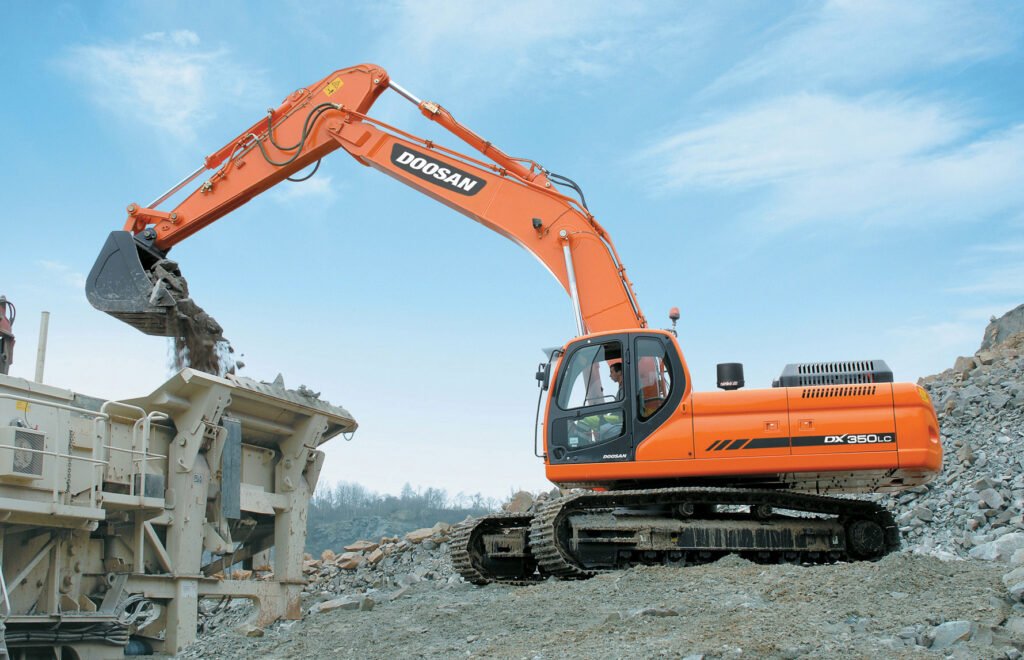
The lifespan of your Peças da escavadeira Doosan will depend on a few things. First, the quality of the part itself. If you install a cheap part, don’t expect it to last as long as a premium part. Your operating conditions dictate how long your parts will last, too. The harder you work your excavator, the harder it is on your parts. Finally, proper maintenance can make a huge difference in how long parts last.
Quality of Parts
Your Doosan excavator is the sum of its parts.The quality and durability of the parts you use will impact how long your Doosan machine lasts and how well it performs. Genuine Doosan parts are built to the exact specifications of your machine, so you know they are tough and will last a long time. Aftermarket parts are often less expensive, but they may not be built to the same standards as genuine
parts. They may not hold up as well over time, which could mean more repairs down the road.
Genuine Doosan Parts vs. Aftermarket Parts
| Fator | Genuine Doosan Parts | Peças de reposição |
|---|---|---|
| Durabilidade | Vida útil mais longa | Shorter lifespan |
| Garantia | Full warranty coverage | Garantia limitada ou sem garantia |
| Desempenho | Optimized for Doosan | May not fit as well |
| Custo | Higher initial cost | Menor custo inicial |
| Compatibilidade | Perfect fit for model | Potential compatibility issues |
Usage and Working Conditions
The environment in which you operate your Doosan excavator can also affect parts wear. If you’re working in harder conditions with a lot of rocks, running in wet or muddy environments, or working in extreme temperatures, some of your equipment will wear out faster. The undercarriage parts – the tracks and rollers – are usually the first to go if you’re not careful and if you’re not running the machine the way you should.
Impact of Working Conditions on Excavator Parts Lifespan
| Doença | Parts Affected | Impacto na vida útil |
|---|---|---|
| Terreno rochoso | Undercarriage, Engine | Faster wear on tracks and suspension |
| Muddy Conditions | Undercarriage, Hydraulics | Increased wear and risk of clogging |
| Extreme Temperatures | Hydraulic System, Engine | Reduced efficiency and faster component breakdown |
| Dusty Environment | Air Filters, Engine | Filters clog faster, reducing engine performance |
Práticas de manutenção
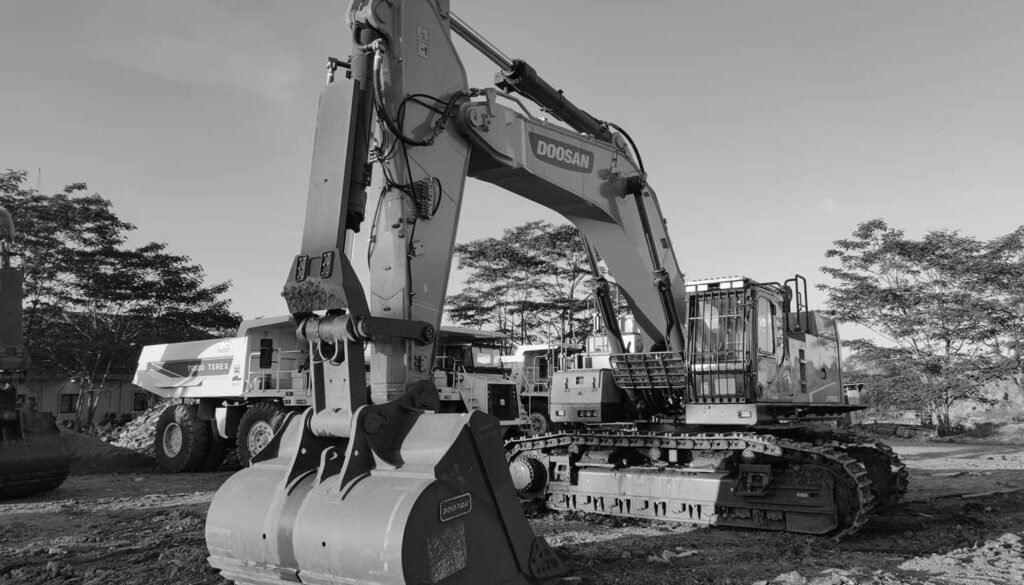
The way you take care of your Doosan excavator has a tremendous impact on how long your parts will last. If you do your daily checks, keep your machine properly greased, and actually do the recommended maintenance on the machine, you’ll catch the little things that turn into big things if you don’t. If you neglect it and don’t do the maintenance, guess what? You will be buying parts and paying for a repair job.
Common Maintenance Practices and Their Impact
| Maintenance Practice | Parts Affected | Benefícios |
|---|---|---|
| Routine Inspections | Engine, Hydraulics, Undercarriage | Early detection of wear and tear |
| Lubrificação | Engine, Hydraulic System | Reduces friction and extends lifespan |
| Substituição de fluidos | Engine, Hydraulics | Maintains optimal performance |
| Cleaning Undercarriage | Tracks, Rollers, Sprockets | Reduces wear from dirt and debris |
Tipo de peça
In the case of your excavator, it’s unlikely that all of the parts are going to quit working at exactly the same time. For example, if you maintain the engine components properly, they won’t wear out for a tremendously long time compared to the undercarriage or the hydraulic or power train components. Knowing which parts wear out, and when, and which ones last a long time helps in planning and budgeting.
Lifespan of Key Doosan Excavator Parts
| Tipo de peça | Vida útil média | Considerações sobre manutenção |
|---|---|---|
| Componentes do motor | 10,000-12,000 hours | Regular oil changes, air filter replacement |
| Componentes Hidráulicos | 4.000-6.000 horas | Regular fluid checks, hydraulic filter replacement |
| Cartocre o material rodante | 2,000-3,000 hours | Clean tracks regularly, inspect for wear |
| Bucket/Attachments | 1,000-2,000 hours | Sharpen or replace teeth, regular inspection |
Common Doosan Excavator Parts and Their Typical Lifespan
Now we’re going to dive a little deeper into some of the critical parts on your Doosan excavator. I’ll tell you what the life expectancy is of those parts when you use your Doosan excavator like you’re supposed to.
Engine Parts
Turbochargers can last as long as 10,000-12,000 hours or more if properly cared for and if the machine owner uses high-quality synthetic or semi-synthetic oil in the engine. In severe conditions with lots of blowing dust, dirt, and human negligence, the lifetime can be considerably less. If the machine owner runs the engine without lubrication, as they say in Texas, a turbocharger will disintegrate quickly.
Lifespan of Engine Parts and Maintenance Tips
| Engine Component | Vida útil média | Dicas de manutenção |
|---|---|---|
| Pistons | 10,000-12,000 hours | Change oil regularly, use high-quality fuel |
| Air Filters | 1,000-2,000 hours | Clean or replace frequently |
| Turbochargers | 5,000-6,000 hours | Check for leaks, maintain proper oil levels |
Componentes do sistema hidráulico
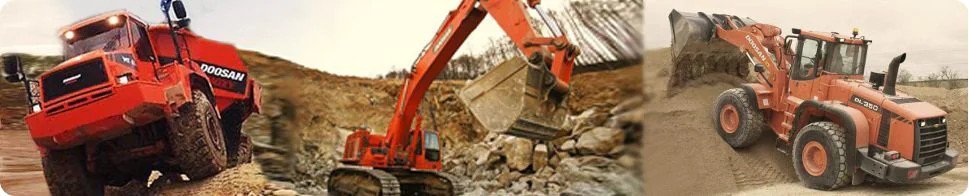
The actual guts of the hydraulic system will be pumps, cylinders, and valves. You make the whole thing work with hydraulic pressure. These parts typically live as long as 4,000-6,000 hours. You make them last by maintaining proper hydraulic oil levels and routinely changing the filters so that contamination doesn’t eat the parts up faster than normal.
Lifespan of Hydraulic Components and Maintenance Tips
| Componente Hidráulico | Vida útil média | Dicas de manutenção |
|---|---|---|
| Bombas Hidráulicas | 4.000-6.000 horas | Replace filters, check for leaks |
| Cilindros hidráulicos | 4.000-6.000 horas | Inspect for wear, avoid overloading |
| Valves | 4.000-6.000 horas | Regular inspection for leakage and damage |
Cartocre o material rodante
Your tracks, rollers, and sprockets will typically be replaced every 2,000-3,000 hours, depending on the work and conditions. Mud and grit in the track chain can cause the gears and rollers to wear out faster. Keep the undercarriage clean as you can every day, and you’ll extend the life and make the chain last a lot longer instead of grinding all the pieces to death with dirt and debris.
Lifespan of Undercarriage Components
| Parte do material rodante | Vida útil média | Dicas de manutenção |
|---|---|---|
| Faixas | 2,000-3,000 hours | Clean regularly, check for cracks |
| Rolos | 2,000-3,000 hours | Lubricate periodically, inspect for damage |
| Salhetas | 2,000-3,000 hours | Inspect for wear, clean regularly |
Transmission and Gearbox
Transmission and gearbox parts are built to last, but they can wear if you abuse them with heavy loads or if you don’t keep them well-lubricated. Typically, these parts last between 8,000-10,000 hours. By addressing any of the issues that I’ve discussed here on the front end, you can greatly extend the life of these parts.
Lifespan of Transmission and Gearbox Components
| Transmission Part | Vida útil média | Dicas de manutenção |
|---|---|---|
| Transmission Gears | 8,000-10,000 hours | Regular fluid changes, check for slipping |
| Gearbox | 8,000-10,000 hours | Monitor for unusual noises, inspect regularly |
Balde e acessórios
Of course, when you talk about the teeth and the cutting edge on your bucket or any attachments, those are the things that wear the most depending on your operating conditions. Typically, those will last between 1,000-2,000 hours… And with proper attention to maintenance, like keeping the teeth sharp and replacing them when necessary, you can again extend that life.
Lifespan of Bucket and Attachment Components
| Attachment Part | Vida útil média | Dicas de manutenção |
|---|---|---|
| Dentes de balde | 1,000-2,000 hours | Sharpen or replace regularly |
| Cutting Edges | 1,000-2,000 hours | Inspect for damage, replace when worn |
| Acessórios Hidráulicos | 1,500-2,500 hours | Inspect seals, lubricate joints |
Warning Signs That Indicate the Need for Replacement
By keeping an eye out for these things, you can have repairs made before they become a serious problem that costs a lot of money and keep your Doosan excavator up and running. Here are some warning signs that a part may be on the way out:
Ruídos incomuns
The first sign of a problem is usually a noise — grinding, knocking, squealing, and so on. Those noises usually mean something is worn out (bearing, gear, hydraulic component, etc.) and-ready to fly apart!
Noises and Their Possible Causes
| Tipo de ruído | Causa possível | Affected Part |
|---|---|---|
| Moagem | Worn-out bearings | Engine, Hydraulic system |
| Batendo | Loose or broken parts | Transmission, Engine |
| Squealing | Lack of lubrication | Hydraulics, Undercarriage |
Problemas de desempenho
If your excavator moves sluggishly, the lifting power is less than it was, or hydraulic movements are slow, this is usually a sign of wear and tear experienced by key components.
Performance Issues and Their Causes
| Emitir | Causa possível | Affected Part |
|---|---|---|
| Sluggish Movement | Low hydraulic pressure | Hydraulic Pump, Cylinder |
| Reduced Lifting Power | Worn-out engine or hydraulics | Engine, Hydraulic system |
| Slow Bucket Movement | Hydraulic fluid issues | Sistema hidráulico |
Leaks and Excessive Wear
If hydraulic lines are leaking, or if the undercarriage parts are excessively worn, it’s a fairly obvious indication that replacement is required. And remember to take a gander at your excavator on a regular basis to seek out anything that seems to be wearing out.
Leaks and Wear Indicators
| Indicador | Affected Part | Action Needed |
|---|---|---|
| Hydraulic Leaks | Hydraulic lines, Pumps | Replace seals, check hoses |
| Worn Tracks | Cartocre o material rodante | Inspect and replace tracks |
| Vazamentos de óleo | Engine, Hydraulic System | Replace seals, check for cracks |
Conclusão
But it all comes down to one simple thing: maintenance. All the parts in the world will eventually decay if they aren’t serviced and maintained properly. Keep track of how long a part is supposed to last. Know when to keep an eye on it. When to start watching the temperature. Get the regular maintenance done that the manufacturer suggests.
Keep an eye on how much life has been pulled out of your tracks when they’re the oldest thing on your machine that haven’t been replaced. Keep your engines and hydraulics clean and they’ll last longer too. Best practices are best practices for a reason. Use the best parts you can. Do that stuff, and your escavadora will last for the long haul, and it will be a cost-effective, reliable piece of equipment.
Chamado à ação:
Are you ready to replace worn-out parts or beef up your excavator with upgraded Doosan parts? If so, then contact us right now to get the best, high-quality, genuine Doosan parts to keep your Doosan excavator running strong.
Siga -nos em:YouTube.