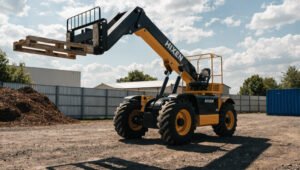
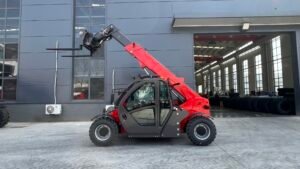
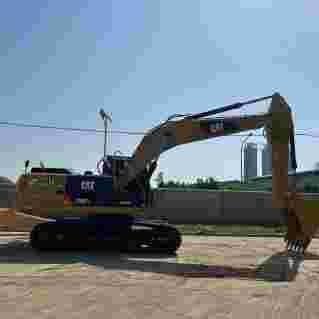
Here are some of the big factors that impact shipping heavy equipment by sea: What’s the weight and size of the equipment, where’s the equipment shipping from and going to, and how’s the equipment transported on the boat? Understanding these points and knowing what questions to ask will help you get a fair price based on your needs.
When shipping heavy equipment, especially large machinery like excavators or bulldozers, the choice of transport mode directly influences the overall cost. Sea transport is often the most cost-effective method for international shipping, allowing large machines to be transported efficiently. However, factors such as the size of the machinery, destination, and shipping method all play a significant role in determining the final cost. Understanding these factors helps businesses optimize transport expenses while ensuring timely deliveries.
To help you better understand how these factors affect Your transport costs, let’s dive into the answer and the key considerations when it comes to heavy equipment shipping by sea.
Understanding Heavy Equipment Transport Cost
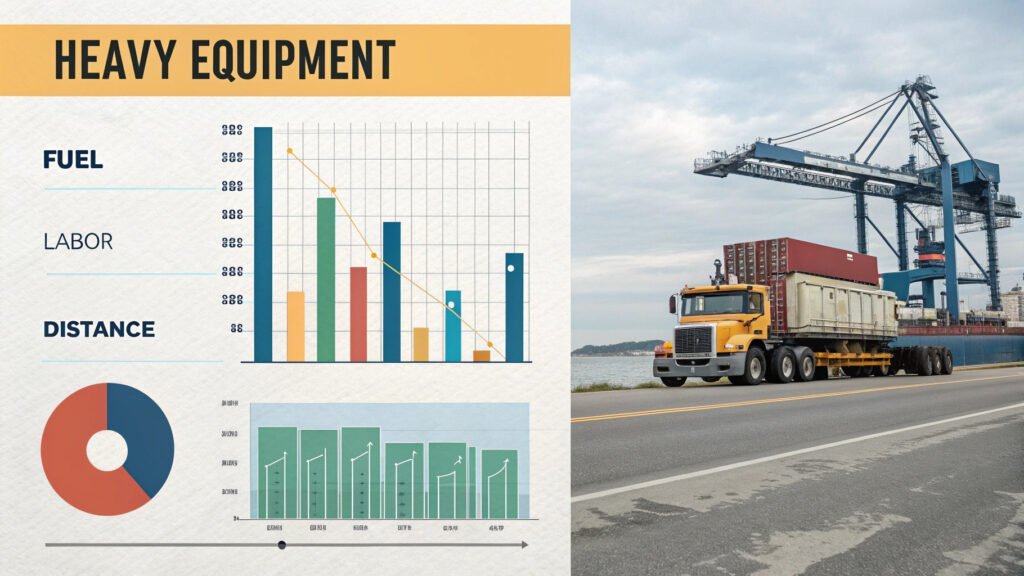
Тяжелое оборудование Transport Costs are based on a few key factors. Understanding these factors will help you optimize your shipping. The fundamental requirements that affect transport cost include:
- Размер и вес of the machinery
- Shipping Distance
- Mode of Transport
- Additional Fees like port handling, customs, and taxes
| Cost Component | Описание |
|---|---|
| Размер и вес | Larger and heavier machinery takes up more space on the vessel and requires special handling, increasing costs. |
| Shipping Distance | The farther the destination, the higher the cost due to fuel, time, and logistics involved in the journey. |
| Mode of Transport | The choice of transport mode (sea, air, land) plays a significant role in determining the cost, with sea being the most cost-effective for large machinery. |
| Additional Fees | Costs such as loading/unloading, port handling, insurance, and customs duties can increase the total shipping cost. |
And with all those components in play, you now have a good understanding of how to plan for the heavy equipment transport cost for the machine(s) you’re going to ship.
Sea Transport: The Most Common Mode for Heavy Equipment
Sea transport is often the most cost-effective and efficient way to ship large construction machinery. It allows you to ship many machines a long distance, so most machines going overseas are shipped RoRo or container. If shipping via ocean is not an option, then you can get creative with modifying or disassembling the machine in such a way that it will fit onto a flatbed and be legally transported down the road.
Why Sea Transport is Preferred for Heavy Equipment
- Capacity—Sea vessels can hold a lot of heavy equipment like excavators, loaders, and bulldozers and whenever you can share the cost of a boat with everyone else who’s shipping something, it makes the transportation cost cheaper.
- Экономичный—In general, sea transport is cheaper than air freight and cheaper than over-the-road (OTR) when you’re shipping large, heavy equipment.
- Global Reach—Almost every inoperable equipment buyer that I know of ships internationally due to the fact their buyers typically buy out of China, and Russia, and sell into South America and Africa. Sea transport is wonderful for all of those reasons.
| Transport Mode | Расходы | Скорость | Capacity | Лучше всего для |
|---|---|---|---|---|
| Sea Transport | Низкий | Медленный | Высокий | Large equipment like excavators, bulldozers, road rollers |
| Air Transport | Высокий | Быстрый | Низкий | Urgent deliveries of smaller equipment |
| Road Transport | Умеренный | Умеренный | Умеренный | Short-distance shipments within the same country |
When you get right down to it, when you’re talking about big heavy machinery like excavators and bulldozers, the sea’s going to be the biggest bang for your buck.
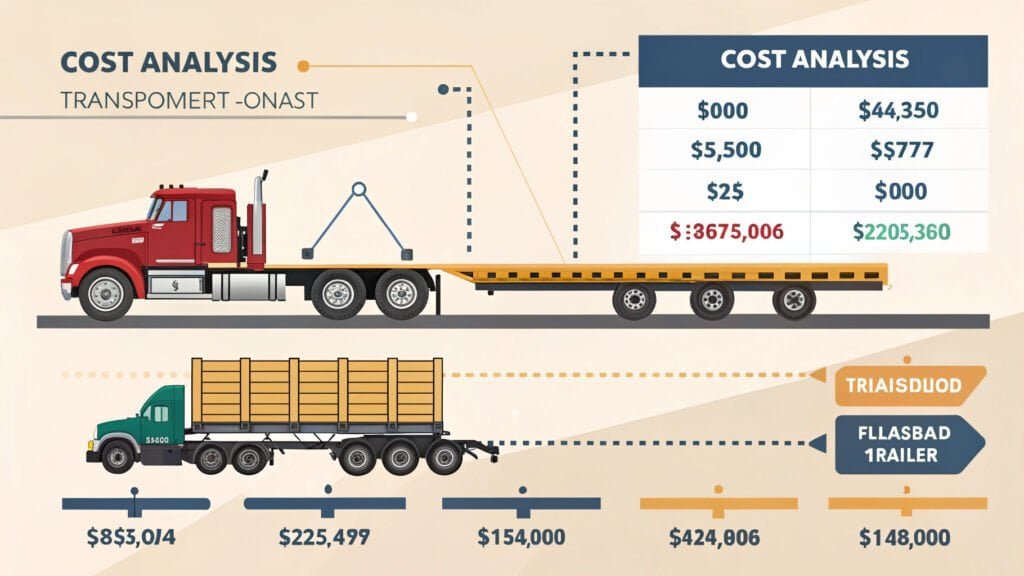
Factors Influencing Sea Transport Costs for Heavy Equipment
Several moving parts can affect sea transport pricing, especially for large equipment, so let’s tear this apart.
Size and Weight of the Machinery
The heavier the machinery, the higher the cost to ship. Heavy equipment transport costs generally increase with size and weight. This increased cost is caused by the larger machine taking up more space on the vessel, and often requiring specialized on and offloading equipment.
For example, shipping a bulldozer will generally cost more than shipping a мини-экскаватор because the bulldozer is heavier and requires more space on the ship.
| Equipment Type | Size/Weight | Typical Shipping Cost |
|---|---|---|
| Экскаватор | Large, Heavy | Высокий |
| Мини -экскаватор | Smaller, Lighter | Низкий |
| Бульдозер | Large, Heavy | Высокий |
| Road Roller | Large, Heavy | Высокий |
Shipping Method: RORO vs. Container Shipping
There are two primary methods to ship heavy equipment by sea. The first is Roll-On/Roll-Off (RORO) Shipping. The other is Container Shipping. Each approach has different pros and cons as well as different costs.
RORO Shipping, where you drive the equipment onto the ship. This is great for larger machines but could have higher costs depending on the destination and the port. Container Shipping, where you put the equipment into a shipping container for protection. This is more for smaller machines, but you’ll usually have higher costs with container shipping because you have to rent the container and then do all the extra handling.
| Shipping Method | Расходы | Скорость | Ideal Equipment |
|---|---|---|---|
| RORO Shipping | Умеренный | Умеренный | Excavators, Loaders, Cranes |
| Container Shipping | Выше | Slower | Mini Excavators, Small Equipment |
Each method of shipping has its costs and factors to consider based on the size and weight of the equipment and the destination.
Shipping Distance and Destination Ports
Distance significantly impacts the cost of shipping heavy equipment. The longer the distance to the port, the more it’s going to cost because of fuel, the time it takes, and everything else involved.
The other part is that different ports will charge more to handle heavy equipment. Again using South America or Africa as an example, it cost more to get there because there are more hoops to jump through, and the ports charge more money.
| Destination Port | Shipping Cost | Port Handling Fee |
|---|---|---|
| South America (Brazil) | Высокий | Высокий |
| Africa (South Africa) | Умеренный | Умеренный |
| Middle East (Dubai) | Низкий | Низкий |
Knowing the price of the port and the destination is key to your heavy equipment transport costs.
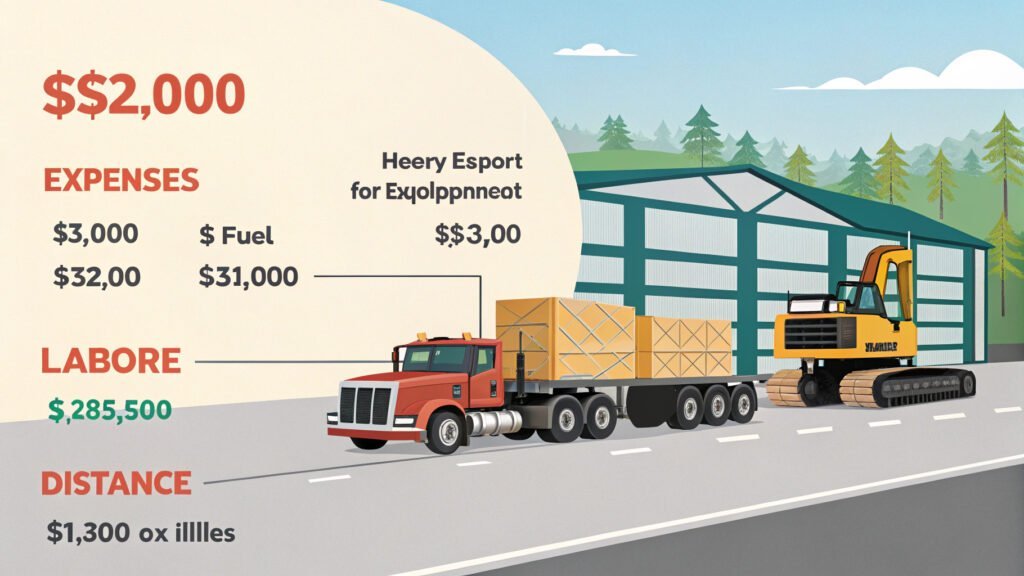
Additional Costs Involved in Sea Transport of Heavy Equipment
Loading and Unloading Fees
Ports charge you to load and unload your equipment. They have a fee for that. This fee can change depending on the size of your equipment and how hard or easy it is for them to load or unload your equipment. So, the bigger the equipment and the more of a pain in the butt it is for them, the more they’re going to charge you.
Port Handling Fees
Every port has its own fees for handling heavy equipment. These fees cover moving your machinery within the port, and they vary greatly depending on the port and the size of the equipment.
Customs and Taxes
International shipments are subject to customs duties, taxes, and import fees. These costs can significantly increase your heavy equipment transport cost. You may be required to clear it through customs yourself and provide a significant amount of paperwork.
| Дополнительные расходы | Описание | Расчетная стоимость |
|---|---|---|
| Port Handling Fees | Charges for moving machinery at the port | Varies by port |
| Customs and Taxes | Import duties, taxes, and clearance fees | Varies by country |
| Страхование | Insurance for potential damage during transit | 1-3% of equipment value |
How to Optimize Sea Transport Costs for Heavy Equipment
Optimizing sea transport costs takes some thought and strategy. Here are a few ways to minimize your shipping expenses:
Choosing the Right Shipping Company
Select a reputable and cost-effective shipping company to get the best rates possible. Established shipping companies with experience shipping construction machinery can typically provide better service and competitive pricing.
Consolidating Shipments
If you have to move more than one piece of equipment, a way to cut costs is by consolidating the shipments. By consolidating multiple machines into one shipment, you can take up space on a ship, and it’s less money to ship it that way.
Timing Your Shipment
Shipping costs can vary depending on the time of year. For example, during their peak seasons, it may cost you much more to ship. If you can schedule it during their off-peak times, it could save you a lot of money on your shipping costs.
| Optimization Strategy | Описание | Потенциальная экономия |
|---|---|---|
| Consolidating Shipments | Combine multiple shipments into one | 10-20% savings |
| Choosing Reliable Company | Work with experienced, cost-effective companies | 5-10% savings |
| Timing Shipments | Ship during off-peak seasons | 15-25% reduction |
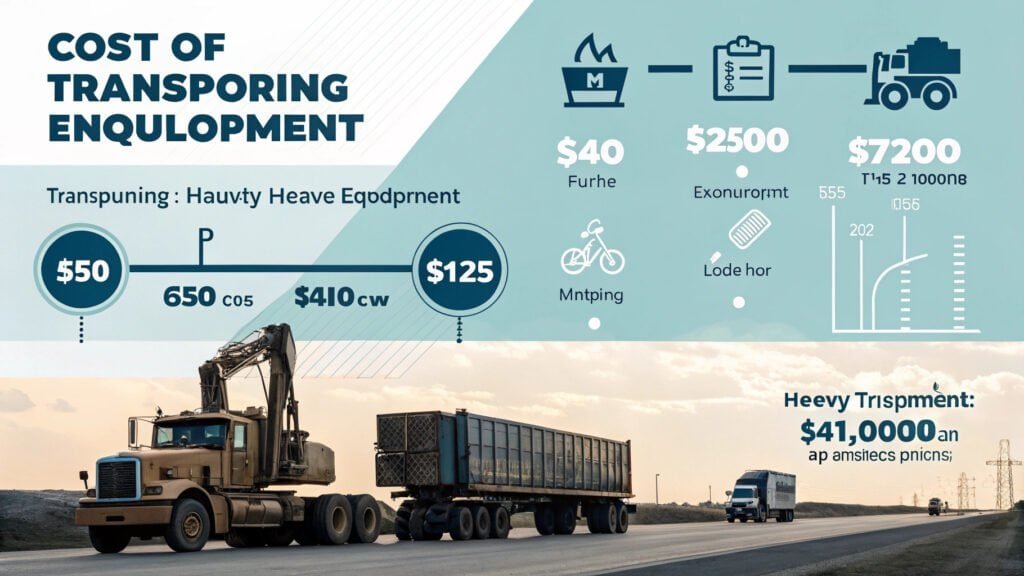
Case Study: Shipping Excavators and Loaders by Sea
Let’s examine a real-world example of shipping экскаваторы и погрузчики from China to South America, providing a breakdown of the costs involved.
Распределение стоимости:
Excavator Transport Cost: $6,000
- escription: A standard-sized excavator (20-30 tons) requires special handling and takes up a good bit of space on the ship.
- Shipping Method: RORO. The excavator is self-loading on the ship. Agent can also get the machine loaded into an OOG container depending on the port of discharge and how the shipping line accepts special handling.
- Cost Influencers: Size and weight significantly drive up the costs. Port fees at destination also impact the total cost.
Loader Transport Cost: $4,500
- Описание: Smaller loader (10-15 tons) is cheaper to ship because it takes up less space on the ship.
- Shipping Method: Shipped RORO. It’s because you’re sharing the ship space with all the other cars and trucks, so the loader sits on the ship and doesn’t get all the space to itself.
- Cost Influencers: Smaller size and weight make shipping cheaper than larger equipment.
Port Handling Fees: $1,000
- Описание: Port fees are for getting the machine on and off the ship and where it’s stowed down at the dock.
- Impact of Port Location: Fees vary by the port. For example, South American ports tend to be more expensive for handling because they’ve got to have the people and equipment to handle something coming off the ship.
Customs Duties: $800
- Описание: Duties and taxes that the destination country charges you to bring the machinery into the country. How much you pay is based on a percentage of the value of the equipment and what type of equipment it is.
- Customs Costs: The excavator and loader are high-dollar pieces of machinery, so you’re going to pay pretty big costs bringing them in.
Total Transport Cost: $12,300
| Cost Component | Экскаватор | Погрузчик | Total |
|---|---|---|---|
| Shipping Cost | 6000 долларов США | 4500 долларов США | 10 500 долларов |
| Port Handling Fees | $500 | $500 | $1,000 |
| Customs Duties | $600 | $200 | $800 |
| Total Cost | $7,100 | $5,200 | $12,300 |

Заключение
Extremely you understanding how different modes of transportation drive your heavy equipment shipping costs is critical if you’re moving big machinery for your business. Shipping by sea is the cheapest way to ship heavy, large machinery like excavators, loaders, bulldozers, etc. But you need to make sure you’re using the right shipping method, consolidating when you can, and paying attention to the timing of the shipment to save on your shipping costs and have an issue-free shipping experience.
Следуйте за нами на:YouTube.