Are you struggling to choose the right грузоподъемность телескопического погрузчика for your construction site? Picking the wrong one can lead to unsafe operations, inefficient work, and costly mistakes. Let me guide you through how to assess your needs and choose the best lift capacity to ensure safety and productivity.
Choosing the ideal грузоподъемность телескопического погрузчика for your construction site is critical for safety and efficiency. Factors like the type of work, site conditions, and the machine’s boom height all affect your decision. Whether you need to lift heavy materials or reach high places, understanding these factors will help you select the right telehandler. Remember, selecting the correct lift capacity not only improves productivity but ensures that you’re working within safe limits to prevent tipping and equipment damage. Read on for a complete guide to selecting the best telehandler lift capacity based on your specific needs.
Now that we’ve covered the basics, let’s dive into how to determine the right lift capacity for your construction site.
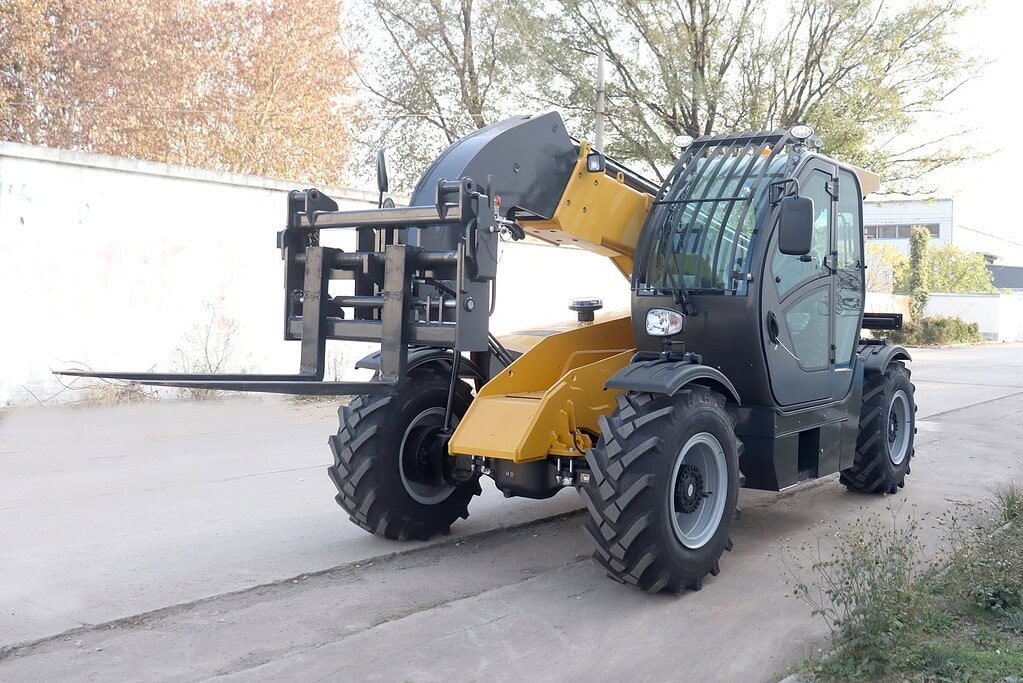
What is Telehandler Lift Capacity?
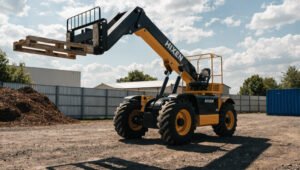
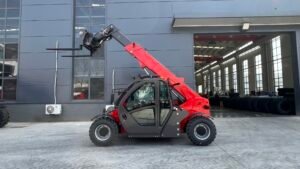
Before we dive into how to pick the right lift capacity, let’s first define what грузоподъемность телескопического погрузчика really means. Simply put, it refers to the maximum weight a telehandler can lift. This weight is usually measured in pounds (lbs) or kilograms (kg). It’s important to remember that lift capacity changes based on the height of the boom and the distance it extends.
When I first used a telehandler, I was confused about how the lift capacity worked at different heights. It took me a while to figure out that the further you extend the boom, the less weight the telehandler can safely lift.
Here’s a simple table that explains the concept clearly:
| Boom Height | Подъем |
|---|---|
| 10 ft | 10,000 lbs |
| 20 футов | 8000 фунтов |
| 30 ft | 6,000 lbs |
| 40 ft | 4,000 lbs |
I’ve seen this kind of variation firsthand on job sites, and it’s crucial to know this information when you are working at high elevations or with long reaches.
How to Determine the Right Lift Capacity for Your Site
1. Type of Work
When I’m picking a telehandler, one of the first things I think about is what kind of work I need it for. Different types of construction tasks need different telehandlers. For example, if I’m lifting heavy beams or concrete blocks, I need a telehandler with a high lift capacity. But for moving smaller materials, a lower capacity works just fine.
Let me break it down:
| Type of Work | Required Lift Capacity | Telehandler Example |
|---|---|---|
| Тяжелая работа | 10,000-12,000 lbs | JCB 550-170, Manitou MRT 2150 |
| Погрузочно-разгрузочные работы | 6,000-8,000 lbs | Caterpillar TH255C, Bobcat TL470 |
| High Reach Operations | 6,000-8,000 lbs | Merlo P120.10, Genie GTH-844 |
The first telehandler I ever used was perfect for heavy lifting. It could easily handle big loads like steel beams, but when we had to reach higher or work in tighter spaces, we quickly realized the capacity was affected. For high-reach jobs, I found that we needed a telehandler with a higher boom height but still a safe lifting capacity.
2. Job Site Conditions
Now, when choosing a telehandler for a specific job site, the ground conditions play a huge role. I’ve worked in areas where the terrain was uneven and soft, and I could feel the telehandler struggling with weight. If you’re working in muddy or sandy areas, it’s crucial to pick a model with a higher lift capacity to keep everything stable.
Also, space matters. When I’ve worked on cramped job sites, the telehandler’s maneuverability was just as important as its lifting power. In those situations, I went for a machine with a lower lift capacity but great flexibility.
Here’s a simple chart to help you compare:
| Site Condition | Recommended Lift Capacity | Telehandler Model |
|---|---|---|
| Flat, Stable Terrain | 6,000-8,000 lbs | Bobcat TL470, JLG 4045RS |
| Uneven or Rough Terrain | 8,000-10,000 lbs | Manitou MLT 633, Merlo P40.17 |
| Tight Spaces or High Reach | 6,000-8,000 lbs | Genie GTH-1056, Merlo P120.10 |
I learned this lesson the hard way on a job site that had both tight spaces and uneven ground. We needed something that could handle rough terrain but wasn’t too big to maneuver around the structures. This combination of power and flexibility made all the difference.
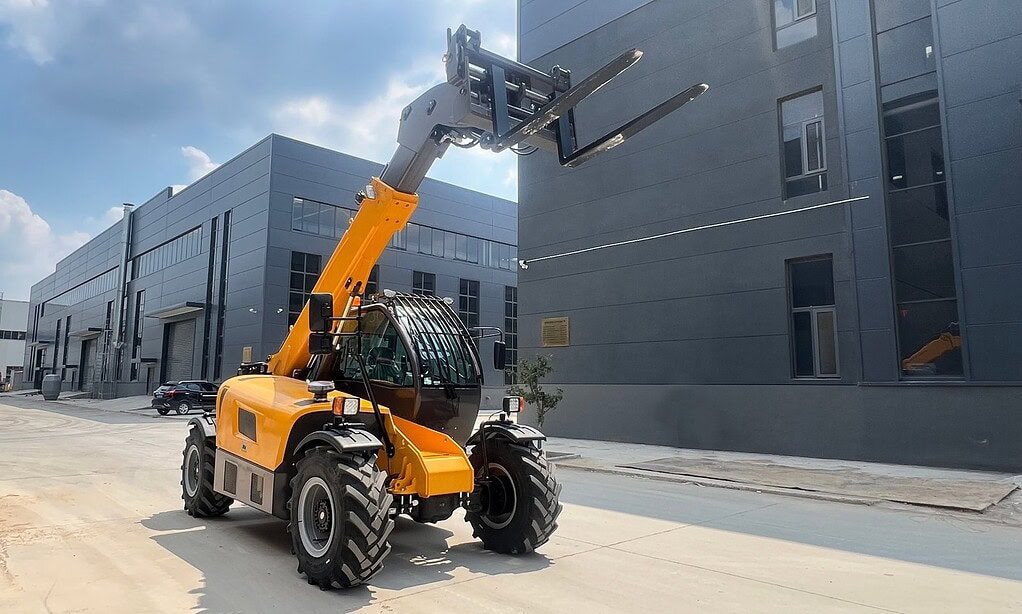
3. Boom Height and Reach
Another thing I’ve learned is that boom height и reach affect lift capacity. The taller the boom, the less weight the machine can lift when the boom is fully extended. Early in my career, I didn’t always think about this, and it caused some issues. I once tried to lift a heavy load with the boom fully extended and realized that it was way too much for the machine at that height.
Check out this table for a better understanding:
| Boom Extension | Lift Capacity at Extension |
|---|---|
| Full Extension (40 ft) | 4,000 lbs |
| Mid Extension (20 ft) | 7,000 lbs |
| Short Extension (10 ft) | 10,000 lbs |
I’ve had several experiences where choosing the right boom height was key. If you need to lift at great heights, you’ll want to ensure the telehandler can still safely handle the load.
4. Safety and Compliance
Safety is always my top priority. Operating a telehandler beyond its rated lift capacity can lead to accidents. I’ve worked with some great telehandlers that included safety features to prevent tipping, but the operator still had to pay attention to the load chart and follow safety guidelines.
One time, I witnessed a colleague ignore the load chart while trying to move a heavy load. The telehandler started tipping over, and it was a close call. Since then, I make sure I always stick to the lift capacity that’s safe for the height I’m working at.
Here’s a quick look at how the machine’s safety features relate to lift capacity:
| Подъем | Функции безопасности | Potential Risk |
|---|---|---|
| 6,000 lbs | Standard safety lock, Load chart | Load tipping, boom bending |
| 8,000-10,000 lbs | Advanced load sensors, Stability system | Overloading risk, instability |
| 12,000 lbs | Heavy-duty chassis, Hydraulic system | Equipment wear and tear, fuel cost |
Safety isn’t just about the machine’s features; it’s about understanding and respecting the limits. I can’t stress enough how important it is to consult the load chart every time you operate a telehandler.
5. Cost and Maintenance
When I started, I didn’t think much about the long-term costs of a telehandler. I was focused on the initial price. But over time, I realized that machines with higher lift capacities tend to have higher fuel consumption, and their maintenance costs are steeper.
The heavier the lift capacity, the more wear and tear the machine undergoes. Plus, repairs can get expensive.
| Подъем | Топливная эффективность | Затраты на техническое обслуживание |
|---|---|---|
| 6,000 lbs | Умеренный | Низкий |
| 8000 фунтов | Умеренный | Умеренный |
| 12,000 lbs | Высокий | Высокий |
Now, I always consider fuel and maintenance costs in the total cost of ownership. Sometimes, a smaller telehandler with a lower lift capacity can be a better investment in the long run.
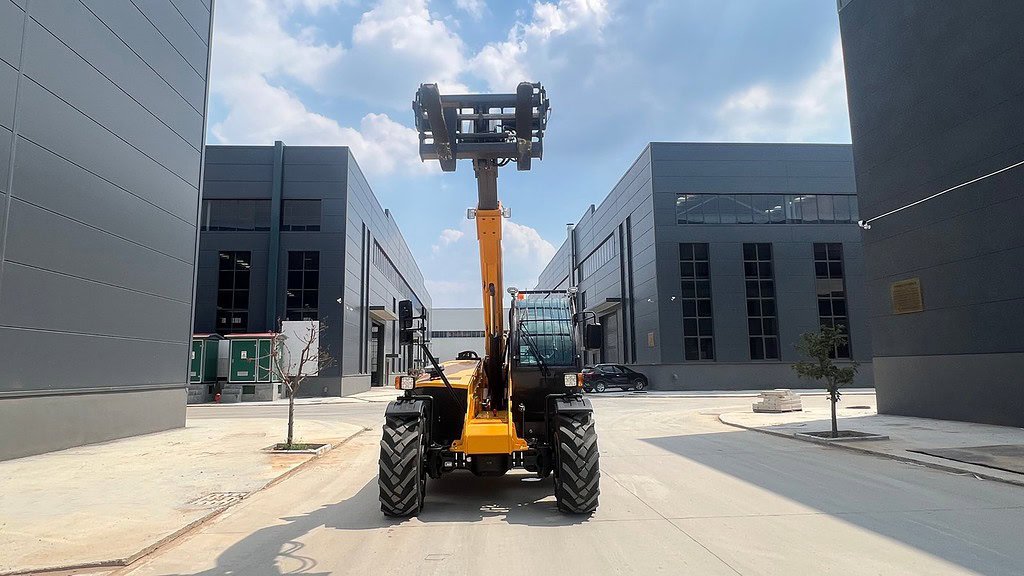
How to Choose the Right Telehandler Lift Capacity
Выбор права грузоподъемность телескопического погрузчика is essential for safety and efficiency on the job site. Over the years, I’ve learned that it all comes down to understanding your needs, the job site conditions, and the machine’s capabilities. Here’s how to choose the right lift capacity.
Step 1: Evaluate Your Needs
First, assess the tasks you’ll be doing. Heavy lifting, like steel beams or concrete, requires a higher lift capacity, while lighter material handling doesn’t. Here’s a quick guide:
| Тип задачи | Lift Capacity Required |
|---|---|
| Lifting heavy beams | 10,000-12,000 lbs |
| Material stacking | 6,000-8,000 lbs |
| Lifting smaller items | 4,000-6,000 lbs |
Step 2: Consider the Job Site
Next, look at the terrain и space on the site. Uneven ground or tight spaces may require a more powerful machine to ensure stability, even if it means sacrificing some lift capacity.
| Site Condition | Recommended Lift Capacity |
|---|---|
| Flat, stable terrain | 6,000-8,000 lbs |
| Uneven terrain | 8,000-10,000 lbs |
| Confined spaces | 4,000-6,000 lbs |
Step 3: Consult Load Charts
Check the telehandler’s load chart to understand its capacity at various boom heights. The lift capacity decreases as the boom extends, so always make sure the load you’re lifting is within safe limits.
| Boom Height | Подъем |
|---|---|
| 10 ft | 10,000 lbs |
| 20 футов | 8000 фунтов |
| 40 ft | 4,000 lbs |
Step 4: Make an Informed Decision
After considering your needs, site conditions, and consulting the load chart, choose the telehandler that meets the requirements. This ensures safety and maximizes efficiency on your site.
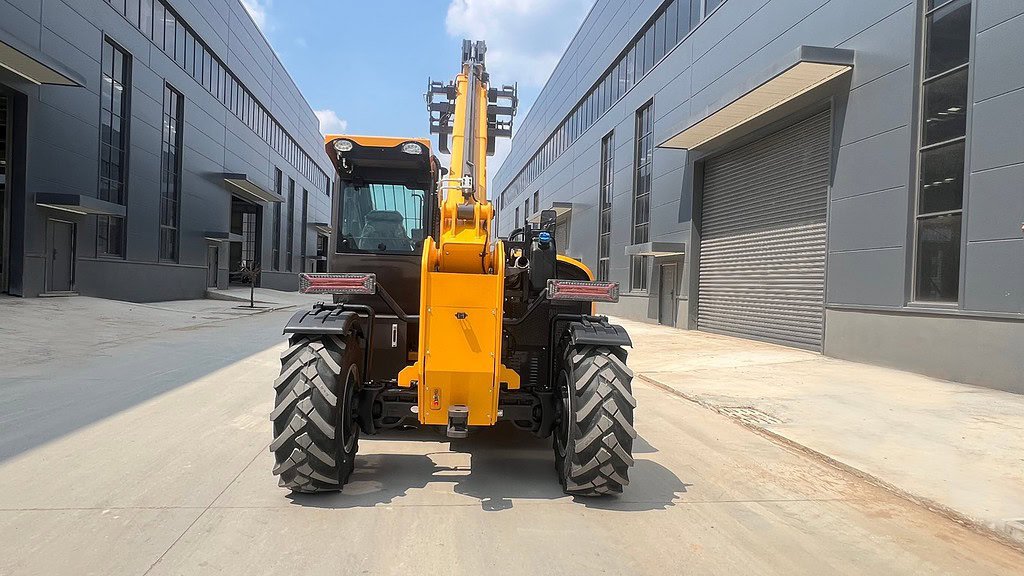
Заключение
After working with telehandlers for years, I can confidently say that the ideal telehandler lift capacity for construction sites depends on several factors. The type of work you’re doing, the conditions of the site, the boom height, safety standards, and the long-term cost all play a role in making the right choice.
It’s tempting to go for the highest lift capacity, but I’ve learned that it’s more about matching the lift capacity with the job at hand. Always consider your site conditions and work requirements first.
Now that you have a better understanding of how to choose the right lift capacity, take your time to evaluate your options carefully. And remember, safety always comes first.
Следуйте за нами на:YouTube.