Choosing the right used loader machine can make or break your construction project. Without the right equipment, you could suffer from inefficiencies and unforeseen costs that affect not only productivity but also costs, damaging your bottom line. To make the best decision when buying a used loader machine, use this guide to help you select the best machine to meet your needs.
Selecting the right used loader machine involves assessing your project’s requirements, machine size, and fuel efficiency. By evaluating key factors like terrain, performance, and brand reliability, you can make a smart purchase that balances cost and performance. This article covers everything you need to know for an informed decision.
Let’s take a closer look at the factors you should consider when choosing the right used loader for your needs:

Why Choosing the Right Used Loader Machine Matters for Your Project
A used loader machine is a piece of equipment that needs to do a certain task or tasks so you can make money. While it’s important to buy the right machine, when you’re using a machine like this the key to making money is to have it doing something at the site. As long as you don’t pay too much for it or put too much into it, it’s the machine that makes you money.
Factors to Consider When Choosing a Used Loader Machine:
- Project requirements: What tasks and materials are you pushing, lifting, carrying, etc.? This will dictate the type of loader you need.
- Loader condition: Look at how worn the components and the frame are, how many operational hours the loader has had, and the service history on it. This will give you some idea on what kind of life it has left in it.
- Total cost of ownership: Don’t forget to factor in the long-term costs of maintenance and fuel.
| Key Consideration | Importance | Example Impact |
|---|---|---|
| Project Requirements | Ensures the loader matches specific tasks | A loader too small might struggle with heavy materials |
| Machine Condition | Determines how long the loader will last | A poorly maintained loader will require frequent repairs |
| Total Cost of Ownership | Helps with long-term budgeting | A low upfront price might result in higher fuel/maintenance costs |
Different Types of Used Loader Machines: Finding the Right Fit for Your Job
Choosing the right type of used loader machine is crucial in order to get the best use out of your loader on different job sites. The most commonly recognized types are wheel loaders and crawler loaders, each which have their own unique advantages depending on the terrain and the type of work you’re doing.
Wheel Loaders vs Crawler Loaders:
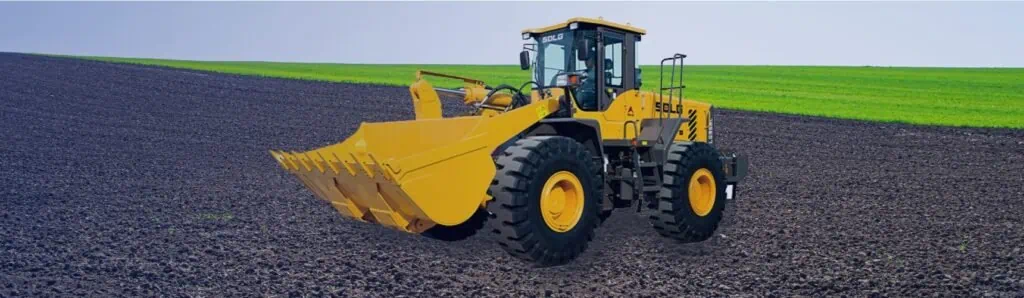
Wheel Loaders because the machine can travel anywhere, including from one corner of a job site to another. For instance, you see wheel loaders in road construction, where the project is mainly on flat land. You’ll also see them in material yards or other areas where you’re working on a solid, paved or gravel-type surface. A wheel loader can be a perfect choice.
Crawler Loaders are different, because they have tracks. They excel at two things. First, they provide better traction in certain conditions. On rough, soft, or uneven ground, the tracks maintain better stability and traction than rubber tires; it’s simply a fact. You’ll typically see crawler loaders in the latter stages of logging operations, in open-pit mines, throughout the western United States and Canada in areas where the ground has more wet, soft soil.
| Loader Type | Advantages | Ideal For |
|---|---|---|
| Wheel Loader | High mobility, fast travel, lower operating costs | Flat terrain, city construction sites, transportation |
| Crawler Loader | Superior traction, stability on uneven ground | Heavy-duty digging, mining, and landscaping on rough terrain |
crawler loaders are the appropriate choice for larger construction projects or where you are digging on uneven ground. If you are primarily material handling loading out and you need to move between sites relatively quickly, wheel loaders are often a better fit.

Size and Capacity: How to Choose the Right Used Loader for Your Project
Remember, you are comparing how much stuff a loader can lift and move at once with the term size. How fast it can do the work is what you are comparing with capacity.
Key Factors to Consider:
| Size/Capacity | Recommended Use | Loader Size (Bucket Capacity) | Example Models |
|---|---|---|---|
| Small Capacity | Landscaping, small construction projects | 1-2 cubic yards | SDLG LG936L, JCB 403 |
| Medium Capacity | Roadwork, general construction, material handling | 2-4 cubic yards | CAT 950, Komatsu WA320 |
| Large Capacity | Heavy-duty construction, mining, large-scale projects | 4+ cubic yards | Volvo L120H, Hitachi ZW310 |
The right size and capacity are whatever you need. If you’re doing a small or medium-sized job, the compact loader is easier to move around and will work just fine. The big loader will pick up or move
more material, faster.
Performance and Fuel Efficiency: Balancing Power and Cost
A fuel efficient loader will save you money on fuel in the long run, but you also need to make sure the machine has the power you need to work your project.
Performance Considerations:
- Engine power: Make sure it has enough horsepower to do the work efficiently, without being under-sized.
- Fuel efficient:The less fuel it burns by the hour, the more you’ll save. Especially
if you are on those machines for a long time.
| Model | Fuel Efficiency (L/hr) | Lifting Capacity (tons) | Price Range (USD) | Fuel Cost Estimate (per year) |
|---|---|---|---|---|
| CAT 950 | 15-18 | 3.5-4 | $30,000 – $50,000 | $10,000 |
| Komatsu WA320 | 12-15 | 3.0-3.2 | $35,000 – $55,000 | $9,000 |
| Volvo L60H | 14-16 | 3.2-3.5 | $40,000 – $60,000 | $9,500 |
A loader that is more fuel efficient might cost more money on the front end, but it can save you a ton of money on fuel costs during the job. I can’t remember the cost difference between the two, but for heavy, long hour jobs that last a year or two, a Komatsu WA320 that burns less fuel per hour saves you a lot of money.
Terrain Considerations: Best Used Loaders for Different Job Sites
Know what kind of terrain you are going to be working on. If it is really rough, soft, or uneven, you need a crawler loader because it gives you the stability and traction. If you are working on flat ground, you can move faster with a wheel loader.
Terrain Impact on Loader Choice:
- Rough Terrain: If your ground is really rough, soft, or uneven, you want a crawler loader because you have the most stability and traction.
- Flat Ground: If the ground you are working is flat, smooth and solid you can move quicker with a wheel loader.
| Terrain Type | Recommended Loader Type | Example Loader Models |
|---|---|---|
| Smooth, Hard Surface | Wheel Loader | CAT 950, Volvo L60H |
| Uneven, Soft Ground | Crawler Loader | Komatsu D275A, Hitachi ZW310 |
| Mixed Terrain | Versatile Loader | SDLG LG938L, JCB 435S |
The key is to buy the correct loader based on the terrain you are going to be on so you can be the most productive and safe.
Durability and Maintenance: Protecting Your Investment in a Used Loader
They are very cost-effective; however, that cost savings comes from the need to out-think the purchase. Make sure you buy a good, quality piece of equipment that’s had good maintenance over the years and has been restored or updated with necessary parts so it can operate for a long time.
Maintenance Tips for Used Loader Machines:
- Check the Service History: Machines with a clear maintenance record are more reliable.
- Look for Wear and Tear: Inspect the machine. Is there visible wear on the bucket, engine, transmission, etc.? Wear often means things will need fixing.
| Key Maintenance Area | What to Check | Impact of Neglect |
|---|---|---|
| Engine Condition | Check oil levels, engine hours, and recent repairs | An inefficient engine may lead to high fuel costs and breakdowns |
| Hydraulics | Inspect hydraulic hoses and cylinders | Leaking hydraulics can cause low performance and costly repairs |
| Transmission | Look for smooth shifting and any signs of leaks | A malfunctioning transmission could lead to expensive repairs or replacement |
The rugged lifestyle log loaders lead means regular inspections of key wear areas. By focusing on these areas, you can extend the life of the used loader and minimize costly downtime.
Budget and Cost Considerations: Getting the Best Value for Your Money
Budget Breakdown:
- Initial Price: Used loaders are going to be cheaper than a new one, but it’s still a lot of money.
- Long-Term Costs: Remember, you’ve got to buy fuel, maintain it, and there may be some repairs in the future. If you add up a year’s worth of ownership and factor in annual maintenance, it could still be a cheap format.
| Model | Initial Cost (USD) | Maintenance Cost (per year) | Operational Cost (Fuel) | Total Cost of Ownership (per year) |
|---|---|---|---|---|
| CAT 950 | $30,000 – $50,000 | $2,000 – $3,000 | $10,000 | $15,000 – $20,000 |
| Komatsu WA320 | $35,000 – $55,000 | $1,500 – $2,500 | $9,000 | $14,500 – $19,500 |
| Volvo L60H | $40,000 – $60,000 | $2,500 – $3,500 | $9,500 | $16,000 – $21,000 |

Brand Selection: Top Brands for Used Loader Machines
Another tip to consider while buying a second-hand loader machine is to go with a trusted brand. If you buy a CAT, Komatsu, or Volvo loader, they are built to last and last.
| Brand | Popular Models | Strengths |
|---|---|---|
| CAT | CAT 950, CAT 966 | Proven durability, strong resale value |
| Komatsu | WA320, WA470 | Fuel-efficient, low maintenance costs |
| Volvo | L60H, L90H | Excellent fuel economy, versatile designs |
Conclusion:
Your choice of a used loader machine is tremendously important to your project. Based on your project needs, what type of machine you need, what size machine you need, how fuel efficient a machine will be, and the long-term costs of that purchase, you can make a decision based on the information you’ve collected that will not only fit your budget, but will keep you, your people, and your company in business by allowing you to get your work done every day.
Talk to your trusted suppliers, bring the machines in, whatever, and take a look. Once you get down to two or three different machines, do your inspections and check everything out. Then make your own decisions. Don’t be in too big of a hurry and make a mistake. Get the machine that’s best for you and your project, so your project will run on time, will run right, will run efficiently, and you’ll save time and money doing it!
Follow us on :YouTube.