Having fuel pressure is crucial to excavator performance. If you have low pressure or high pressure, you are going to have issues. Low pressure means your engine pulses instead of running smooth. High pressure means you can
blow everything apart if not managed correctly. Understanding how a fuel pressure issue can affect your machine’s performance allows you to avoid the pain associated with undue wear and unnecessary repairs.
Fuel pressure is critical for excavator engine performance. A faulty fuel pressure regulator or malfunctioning fuel rail pressure sensor can lead to poor engine power, reduced fuel efficiency, and costly repairs. Learn how to check fuel pressure and maintain optimal levels to ensure your excavator runs smoothly and efficiently. This guide covers everything you need to know.
Let’s explore what fuel pressure is, its impact on your excavator, and how to keep it in check for optimal performance.
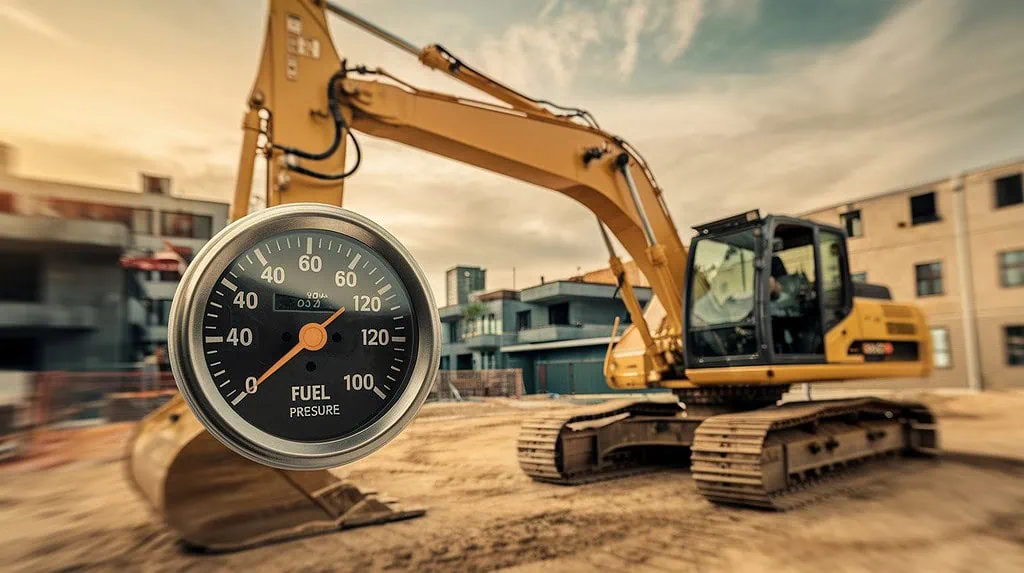
What Is Fuel Pressure and How Does It Affect Excavator Engines?
The fuel system of an excavator includes a fuel pump that can generate fuel pressures ranging from 5,000 to 30,000 psi. The high-pressure pump provides the specific flow and pressure necessary for the engine to operate properly. If your fuel system is not generating the correct pressure, the engine will not run correctly, and it will cost you more to operate, period.
When pressure is right, it operates smoothly, delivers power and has good fuel efficiency. If the pressure is too high or too low, the engine operates poorly, lacks power and fuel efficiency drops. For example, if the pressure is too low, not enough fuel gets to the engine. The engine might misfire, feel down on power, be hard to start and possibly stall. If the pressure is too high, too much fuel goes into the engine. This wastes fuel, and can cause damage inside the engine.
The reason for having the correct pressure is to make sure the fuel injectors are spraying the right amount of fuel into the combustion chamber for proper combustion. If the pressure is incorrect, then the fuel won’t be sprayed in there properly, and all sorts of things can go wrong. And typically, they are not minor things; they are big things that require some significant repair and more frequent maintenance to correct.
What Role Does the Fuel Pressure Regulator Play in Maintaining Optimal Fuel Pressure?
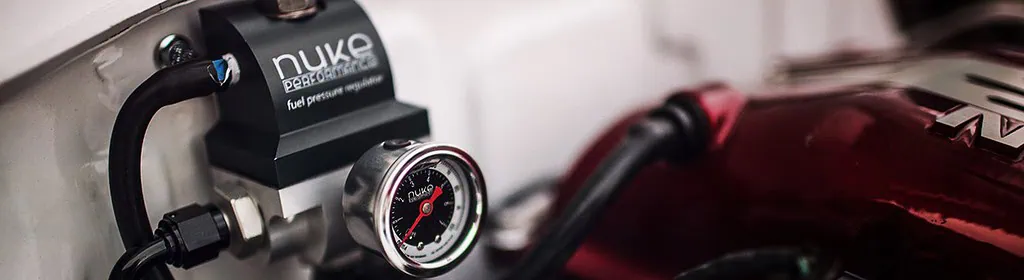
The fuel pressure regulator is one of the most important components in the fuel system of your heavy equipment machine. Its job is to maintain the correct fuel pressure, which is crucial for your engine to run correctly. It works by controlling the pressure of the fuel that goes to the engine’s fuel injectors. When the pressure exceeds a certain level, the fuel pressure regulator opens up a valve and allows the excess fuel to go back to the tank. That way, the fuel pressure can’t get too high.
Keeping the pressure correct is important. If the pressure is too high, fuel can flow too much, which hurts both fuel efficiency and engine power. If the pressure goes too low, there may not be enough fuel getting to the engine to run properly, causing poor drivability, stalling or hard starting.
If the pressure regulator is not working at all, you will get high fuel pressure, which can damage the engine, or at the very least, the engine won’t run right. On the other hand, if the regulator is stuck or not working, you can wind up with very low pressure being bled off to the tank. At that point, the engine doesn’t get enough fuel, so it won’t run well. Make sure you watch this part and replace it as needed to keep your machine running right.

How Does the Fuel Rail Pressure Sensor Monitor Fuel Pressure in Excavators?
The ECU uses this pressure information to adjust the injector pulse width and therefore the fuel delivery to the engine. The fuel rail pressure sensor is directly related to engine performance in multiple ways. If the fuel pressure is too low, the engine may starve for fuel. If fuel pressure is too high, the engine may run excessively rich, poorer fuel economy, and other symptoms related to a rich condition.
The Engine Control Unit (ECU) reads the data from the sensor, and adjusts the fuel injection timing and fuel flow to ensure that the engine gets the proper fuel pressure to create combustion. This creates a feedback loop that helps keep the engine running at its best in order to maintain power and fuel economy. If the fuel rail pressure sensor fails or malfunctions, it can no longer send an accurate reading of fuel pressure to the ECU. This can cause improper fuel injection, engine hesitation, poor acceleration, and possible engine misfires. A bad fuel pressure
sensor can cause the engine to run under improper fuel pressure conditions, reducing engine efficiency and increasing fuel usage.
To avoid these issues, it’s important to ensure the fuel rail pressure sensor is functioning correctly and replace it if it starts to fail – such as throwing error codes in the ECU, causing the engine to run improperly, or causing an engine misfire. Regularly monitoring this sensor can prevent costly repairs and downtime by catching potential issues before they waylay your machine.
How Can You Check Fuel Pressure in an Excavator?
Checking fuel pressure in an excavator is a relatively straightforward process, but it requires some basic tools and knowledge of the excavator’s fuel system. Here is a step-by-step guide on how to properly check fuel pressure:
Gather Necessary Tools
You’ll need a pressure gauge, which can be picked up at almost any auto parts store or a shop that sells heavy equipment. You’ll also need wrenches to disconnect any fuel lines, gloves and goggles to protect against fuel spillage.
Locate the Fuel Pressure Test Port
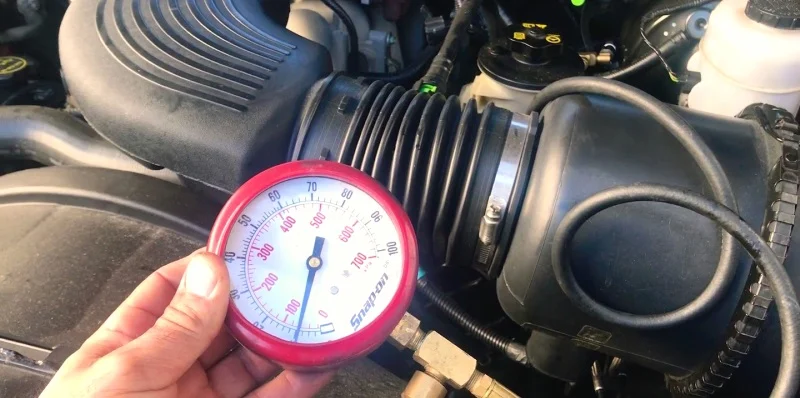
Make sure the test port is clean before attaching the gauge. Then, follow the manufacturer’s instructions to take a fuel pressure reading. Some manuals will tell you to crack the bleeder on the fuel rail to let air out. Once you get a steady stream of fuel, you know your line is bled. Then, you can watch the pressure gauge’s reading.
Connect the Fuel Pressure Gauge
Once you’ve located the test port, use the included connector to securely attach the fuel pressure gauge to the port. Once you’ve got it connected, look for any signs of leaks at the connection. Tighten it down with a wrench if need be. The last thing you want is a loose fitting shooting pressurized fuel all over the engine compartment.
Start the Excavator Engine
With the pressure gauge in place, start the engine. Let it idle for a couple of minutes so everything can stabilize. If we had an actual specification this thing should stabilize out, holding at a specific level. That amount will vary depending on manufacturers and models, but commonly it will be in the 35-55 psi range for most applications.
Read the Gauge and Evaluate the Results
Now look at your pressure gauge. If it’s within the range that you spec out, then you’re good to go. If the pressure is either too high or too low, you’ve got an issue either with the fuel pump, the fuel pressure regulator, or a component in the fuel system that’s causing the issue.
Troubleshooting Low or High Fuel Pressure
maybe, the pressure is low. You could have a clogged fuel filter, a failing fuel pump, or some other issue why you’re not getting the drone pressure you need. Think about it for a minute. Instead of your pressure being too low, what if it’s too high? It might signal the fuel pressure regulator isn’t working right. Either it or the components we talked about earlier must be replaced or repaired for this unit to run properly.
What Happens If Fuel Pressure Is Too Low or Too High?
Low pressure is bad for an engine because the engine won’t operate properly. Think of the symptoms of a low fuel pressure engine. It may have trouble starting, it may be hard to get it started, it won’t accelerate like it should, it may die at an idle, it will die at higher RPMs, it may stumble, it may miss, it may fire, and not catch. The engine will consume more fuel and operate less efficiently, which costs you more money.
Some common causes of low fuel pressure include:
- Restricted fuel supply: One cause is a dirty fuel filter. When the fuel filter is clogged with debris, it reduces the flow of fuel. Because you get less fuel, your fuel pressure drops from what it should be.
- Weak or failed fuel pump: Your fuel pump is weak, and it fails to provide the pressure the fuel system needs to operate properly.
- Fuel leak: A fuel line leaks. You’ve lost fuel out of the fuel system. You won’t have the pressure you need because you’re losing fuel before it gets to the engine.
The way you fix this is to take the old injectors you just removed and install a new or rebuilt injector in its place. Now your pressure is back up, and your engine operates like it should.
High Fuel Pressure: Over time, if your pressure is too high, the fuel system won’t work correctly. If the pressure is too high, you have too much fuel at the back of the injector. Too much fuel inside the injector means too much fuel in the cylinder. When the fuel ignites, it can damage the tip of the injector, the pistons, the liners, and the head. It can cause all kinds of damage to the engine, including cracked liners, burned pistons, and damaged injectors. When it goes bad, it can lead to extensive repairs and possibly even a complete engine overhaul.
- Poor fuel mileage: It cannot operate with too much fuel. Poor fuel economy results from having too much fuel inside the engine burning at a time.
- Poor performance: Your engine has a hard time maintaining a steady speed or running smooth because it’s been flooded with too much fuel before it ignites.
- Possible injector damage: With too much fuel pressure behind the injector, it’s like clutching your car out in third gear. It’s a lot of force on that injector that’s pushing it too much of the time. You can burn up or wear out your fuel injectors prematurely.
High fuel pressure is the opposite of low fuel pressure. It’s often caused by a faulty fuel pressure regulator, a failing fuel pump, or a clogged return line. You need to keep an eye on these items during your regular inspections, and if you find high fuel pressure, a proper fuel pressure test will lead you to the source of the problem.
What Are the Common Causes of Fuel Pressure Problems in Excavators?
Fuel pressure problems are typically due to something going wrong in the fuel system of an excavator. The three most common reasons you find low fuel pressure in an excavator are:
Clogged Fuel Filter
A clogged fuel filter restricts fuel flow, resulting in low fuel pressure. Dirty fuel filters become clogged with debris and contaminants. The debris and contaminants block the flow of fuel to the engine, lowering fuel pressure. When a fuel filter gets dirty, it’s difficult for the engine to get the fuel it needs, which results in poor engine performance. When you run a system with a dirty fuel filter and low fuel pressure, you end up causing misfires, the vehicle stalls and judders, and it burns way more fuel than it would otherwise.
Faulty Fuel Pump
The fuel pump has a critical role in maintaining pressure. It pumps fuel from the fuel tank into the fuel rail, keeping the proper pressure in the fuel system. If it fails or gets weak, then it can’t produce enough pressure to keep the fuel system at the proper operating pressure.
Malfunctioning Fuel Pressure Regulator
The pressure regulator’s job is to maintain a specific pressure within the fuel system of your engine. It keeps that pressure within a range that’s good for the engine to run. When it fails, it either pumps too much pressure into the system, resulting in high fuel pressure, or it pumps too little pressure, causing low fuel pressure. This malfunction results in poor engine performance, terrible fuel mileage, and the engine tends to die every time you put the vehicle in gear or apply the brakes.
Contaminated Fuel
You can also have a problem with dirty or bad fuel. If you’ve got water in your fuel system, dirt, or debris that people mixed in with your fuel when you were trying to buy the cheapest fuel possible, your fuel system components could get clogged. They could become dirty and covered in nasty gunk, which leads to low fuel pressure and terrible engine performance. Worse, that dirt can start tearing up your fuel system over time.
How Can You Maintain Optimal Fuel Pressure for Better Excavator Performance?
To maintain proper pressure and avoid expensive damage to the engine, you must keep all of these systems running at the proper levels. You need to keep fuel pressure in the proper range, pure, and free of contaminants to maintain the engine’s performance over its long life.
Regular Fuel System Inspections
You need to look at the components of your fuel system, like fuel filters, fuel pumps, fuel pressure regulators, and lines constantly! You need to see if there are any loose clamps, hoses cracking, problems with fuel rail connections, stuff seals, or rubber grommets that look shabby. Look for anything that’s out of place or looks unusual.
Replace the Fuel Filter Regularly
Your fuel filter is another essential piece because it keeps dirt, sand, and other things out of your fuel system. If it gets stopped up, it will restrict the amount of fuel that can flow through it and lead to low fuel pressure. Replace it on time according to manufacturer’s recommendations, so you keep the fuel flowing through it and keep the pressure at the optimum levels.
Check the Fuel Pressure and Pressure Regulator
Check pressure using a pressure gauge to ensure it stays within proper range for the engine. This will tell you right away if you drop too low or run too high. If it doesn’t match what’s in your service manual, then your fuel pressure regulator might be on the fritz and need replacing.
Use High-Quality Fuel
Do not skimp on fuel quality. Do not get fuel from places where lots of water or dirt gets in the fuel. Only get clean, good fuel with the right cetane rating for the diesel engine. If you have a contaminated fuel problem, you’ll clog up something in the fuel system.
Monitor the Fuel Rail Pressure Sensor
The fuel-rail pressure sensor is another important component. If it fails, acts up, or doesn’t respond correctly, it’ll either starve the fuel system or flood it out. This situation causes hard starts, rough idles, misfires, poor acceleration, or poor fuel mileage. Keep an eye on the fuel-rail pressure sensor. If it acts up, replace it.
Conclusion
Fuel pressure is important to your engine’s performance and efficiency. Too much and you’ll flood the engine. Too little and the engine won’t start. Outside of these conditions, a low fuel pressure issue is likely going to make your engine run poorly, misfire, and burn more fuel. A high pressure condition can also make your engine run poorly and cause it to be hard to start. Look at items like the pressure regulator, fuel rail pressure sensor, and the fuel filter to create a situation of poor fuel pressure. Regular attention to these items can help keep everything in order.
By understanding the importance of fuel pressure and addressing problems early, you can avoid expensive repairs and maximize the lifespan of your excavator. Proper maintenance of your fuel system is the key to keeping your equipment running smoothly and efficiently for years to come.Our company mainly sells second-hand excavators. If you need to buy or have related questions, please feel free to contact me.