Many people have seen a machine that looks like a forklift but can reach impossible heights and distances. Misunderstanding this versatile equipment can lead to costly mistakes.
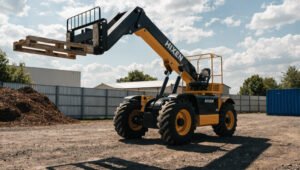
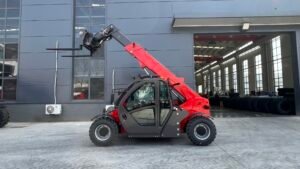
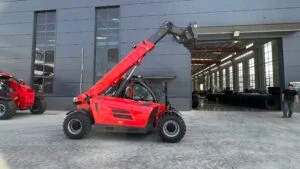
Telehandlers, also known as forklifts with telescopic booms, are highly versatile machines that combine the functions of a forklift, a crane, and an aerial work platform. They use an extendable boom to lift and place loads at various heights and reaches, making them essential for diverse tasks.
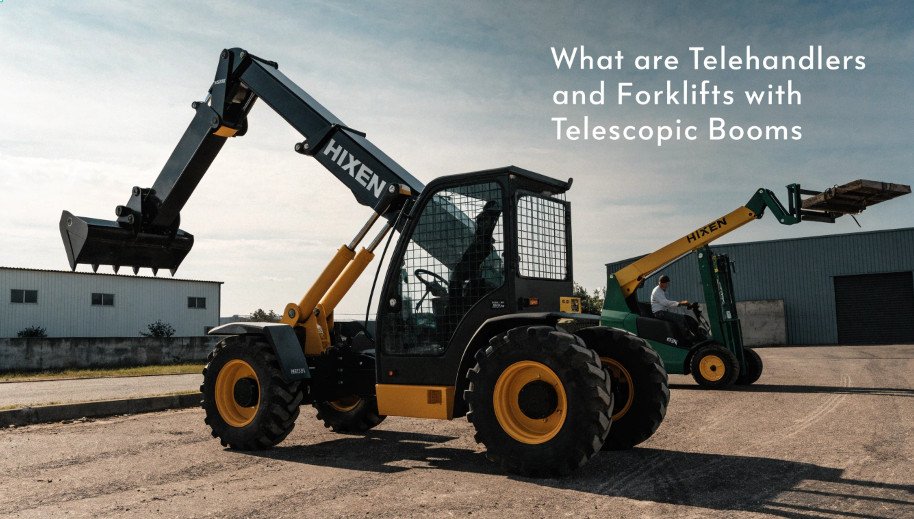
When I first encountered one of these impressive forklifts with telescopic booms on a construction site years ago, I was immediately struck by its capabilities. It seemed to do everything! If you are just starting to explore the world of heavy equipment, or perhaps you are wondering what truly makes forklifts with telescopic booms so indispensable, then this guide is for you.
What’s in a Name for Forklifts with Telescopic Booms?
Ever found yourself confused by the different names for these machines? This initial confusion is common, and it is the first hurdle many people face when learning about forklifts with telescopic booms.
It is easy to call these machines simply “forklifts,” but that misses their unique capabilities. Clarifying the terminology is the first step to understanding what forklifts with telescopic booms truly are and what they can offer.
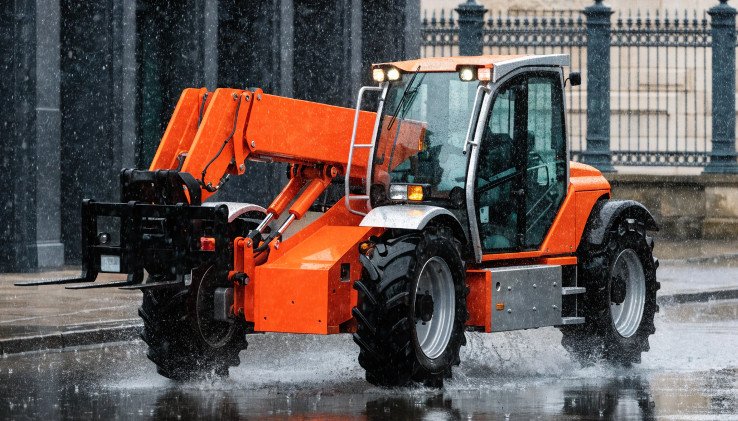
Deconstructing the Terminology for Forklifts with Telescopic Booms
When we talk about forklifts with telescopic booms, we often hear several names, and it is easy to get them mixed up. I want to clear up this common confusion right away. The most universal term you will find across the globe is “Telehandler.” This is short for “telescopic handler,” which describes its primary function: handling materials with a telescopic arm. Then we have “Telescopic Forklift,” which directly highlights the “forklift” aspect combined with the “telescopic” reach.
Some might use “Reach Forklift,” particularly in warehousing, to emphasize the extending capability, though this can sometimes be confused with an “order picker” or “reach truck,” which are distinct indoor warehouse machines. Another term, “Rough Terrain Forklift,” focuses on the machine’s ability to operate on uneven ground, but it does not always imply the telescopic boom feature. Finally, “Boom Lift” is a term often mistakenly used, as a boom lift typically refers to an aerial work platform (like a cherry picker) designed primarily for lifting people, not heavy loads.
Here is a quick look at the common names and what they mean:
| Name | Description |
|---|---|
| Telehandler | The most common international name, short for “telescopic handler.” It is the go-to term for forklifts with telescopic booms. |
| Telescopic Forklift | Directly describes a forklift equipped with a telescopic, extendable boom. This term clearly indicates its dual nature. |
| Reach Forklift | Emphasizes the ability to extend and reach, often used to describe forklifts with telescopic booms that can place loads at a distance. |
| Rough Terrain Forklift | Highlights off-road capabilities, but does not always imply a telescopic boom. Many forklifts with telescopic booms also have rough terrain capabilities. |
| Boom Lift | Commonly confused, but this usually refers to an aerial work platform (like a cherry picker) for lifting personnel, not primarily for material handling. A telehandler can have a boom lift attachment. |
The key difference lies in how they lift. A standard counterbalance forklift uses a vertical mast to lift loads straight up and down, keeping the load close to the machine. A forklift with a telescopic boom, however, has an arm that can extend forward and upward, giving it a much larger working radius. This means it can reach over obstacles, into truck beds, or onto higher floors, which a traditional forklift simply cannot do. It is important to remember that forklifts with telescopic booms are distinctly different from the “reach trucks” you might find in a warehouse; those are designed for dense indoor storage, not outdoor, versatile material handling.
What Exactly is a Forklift with a Telescopic Boom, Fundamentally?
Have you ever wondered what core design allows these machines to be so incredibly versatile? Understanding the basic architecture of forklifts with telescopic booms is essential to appreciating their capabilities.
The fundamental design is not just about lifting; it is about extending, reaching, and adapting. This makes forklifts with telescopic booms far more than just a regular lifting device.
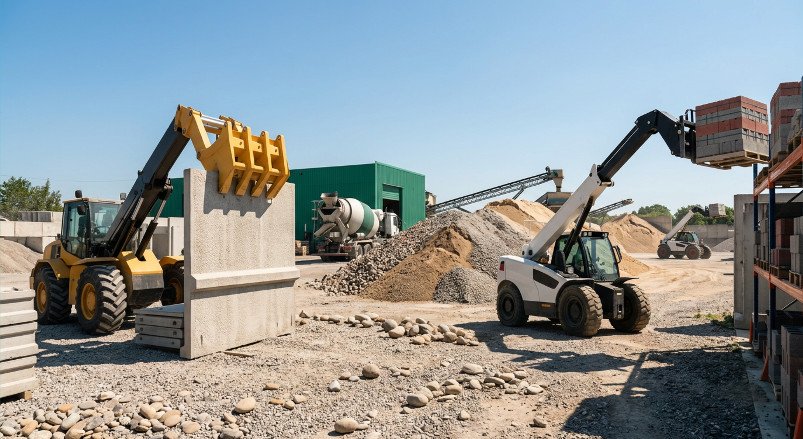
The Core Design of Forklifts with Telescopic Booms
At its heart, a forklift with a telescopic boom is an engineering marvel that effectively combines the functions of three distinct machines: a forklift, a crane, and an aerial work platform. I like to think of it as a “three-in-one” solution for heavy lifting and placement tasks. The magic lies in its telescopic boom, which is a multi-section arm that extends and retracts through hydraulic cylinders.
This mechanism allows the boom to not only lift vertically but also to extend horizontally, enabling it to reach across gaps, over obstacles, or deep into truck trailers. This extending capability is the most significant differentiating factor when comparing forklifts with telescopic booms to traditional forklifts, which are limited to vertical lifting via a mast.
Here are the key components that define forklifts with telescopic booms:
- Chassis: This is the base of the machine, housing the engine, transmission, operator’s cabin, and wheels. It provides stability and mobility. Our HIXEN
forklifts with telescopic boomsare designed with robust chassis that ensure stable operation even under challenging conditions. - Telescopic Boom: This is the core component. It consists of several sections that slide within each other, similar to a telescope. Hydraulic cylinders push these sections out to extend the reach and pull them back in to retract. This unique boom mechanism makes
forklifts with telescopic boomsindispensable on diverse job sites. - Quick Attach System: Located at the end of the boom, this system allows for rapid and easy changing of various attachments. This versatility is a major selling point for
forklifts with telescopic booms. - Attachments: These are the tools that connect to the quick attach system, transforming the machine’s function. Common attachments include pallet forks, buckets, lifting jibs with hooks, and work platforms. This adaptability means
forklifts with telescopic boomscan perform a wide range of jobs with just one base machine.
The robust hydraulic system is what powers the boom’s extension and retraction, as well as the operation of various attachments. This ensures precise control and powerful lifting capabilities, making forklifts with telescopic booms incredibly efficient and effective for a variety of tasks. It is this fundamental design, centered around the telescopic boom, that allows them to perform complex material handling tasks that no other single piece of equipment can manage as efficiently.
What Can These Versatile Forklifts with Telescopic Booms Actually Do?
Are you curious about the incredible range of tasks these machines can handle? The utility of forklifts with telescopic booms extends far beyond simple lifting.
Their true power lies in their multifunctionality, allowing them to excel in diverse environments. Understanding their core applications will highlight why forklifts with telescopic booms are so valuable.
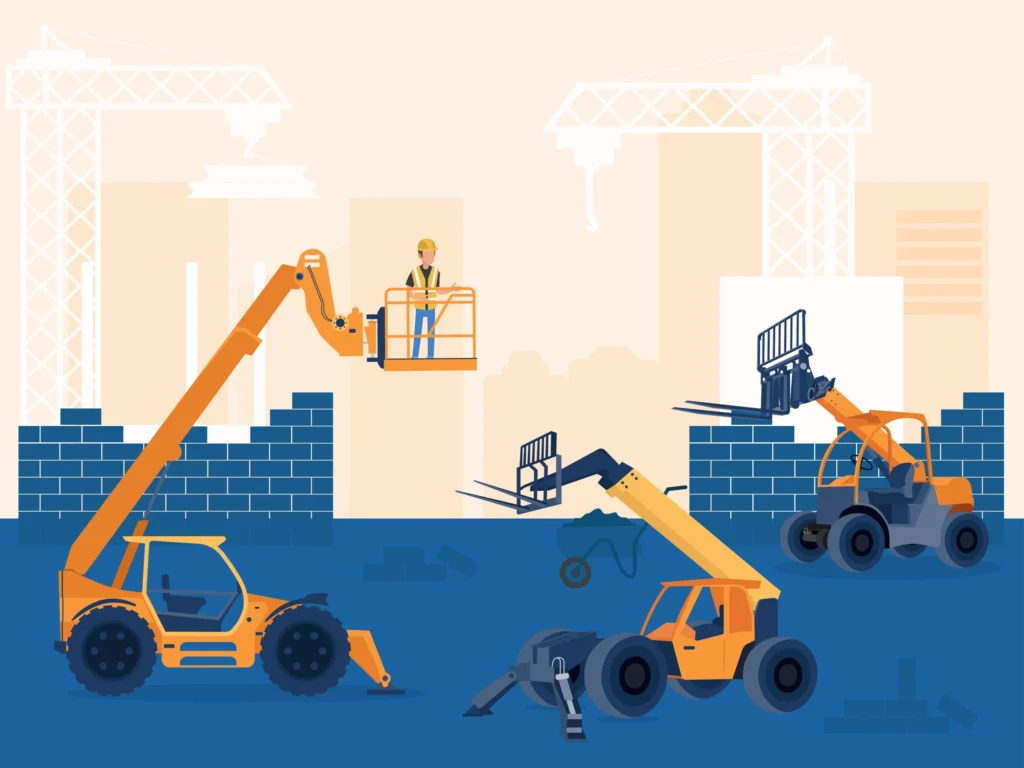
Core Application Scenarios for Forklifts with Telescopic Booms
When someone asks me what forklifts with telescopic booms can do, I often summarize it with three actions: “Fork, Lift, and Reach.” They can fork like a standard forklift, lifting pallets and materials. They can lift to incredible heights, far beyond what a regular forklift can achieve. And most importantly, they can reach, extending loads forward over obstacles or into tight spaces. This combination makes forklifts with telescopic booms a true workhorse across many industries.
Let me explain some typical application scenarios where our HIXEN forklifts with telescopic booms truly shine:
Construction Sites:
- Material Placement:
Forklifts with telescopic boomsare invaluable for lifting bricks, mortar, steel beams, and other building materials from ground level to various floors of a multi-story building. This significantly speeds up construction processes. - Site Maneuverability: In often-cluttered construction environments, their ability to reach over existing structures or materials allows for efficient movement and placement of new loads. They can also navigate rough, uneven ground, a common feature of construction sites.
- Alternative to Cranes: For many medium-sized vertical material transport tasks,
forklifts with telescopic boomsoffer a more agile and cost-effective alternative to larger, slower-to-set-up tower cranes. This makesforklifts with telescopic boomsa go-to machine.
Agriculture/Farms:
- Bale Handling: Farmers use
forklifts with telescopic boomsto efficiently move large hay bales, silage, or feed bags around the farm. - Cleaning and Loading: They are perfect for cleaning out livestock pens and loading manure or other agricultural products onto trailers.
- Field Work: With their four-wheel drive and large, rugged tires, these
forklifts with telescopic boomscan operate effectively in muddy fields, a necessity for agricultural work.
Warehousing/Logistics:
- Truck Loading/Unloading: The boom’s ability to extend means
forklifts with telescopic boomscan place or retrieve goods from deep inside truck trailers, maximizing efficiency. - High Rack Storage: They can be used to place or retrieve goods from high shelving, acting as a powerful alternative to high-mast forklifts in certain scenarios, especially if outdoor or rough terrain access is also needed.
Municipal/Maintenance:
- Public Works: Equipped with an aerial work platform attachment,
forklifts with telescopic boomscan be used for tasks like street light maintenance or tree trimming. - Road Construction: They are adept at moving pipes, barriers, and other materials required for road building and maintenance.
My personal experience shows that these forklifts with telescopic booms are not just about lifting; they are about solving complex logistical challenges on site, making operations smoother and safer.
How Do Forklifts with Telescopic Booms Differ from Standard Forklifts?
Are you still wondering if you need a standard forklift or one of our forklifts with telescopic booms? This is a fundamental question for many potential buyers.
Understanding the direct comparisons between these two types of machines helps clarify their distinct roles. It is not about one being better, but about which one fits your specific needs.
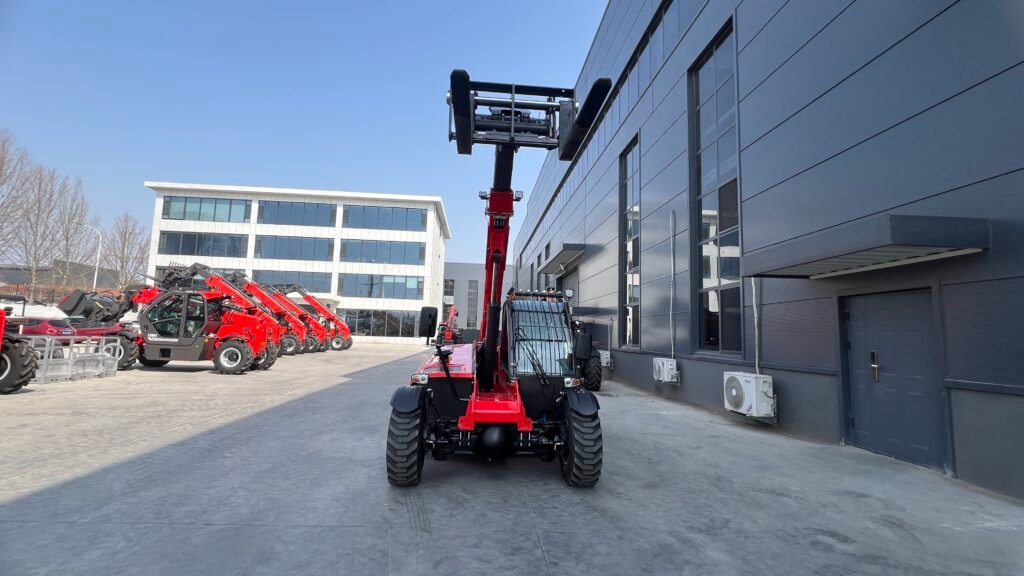
A Clear Comparison: Forklifts with Telescopic Booms vs. Standard Forklifts
When clients ask me whether they should choose a standard forklift or one of our forklifts with telescopic booms, I always tell them to consider their typical working environment and tasks. The differences are significant, and choosing the right machine can dramatically impact efficiency and safety. While both are designed for lifting and moving loads, their mechanisms and capabilities are quite distinct. A standard counterbalance forklift primarily uses a vertical mast, meaning it lifts items straight up and down, keeping the load centered and close to the machine. Its main strength is stability and maneuverability in confined, flat spaces, often indoors.
On the other hand, forklifts with telescopic booms are built for much more dynamic and challenging environments. Their extendable boom gives them a “reach” that goes far beyond the vertical limits of a standard forklift. This means they can place loads not just up high, but also forward, enabling them to access areas that would otherwise require multiple pieces of equipment or manual labor. This versatility is why forklifts with telescopic booms are often called the Swiss Army knife of heavy equipment.
Here is a detailed comparison to highlight the key distinctions:
| Feature Dimension | Standard Forklift (Counterbalance) | Forklift with Telescopic Boom |
|---|---|---|
| Lifting Mechanism | Vertical mast, lifts straight up and down | Extendable boom, lifts up, out, and forward |
| Working Range | Limited to directly in front, vertical only | Forward, upward, and horizontal extension |
| Max Lift Height | Typically 3-6 meters | Typically 6-17 meters, some reach 30+ meters |
| Terrain Capability | Mostly indoor/hard, even surfaces | Four-wheel drive, large tires, works on rough/muddy ground |
| Attachment Variety | Primarily forks, some clamps | Wide range: forks, buckets, hooks, platforms, etc. |
| Maneuverability | Compact, excellent for tight indoor spaces | Larger footprint, better suited for outdoor/open areas |
| Primary Use Cases | Pallet transport, indoor warehousing, basic stacking | Construction, agriculture, heavy-duty outdoor material handling |
| Cost | Generally lower for entry-level models | Generally higher, reflecting multifunctionality |
In short, if your operations are primarily on flat, paved surfaces, focusing on short-distance pallet transport and stacking, a standard forklift might suffice. However, if your work involves reaching higher, extending further, navigating rough terrain, or requiring a single machine to perform multiple types of tasks, then a forklift with a telescopic boom is the superior choice. Our HIXEN forklifts with telescopic booms are specifically designed for these challenging, multi-faceted operations.
Can One Forklift with a Telescopic Boom Really Replace Multiple Machines?
Have you ever considered how much time and money you could save by having one machine do the job of many? This is a game-changer for many businesses.
The ability of forklifts with telescopic booms to swap attachments quickly means unparalleled operational flexibility. This transformational feature is often underestimated.
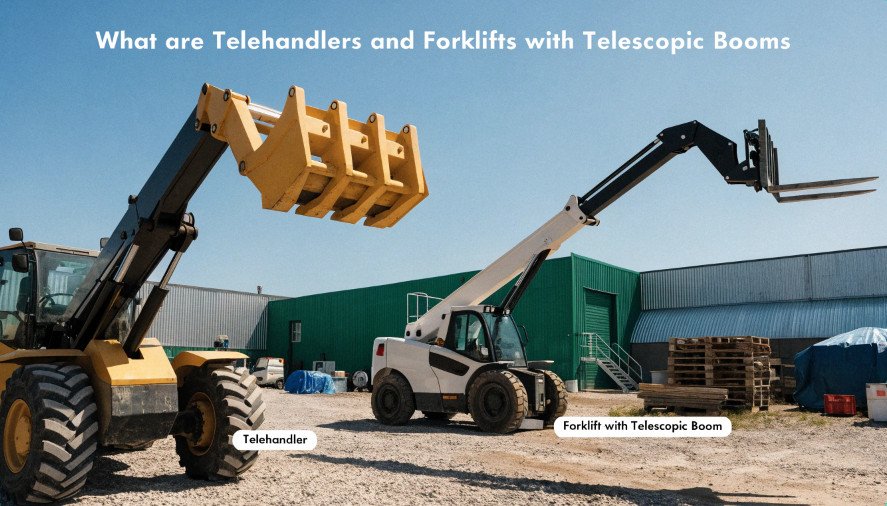
The Attachment Advantage of Forklifts with Telescopic Booms
One of the most compelling aspects of forklifts with telescopic booms is their incredible versatility, primarily achieved through a wide range of interchangeable attachments. I often tell our customers that this is where the forklift with a telescopic boom truly earns its “multi-tool” reputation. Imagine needing a machine to move pallets in the morning, then switch to scooping up gravel in the afternoon, and later lift workers to repair a high point.
With a standard forklift, you would need three separate pieces of equipment or a lot of manual labor. With our HIXEN forklifts with telescopic booms, you just swap the attachment, and you are ready for the next task in minutes. This quick-change capability significantly reduces equipment costs, maintenance, and the need for multiple operators.
Let us explore some of the most common and useful attachments for forklifts with telescopic booms:
| Attachment | Primary Use Case | Benefits for Forklifts with Telescopic Booms |
|---|---|---|
| Pallet Forks | Moving palletized goods, bricks, bagged materials, standard material handling. | Transforms the forklift with a telescopic boom into a powerful, high-reach forklift for traditional loads. |
| Buckets | Scooping and moving loose materials like sand, gravel, soil, grain, snow, or rubble. | Allows the forklift with a telescopic boom to function as a compact wheel loader for bulk materials. |
| Lifting Jibs/Hooks | Craning and lifting heavy, awkward items such as engines, steel beams, pipes, or pre-fabricated structures. | Enables the forklift with a telescopic boom to act as a mini-crane for precise placement or lifting operations. |
| Aerial Work Platforms | Lifting personnel safely for tasks like maintenance, installation, inspection, or repairs at height. | Turns the forklift with a telescopic boom into an effective and stable mobile elevating work platform. Essential for safety at height. |
| Grapples/Clamps | Securely gripping and moving irregular items like logs, pipes, tires, or brush. | Enhances the forklift with a telescopic boom‘s capability to handle non-standard loads that forks cannot manage. |
| Sweepers | Cleaning and clearing debris from large outdoor areas, construction sites, or warehouses. | Adds a utility function, allowing the forklift with a telescopic boom to assist in site maintenance and cleanliness. |
The ease of switching these attachments is facilitated by a quick coupler system, often hydraulically operated, which allows an operator to change tools without even leaving the cab. This saves significant time and effort, enhancing overall site productivity. It is important to note that while quick-attach systems are common, the specific design and compatibility can vary between manufacturers. When considering forklifts with telescopic booms, always check the compatibility of attachments if you plan to use tools from different brands or older equipment. This adaptability is what truly makes forklifts with telescopic booms an indispensable piece of equipment for multi-tasking operations.
What Are the Different Kinds of Forklifts with Telescopic Booms Available?
Are you wondering if there is a forklift with a telescopic boom perfectly suited for your specific operational scale? Knowing the types helps narrow down your choices.
The range of forklifts with telescopic booms means there is likely an ideal model for any job. Understanding these categories will guide you to the right fit.
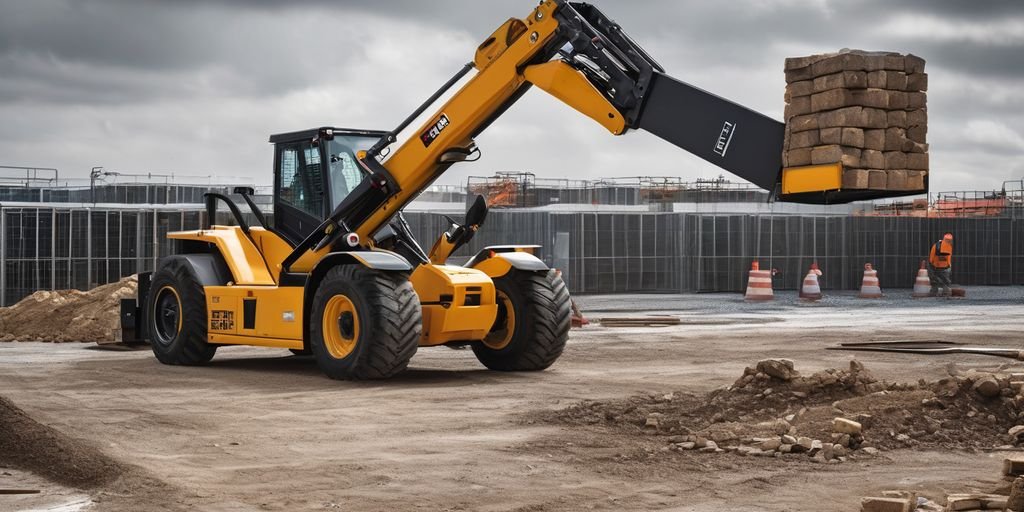
Exploring the Variety of Forklifts with Telescopic Booms
Just like there are different types of cars for different purposes, forklifts with telescopic booms come in various sizes and configurations, each designed to excel in specific environments and tasks. When I talk to customers, I always ask them about their typical site constraints and the heaviest, highest loads they expect to handle, because that often dictates the best type of forklift with a telescopic boom for them. Our HIXEN range includes models that cater to a wide spectrum of needs, ensuring there’s a forklift with a telescopic boom for almost any job.
Let me break down the main categories of forklifts with telescopic booms:
Compact Telehandlers:
- Characteristics: These
forklifts with telescopic boomsare smaller in size, often with a narrow width (typically under 2 meters or 6.5 feet). They are designed for agility in tight spaces. - Lift Height: Usually offer lift heights between 6 to 9 meters (20 to 30 feet).
- Ideal for: Smaller farms, landscaping projects, residential construction sites, indoor warehouse applications where space is limited, and anytime you need a
forklift with a telescopic boomthat can squeeze into tight spots. Their smaller footprint makes them easier to transport.
Standard Telehandlers:
- Characteristics: This is the most common and balanced type of
forklift with a telescopic boom. They offer a good mix of lifting capacity, reach, and maneuverability. - Lift Height: Typically provide lift heights from 9 to 14 meters (30 to 45 feet).
- Ideal for: The majority of general construction sites, medium-to-large agricultural operations, and industrial settings. This category of
forklifts with telescopic boomsis the workhorse for many businesses because of its broad applicability.
High-Lift / Heavy-Duty Telehandlers:
- Characteristics: These
forklifts with telescopic boomsare designed for extreme heights and heavy loads. They are robust machines built for demanding tasks. - Lift Height: Can reach heights of 17 meters (55 feet) or more, with some specialized models exceeding 30 meters (100 feet). They also have significantly higher load capacities.
- Ideal for: Large-scale construction projects (like high-rise buildings), mining operations, ports, and heavy industrial applications where very high lifts and substantial loads are routine. These
forklifts with telescopic boomsprovide the power and reach needed for the toughest jobs.
Rotating Telehandlers (Rotos):
- Characteristics: What sets these
forklifts with telescopic boomsapart is their ability to rotate the cab and boom 360 degrees without moving the machine’s base. They often come with outriggers for stability. - Functionality: They essentially act as a mobile crane, a high-reach
forklift with a telescopic boom, and an aerial work platform, all in one. - Ideal for: Complex construction sites where access is challenging and precise placement from a single setup point is required. They reduce the need to reposition the machine frequently, saving time and improving efficiency. While they are a specialized type of
forklift with a telescopic boom, their capabilities are truly impressive.
Each type of forklift with a telescopic boom is engineered to optimize performance for specific demands, ensuring that whatever your project, there is a model designed to meet its unique challenges.
Who Benefits Most from Using Forklifts with Telescopic Booms?
Are you wondering if forklifts with telescopic booms are the right investment for your business? Identifying the key users helps clarify their widespread value.
Many different professionals find these machines indispensable for their daily operations. Understanding who these users are can help you determine if forklifts with telescopic booms fit your profile.
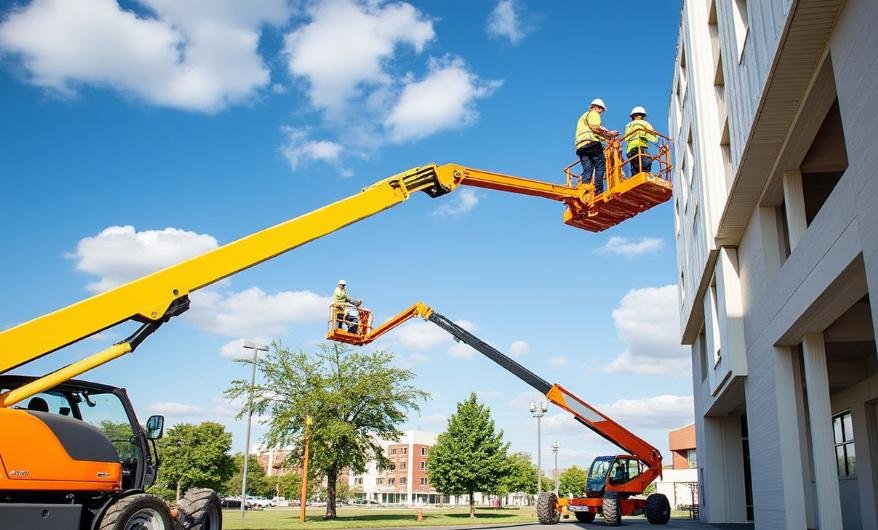
Target Users for Forklifts with Telescopic Booms
It is clear that forklifts with telescopic booms are incredibly versatile machines, but who exactly are they built for? From my experience, the users of our HIXEN forklifts with telescopic booms come from a broad spectrum of industries, all seeking efficient and flexible material handling solutions. These are the people and organizations who leverage the unique capabilities of forklifts with telescopic booms to enhance their productivity, safety, and operational scope. They often find that the investment in a forklift with a telescopic boom pays for itself quickly through increased efficiency and reduced labor costs.
Here is a breakdown of the primary target users who benefit significantly from forklifts with telescopic booms:
- Construction Contractors: This is arguably the largest user group. Contractors rely on
forklifts with telescopic boomsdaily for lifting and transporting building materials like steel, wood, concrete blocks, and rebar to various levels of a construction site. They are essential for tasks like framing, roofing, and general site logistics. The ability to reach over obstacles and maneuver on uneven ground makes them indispensable. - Farmers and Ranchers: In agriculture,
forklifts with telescopic boomsare crucial for handling large quantities of hay bales, feed, fertilizer, and other bulk materials. Their rough-terrain capabilities mean they can operate in muddy fields or uneven barnyards, making them perfect for diverse farm tasks including clearing and loading. - Equipment Rental Companies: Rental companies invest in
forklifts with telescopic boomsbecause of their high demand across multiple sectors. They offer these machines to a wide range of customers who need temporary access to versatile lifting equipment without the commitment of purchasing. - Municipalities and Public Works Departments: These entities use
forklifts with telescopic boomsfor tasks such as road maintenance, park landscaping, installing street signs, repairing utilities, and even trimming trees when fitted with an aerial work platform attachment. Their adaptability makes them a valuable asset for public infrastructure projects. - Logistics and Warehousing Businesses: While standard forklifts dominate indoor warehousing,
forklifts with telescopic boomsare increasingly used in larger, outdoor storage facilities or for specialized tasks like loading and unloading unusually shaped goods from trucks or placing items on very high racks. - Mining and Port Operators: For heavy-duty material handling, particularly with high-lift or heavy-capacity models,
forklifts with telescopic boomsare used to move large rock formations, heavy equipment components, or assist in container handling where precise placement and significant reach are required.
I have seen firsthand how a single forklift with a telescopic boom can streamline operations for these different user profiles, effectively replacing the need for several specialized machines and significantly boosting efficiency.
What Should You Consider Before Investing in a Forklift with a Telescopic Boom?
Are you thinking about adding a forklift with a telescopic boom to your fleet but feeling overwhelmed by the choices? Making the right decision requires careful thought.
Before committing to such a significant purchase, it is vital to ask yourself specific questions. These answers will ensure you choose the forklift with a telescopic boom that perfectly aligns with your operational needs.
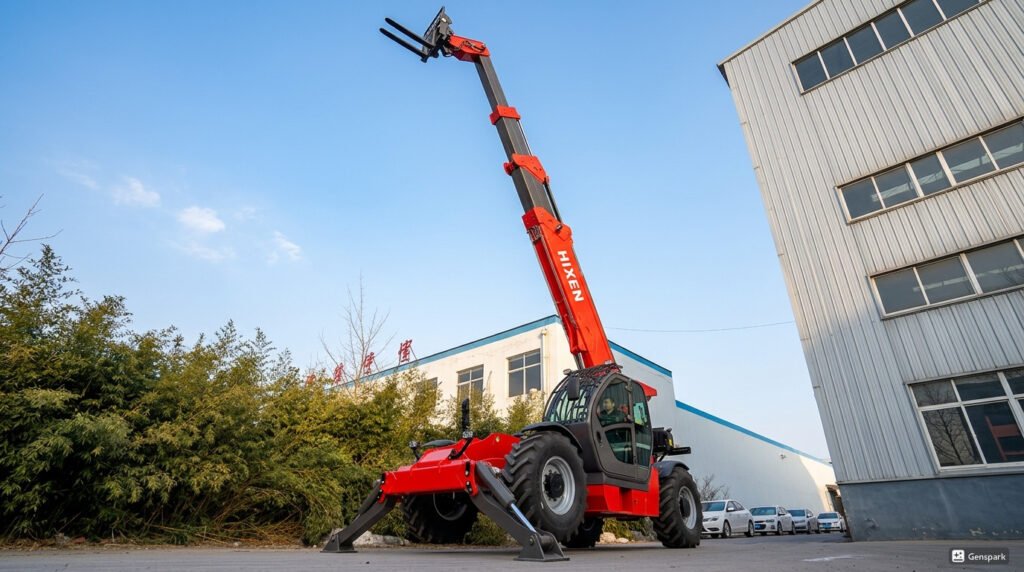
Key Questions Before Purchasing Forklifts with Telescopic Booms
When clients come to me, ready to invest in a forklift with a telescopic boom, I always guide them through a series of critical questions. It is not just about the upfront cost; it is about ensuring the machine will be a productive asset for years to come. Our HIXEN forklifts with telescopic booms offer a range of customizable options, so understanding your exact needs first helps us tailor the perfect solution for you. Skipping these questions can lead to buying an undersized, oversized, or simply unsuitable forklift with a telescopic boom, which can be a costly mistake.
Here are the three essential questions you must ask yourself:
1. What Are My Primary Tasks for the Forklift with a Telescopic Boom?
- Simple Forking: If your main requirement is just moving palletized goods on flat ground, a standard forklift might be more cost-effective. You would not be utilizing the full potential of
forklifts with telescopic booms. - High and Far Reach: If you need to lift materials to upper floors, extend over obstacles, or reach deep into truck trailers, then a
forklift with a telescopic boomis precisely what you need. Its unique boom mechanism makes these tasks possible and efficient. - Multiple Tasks: If your daily operations involve a variety of jobs – lifting, loading loose materials, craning, or even providing aerial access – then a
forklift with a telescopic boomcombined with its versatile attachments offers the most economical and efficient solution. One machine can do it all.
2. What Does My Job Site Environment Look Like for the Forklift with a Telescopic Boom?
- Indoor, Flat, Paved: For purely indoor, smooth-surface environments, a traditional electric or internal combustion forklift might be more suitable.
- Outdoor, Rough, Uneven, Muddy: If your site has uneven terrain, slopes, mud, or requires off-road capabilities, then
forklifts with telescopic boomswith their robust four-wheel drive and large, rugged tires are essential. Standard forklifts simply cannot operate safely or effectively in such conditions. - Tight Spaces/Narrow Passages: Consider a compact
forklift with a telescopic boomif you need to maneuver in confined areas, like between buildings or in crowded farmyards. Always check the machine’s width and turning radius against your site’s constraints.
3. How Often and for How Long Will I Use the Forklift with a Telescopic Boom?
- Occasional Use: If you only need a
forklift with a telescopic boomfor specific projects a few times a year, then renting might be the more financially sensible option. This saves you from the costs of ownership, maintenance, and storage. - Consistent, Long-Term Use: For businesses that rely on a
forklift with a telescopic boomdaily or for the majority of the year, purchasing one is generally more economical in the long run. It ensures immediate availability and allows for customization to your specific needs. - Growth Potential: Consider your future needs. Will your business expand, requiring more lifting capacity or greater reach? Investing in a slightly larger or more capable
forklift with a telescopic boomnow might save you from needing to upgrade sooner.
By thoughtfully answering these questions, you will be well-equipped to select the perfect forklift with a telescopic boom that meets your operational demands and budget, ensuring a valuable and long-lasting addition to your equipment fleet.
Conclusion
A forklift with a telescopic boom is not merely a “forklift with a long arm,” but a powerful, multi-functional material handling platform. Its core strength lies in its extendable boom, offering both vertical and horizontal reach, adaptable with various attachments. Choosing one depends on your specific tasks, site conditions, and usage frequency.
Want to see our range of high-quality forklifts with telescopic booms? Explore our product line. If you are unsure which HIXEN forklift with a telescopic boom suits you best, contact us for expert selection advice. Already decided? Check out our complete purchasing process guide.
Follow us on :YouTube.