Choosing the right excavator can be challenging, especially when comparing Kubota and Caterpillar for durability. Whether you need a machine for small or large-scale projects, both brands offer excellent performance. But which one really lasts longer under tough conditions?
When deciding between Kubota vs Caterpillar excavators, durability is a key factor. Kubota excels in fuel efficiency and cost-effectiveness for smaller tasks, while Caterpillar provides unmatched strength for large-scale construction and mining. To help you make an informed decision, we’ll compare these brands on engine performance, frame strength, and long-term reliability.
Starting with engine dependability, let’s examine how Kubota and Caterpillar stack up in terms of durability.
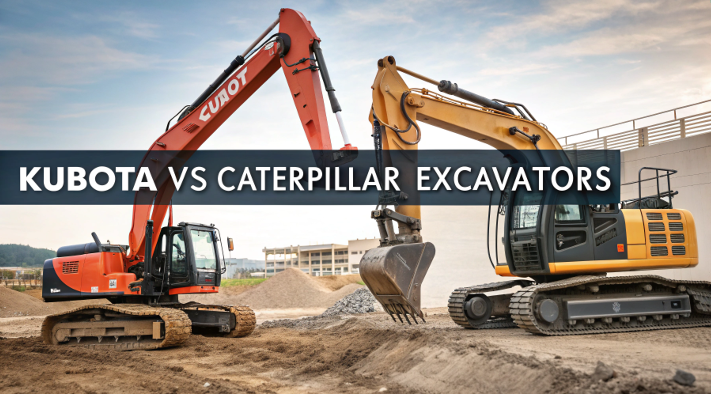
Overview of Kubota Excavators
Kubota is a brand known for its compact and mini excavators, and they are a great choice for small to medium-scale tasks. I’ve used Kubota machines on multiple landscaping projects, and their durability impressed me, especially for confined spaces.
Key Features of Kubota Excavators
| Feature | Kubota Excavators |
|---|---|
| Engine Power | 20-75 horsepower |
| Weight Range | 1,500 – 8,000 kg (depending on the model) |
| Common Attachments | Buckets, augers, hammers, grapples, mulchers |
| Fuel Efficiency | Excellent for smaller, localized tasks |
| Durability Factors | Robust construction with high-quality parts |
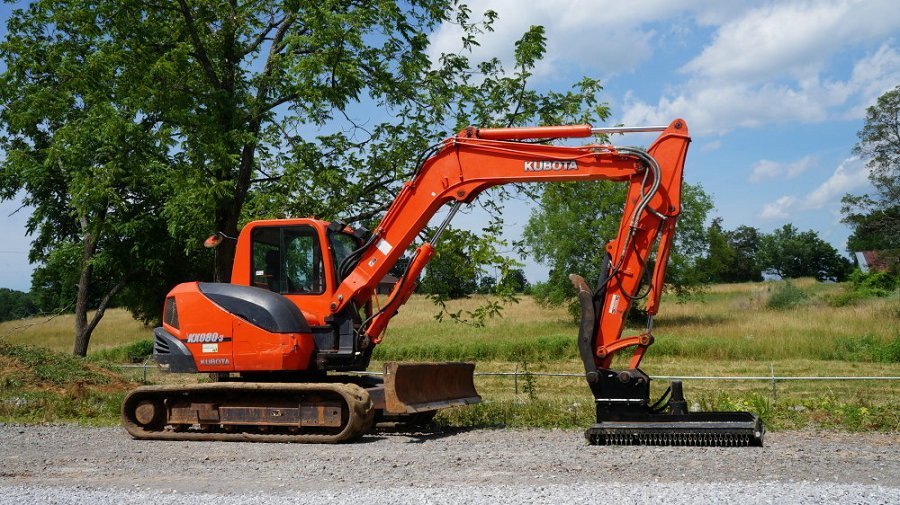
One of the first things I noticed about Kubota excavators is their ability to work in tight spaces. Their KX080-4 model, for instance, is built with a strong undercarriage that can withstand wear from rough terrain. They are perfect for residential construction and light digging tasks.
Durability Highlights:
- Engine Reliability: Kubota engines are well-known for their longevity. I’ve seen Kubota excavators keep running smoothly after years of consistent use.
- Frame and Undercarriage: Kubota machines have a reinforced frame and undercarriage, making them sturdy enough to handle small construction tasks and demanding landscaping jobs.
- Hydraulic Systems: The hydraulic systems in Kubota excavators are designed for efficiency and durability, even during intensive operation.
Overview of Caterpillar Excavators
Caterpillar has earned a strong reputation in the construction world, primarily for their heavy-duty excavators. When working on a larger scale, I often turn to Caterpillar machines because of their power and reliability.
Key Features of Caterpillar Excavators
| Feature | Caterpillar Excavators |
|---|---|
| Engine Power | 75-450 horsepower (depending on the model) |
| Weight Range | 10,000 – 70,000 kg (depending on the model) |
| Common Attachments | Buckets, hydraulic hammers, demolition tools |
| Fuel Efficiency | Efficient on large-scale projects |
| Durability Factors | Superior frame strength, hydraulic system reliability |
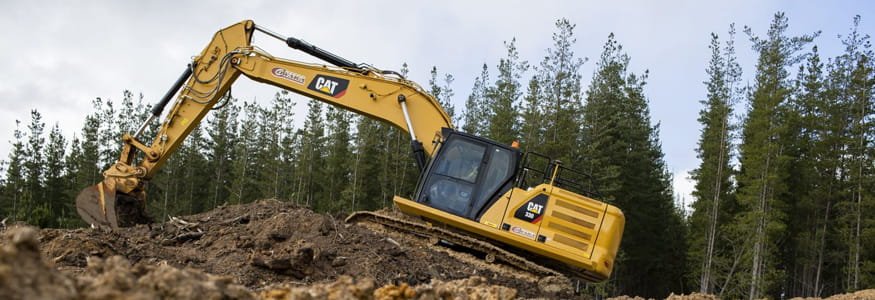
One thing I’ve always appreciated about Caterpillar is the raw power of their machines. I’ve worked with the CAT 320D and CAT 349, and they’re designed for the toughest conditions—demolition, mining, and large-scale construction work.
Durability Highlights:
- Heavy-Duty Construction: Caterpillar machines are engineered with thick, reinforced steel frames. In the projects I’ve worked on, I’ve seen these machines handle extreme loads with ease.
- Powerful Engines: The engines in Caterpillar machines are built for long-term use. They’re made to operate in harsh conditions, like extreme heat or cold.
- Advanced Hydraulic Systems: The hydraulic systems are top-notch, providing reliable and consistent performance on demanding jobs.
Kubota vs Caterpillar: Durability Comparison
Engine Durability
When it comes to engine durability, both Kubota and Caterpillar offer engines that can handle a variety of tasks, but there are clear differences in their design and intended usage.
| Brand | Kubota | Caterpillar |
|---|---|---|
| Engine Power | 20-75 horsepower, efficient for compact work | 75-450 horsepower, designed for heavy-duty tasks |
| Performance | Performs well in smaller-scale, less intense tasks | High-output, built for intense, long-term work |
| Reliability | Reliable for small to medium-scale operations | Engineered for maximum uptime in harsh conditions |
Kubota engines are more efficient for smaller, localized tasks. I’ve found that they perform reliably even in confined spaces, making them perfect for landscaping and small construction jobs. Caterpillar engines, on the other hand, offer more power and durability, allowing them to handle larger, more demanding projects. In my experience, Caterpillar is built for tougher, long-term applications.
Frame and Undercarriage Durability
| Brand | Kubota | Caterpillar |
|---|---|---|
| Frame | Strong, compact, ideal for smaller, confined areas | Heavy-duty, reinforced for harsh environments |
| Undercarriage | Designed to withstand regular wear in small tasks | Built to resist wear from continuous heavy use |
Kubota frames and undercarriages are solid for compact excavators. They’re perfect for moving around tight spaces on residential projects. However, Caterpillar machines are built for tough, industrial applications. The CAT 320D, for instance, has a frame and undercarriage that are designed for extreme durability under heavy loads, making it ideal for large-scale operations.
Kubota vs Caterpillar: Fuel Efficiency and Operating Costs
Fuel efficiency is a huge factor when considering the total cost of ownership. Kubota machines are well known for their fuel-saving abilities, especially for compact tasks. I’ve personally experienced the difference in fuel costs when using Kubota for light digging versus Caterpillar for heavy-duty work.
Fuel Efficiency
| Brand | Kubota | Caterpillar |
|---|---|---|
| Fuel Efficiency | Known for excellent fuel economy, especially in compact machines | Generally efficient but uses more fuel in larger models due to engine size |
| Fuel Consumption | Lower fuel consumption for smaller tasks | Higher fuel consumption for heavy-duty tasks |
Kubota has an edge when it comes to fuel efficiency for smaller-scale tasks. Caterpillar, while efficient, uses more fuel to power its larger engines, which is expected given the size and power of the machines.
Operating Costs
| Brand | Kubota | Caterpillar |
|---|---|---|
| Initial Cost | Generally lower initial investment | Higher upfront cost but better long-term durability |
| Maintenance | Lower cost, as maintenance is typically easier and parts are more affordable | Higher maintenance costs due to more complex systems |
| Parts Availability | Easy to find parts and service locally | Parts are more expensive, but extensive service network |
From my experience, Kubota machines have a lower initial cost and are cheaper to maintain, especially for small-scale jobs. Caterpillar machines, while more expensive upfront and to maintain, provide longer-lasting value, particularly for large-scale construction tasks.
Kubota vs Caterpillar: Resale Value and Longevity
Resale value is another important factor when considering durability. I’ve seen how Caterpillar machines tend to hold their value better, but Kubota machines are no slouch in this area either.
Resale Value
| Brand | Kubota | Caterpillar |
|---|---|---|
| Resale Value | Generally holds value well, especially for compact models | Higher resale value for heavy-duty models, especially older machines |
| Market Demand | In high demand for smaller construction and landscaping jobs | Strong demand in large-scale industries like mining and construction |
Caterpillar machines typically have better resale value due to their heavy-duty nature and broad market demand in the construction and mining sectors. However, Kubota machines hold strong resale value, particularly in the compact excavator market, where they are highly sought after for residential and small-scale projects.
Conclusion: Which is Better for Durability?
When it comes to durability, both Kubota and Caterpillar offer excellent machines, but they are designed for different purposes. Kubota is ideal for smaller, compact jobs where fuel efficiency and lower maintenance costs are essential. On the other hand, Caterpillar is built for heavy-duty, long-term use in large-scale construction and mining projects.
Ultimately, the decision comes down to your specific needs. If you’re looking for a durable, cost-effective excavator for lighter tasks, Kubota is the way to go. However, if you need a machine that can handle the toughest jobs and last for many years, Caterpillar is the more robust option.
Follow us on :YouTube.