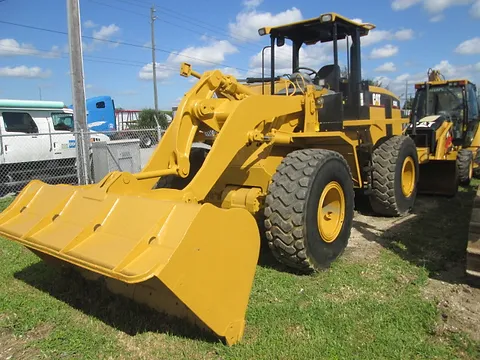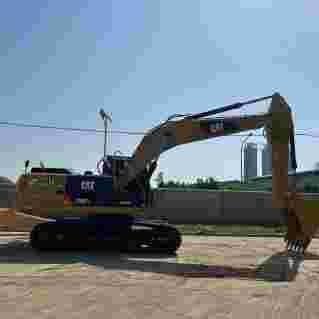
It’s simple to become overwhelmed by the selection when looking for a used wheel loader for sale. You want a dependable and reasonably priced machine, but how can you be certain that you’re getting a good bargain? Allow me to explain how you can choose wisely.
Finding a used wheel loader for sale can be tricky, but it doesn’t have to be. With the right knowledge, you can confidently choose a machine that fits your needs and budget. Start by checking the loader’s condition, including the engine, hydraulics, and transmission. Make sure to review its maintenance history and verify the seller’s reputation. Researching prices based on model, year, and condition will also help you assess if you’re getting a fair deal. With these steps, you’ll avoid common mistakes and find a reliable used loader that’ll serve you for years.
Let’s now examine the important aspects to take into account in order to make the best choice when purchasing a used wheel loader.
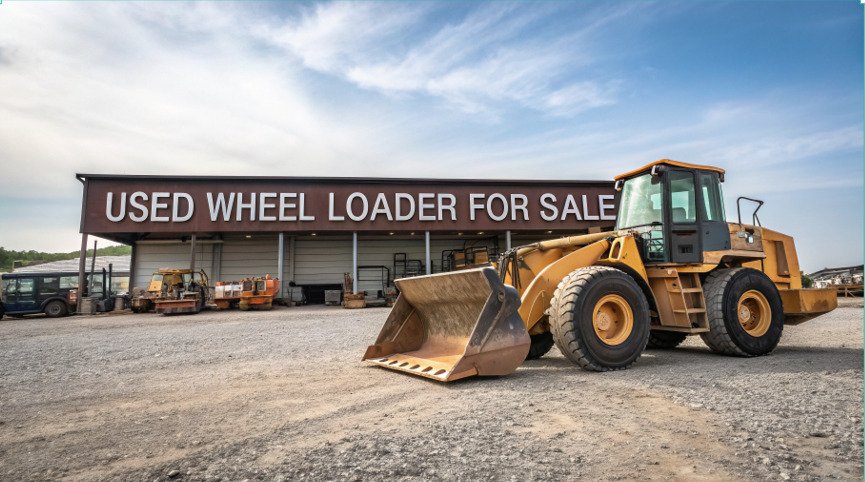
Why Buying a Used Wheel Loader Can Be a Great Investment
I’ve seen many construction companies save a lot of money by purchasing used wheel loaders for sale. I remember one company I worked with that bought a used CAT 950 instead of a new one. They saved nearly $100,000, and the loader still worked perfectly after 5 years of use.
Here’s why a used wheel loader can be a great choice:
| Advantage | Used Wheel Loader | New Wheel Loader |
|---|---|---|
| Cost | A fraction of the price of new models | Expensive, high initial investment |
| Depreciation | Slower depreciation, maintains value better over time | Rapid depreciation as soon as it’s purchased |
| Maintenance | Generally lower costs if maintained well | Higher costs initially for parts and repairs |
| Availability | Ready to purchase immediately | May require a wait for manufacturing |
In my experience, many construction businesses opt for used wheel loaders because they offer excellent performance for a much lower price. The savings can be put towards other equipment or project costs.
Key Factors to Consider When Buying a Used Wheel Loader for Sale
Buying a used wheel loader for sale can be tricky. I’ve been there before—sifting through listings and trying to figure out what’s worth it and what’s not. Here’s a breakdown of what I learned.
1. Condition of the Loader
I once bought a used Komatsu WA320 that looked great on the outside but had some engine issues. It taught me that looks can be deceiving. The key is to look beyond the surface.
Here are the main areas to check:
- Engine: Listen for any strange noises. Check for leaks and examine the exhaust for signs of oil burning. If the engine has been well-maintained, it should start smoothly without hesitation.
- Hydraulics: Operate the loader and pay attention to how the hydraulic system responds. It should lift the arms and bucket smoothly without jerking or hesitation. Leaks around the hoses or cylinders could indicate issues.
- Transmission: Test the transmission by shifting through all gears. The loader should shift smoothly and without hesitation. If it doesn’t, repairs could be costly.
- Tires and Frame: Tires should be in good condition, with even wear. Check for cracks, welds, or any other signs of damage on the frame, which might indicate the loader has been heavily used or mishandled.
| Component | What to Check | What to Avoid |
|---|---|---|
| Engine | Listen for smooth starts, check for leaks and noises | Overheating or excessive smoke |
| Hydraulics | Check for smooth, leak-free operation | Jerky movements or visible fluid leaks |
| Transmission | Ensure smooth shifting in all gears | Sticking gears, difficulty shifting |
| Tires and Frame | Even tire wear, no damage to the frame | Uneven tire wear, cracks or excessive welding |
2. Maintenance History and Service Records
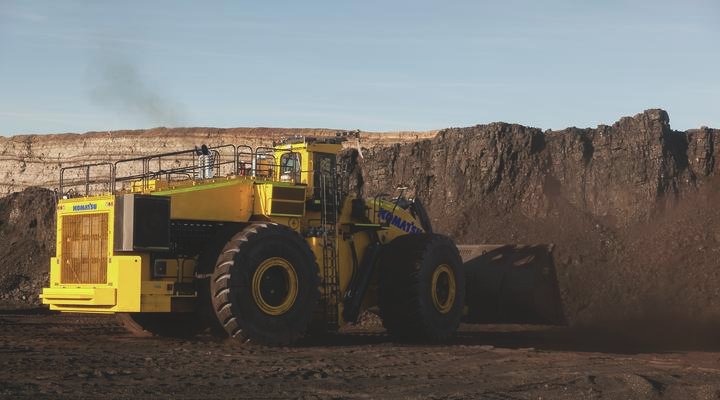
When I bought my first used wheel loader, I didn’t ask for the service records. It turned out to be a huge mistake. After only a year of use, I had to pay for some expensive repairs. Now, I always make sure to ask for detailed service records.
Here’s what to check:
- Regular Maintenance: Request records of regular maintenance, such as oil changes, hydraulic fluid replacements, and tire rotations. A loader that has been well-maintained will last much longer.
- Major Repairs: Ask about any major repairs the loader has had, especially to the engine, transmission, or hydraulics. These repairs can be costly and may indicate underlying issues.
- Preventive Maintenance: If the loader has had preventive maintenance (like regular inspections), it’s a good sign that the machine has been taken care of.
| Maintenance Aspect | What to Look For | Red Flags |
|---|---|---|
| Service Records | Regular oil changes, tire rotations, fluid checks | Missing or incomplete records |
| Major Repairs | Replaced engine or transmission parts | Frequent repairs to key components |
| Preventive Maintenance | Routine inspections and fluid replacements | Lack of regular service or neglect |
3. Operating Hours
When I bought my used CAT 950, I made sure to check the operating hours. A machine with fewer hours is generally better, but I’ve learned that it’s also about how the machine was used.
Here’s what I’ve found:
| Operating Hours | Condition Likely to Be Found | Action |
|---|---|---|
| Under 5,000 hours | Machine is in great condition, minimal wear | Excellent choice for long-term investment |
| 5,000–7,000 hours | Signs of wear but still functioning well | Check condition closely, some wear expected |
| 7,000–10,000 hours | More wear, may need repairs soon | Be cautious, check maintenance history |
| Over 10,000 hours | Heavy wear, high repair costs | Avoid unless heavily discounted or well maintained |
A loader with fewer hours is ideal, but don’t dismiss one that’s been used more heavily if it’s been properly maintained.
How to Assess the Market Price for a Used Wheel Loader for Sale
I’ve spent hours comparing prices before buying a used wheel loader for sale. Sometimes it feels like you’re trying to find a needle in a haystack, but with the right approach, you can find the perfect deal.
Researching Prices
Start by researching prices online through platforms like Machinery Trader or Used Equipment Guide. Prices can vary greatly depending on the model, location, and condition. Here’s a basic comparison of common models and their price ranges:
| Model | Year | Condition | Price Range (USD) |
|---|---|---|---|
| CAT 950 | 2015 | Good | $45,000 – $55,000 |
| Komatsu WA320 | 2013 | Fair | $35,000 – $45,000 |
| Volvo L60H | 2016 | Excellent | $50,000 – $60,000 |
Compare Price to Condition
A used wheel loader for sale that is in excellent condition may be priced higher. But if it’s been well maintained and has low operating hours, it might still be a good deal. Use the following table to compare prices based on the condition of the machine:
| Condition | Typical Price Range (USD) | Considerations |
|---|---|---|
| Excellent | $50,000 – $60,000 | Low hours, well-maintained |
| Good | $40,000 – $50,000 | Some signs of wear but still solid |
| Fair | $30,000 – $40,000 | Significant wear, may need repairs |
How to Avoid Common Pitfalls When Buying a Used Wheel Loader for Sale
There are some common mistakes I’ve made when buying a used wheel loader for sale, and I’ve learned to avoid them. These mistakes could have cost me a lot of money.
1. Low Price May Indicate Hidden Problems
It’s tempting to jump on a used wheel loader when the price is much lower than the market value. I once bought a loader like that, and within a few months, I was paying for major repairs.
| Sign | What It Could Mean |
|---|---|
| Unusually Low Price | Hidden damage, worn-out parts, or imminent repairs |
| No Service History | Poor maintenance or previous neglect |
2. Not Verifying Seller Reputation
If you don’t check the reputation of the seller, you might end up with a machine that doesn’t meet your expectations. I’ve learned to always research a seller’s background before buying.
| Seller | What to Look For | Warning Signs |
|---|---|---|
| Dealer Reviews | Positive reviews, long history in the business | Lack of reviews, negative feedback |
| Seller Certification | Authorized dealer or certified repair shop | No certifications or unclear background |
How to Verify the Seller’s Reputation When Buying a Used Wheel Loader for Sale
When I first started buying used wheel loaders, I didn’t realize how important the seller’s reputation could be. I’ve made a few mistakes in the past where I didn’t do enough background research, and those experiences taught me just how vital it is to check the seller’s reputation thoroughly. Now, I always take the time to do this step to avoid any unpleasant surprises.
| Seller Verification | What to Look For | Red Flags |
|---|---|---|
| Online Reviews | Positive reviews, long-term business history, repeat customers | Negative feedback, few reviews, or a lot of complaints |
| Business Licenses | Certifications and licenses from recognized organizations | No licenses or unclear details about business history |
| References | Willingness to provide past customer references or testimonials | Hesitant to provide references or no references at all |
I’ve found that being diligent about checking the reputation of the seller has saved me from several potentially costly mistakes. Buying a used wheel loader for sale can be a great deal, but only if you know you’re buying from a trustworthy source.
Conclusion: Making a Confident Purchase on a Used Wheel Loader for Sale
After buying several used wheel loaders for sale, I can confidently say that following these steps will help you avoid costly mistakes and get a good deal. Always check the condition, service history, and reputation of the seller before making a purchase. By doing your research, you can find a loader that fits your needs and budget.
Follow us on :YouTube.