It can be dangerous to purchase a used wheel loader. Inadequate inspection may result in a machine that is more problematic than beneficial. However, how can you be certain that your money isn’t being wasted? I’ll explain how to identify a quality used loader and steer clear of typical blunders in this post.
When buying a used wheel loader for sale, it’s important to check key factors like the exterior condition, engine performance, and maintenance history. I’ve learned from experience that a thorough inspection, including a test drive and review of the seller’s reputation, can help you make the best decision. This guide will walk you through everything you need to know before making your purchase, ensuring that you get a reliable machine for your business.
In order to give you peace of mind when making your next purchase, let’s now explore the essential procedures for examining a used wheel loader.
1. Why Buying a Used Wheel Loader for Sale Is a Good Choice
When I first started out, I was always looking for ways to save money. Buying a new wheel loader isn’t cheap. The cost can be overwhelming, especially for small businesses. That’s when I discovered the benefits of buying a used wheel loader for sale. Not only do I save money, but I also avoid the fast depreciation that new machines face.
However, buying used equipment can be tricky. You have to make sure you’re getting a machine that will last. That’s why I’ve learned to inspect used loaders carefully before making any purchase.
2. What to Look for When Buying a Used Wheel Loader for Sale
When I shop for a used wheel loader, I pay close attention to certain factors. These factors help me determine whether the loader is in good shape or if I’ll be dealing with expensive repairs soon.
Here’s a table that breaks down the key areas to check when buying a used wheel loader:
| Factor | What to Check | Why It’s Important |
|---|---|---|
| Exterior Condition | Look for rust, cracks, or dents on the body and frame. | Damage can indicate poor care or heavy use. |
| Tires | Check tire tread depth and look for cracks or damage. | Tires are expensive to replace, and worn-out tires reduce performance. |
| Engine | Check for oil leaks, rust, and signs of overheating. | A healthy engine is crucial for performance and longevity. |
| Hydraulic System | Inspect hoses for wear, leaks, or damage. | Leaks or damaged hoses can cause safety issues and operational problems. |
| Attachments | Ensure attachments (buckets, forks) are in good condition. | Poor attachments reduce the loader’s overall efficiency. |
By looking at these factors, you can get a sense of how well the loader has been maintained.
3. How to Perform a Visual Inspection of a Used Wheel Loader for Sale
One of the first things I do is perform a visual inspection. This can help me spot any major issues before I spend time on the machine’s performance. Here’s what I check:
1. Exterior Condition
The body and frame should be solid. I avoid loaders with large dents or cracks, especially on the frame. These might mean the loader has been in accidents or harsh environments.
2. Tires
I always check the tires. Worn tires can be expensive to replace. I make sure there is enough tread and that there are no punctures or sidewall damage. Even a small crack can lead to bigger issues later on.
Here’s a table that shows what to look for in each area of the exterior:
| Exterior Item | What to Check | Why It Matters |
|---|---|---|
| Frame | Look for cracks, dents, and welds. | Cracks or bad repairs can lead to structural issues. |
| Tires | Check for wear, cracks, or bulges. | Worn-out tires can lower performance and cost a lot to replace. |
| Hydraulic System | Check for oil stains, leaks, and loose connections. | Leaks can cause hydraulic failure and safety risks. |
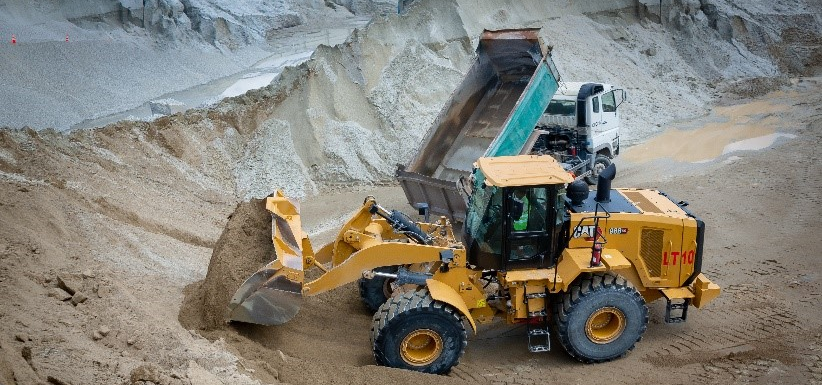
4. How to Check the Mechanical Condition of a Used Wheel Loader
Mechanical checks are just as important as visual ones. I personally test the machine before making any decision. Here’s what I focus on:
1. Engine Performance
I start the engine to see how it runs. A good engine should start smoothly, without strange noises or vibrations. I also check the exhaust. If I see blue or black smoke, it could mean the engine needs repair.
2. Hydraulic System
I test the hydraulic system to make sure it lifts and tilts smoothly. Any jerky or slow movement could signal that the system needs work.
3. Transmission and Drivetrain
I make sure the loader shifts smoothly, both in forward and reverse. If the transmission is rough or jerky, that could be a sign of internal problems.
Here’s a table that explains what to check in the mechanical parts:
| Mechanical Part | What to Check | Why It’s Important |
|---|---|---|
| Engine | Listen for unusual sounds and check for smooth operation. | Rough starting or noises could indicate engine wear. |
| Hydraulic System | Check if the loader lifts and tilts without delay or jerks. | Slow or jerky movements may suggest hydraulic issues. |
| Transmission | Test shifting in forward and reverse, listen for grinding. | Poor shifting may mean transmission issues. |
5. Understanding the Hours and Maintenance History of a Used Wheel Loader for Sale
I’ve learned that the number of hours on a used wheel loader is one of the best indicators of its condition. Higher hours aren’t necessarily bad, but they do show how much the loader has been used. I always check the hour meter before proceeding.
I also ask the seller for a detailed maintenance history. A loader that has been regularly serviced is likely to perform better and last longer.
Here’s a table that shows what I check regarding hours and maintenance:
| Factor | What to Check | Why It Matters |
|---|---|---|
| Hours of Use | Look at the hour meter to see how much the loader has been used. | High hours could mean more wear, but regular maintenance can offset this. |
| Maintenance Records | Ask for records of repairs, oil changes, and parts replacements. | Regular maintenance increases reliability and reduces repair costs. |
6. Test Driving a Used Wheel Loader for Sale
Once the inspection is done, I take the loader for a test drive. This is where I really get a feel for how the machine operates.
1. Driving Test
During the drive, I focus on the steering and braking. A good wheel loader should handle easily, with smooth steering and responsive brakes. If anything feels off, I don’t hesitate to walk away.
2. Operational Test
I also test the loader’s ability to lift and carry materials. I look for smooth movement and ensure the loader doesn’t struggle under weight.
Here’s a table that explains the test drive checks:
| Test Type | What to Check | Why It’s Important |
|---|---|---|
| Driving | Test steering and braking for smoothness and responsiveness. | Poor steering or braking can be a safety risk. |
| Operational | Test lifting capacity and load handling. | A loader that struggles with loads may need repairs. |
7. Checking the Seller’s Reputation and Warranty on Used Wheel Loaders for Sale
When I’m looking at a used wheel loader, I don’t just check the machine—I also check the seller. The reputation of the seller is something I take seriously. Whether I’m buying from a dealership or a private seller, it’s important for me to feel confident that I’m dealing with someone reliable.
One of the first things I do is look at reviews and ratings. These are often available online, either on the seller’s website or on third-party review platforms. Reviews can provide insight into what past customers experienced. Were they satisfied with the loader they purchased? Did the seller provide good customer service? Reviews are a quick way to get a sense of whether the seller is trustworthy or not.
Another key element I check is the seller’s past sales history. A seller with a long track record in selling used wheel loaders is likely to have more experience and a better understanding of the market. I always feel more comfortable buying from a seller who has been around for a while and has a proven history.
Here’s a simple table to summarize what I check when looking into the seller’s reputation:
| Factor | What to Check | Why It Matters |
|---|---|---|
| Seller’s Reputation | Look for reviews, ask for references, and check past sales. | A positive reputation means the seller has a history of trust and good service. |
| Customer Feedback | Read what previous buyers are saying. | Honest customer feedback helps you avoid problematic sellers. |
| Experience in Market | Look for how long the seller has been in the business. | More experience can indicate better knowledge and service. |
8. Conclusion: Making the Best Decision When Buying a Used Wheel Loader for Sale
Buying a used wheel loader for sale can save you a lot of money, but it requires careful inspection. By checking the exterior, mechanical condition, hours of use, and asking the right questions, you can avoid costly mistakes. Always test drive the loader, and don’t forget to research the seller. With these steps, you’ll find a reliable machine that can help you get the job done without breaking the bank.
Follow us on :YouTube.