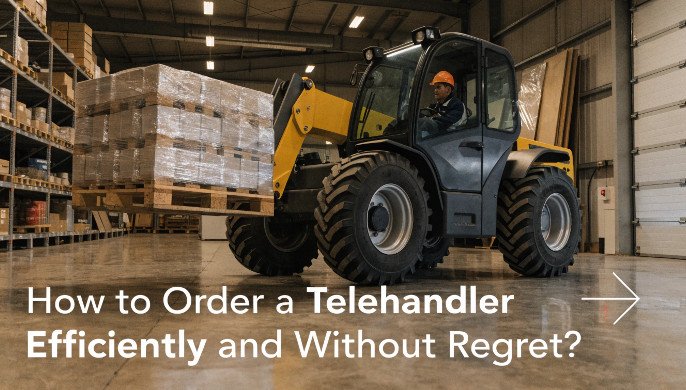
Imagine investing significant capital in a telehandler, only for it to arrive incapable of handling your specific site conditions or, worse, stuck in customs due to missing paperwork. This common problem, unfortunately, leaves many contractors and businesses with costly delays and unusable equipment. Learning how to order a telehandler effectively can transform this daunting task into a seamless process, ensuring your investment truly pays off.
Order a telehandler involves a comprehensive project management approach, spanning from precise demand analysis and meticulous supplier screening to stringent compliance verification and reliable logistics. By systematically addressing each stage, buyers can proactively mitigate common pitfalls, ensuring their equipment arrives on schedule, meets exact specifications, and adheres to all necessary regulations, ultimately leading to successful deployment on site.
As an expert in heavy machinery and having witnessed countless successful (and some not-so-successful) equipment acquisitions, I can tell you that a clear roadmap is your best friend when looking to acquire such a crucial piece of equipment. What are the critical steps to guarantee your next telehandler purchase is a win?
Defining Your Telehandler Needs?
Rushing into a telehandler purchase without a clear understanding of your requirements is a recipe for disappointment. I’ve often seen buyers focus solely on lift height or capacity, only to realize later that their machine lacks the agility for tight spaces or the ground clearance for rugged terrain. So, before you even consider specific models or suppliers, you must thoroughly define your operational needs to ensure your telehandler order aligns perfectly with your goals.
To truly define your telehandler needs, you must move beyond basic lift metrics and assess core application scenarios, the specific demands of your operating environment, and the essential attachments required. This detailed analysis ensures the machine you ultimately order is not just powerful, but perfectly suited to your workflow and site conditions.
Defining your needs correctly is arguably the most critical step in the entire process of ordering a telehandler. This is where you determine whether you’re buying the right tool for the job, rather than just the biggest or cheapest one. Trust me, I’ve seen too many businesses lose money because they didn’t get this fundamental step right.
The Nuances of Needs Assessment
When I talk about defining needs, I’m not just referring to a simple checklist. It’s a deep dive into how the machine will truly function in its day-to-day role. The core objective here is to “buy right,” not just “buy cheap” or “buy big.”
Core Application Scenarios: Where Will It Work?
Consider whether the telehandler is primarily for high-level material handling on a construction site, moving hay bales on a farm, or loading and unloading containers at a port. Each scenario demands different features. For example, a construction site might prioritize compact wheelbases and tight turning radii for navigating confined spaces, while farm operations will emphasize longer boom reaches and all-terrain tires to handle varied ground conditions. When you’re clear about the application, you can make informed decisions about your telehandler order.
Lift Capacity and Height: Beyond the Headline Numbers
The rated lift capacity and maximum lift height are often the first specifications buyers look at. However, it’s crucial to understand the telehandler’s load chart. This chart illustrates how the actual safe lifting capacity dramatically decreases as the boom extends horizontally and vertically. A machine rated for 4 tons might only safely lift 1.6 tons when the boom is fully extended to 14 meters. Overlooking this detail is a common mistake when ordering a telehandler, potentially leading to dangerous overloading or the need for a larger, more expensive machine than truly necessary. Always verify your heaviest anticipated load at its highest and furthest reach on the load chart.
Operating Environment and Terrain: What’s Underfoot?
Is your site flat and paved, or is it muddy, uneven, and soft? Rough terrain demands features like four-wheel drive (4WD), high ground clearance, and aggressive tread tires for superior traction and stability. For indoor use or congested areas, a compact machine with a small turning radius might be essential. Environmental factors like extreme temperatures or dust can also necessitate specialized filters, lubricants, or enclosed cabins. Thinking through these details prevents you from acquiring a telehandler that’s constantly bogged down or struggles to maneuver.
Attachment Compatibility: Versatility is Key
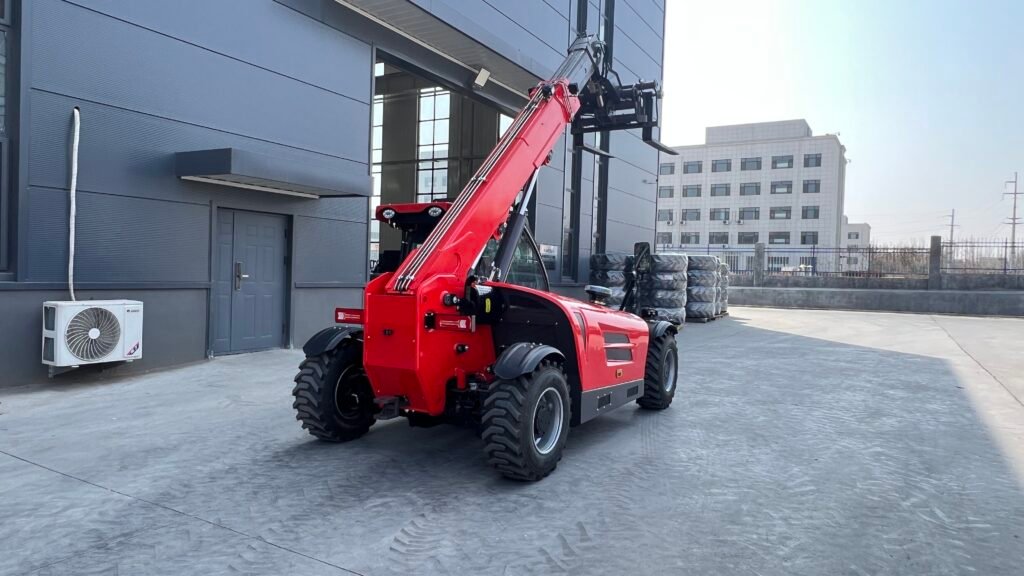
Modern telehandlers are incredibly versatile, thanks to a wide range of attachments. Do you anticipate frequently swapping between a bucket, grapple, pallet forks, or a work platform? If so, verifying that the main machine has a quick-attach system is vital for efficiency. Furthermore, each attachment has its own weight and center of gravity, which affects the machine’s load chart. Always check the corresponding load curves for different attachments to ensure safe operation. This forward-thinking approach to your telehandler order can save significant operational costs and time.
How Do You Choose the Right Telehandler Specifications?
Once your needs are clearly defined, the next challenge is translating those needs into precise telehandler specifications. This step can feel overwhelming given the myriad options available, from engine types to tire choices. I often advise my clients that a well-specified machine not only performs better but also retains its value longer. So, how do you navigate this sea of technical details to ensure your telehandler order is perfect?
Choosing the right telehandler specifications requires matching your defined operational needs with the appropriate technical attributes, including engine power, transmission, boom type, outriggers, and cabin features. A successful telehandler order hinges on balancing performance requirements with cost-effectiveness and site-specific demands, ensuring every component contributes to optimal machine functionality.
This step is where the rubber meets the road, quite literally. You’ve identified what you need the machine to do; now you need to ensure the machine you’re looking to order a telehandler actually has the components to deliver on those expectations. It’s about optimizing for performance, safety, and longevity.
Technical Details That Matter
Specifications are the blueprint of your machine’s capabilities. Getting them right means a seamless workflow; getting them wrong can lead to ongoing frustration and inefficiency.
Engine and Power Train: The Heart of the Machine
The engine choice impacts everything from fuel efficiency to power output. Consider:
- Horsepower (HP): Match this to the primary tasks. Heavier lifting or rough terrain travel requires more power.
- Emissions Standards: Especially crucial for international buyers. Engines comply with different tiers (e.g., Euro V, EPA Tier 4F). Ensure your chosen engine meets the regulations in your operational region. Failure to do so can lead to severe penalties or even prevent the machine from operating.
- Transmission Type:
- Hydrostatic: Offers precise control, smooth acceleration, and often better fuel efficiency, ideal for delicate maneuvering.
- Powershift: Robust and reliable, suited for heavy-duty applications and aggressive terrain.
Understanding these distinctions is key to making an informed telehandler order.
Boom Design and Reach: Precision and Stability
Telehandler booms come in various designs, impacting reach, stability, and lifting capacity.
- Sections: Two- or three-section booms are common. More sections generally mean greater reach but can sometimes reduce stability at maximum extension.
- Hydraulics: Look for smooth, responsive hydraulic controls for precise boom movements. Regenerative hydraulics can speed up cycle times.
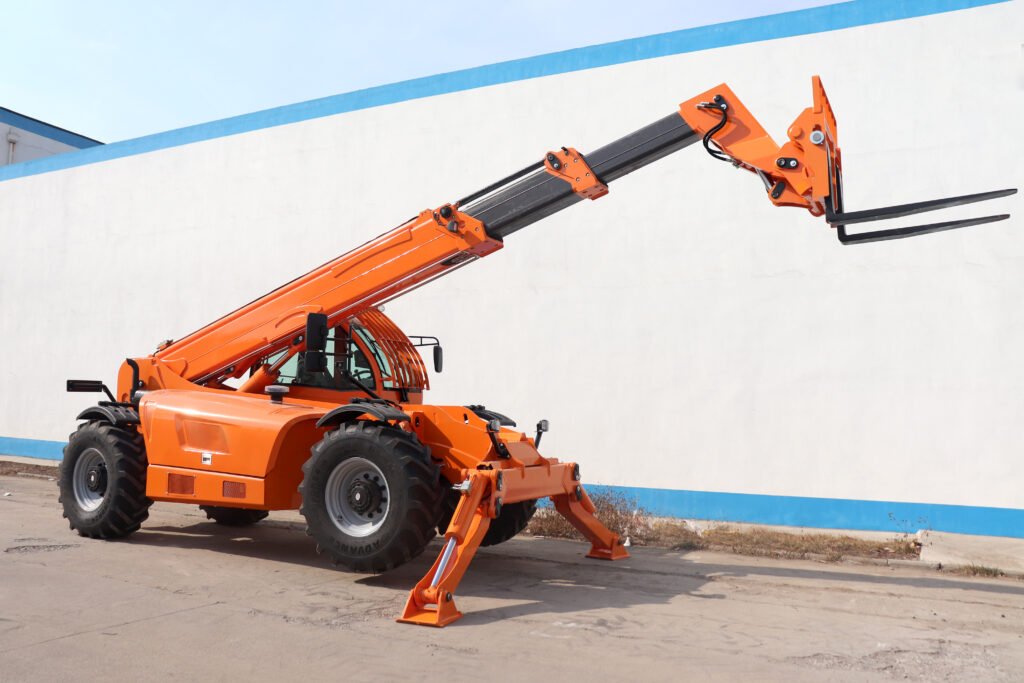
- Outriggers/Stabilizers: For maximum lifting capacity, especially with heavy loads at height or extension, outriggers are essential. They provide additional stability and often unlock the machine’s full potential as indicated on the load chart. Decide if fixed or hydraulically controlled outriggers are necessary for your operational safety requirements when you order a telehandler.
Tyres: The Unsung Heroes
Tyres are a critical, yet often overlooked, specification. They determine traction, stability, ride comfort, and impact on the ground.
- All-Terrain (AT) Tyres: Robust tread for grip on soft, uneven ground, essential for construction and agricultural sites.
- Industrial Tyres: Hard-wearing, puncture-resistant, often for paved surfaces or demolition sites where sharp debris is common.
- Foam-Filled Tyres: Excellent puncture resistance but heavier and less comfortable ride.
- Solid Tyres: Ultimate puncture resistance, minimal deflection, but no cushioning.
The right tyre choice is fundamental to both safety and performance when you order a telehandler.
Operator Comfort and Safety Features: Productivity and Well-being
A comfortable operator is a productive operator. Consider features like:
- Cab Design: Enclosed cabs with heating and air conditioning are crucial for operator comfort in varying climates.
- Ergonomics: Adjustable seating, intuitive controls, and good visibility reduce fatigue.
- Safety Systems: Rollover Protective Structures (ROPS) and Falling Object Protective Structures (FOPS) are standard. Advanced features include load management systems, interlocks, and rear-view cameras. For overseas operations, ensure all safety standards align with local regulations when you order a telehandler.
How to Find a Reputable Supplier When You Order a Telehandler?
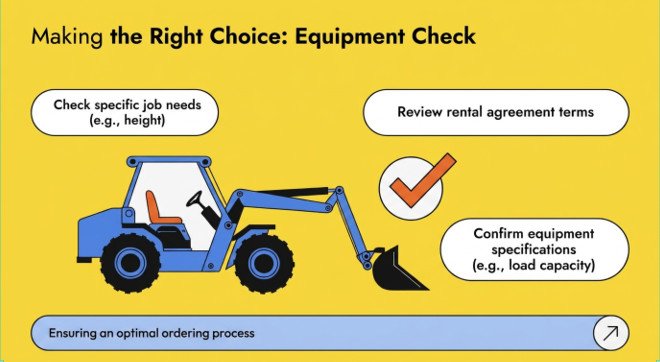
Once you know exactly what you need, the next critical step is finding a supplier who can deliver it reliably. This is where many buyers, especially first-time overseas purchasers, can run into trouble. I’ve seen situations where attractive prices masked underlying issues with quality or after-sales support. For HIXEN, with 15 years of export experience, we understand the nuances of international trade. So, how do you sift through the options to find a truly reputable partner when you’re ready to order a telehandler?
Finding a reputable telehandler supplier involves a multi-faceted approach, prioritizing manufacturers with proven export experience, robust quality control, transparent communication, and comprehensive after-sales support. It’s essential to verify their certifications, production capacity, and client testimonials to ensure reliability and minimize risks in your telehandler order.
In my line of work, I always emphasize that a good supplier is a partner, not just a vendor. Especially when dealing with large capital equipment like a telehandler, their reliability directly impacts your operational success. This is a point where HIXEN prides itself, being a professional telehandler factory in China with extensive experience.
The Due Diligence of Supplier Selection
Identifying the right supplier is paramount to a successful telehandler order. It’s about much more than just comparing price lists; it’s about building a trusting relationship with a company that can meet your needs consistently.
Experience and Specialization: A Track Record Matters
Look for manufacturers with a long history and specialized focus. HIXEN, for instance, has 15 years of export experience, solely dedicated to telehandlers. This specialization often translates to deeper expertise, better quality control, and more innovative product development. A company that has successfully shipped to 20+ countries, as HIXEN has, clearly understands the complexities of international logistics and compliance. Ask for references from past international buyers if possible.
Quality Control and Manufacturing Standards: Beyond the Brochure
Don’t just take a supplier’s word for it. Inquire about their manufacturing processes, quality control procedures, and certifications (e.g., ISO 9001 for quality management). A good manufacturer will have rigorous testing protocols at various stages of production. Ask if they welcome factory audits or third-party inspections. Understanding their monthly production capacity (HIXEN boasts 1000 units/month) can also give you an idea of their scale and ability to meet demand, especially for customized or bulk telehandler orders.
Communication and Transparency: Bridging the Distance
When ordering a telehandler from overseas, clear and consistent communication is non-negotiable. Evaluate how responsive they are to your inquiries, how detailed their answers are, and if they have dedicated international sales teams. Transparency in pricing, lead times, and potential challenges builds trust. Language barriers can be an issue, so ensure they have staff proficient in your language.
After-Sales Support and Parts Availability: Long-Term Assurance
A telehandler is a long-term investment. What happens if something breaks? A reputable supplier will offer robust after-sales support, including technical assistance, warranty coverage, and readily available spare parts. Inquire about their parts distribution network – can they ship parts quickly to your location? HIXEN understands this, which is why we’ve built our reputation on long-term relationships. Without adequate support, a great price on a machine can quickly become a very expensive problem. This is a critical factor when you order a telehandler.
What Customization Options Are Available When Ordering a Telehandler?
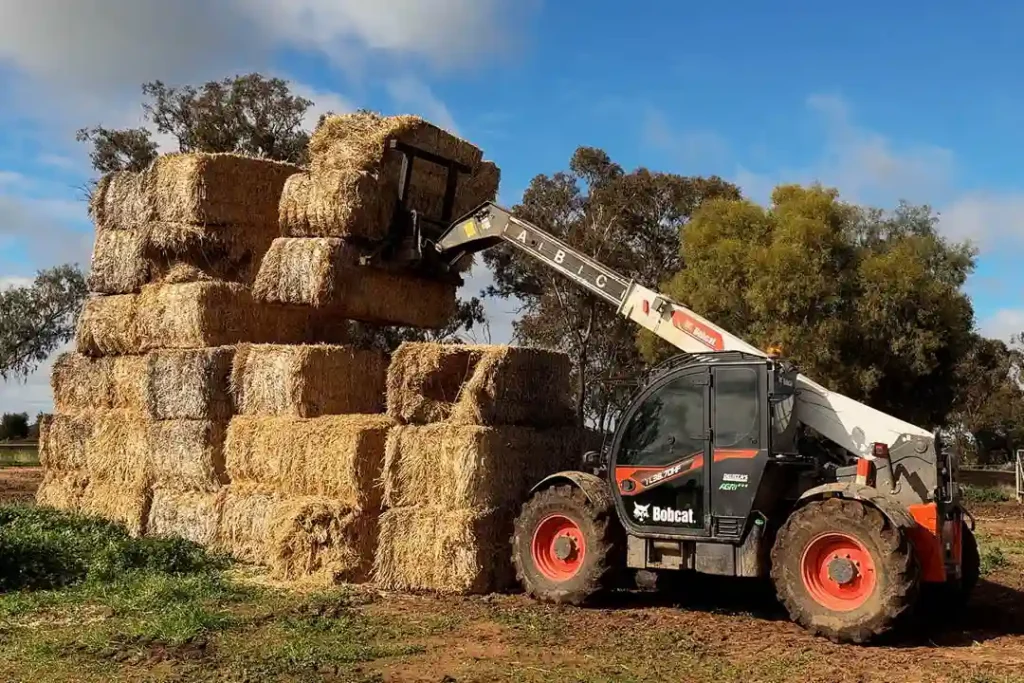
One of the great advantages of purchasing directly from a manufacturer like HIXEN is the possibility of customization. However, many buyers aren’t fully aware of the extent to which they can tailor their equipment to their precise needs. I’ve seen clients settle for “off-the-shelf” models, only to find them not quite optimized for their unique operations. So, when you decide to order a telehandler, what customization options can you explore to ensure it’s a perfect fit?
When ordering a telehandler, significant customization options are available, ranging from specific engine types and hydraulic setups to cabin configurations and specialized attachments. Manufacturers like HIXEN can often modify lifting capacities, boom lengths, tire types, and even paint colors to perfectly match operational requirements, regional regulations, and brand identity, optimizing performance and integration.
Customization is not just about aesthetics; it’s about enhancing functionality, safety, and efficiency for your specific application. My goal is always to help clients get a machine that feels like it was built just for them, because in many cases, it can be. This truly optimizes your telehandler order.
Tailoring Your Machine for Peak Performance
Customization can significantly increase the value and utility of your telehandler. It allows you to address unique challenges and integrate the machine seamlessly into your existing fleet and operational workflows.
Performance Enhancements: Fine-Tuning Core Capabilities
- Engine Tuning for Specific Environments: For high-altitude operations, engines might need adjustments for optimal performance. Similarly, for extremely cold climates, specific heating elements or cold-weather packages can be installed.
- Hydraulic Flow and Pressure Adjustments: If you plan to use high-demand hydraulic attachments, the manufacturer can often configure the auxiliary hydraulic flow and pressure to match, ensuring efficient operation of tools like concrete mixers or specialized grabs.
- Load Management Systems: Advanced load monitoring and management systems can be installed, providing real-time feedback to the operator and enhancing safety, particularly for complex lifts. These systems are invaluable when you order a telehandler for precision tasks.
Structural Modifications: Adapting to Unique Demands
- Boom Lengths and Configurations: While standard lengths exist, some manufacturers can offer slightly modified boom lengths or specialized boom tips for very specific reach requirements or for working in confined vertical spaces.
- Chassis and Counterweight Adjustments: For certain stability requirements or to meet specific road weight limits, the chassis might be reinforced, or counterweight options can be altered.
- Specialized Attachments: Beyond the standard forks and buckets, many factories can custom-fabricate attachments like rotating grabs, waste compactors, timber handlers, or custom-designed work platforms to meet unique industry needs. This is where HIXEN’s focus on versatility truly shines when you order a telehandler.
Operator Comfort and Safety Customizations: Prioritizing the User
- Cab Features: Beyond standard HVAC, options can include specialized seating (e.g., air-suspension seats for reduced vibration), advanced climate control, noise reduction packages, and ergonomic control layouts tailored to operator preferences.
- Lighting and Visibility Packages: For night operations or poorly lit environments, additional LED work lights, strobe lights, and specialized mirrors or camera systems (360-degree view) can be integrated for enhanced safety and visibility.
- Security and Telematics: GPS tracking, fleet management systems, remote diagnostics, and operator access control (keypad or RFID ignition) can be installed to monitor usage, optimize maintenance, and prevent unauthorized operation. These are crucial considerations for large fleets when you order a telehandler.
Navigating International Compliance and Documentation for Your Telehandler Order?
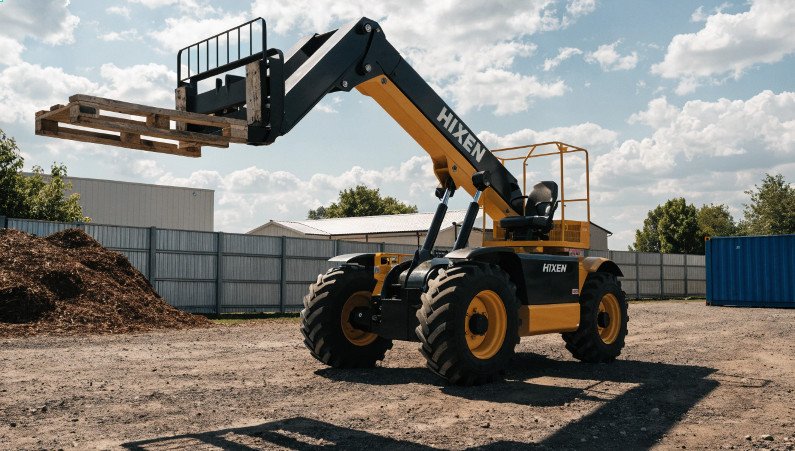
Purchasing a telehandler from an overseas manufacturer, while often cost-effective, introduces a layer of complexity: international compliance and documentation. I’ve personally seen a telehandler stuck at a port for weeks, incurring massive demurrage fees, simply because a single piece of certification was missing. This is a critical area where HIXEN’s 15 years of export experience truly helps. How do you ensure your telehandler order sails smoothly through customs and meets all regulatory requirements?
Navigating international compliance for your telehandler order requires meticulous attention to regional safety standards (e.g., CE, OSHA), emissions regulations, and import documentation. Proactive engagement with your supplier, customs brokers, and local authorities is essential to secure all necessary certifications, permits, and declarations, preventing costly delays and ensuring legal operation upon arrival.
This isn’t just about paperwork; it’s about adherence to global safety and environmental standards. My advice is always to be over-prepared rather than under-prepared. A smooth customs process is key to getting your new telehandler working for you quickly.
Ensuring a Smooth International Acquisition
International trade is a minefield of regulations. Your supplier should be your guide here, but you also need to do your part to understand the landscape.
Regional Safety and Environmental Standards: No Room for Error
Different countries and regions have specific safety and environmental standards that heavy machinery must meet.
- CE Marking (Europe): For countries in the European Economic Area, the CE mark indicates conformity with health, safety, and environmental protection standards.
- OSHA (USA): In the United States, Occupational Safety and Health Administration regulations dictate safe operation and equipment requirements.
- EPA Emissions Standards: Engine emissions must comply with local environmental protection agencies. HIXEN ensures that our telehandlers meet various international emission standards to facilitate seamless export.
Your supplier must be able to provide the relevant certificates of conformity (CoC) for your region. Confirming this upfront is non-negotiable when you order a telehandler.
Import Documentation: The Paper Trail
The sheer volume of documents required for international shipping can be daunting. Essential documents typically include:
- Commercial Invoice: Details of the goods, value, and buyer/seller.
- Packing List: Contents of each package.
- Bill of Lading (B/L) or Air Waybill (AWB): Contract between the owner of the goods and the carrier.
- Certificate of Origin: Proves where the goods were manufactured.
- Insurance Certificate: Proof of cargo insurance.
- Pre-Shipment Inspection (PSI) Certificate: Often required by importing countries to verify quality and quantity.
- Specific Permits/Licenses: Some countries require import permits for heavy machinery.
Your freight forwarder and the supplier (like HIXEN) will work together on these, but you need to be aware of what’s required for your specific port of entry when you order a telehandler.
Customs Duties and Taxes: Hidden Costs
Be fully aware of the customs duties, tariffs, and value-added taxes (VAT) applicable in your country. These can significantly add to the total cost.
- Harmonized System (HS) Code: Your telehandler will have a specific HS code. This code determines the applicable duties. Confirm this with your supplier and customs broker.
- Incoterms: Understand the agreed-upon Incoterms (e.g., FOB, CIF, DDP) in your purchase contract. These terms define who is responsible for shipping costs, insurance, and duties at various points in the journey. This clarifies financial responsibilities and avoids disputes when you order a telehandler.
Engaging Experts: Freight Forwarders and Customs Brokers
Unless you have extensive experience in international logistics, engaging a reputable freight forwarder and customs broker is highly recommended. They are experts in navigating the complexities of international shipping, ensuring all documentation is correct, duties are calculated properly, and potential delays are minimized. They can be invaluable partners in ensuring your telehandler order arrives without issue.
What to Include in Your Telehandler Purchase Contract?
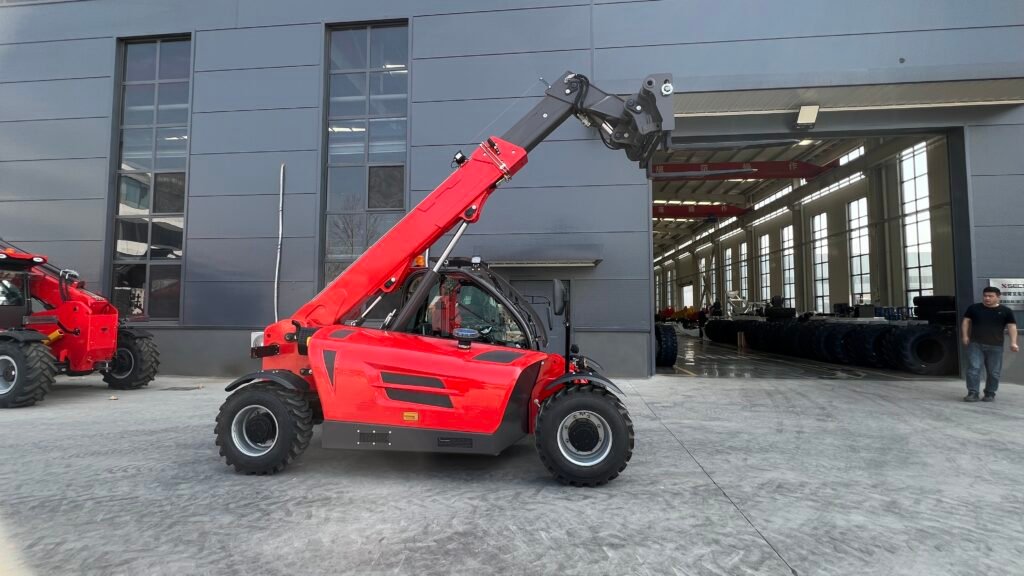
A purchase contract is more than just a formality; it’s the bedrock of your entire telehandler order. I’ve often seen disputes arise because crucial details were left vague or entirely omitted from the contract. This document protects both buyer and seller, outlining responsibilities, specifications, and remedies. So, what absolutely must be included in your telehandler purchase contract to safeguard your investment?
Your telehandler purchase contract must be comprehensive, clearly detailing the machine’s full specifications, the agreed price and payment terms, Incoterms, warranty conditions, delivery schedule, and dispute resolution mechanisms. It should also explicitly state all customization options and compliance certifications to prevent misunderstandings and protect both parties in your telehandler order.
Never underestimate the power of a well-drafted contract. It’s your legal shield, ensuring that what was promised is what is delivered, and providing recourse if things go awry. A robust contract makes the process of ordering a telehandler much smoother.
The Anatomy of a Solid Agreement
A good contract leaves no stone unturned. It clarifies expectations and mitigates risks, which is especially important for a high-value item like a telehandler.
Detailed Specifications and Customizations: Leave No Doubt
The contract must precisely list every technical specification, including:
- Model number, engine type, lift capacity, boom length, and any specific attachments.
- Every customization agreed upon, down to paint color or specialized hydraulic setups. Attach copies of drawings, technical data sheets, and load charts as appendices. This prevents any claims of misrepresentation later and confirms your telehandler order is exactly as requested.
Price, Payment Terms, and Currency: Financial Clarity
- Total Price: Clearly state the total purchase price, including any costs for customization or specific packaging.
- Payment Schedule: Outline deposit amounts, progress payments, and final payment terms (e.g., 30% down, 70% upon shipment).
- Currency: Specify the currency of transaction to avoid exchange rate disputes.
- Bank Information: Include clear bank transfer details.
Delivery Terms and Schedule (Incoterms): Who Pays for What and When?
- Incoterms: Crucially, specify the agreed Incoterms (e.g., FOB Qingdao Port, CIF your destination port, DDP your warehouse). This defines responsibility for costs and risks at various points in the shipping process.
- Delivery Date/Window: Provide a clear, realistic delivery timeframe. Include clauses for liquidated damages if the supplier fails to meet agreed deadlines. HIXEN provides clear lead times to manage expectations for your telehandler order.
Warranty and After-Sales Support: Assurance of Performance
- Warranty Period: Clearly state the duration of the warranty (e.g., 12 months or 2000 operating hours, whichever comes first) and what components are covered.
- Warranty Claim Process: Outline the procedure for making a warranty claim.
- Parts Availability: Include a clause about guaranteed spare parts availability for a specific period (e.g., 10 years).
- Technical Support: Detail how technical support will be provided (online, phone, on-site) and response times.
Compliance and Certifications: Legal Assurance
The contract should explicitly state that the telehandler will meet all specified regional compliance standards (e.g., CE, EPA emissions) and that the supplier will provide all necessary documentation (Certificate of Origin, CoC, etc.) required for import and operation in your country.
Inspection and Acceptance: Your Right to Verify
Include clauses regarding pre-shipment inspection rights, who bears the cost, and the process for formal acceptance of the machine upon delivery. This protects you from receiving a damaged or non-compliant telehandler order.
Dispute Resolution: Planning for the Unexpected
- Governing Law: Specify which country’s laws will govern the contract.
- Arbitration/Mediation: Outline the preferred method for resolving disputes (e.g., international arbitration in a neutral location) to avoid lengthy court battles.
How Do You Plan Logistics and Delivery for Your New Telehandler?
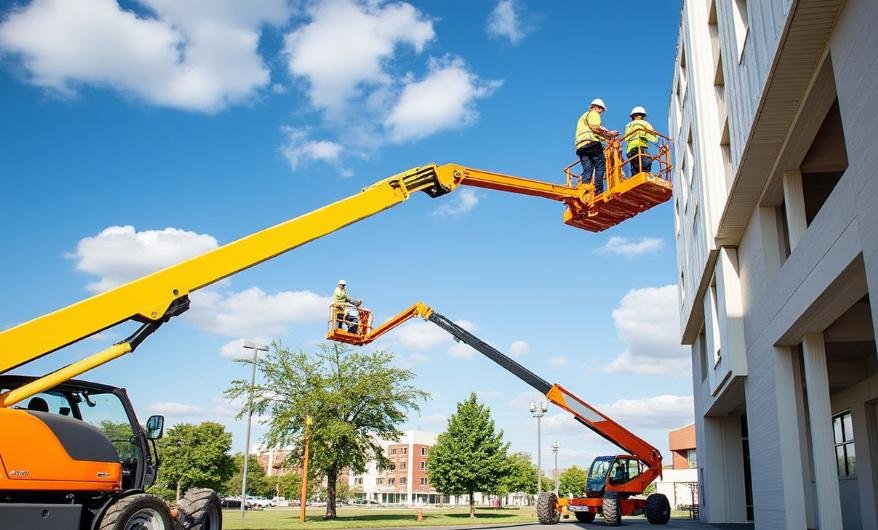
Getting your new telehandler from the factory floor to your worksite is often the most logistically complex part of the purchase. It’s not just about booking a container; it involves coordinating multiple parties, managing timelines, and preparing for unforeseen challenges. I’ve heard stories of machines arriving at the wrong port or being damaged in transit due to inadequate planning. So, how do you meticulously plan logistics and delivery to ensure your telehandler order reaches you safely and efficiently?
Planning telehandler logistics requires careful coordination with your supplier, freight forwarder, and local transport providers, selecting the appropriate shipping method (Ro-Ro or container), managing transit insurance, and preparing your receiving site. Detailed route planning, customs pre-clearance, and a clear understanding of Incoterms are essential to guarantee a smooth and timely delivery of your telehandler order.
Effective logistics is the bridge between a successful factory build and a successful deployment. This is where HIXEN’s experience in exporting to over 20 countries becomes a significant advantage, as we understand the intricacies of global shipping for your telehandler order.
Navigating the Supply Chain
The journey of a telehandler from factory to site is multi-faceted. Each step needs careful consideration to avoid delays and unexpected costs.
Shipping Method Selection: Ro-Ro vs. Container
- Roll-on/Roll-off (Ro-Ro): This method involves driving the telehandler directly onto a specialized vessel and driving it off at the destination. It’s often preferred for large, self-propelled machinery as it’s typically faster, requires less handling, and reduces the risk of damage. It’s usually the most cost-effective for large equipment.
- Container Shipping: Smaller telehandlers or those that can be partially disassembled might fit into open-top or flat-rack containers. While potentially offering more protection from the elements, it involves more handling and reassembly at the destination. Weigh the cost, protection, and size when making a decision for your telehandler order.
Freight Forwarder and Customs Broker: Your Logistics Team
A professional freight forwarder specializes in organizing the entire shipping process, from booking cargo space to managing port operations. A customs broker handles all the necessary import declarations and duties at the destination. These specialists are invaluable for navigating international shipping laws, ensuring correct documentation, and minimizing delays. Ensure they have experience with heavy machinery imports, especially when you order a telehandler.
Transit Insurance: Protecting Your Investment
Marine cargo insurance is non-negotiable. Accidents happen, and heavy machinery is a significant investment. Ensure the insurance coverage is comprehensive, covering damage, loss, and theft from the point it leaves the factory until it reaches your site. Understand the terms of your policy and what it covers. Your Incoterms will dictate who is responsible for arranging and paying for this insurance for your telehandler order.
Pre-Arrival Planning and Site Preparation: Ready for Receipt
- Port Procedures: Understand the port’s specific offloading and customs clearance procedures. How long will it take? Are there storage fees if you can’t pick it up immediately?
- Local Transport: Arrange for suitable heavy-haulage transport from the port to your final destination. Ensure the transporter has the right equipment and permits for oversized loads.
- Site Readiness: Prepare your receiving site. Is there adequate space for offloading? Is the ground firm enough? Do you have the necessary personnel and equipment (e.g., cranes if the telehandler was containerized and needs reassembly) to safely receive and move the machine? This planning ensures a smooth reception for your telehandler order.
Tracking and Communication: Staying Informed
Request regular updates from your freight forwarder and supplier on the status of your shipment. Real-time tracking allows you to anticipate arrival, manage internal resources, and react quickly to any unforeseen issues. Good communication is paramount throughout the logistics phase of your telehandler order.
What to Do During the Pre-Delivery Inspection of Your Telehandler?
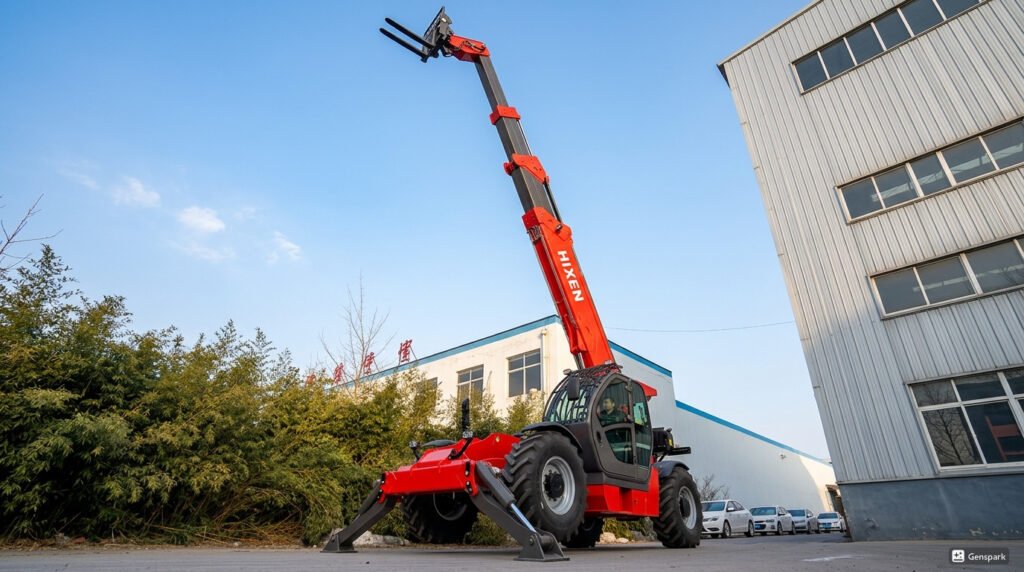
The moment your telehandler arrives is exciting, but it’s not the time to simply sign off and start working. A thorough pre-delivery inspection (PDI) is your final line of defense against receiving damaged goods, missing components, or a machine that doesn’t match your order. I’ve witnessed businesses overlook this step, only to discover costly issues later that were much harder to rectify. So, what steps should you take during the PDI to ensure your new telehandler is perfect?
During the pre-delivery inspection of your telehandler, meticulously verify that all specifications, attachments, and customizations match the purchase contract. Conduct a detailed visual inspection for transport damage, check fluid levels, test all primary functions, and confirm all documentation is present and accurate. This thorough check ensures the machine is ready for safe and productive operation, fulfilling your telehandler order to standard.
This inspection isn’t just a suggestion; it’s a critical component of your due diligence. It’s your last chance to identify any discrepancies before the machine enters service, saving you potential headaches and expenses down the road.
The Checklist for Final Acceptance
A systematic approach to the PDI will help you catch any issues. Don’t rush this vital step.
Verify Against Purchase Order and Specifications: The Blueprint Check
- Model and Serial Numbers: Confirm that the machine’s VIN/serial number matches the documentation.
- Specifications: Double-check that all key specifications (engine, lift capacity, boom length) align with your order.
- Customizations: Ensure all specific customizations, from paint color to hydraulic configurations, are present and correctly implemented.
- Attachments: Verify that all ordered attachments are present, undamaged, and compatible.
Visual Inspection for Transit Damage: A Critical First Look
Thoroughly inspect the entire machine for any signs of damage incurred during shipping.
- Exterior: Look for dents, scratches, broken lights, or cracked windows.
- Hydraulic Lines and Hoses: Check for any crimps, leaks, or signs of abrasion.
- Tyres: Inspect for cuts, punctures, or signs of uneven wear that might have occurred during transport.
- Undercarriage: Look for any signs of impact or scraping. Document everything with clear photographs and video.
Fluid Levels and Pre-Operational Checks: Ready for First Start
- Engine Oil: Check the dipstick to ensure the oil level is correct.
- Hydraulic Fluid: Verify hydraulic reservoir levels.
- Coolant: Check the coolant level.
- Fuel: Ensure there’s enough fuel for initial testing.
- Battery: Confirm the battery connections are secure and the charge is adequate.
- Greasing: Check if the machine has been properly greased at key pivot points.
Functional Testing: Bringing It to Life
- Start-Up: Start the engine and listen for any unusual noises. Check for warning lights.
- Boom Operation: Test the boom’s full extension, retraction, and lift/lower cycles. Ensure smooth operation without hesitation or jerky movements.
- Steering and Braking: Test all steering modes (2-wheel, 4-wheel, crab steer) and verify brake responsiveness.
- Attachments: Attach and test each accessory to ensure proper function and secure connection.
- Cabin Controls: Test all dashboard functions, lights, wipers, horn, and HVAC system.
- Safety Features: Verify the functionality of safety interlocks, overload warnings, and emergency stops.
Documentation Review: The Paperwork of Success
- Operator’s Manual: Confirm the correct manual is present and in the appropriate language.
- Maintenance Manual: Ensure you have the necessary guide for routine servicing.
- Parts Manual: Critical for ordering spare parts in the future.
- Warranty Information: Verify the warranty details and registration process.
- Compliance Certificates: Reconfirm that all required compliance documents (CE, CoC, etc.) are included.
- Service Records/PDI Checklist: Ensure the supplier’s own PDI checklist is completed and signed.
If any discrepancies or damages are found, document them immediately and inform the supplier and your freight forwarder before signing off on the delivery. This protects your rights under the purchase contract and ensures prompt resolution for your telehandler order.
Frequently Asked Questions
What’s the typical lead time when I order a telehandler?
Lead times for a telehandler order can vary significantly, usually ranging from 4-12 weeks, depending on the manufacturer’s production schedule, customization requirements, and shipping destination. Factors like component availability and current order backlogs also play a role. HIXEN strives to provide accurate lead times for every order.
Can I get financing options for my telehandler purchase?
While HIXEN focuses on manufacturing, many buyers utilize third-party financing for their telehandler order. Options include equipment loans, leases, or lines of credit from banks or specialized heavy equipment finance companies. It’s advisable to explore these options early in your purchasing process with your local financial institutions.
How do I ensure spare parts are available for my HIXEN telehandler?
HIXEN maintains a robust inventory of spare parts for all our telehandler models. We provide comprehensive parts manuals and can facilitate direct shipment of components to your location. Our goal is to ensure continuous operation and minimal downtime for your telehandler order, supported by efficient parts delivery.
What maintenance is required for a telehandler?
Regular maintenance is crucial for the longevity and performance of your telehandler. This includes daily pre-operation checks, routine fluid changes (engine oil, hydraulic fluid), filter replacements, lubrication of pivot points, and periodic inspections of critical components like brakes and tires. Always follow the manufacturer’s maintenance schedule found in the operator’s manual.
Conclusion
Successfully navigating how to order a telehandler is indeed a multifaceted project, not just a simple transaction. From meticulously defining your needs and selecting the right specifications to choosing a reliable supplier like HIXEN, managing complex international compliance, crafting a solid purchase contract, and planning meticulous logistics, each step is crucial. By embracing this systematic approach and performing a thorough pre-delivery inspection, you mitigate risks, avoid costly delays, and ensure your investment truly meets your operational demands. My 15 years of experience in the industry has shown me that preparation and due diligence are the keys to satisfaction.
Ready to invest in a telehandler that perfectly fits your project requirements? Don’t leave your significant capital investment to chance. Contact HIXEN today to discuss your specific needs. Our expert team is here to guide you through every step of the process, ensuring your customized telehandler order from our factory in Shandong, China, arrives exactly as you envisioned, ready to elevate your productivity. Let us help you make your next heavy equipment acquisition a resounding success.
Follow us on :YouTube.