Buying a used excavator without proper inspection can lead to unexpected downtime and expensive repairs. Problems might not be readily apparent, so you could end up with a pricey piece of equipment that’s not worth much of anything. Ourexcavator inspection guidecan help you know where to look before you buy so you can get a reliable machine that will make you money for years to come.
Purchasing a used excavator requires careful inspection to avoid costly repairs and unexpected issues. A thorough excavator inspection will help you assess the machine’s hydraulic system, engine, undercarriage, and key components. This guide will walk you through the critical steps, providing checklists and tips to make sure you’re making a smart investment. Don’t let hidden defects surprise you—use this inspection guide to protect your investment.
Sure thing. Let’s get into the critical components of an excavator you need to closely inspect before you give it the okay and buy it.

Why Conduct an Excavator Inspection?
Before we dive into the حفارة inspection checklist, it’s important you understand why we’re doing this and why it’s so crucial.
Avoiding Costly Repairs
Not looking the machine over will cause you to miss potential problems. The problems will not be evident by simply looking from the side and won’t be the obvious things you do see, such as scratches and dings. If you buy an excavator with a damaged hydraulic system, it might need a complete overhaul, and your downtime and money spent fixing this one problem can be very significant.
Ensuring Longevity and Performance
Excavators are not cheap, but when taken care of, they will last a long time. So by doing these steps and checking the things we’re going to talk about, you can be sure the machine will last as long as you want it to run. You can buy a well-maintained, well-tested excavator, and it will last you for many years to come.
راحة البال
Inspections are always better early instead of late. You never want to miss a problem, because once you buy a machine, you own the problem. A seven-point inspection and a test operation provide peace of mind. You’re confident about the condition of a machine before you make a decision. You can negotiate a lower price if you find a problem, or say, “This one isn’t right for me,” and keep looking.
Key Areas to Inspect in an Excavator
النظام الهيدروليكي
The hydraulic system is probably one of the most critical systems on the machine. The hydraulic system controls the essential operations of the machine—in other words, the lifting and the digging and the swinging that the machine does. If the hydraulic system isn’t working properly, then the machine isn’t worth a plug nickel.
What to Look for:
- Leaks.Look for any signs of hydraulic oil leaks, especially around hoses, fittings, and cylinders where seals wear. Hydraulic leaks mean machine performance suffers and operational costs go up from lost hydraulic oil and increased heat in the system.
- Fluid condition.Hydraulic fluid should be clean and clear of contaminants. Excessively dirty or dark fluid indicates a poorly maintained machine, contamination from the outside, or trouble inside the system.
- Pump performance.Operate the machine to test the hydraulics, raise and lower all control arms such as the boom, bucket, and shovel of a loader for any difference in speed or jerky motion. This could mean problems with the pump, valve body or internal parts.
Hydraulic System Inspection Checklist
| نقطة التفتيش | ماذا للتحقق | Signs of Trouble |
|---|---|---|
| التسريبات الهيدروليكية | Inspect hoses and cylinders for leaks | Fluid stains on hoses or around fittings |
| Fluid Condition | Check fluid color, clarity, and consistency | Fluid that is dirty, milky, or too dark |
| Pump Performance | Operate boom, bucket, and other hydraulic systems | Jerky, delayed, or uneven movements |
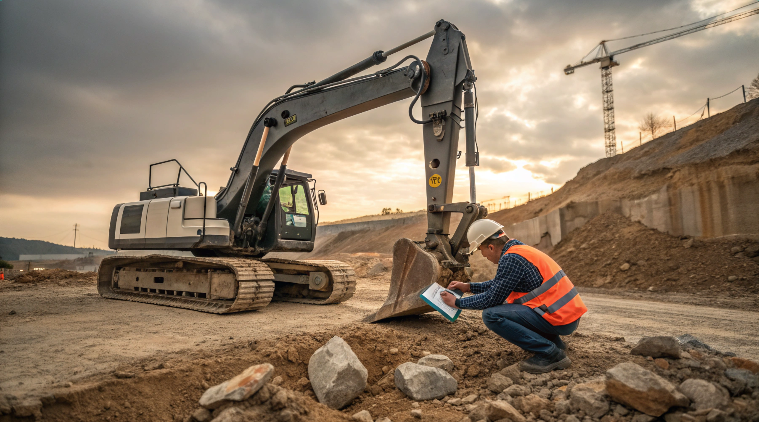
الهيكل السفلي والمسارات
The undercarriage of an حفارة takes much of the abuse from the machine’s weight and is often the first area to wear out on the machine, especially in rugged conditions. Make sure the tracks, rollers, and sprockets are in good shape to guarantee the machine’s stability and performance.
What to Look for:
- Track wear.Inspect the tracks for uneven wear. Worn, uneven tracks can throw the machine out of balance and cause traction difficulties, which results in uneven digging and extra wear on
the undercarriage. - Track tension.Make sure the tracks are not too tight or too loose. Improper track tension can cause undue strain on the undercarriage.
- Rollers and sprockets.Significant wear or damage to the rollers and sprockets will cripple the machine’s movement and efficiency. Inspect them for damage and signs of impending failure.
Undercarriage and Tracks Inspection Checklist
| نقطة التفتيش | ماذا للتحقق | Signs of Trouble |
|---|---|---|
| تتبع التآكل | Look for uneven wear or cracks | Tracks with visible wear or broken links |
| Track Tension | Check if the track is too tight or loose | Tracks too loose or too tight, affecting performance |
| Rollers and Sprockets | Inspect rollers and sprockets for damage | Broken or worn rollers, missing teeth |
Engine and Powertrain
The machine’sengine and powertrainare the heart of an excavator. If the engine or powertrain are not up to snuff, the machine can’t do its job well.
What to Look for:
- Engine noise.Start the engine and listen to the engine run. An engine that runs smooth and quiet, without any knocking or extreme vibration is healthy. Any unusual sounds such as knocking, groaning, whining, or clicking can indicate internal damage. Best to have it professionally checked.
- Exhaust smoke.Excessive exhaust smoke could signal internal problems with the engine. Black smoke generally means the machine is burning too much fuel. Blue smoke is an indication the engine is burning oil internally.
- Oil leaks.Look at the engine area and anywhere else oil might leak such as the hydraulics and the powertrain. Oil leakage will usually be a sign of worn seals, wear-and-tear, and may indicate internal problems with the engine.
Engine and Powertrain Inspection Checklist
| نقطة التفتيش | ماذا للتحقق | Signs of Trouble |
|---|---|---|
| Engine Noise | Start the engine and listen carefully | Knocking sounds or rough idling |
| Exhaust Smoke | Watch for any unusual smoke from the exhaust | Black or blue smoke indicating engine problems |
| Oil Leaks | Check around engine components for leaks | Oil stains or puddles near engine parts |
Boom, Arm, and Bucket
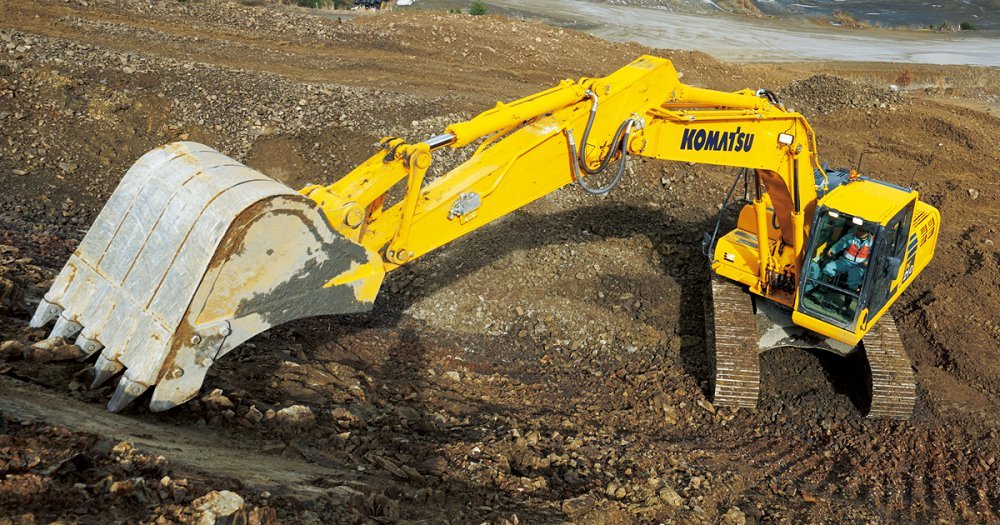
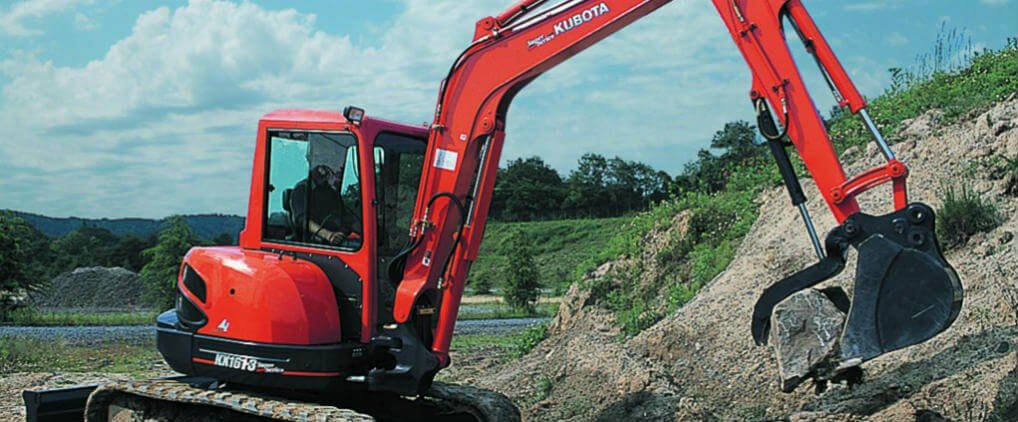
الboom, arm, and bucketare the most important parts of the excavator. These parts are subject to the most wear and are the most often used when digging or trenching.
What to Look for:
- Cracks: Pay close attention to the boom, arm, and bucket for any indications of weld damage or cracks. The machine’s strength and longevity may be jeopardized by these cracks.
- Excessive Wear: Because the bucket teeth are frequently subjected to tremendous forces during digging, look for excessive wear on them. The teeth will need to be replaced shortly if they are severely worn down.
- Alignment: Make sure the arm and boom are positioned correctly. Digging accuracy can be impacted by misalignment, which can also put more strain on other parts.
Boom, Arm, and Bucket Inspection Checklist
| نقطة التفتيش | ماذا للتحقق | Signs of Trouble |
|---|---|---|
| الشقوق | Inspect boom, arm, and bucket for cracks | Visible cracks, dents, or bent parts |
| ارتداء المفرط | Check bucket teeth for wear | Worn teeth or holes in the bucket |
| Alignment | Ensure the boom and arm are properly aligned | Misaligned components causing uneven operation |
Inspecting the Excavator’s Operational Controls
The machine’s performance is greatly influenced by the controls and operator cabin. Safe and effective operations depend on a responsive and seamless control system.
What to Look for:
- Comfort and Usability: The operator’s seat ought to be both cozy and adaptable. The controls ought to be placed so that the operator can reach them without difficulty.
- Control Performance: Verify that all of the machine’s hydraulic and mechanical controls are responsive and simple to use. Wear or a need for lubrication may be indicated by stiff or unresponsive controls.
Operator Cabin Inspection Checklist
| نقطة التفتيش | ماذا للتحقق | Signs of Trouble |
|---|---|---|
| راحة | Inspect the operator’s seat for adjustability and comfort | Worn-out or uncomfortable seat |
| Control Performance | Test the hydraulic and mechanical controls for smooth operation | Stiff, unresponsive, or malfunctioning controls |
Reviewing Maintenance History
The maintenance history of a used excavator offers important insight into its prior upkeep and performance.
What to Look for:
- Service Records: Request thorough service records from the seller. Inspections, part replacements, and oil changes should all demonstrate routine maintenance.
- Major Repairs: Verify whether the excavator has had any significant repairs. Major repairs might point to underlying problems that could impair its functionality.
Maintenance History Checklist
| نقطة التفتيش | ماذا للتحقق | Signs of Trouble |
|---|---|---|
| Service Records | Look for regular service intervals | Gaps in maintenance records, missing logs |
| الإصلاحات الرئيسية | Check for significant repairs or replacements | Major repairs indicating possible recurring issues |
Verifying Documentation and Legal Details
Make sure all the paperwork is in order before buying any used equipment.
What to Look for:
- Ownership Documents: Verify that the seller possesses the appropriate registration and ownership documents. This ensures that the machine is legitimately for sale and has not been stolen.
- Accident History: Request records of any previous mishaps or serious damage the excavator may have sustained.
Documentation Checklist
| نقطة التفتيش | ماذا للتحقق | Signs of Trouble |
|---|---|---|
| Ownership Documents | Confirm the legal ownership of the machine | Missing or incorrect ownership records |
| Accident History | Review any history of accidents or major repairs | Significant past accidents or major repairs |
خاتمة
To make an informed purchase, a thorough حفارة inspection is essential. You can make sure the machine will meet your performance requirements without any unforeseen problems by paying close attention to the hydraulic system, undercarriage, engine, boom, and important operational controls. If you’re unclear about any inspection points, always think about getting professional assistance. You can invest wisely and confidently in your next excavator if you do your research.
تابعنا في:يوتيوب.