Excavators are the principal tool in construction, mining, and infrastructure projects around the world. They are the bad boys who dig the holes for the foundations of skyscrapers, and they move more dirt than the dump trucks on big open-pit mine sites. Excavator performance and reliability are essential to complete these modern projects. However, there’s something often overlooked about مادة الحفارة.
Excavator materiallike high strength steel, cast iron, rubber, and advanced composites determine an excavator’s strength, durability and efficiency. Knowing this will help the operator pick the right machine and gives them an idea of how the manufacturers are changing the design of the machine.
In this article, we take a look at the types of حفارة material commonly used, how it affects what the machine can do, where it is, and what is yet to come as this specific industry advances.
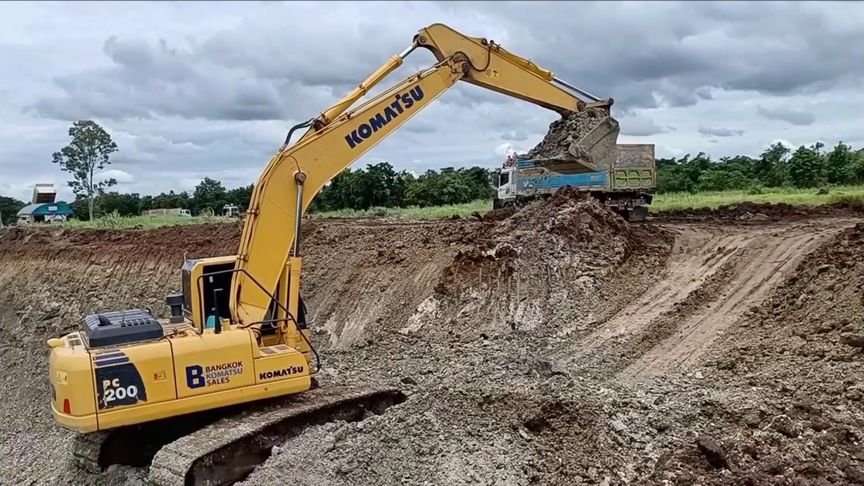
Main حفارة Materials Used in Manufacturing
High-Strength Steel
Nearly all of the serious structural stuff is made out of high-strength steel. We’re talking mainly about the boom, the arm, the chassi, and the undercarriage. Some of the steel used in these components has a tensile strength of well over 100,000 pounds per square inch to be able to lift and hold and move what these machines are rated to lift, hold or move without snapping in half or bending up on you.
The other awesome thing about steel is how easy you can fabricate with it and weld it if you need to modify it or repair it. All the high-end steel has some final touches, like heat treating and other things that make it super tough, so it can take the heat, take the abuse, and take the rocks, abrasive soils, and everything else that the steel or steel alloy or the structured component would last through and not wear out so fast.
High-strength steel is the core raw material in the bigger excavators that end up in places like underground mines, quarries, and major road and infrastructure projects where they are run hard for thousands of hours. When specifying an alloy, some are stronger, some are more flexible, some are great for impact resistance, some are better for heat distillation than others.
Cast Iron
Cast iron is used in engine blocks, counterweights, and a bunch of other stuff in the excavator. Cast iron is dense, which helps keep the machine from tipping over when you lift something heavy or work on a slope.
The vibration absorption of cast iron is excellent. You couldn’t ask for a better metal to help absorb machine vibration to save your hydraulics and engine, not to mention make the operator more comfortable. Cast iron can take high temperatures, like you find in an engine block or hydraulic housing. Many excavator parts are a combination of steel and cast iron to get the right strength to weight ratio and reduce vibration.
Rubber and Synthetic Compounds
Rubber anything is used in tracks, tires, seals, gaskets, hoses, and anything else related to filtering, cooling, turning, or vibration dampening. Rubber tracks are valuable for a mini or urban excavator because they don’t tear the crap out of the guy’s yard, give you more traction, and allow you to run on pavement without jacking it all up. Rubber tires are used for anything with tires. There’s no reason to say anything more about that.
Synthetic materials are used in the hydraulic systems. Hoses, gaskets, and seals made from the right synthetic compound resist hydraulic high pressure fluid, don’t wear out, and don’t leak except in rare instances. These materials are put through the ringer in the design and manufacturing process to ensure that they stand up to high heat, don’t wear out quickly, and don’t melt when hydraulic fluid gets on them. Manufacturers run tests at high and low temperatures and in the presence of a lot of different fluids to make sure their hoses, gaskets, and seals don’t fail and cause the machine to be down for repair.
Advanced Composites
In the more recent excavator industry, advanced composites have made their way into the cab, engine cover, panels, and protective guards. These materials are light, which helps your fuel efficiency as well as makes the machine easier to move around and results in less wear and tear on the undercarriage components.
Advanced composites are more expensive than plain old steel, but you get corrosion resistance, impact absorption, and some designs that are difficult or impossible to manufacture with metal. Some manufacturers are doing hybrid excavator designs that use a steel frame and advanced composite panels to give you the best of both worlds.
How Excavator Material Affects Performance
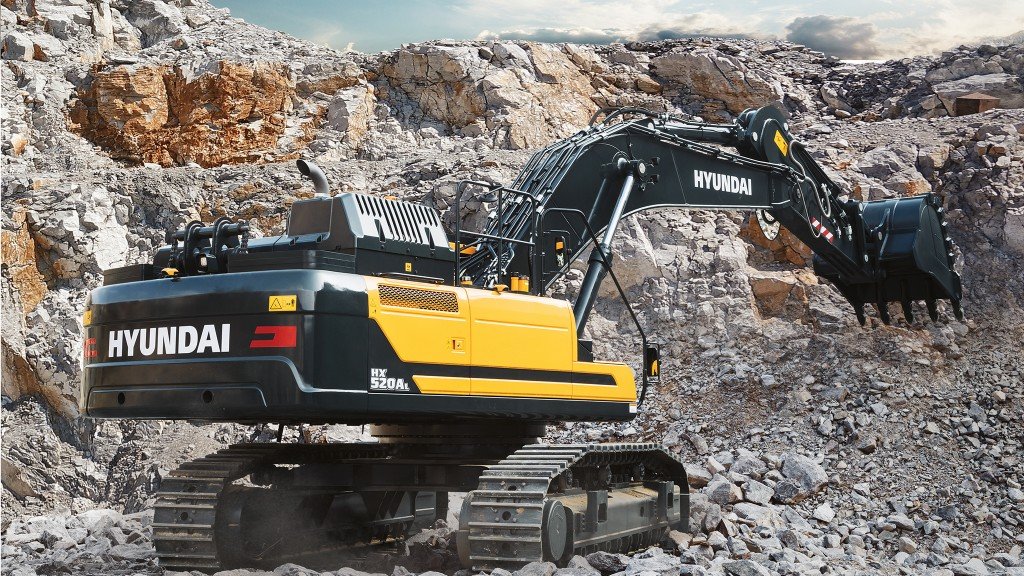
The choice of حفارة material has a huge influence on your excavator’s performance:
Strength and Durability:High strength steel keeps you from bending and cracking, and cast iron provides some stability and vibration control.
حفارة Weight:Lighter composites help you burn less fuel and haul and dig more dirt on certain projects where you have to travel a lot.
Maintenance: The rubber and hydraulic parts are, well, rubber and hydraulic parts. Eventually, they need replaced, but you need them to keep your hydraulics from killing themselves and help keep you from getting killed while you’re operating the machine.
راحة المشغل وسلامته:Vibration absorption, noise reduction, and being stab is good for your operator and good for productivity.
Common Excavator Material Wear Points
Even the toughest حفرrmaterialwill wear over time. Here are some of the critical wear points:
Boom and Arm Joints:The steel and alloy parts take a lot of abuse here, and all the bending and flexing can cause them to fatigue and form cracks if you don’t keep an eye on them.
Hydraulic Hoses and Seals:The hose, generally made of rubber or some synthetic compound, will deteriorate from the heat and friction generated in normal operation and the hydraulic pressure it is subjected to, leading to leaks.
Undercarriage Components:You have metal tracks, rollers, and idlers on the undercarriage, and you’re constantly driving through who knows what- rocks, soil, unexploded mines, whatever- and all that abrasion wears on the steel and the rubber components at an accelerated rate.
Engine Blocks and Counterweights:Even the cast iron engine block can give way if the coatings we depend on to keep these components rust-free are not applied or maintained.
Control your costs with regular maintenance and keeping an eye on حفارةmaterialintegrity to push the life of this machine as far out as possible.
Innovations in Excavator Material
Recent حفارة material innovations are centered on making machines more energy efficient and more durable, in addition to providing manufacturers with a more sustainable option when possible.
High-Performance Steel Alloys:The new alloys are designed to have a higher tensile strength, be immune to a lot of the corrosion issues, be lighter weight, and let us design in more strength into the structural components.
Eco-Friendly Rubber and Polymers:They have improved the compounds that go into the rubber and polymer components to where they are not only more wear-resistant, but also more recyclable.
Composite Cabins and Panels:We have seen this technology for a while, and it shows up in everything from the dump truck world to this kind of stuff. Anything you can do to reduce the weight is a good thing, as long as you make it safe and give it some rollover protection and things like that.
Hybrid Material Combinations:With strength and durability a primary concern on heavy equipment I would think that only parts that don’t need to be steel or equivalent will be made from composite materials. But for every steel component that can be reduced down in weight and still maintain strength will probably be designed with some sort of hybrid material.
These advanced excavator material make it possible to design and build excavators that are more energy efficient, easier to move around, and last longer.
Comparison Table: Steel vs. Composite vs. Hybrid Materials
| حفارة مادة | متانة | Weight Impact | Cost Level | Environmental Benefit | التطبيقات النموذجية |
| High-Strength Steel | ممتاز | Heavy | واسطة | Moderate (recyclable) | Boom, arm, frame, chassis |
| Advanced Composites | جيد | Very light | عالي | High (fuel saving) | Cabins, panels, protective covers |
| Hybrid Materials | Very good | Balanced | Medium-High | جيد | Structural parts in modern excavators |
This table highlights how different حفارة material choices influence overall machine characteristics and operational efficiency.
Future Outlook: Sustainable Excavator Materials
The excavator industry is going more green. Green tends to not be at the forefront of anybody’s mind when digging. Here are some future trends:
- Recyclable metals and less impact on the environment would always be a good thing.
- Composite components with a high strength-toweight ratio that can be used for heavy material.
- The use of smart materials that can sense their own condition and know when it’s the right time for maintenance to be planned.
- Plastics, rubbers, or whatever that break down easier to eliminate in the field or are biodegradable.
It seems that there are some really cool things on the horizon with material science that would benefit heavy equipment.
خاتمة
As with any piece of equipment, the حفارة material is a key factor in how strong, efficient and environmentally friendly it can be. High-strength steel, more cast iron, rubber, synthetics, and these new composites play an essential role in the strength, weight and efficiency of your materials.
تابعنا في:يوتيوب.