Is Your Bulldozer Too Heavy? How Machine Weight Affects Fuel Costs Struggling with high fuel costs for your bulldozer? The weight of your machine might be the issue. If you’re running a bulldozer, the weight of that machine directly affects your fuel consumption. As a result, that machine weight affects your operational costs, sometimes significantly. In this article, I’ll explain how bulldozer weight affects fuel efficiency and what you can do to minimize your fuel costs.
Bulldozer weight significantly impacts fuel efficiency, with heavier machines consuming more fuel. By understanding this relationship, construction companies can make informed decisions about bulldozer selection. Choosing the right weight class and upgrading engine technology can improve fuel efficiency and lower long-term operational costs. Learn how bulldozer weight affects your fuel consumption and explore effective strategies for improvement.
Now that you understand how that works, let’s talk about how bulldozer weight affects fuel efficiency in different scenarios.
How Bulldozer Weight Affects Fuel Efficiency
Understanding the Relationship Between Weight and Fuel Consumption
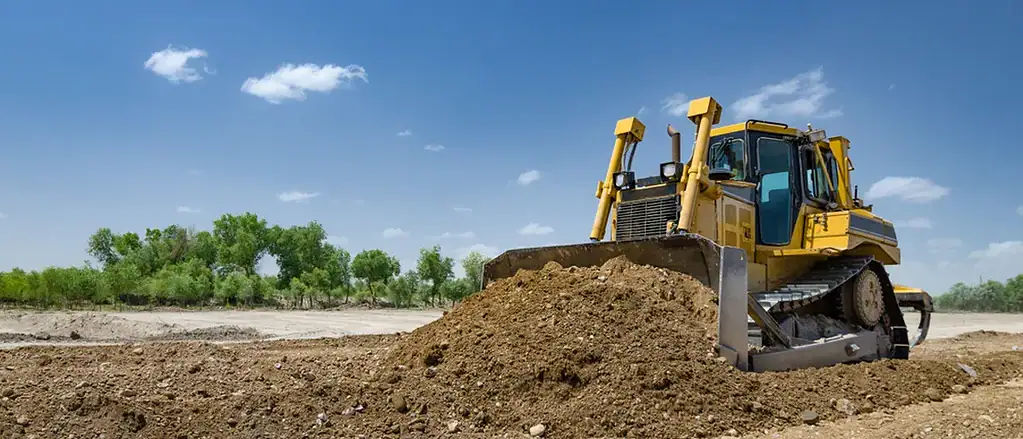
Bulldozer weight directly impacts how fuel-efficient the machine is. The heavier the bulldozer, the more fuel it will typically burn. Why is that? Because the engine has to work harder to move that weight. The more the machine weighs, the more energy it takes to push it along, hence the greater fuel consumption.
To simplify it further, the major factor impacting fuel efficiency is the weight of your bulldozer. For the most part, the heavier the machine, the more fuel is consumes. Why? Because the engine has to work harder to pull that weight. In short, the heavier your machine, the more fuel you’re going to use. If you understand that, you’re 90% of the way to grasping the concept.
Here is a table that illustrates this relationship:
| Bulldozer Weight | Fuel Consumption (liters/hour) | Impact on Fuel Efficiency |
|---|---|---|
| 10,000 kg (Light) | 15 liters | Higher fuel efficiency |
| 20,000 kg (Medium) | 30 liters | Moderate fuel efficiency |
| 30,000 kg (Heavy) | 45 liters | Lower fuel efficiency |
As you can see by that table, a heavier bulldozer typically uses up more fuel! So understand that as you size up your bulldozer. Always consider fuel costs when making that decision.
Impact of Bulldozer Weight on Engine Power and Performance
Here’s what you need to remember; the engine in your bulldozer is designed to deliver the power and torque you need to push stuff around, based on the weight of the machine it’s pushing and the strength needed to get the job done. The heavier the bulldozer, the harder the engine has to work to push the bulldozer and the more fuel you’re going to burn. Also remember, the weight of the machine also affects how well the machine does its job, which is pushing dirt, spreading sand, or leveling the ground.
A major factor is the power-to-weight ratio of that bulldozer. In many cases, a heavier bulldozer has a larger engine. The engine has more horsepower, which allows the operator to push more dirt, but all other things being equal, it also consumes more fuel because it has more power.
For example, you might have a 30,000-kilogram bulldozer with a 500-horsepower engine. Conversely, say you have a 20,000-kilogram bulldozer with a 350-horsepower engine that can push the same amount of dirt. The 30,000-kilogram bulldozer has more power, but it also uses more fuel to have that power because it’s pushing more dirt .

How Bulldozer Weight Affects Fuel Efficiency in Different Scenarios
Ground Pressure and Fuel Consumption
One of the things you have to remember is a heavier bulldozer usually means more ground pressure. More ground pressure means you’ve got to work a little harder. More work usually means more fuel.
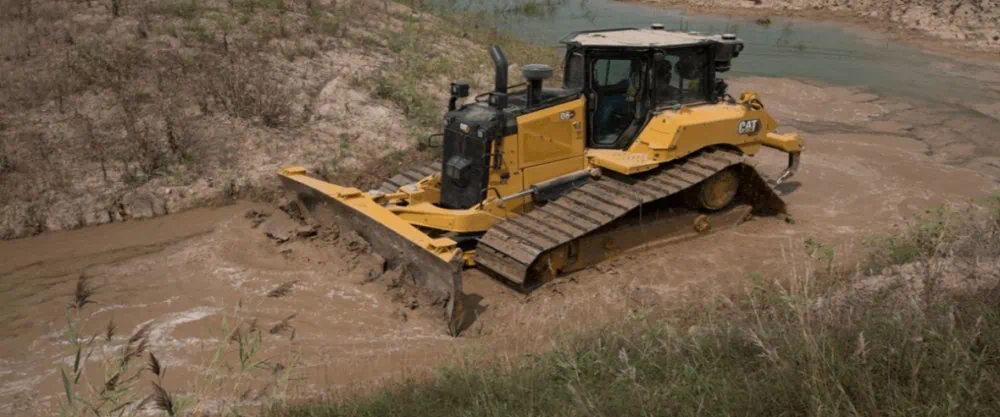
Here’s another example: If you’re working in mud or loose dirt, the heavier the bulldozer, the more ground pressure it has, which means it’s going to sink more into the ground. The more it sinks into the ground, the more drag or friction you have, which means it’s going to take more fuel to move that bulldozer.
Here’s how ground pressure impacts fuel consumption:
| Ground Pressure | Bulldozer Weight | Fuel Consumption Impact |
|---|---|---|
| Low | 10,000 kg | Lower fuel consumption |
| Medium | 20,000 kg | Moderate fuel consumption |
| High | 30,000 kg | Increased fuel consumption |
As the chart shows, a heavier bulldozer with high ground pressure is going to consume more fuel, especially when the bulldozer is working on soft or uneven terrain.
Hydraulic Systems and Weight
The second reason is that the bulldozer’s hydraulic system may be larger on a heavier machine, which is designed to handle the weight and power needs of the bulldozer so you can push dirt. All those larger hydraulic systems operate on the power from the engine. The more complex and larger the hydraulic system, the more fuel it takes to keep it working. So heavier bulldozers usually have larger hydraulic systems too.
Terrain Type and Its Effect on Fuel Efficiency
The third reason is the energy to push the machine through the terrain. And the heavier the machine, the more energy it takes to push it through the terrain, especially if you are working on soft terrain, wet terrain, or sandy terrain.
For example:
- Rocky Terrain: A heavier bulldozer can perform effectively without significant fuel inefficiencies.
- Soft Soil or Sand: A heavier bulldozer will experience greater resistance, requiring more fuel to move.
Here’s a quick comparison of how different terrain types affect bulldozer fuel consumption:
| Terrain Type | Light Bulldozer Fuel Consumption | Heavy Bulldozer Fuel Consumption |
|---|---|---|
| Rocky Ground | Low | Moderate |
| Soft Soil | Moderate | High |
| Sand | Moderate | Very High |
Strategies to Improve Fuel Efficiency in Heavier Bulldozers
Upgrading to More Fuel-Efficient Engines
One of the ways to improve fuel efficiency for these bulldozers is to have a more efficient engine. Put a newer diesel engine in them that is more fuel-efficient, and you’ll reduce your fuel costs significantly. Another option is a diesel-electric bulldozer – they run with primarily an electric motor and use a diesel engine to fuel the generator that charges the batteries. Therefore, they use a lot less fuel but work just as hard.
Using Lightweight Materials to Reduce Bulldozer Weight
To address these issues, manufacturers are continuously developing lighter materials for bulldozer construction. Using materials like high-strength steel and advanced composites can significantly reduce the overall weight of the bulldozer without affecting its performance. Reducing the weight of the bulldozer can have a direct impact on fuel efficiency. Lighter bulldozers consume less fuel because the engine has to work less to move the machine.
Routine Maintenance for Optimized Fuel Efficiency
Lastly, keeping the bulldozer in top condition is key to fuel efficiency. Regular engine maintenance, hydraulic system checks, and tire pressure are all part of maintaining the bulldozer for peak fuel efficiency. A tuned engine, clean systems, and a bulldozer at top running condition means you will burn less fuel even if it’s heavier than it could be.

Case Studies: Real-World Fuel Efficiency Comparisons
Case Study 1: Heavy CAT Bulldozer vs. Lighter Komatsu Bulldozer
Let’s look at some numbers and compare two different bulldozer models, one heavy and one light, to understand how weight affects fuel consumption.
- CAT D11 (Heavy, 75,000 kg): This bulldozer has a fuel consumption of approximately 55 liters per hour.
- Komatsu D61 (Light, 20,000 kg): This bulldozer consumes about 25 liters of fuel per hour.
The D11 burns a lot more fuel moving those bigger piles of dirt because it’s a heavier machine. The smaller D61 has a lot of power and uses a lot less fuel to do the same work, especially for smaller jobs.
Case Study 2: Long-Term Project Costs of Heavier vs. Lighter Bulldozers
Project managers will consider fuel usage when calculating project costs over a long construction project. If a machine like a big CAT D11 might cost an additional $50,000 in fuel over a year compared to a Komatsu D61, then that is something to think about.
Conclusion
The conclusion is clear. Bulldozer weight impacts fuel use, with weightier bulldozers consuming more because they carry a greater engine load and ground pressure while lighter bulldozers are more fuel efficient.
Nevertheless, with advancements in engine technology, lightweight materials, and regular maintenance, it’s now possible to improve fuel efficiency in even the largest, heaviest bulldozers.
For prospective buyers, you need to weigh the trade-offs between the weight, fuel efficiency, and the needs of your project. Knowing these traits will help you make a more educated decision about which bulldozer is right for you.
Follow us on :YouTube.