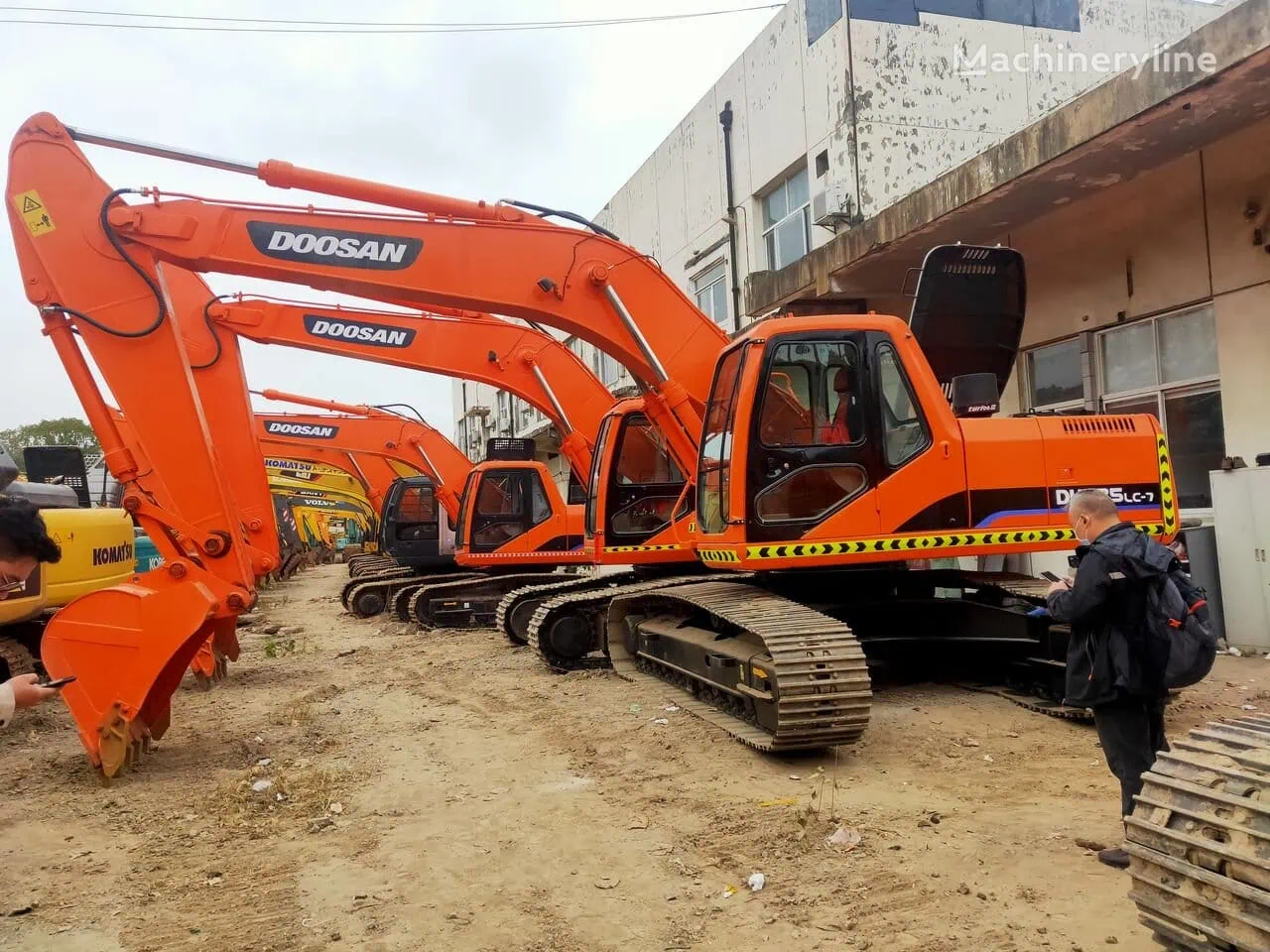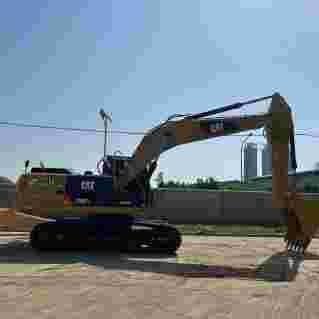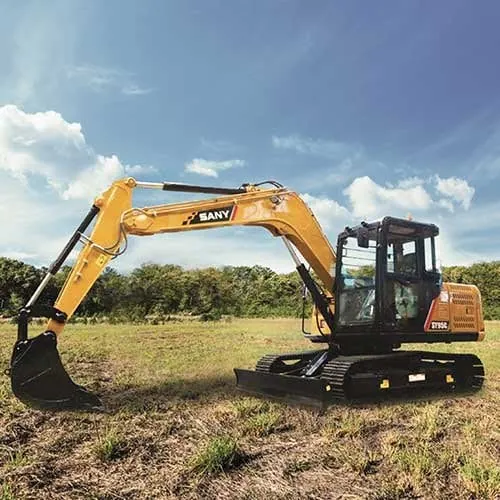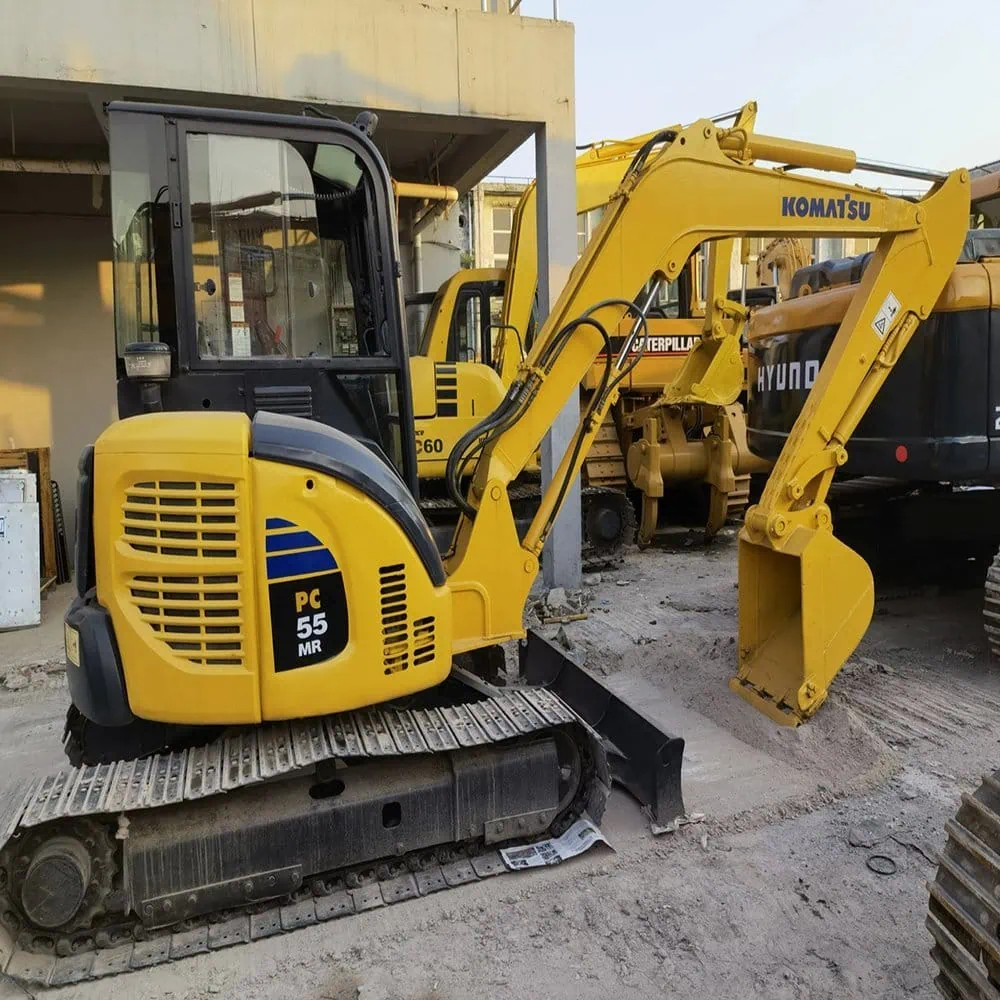
No two excavator brands are the same. Each has its strengths and weaknesses in terms of features, performance, fuel economy, serviceability, and price. There isn’t necessarily a “right” answer or a “bad” machine in the entire list. It depends on who you are as an equipment user, what your expectations are, and what your buying patterns are.
Hitachi VS Komatsu excavators are both excellent options for construction work, but they differ in performance, cost, and application. Hitachi offers superior hydraulic control and fuel efficiency, ideal for precise or urban projects. Komatsu provides durability, advanced technology, and longer service intervals, making it suitable for heavy-duty tasks. For buyers, the best choice depends on jobsite size, expected workload, maintenance preferences, and resale plans. This detailed guide compares key features, specs, and ownership costs to help construction professionals confidently choose the better excavator brand for their business needs.
I’ll now dive into a detailed comparison of Hitachi VS Komatsu, two of the top-used and top-own brands. These two manufacturers help you figure out which one is best for your business.
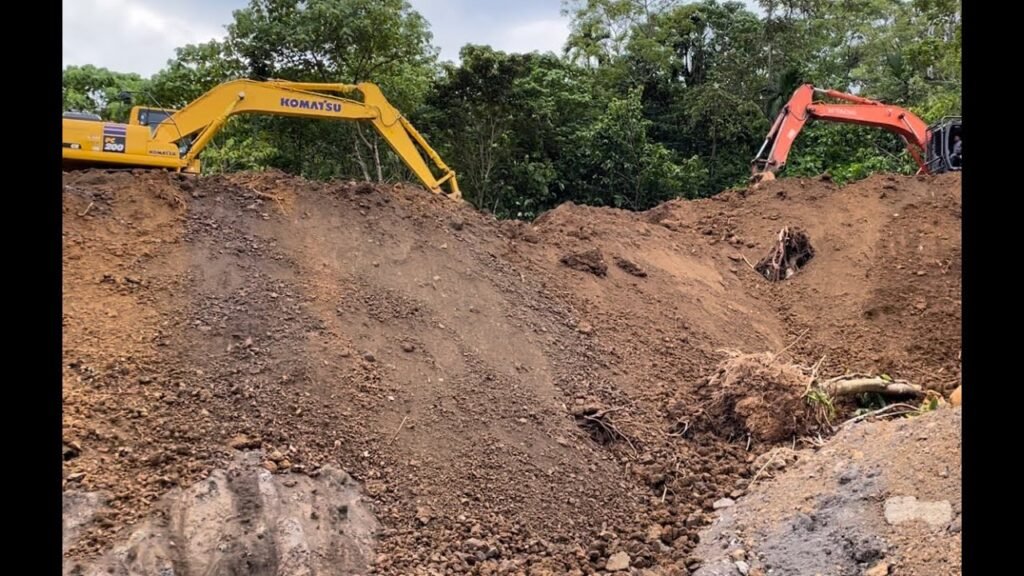
What Do Construction Buyers Really Need in an Excavator?
No two excavator brands are the same. They each have their strengths and weaknesses in terms of features, performance, fuel economy, serviceability, and price. There isn’t necessarily a “right” answer or a “bad” machine in the entire list. It depends on who you are as an equipment user, what your expectations are, and what your buying patterns are.
Key Requirements for Construction Excavators
| Priority Factor | Description | Why It Matters |
|---|---|---|
| Digging Power | Breakout force and lifting capacity | Speeds up earthmoving and trenching |
| Fuel Efficiency | Liters per hour or gallons per hour | Directly impacts operating costs |
| Hydraulic Precision | Smoothness and controllability of movement | Essential for finish grading and trenching |
| Durability | Chassis strength, boom-arm endurance | Reduces breakdowns and increases project uptime |
| Operator Environment | Cabin noise level, visibility, ease of control | Affects productivity and safety |
| Service Interval & Access | How often and how easy it is to service the machine | Reduces downtime and cost of maintenance |
Hitachi Excavators: Key Strengths for Construction Work
Hitachi is globally renowned for their hydraulic finesse, fuel-saving technologies and quiet operation. Their TRIAS hydraulic system is top-of-class — creating both productivity and operator comfort.
Advantages of Hitachi Excavators
| Feature | Benefit | Relevant Models |
|---|---|---|
| TRIAS Hydraulic System | Offers precise multi-function operation and improved fuel efficiency | ZX200, ZX210LC |
| Auto-Idle & Eco Mode | Reduces fuel use when machine is not in operation | All models |
| Comfortable Operator Cabin | Wide visibility, adjustable seat, low vibration | ZX135, ZX225US |
| Compact-Sized Models | Ideal for tight or urban construction environments | ZX70, ZX85 |
| Standard Control Layout | Easy transition for operators switching from other brands | All models |
Common Use Cases for Hitachi
| Application Type | Why Hitachi Works Well |
|---|---|
| Residential Construction | Precise movements, quiet engine, compact frame |
| Urban Utility Works | Fuel-saving idle tech, low emission footprint |
| Roadside or City Jobs | Maneuverable, safer near traffic due to tighter turning radius |

Komatsu Excavators: Strong Points in Heavy Construction
They are also built to achieve large production because of their longer stroke boom and arm, as well as their ability to cut through difficult ground more efficiently. With Komatsu hydraulic excavators, the beefier undercarriage system, longer-bladed track, and sealed rollers not only add longevity to the machine but also provide a smoother ride for the operator.
Advantages of Komatsu Excavators
| Feature | Description | Best Models |
|---|---|---|
| Robust Frame & Build Quality | High-tensile steel for undercarriage and arm | PC210, PC360 |
| Komtrax Telematics | Monitors fuel use, machine hours, error codes remotely | Included in most models |
| Long Service Intervals | Longer oil change and filter cycles reduce workshop time | PC200, PC300 |
| Operator Assistance Technology | Auto work modes, bucket return, swing priority | Advanced models |
| Wide Dealer Network | Komatsu has a global support footprint | All regions |
Komatsu Strengths by Project Type
| Construction Scenario | Komatsu Advantage |
|---|---|
| Mining / Quarrying | Rugged build, excellent load capacity |
| Infrastructure Projects | Smart features, stability on uneven ground |
| Long-Term Operation Sites | Long maintenance cycles, better durability |
Hitachi vs Komatsu: Performance Comparison Table
When selecting an excavator for construction work, performance goes beyond just digging power. Operators and buyers need to compare critical specs like hydraulic precision, fuel efficiency, operator comfort, and working range. Here’s a comprehensive performance breakdown between Hitachi and Komatsu excavators:
Hydraulic System and Control Responsiveness
When comparing precision, Komatsu’s intelligent hydraulic control system delivers stable power and is well suited for heavy-duty applications.
| Performance Metric | Hitachi – TRIAS System | Komatsu – Intelligent Hydraulic System |
|---|---|---|
| Micro-control accuracy | ⭐⭐⭐⭐⭐ Smooth and precise | ⭐⭐⭐⭐ Strong but slightly less refined |
| Multi-function coordination | Seamless and energy-efficient | Robust but more fuel-consuming |
| Hydraulic response delay | Minimal – almost real-time | Slight delay – suited for experienced users |
| Best suited for | Urban jobs, landscaping, precision | Heavy excavation, infrastructure works |
Fuel Efficiency and Emission Performance
Fuel costs are a significant portion of the overall project budget. As far as fuel, the Hitachi performs great at lighter to medium loads while under heavier loads the Komatsu seems to be more stable.
| Fuel Efficiency (20-ton class) | Hitachi ZX200-5G | Komatsu PC200-8 |
|---|---|---|
| Avg. Fuel Consumption (L/h) | 9.3–9.7 | 10.0–10.5 |
| Fuel Tank Capacity | 400L | 415L |
| Max Operating Hours per Tank | 41–43 hours | 39–41 hours |
| Emission Compliance | Euro III / Tier 3 | Euro III / Tier 3 |
| Eco Features | Auto Idle, ECO | Komtrax Monitoring |
Operator Comfort and Cabin Design
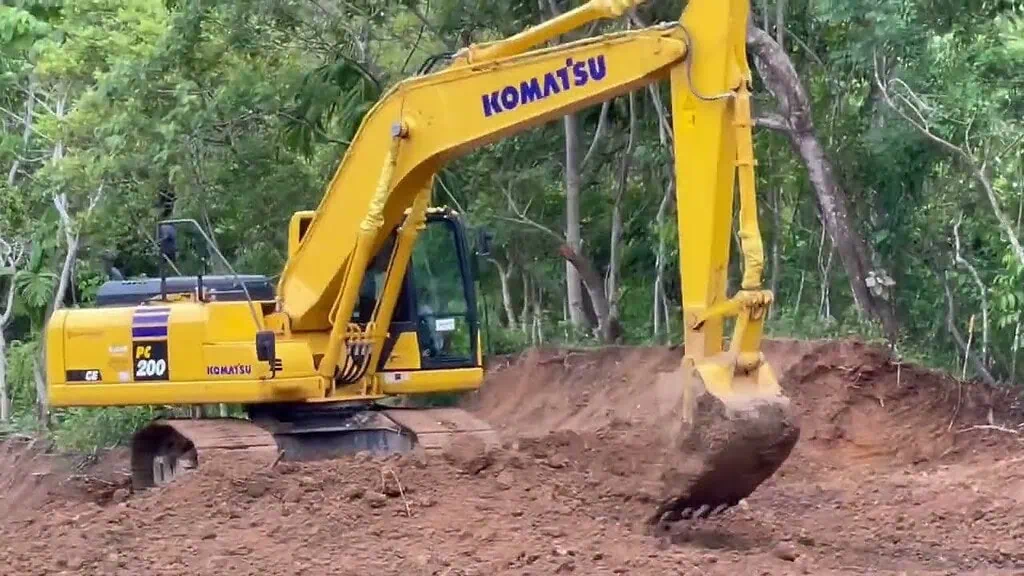
This can relate directly to productivity. Hitachi stresses low noise and more operator feedback and comfort. Komatsu stresses operator visibility and better control.
| Cabin Feature | Hitachi ZX Cabin | Komatsu KomCabin |
|---|---|---|
| Cabin Noise Level (dB) | 68 dB | 72 dB |
| Air Conditioning | Auto control + rear vents | Standard auto A/C |
| Control Interface | Touch + Joystick combo | LCD screen + electric levers |
| Visibility | 270° view + top window | Wider front view |
| Feedback Sensitivity | Softer, low fatigue | Firm grip, responsive |
Standard Bucket Capacity and Working Radius
It matters when it comes to productivity. As an example, use that 20-ton machine. A 3/4-yard machine is a lot less productive than a 2-yard machine over an eight-hour day. Let’s compare their working specs for 20-ton model machines:
| Work Spec | Hitachi ZX200-5G | Komatsu PC200-8 |
|---|---|---|
| Bucket Capacity | 0.91 m³ | 1.05 m³ |
| Max Digging Depth | 6.67 m | 6.62 m |
| Max Digging Radius | 9.93 m | 9.86 m |
| Max Dumping Height | 6.69 m | 6.83 m |
Which Brand Offers Better Value for Money?
Value is not just about the initial price, but the total ownership costs, operating cost, and resale. Here’s how Hitachi and Komatsu compare based on total cost of ownership (TCO) over 5 years.
Purchase Price and Depreciation Rate
Komatsu typically has a higher initial cost but retains value better in international used equipment markets.
| Brand | New Unit Price (20-ton) | Resale Price After 5 Years | Depreciation Rate |
|---|---|---|---|
| Hitachi | ~$68,000 | ~$30,000 | 55.9% |
| Komatsu | ~$72,000 | ~$33,000 | 54.2% |
Operating Costs Over 5 Years
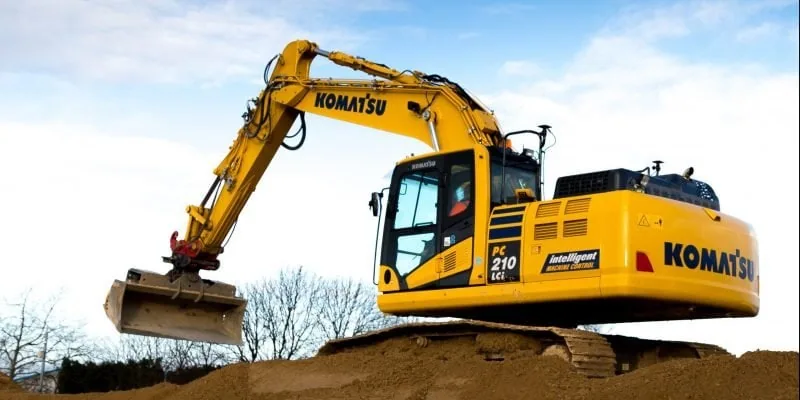
Hitachi stands out in fuel and lower cost maintenance. Komatsu requires less frequent service, which can be important for someone running machines out in the middle of nowhere or in a very high production type of setting.
| Cost Category | Hitachi (5 Years) | Komatsu (5 Years) | Notes |
|---|---|---|---|
| Fuel (6 hours/day) | ~$42,000 | ~$46,200 | Based on $1.2/L and 250 working days/year |
| Scheduled Maintenance | ~$2,700 | ~$2,000 | Komatsu has longer service intervals |
| Parts Replacement | ~$4,500 | ~$4,800 | Komatsu parts slightly more expensive |
| Total Operating Cost | ~$49,200 | ~$53,000 | Labor and transport not included |
Parts Availability and After-Sales Support
For a worldwide buyer like someone from South America or the Middle East, being able to get parts, and service from local people can be more important than anything to keep that machine up and running so they can make some money with it.
| Support Metric | Hitachi | Komatsu |
|---|---|---|
| China Parts Availability | High (East China hubs) | High (North & Central China hubs) |
| South America After-sales Coverage | Moderate (via third-party) | Excellent (Chile, Peru, Colombia offices) |
| Middle East Parts Delivery Time | Moderate (via transit) | Fast (regional parts depots) |
What Do Contractors Say?
We took our feedback from B2B people in South America, the Middle East, and Africa.
Dealer Testimonial Comparison
| Buyer Type | Location | Preferred Brand | Why |
|---|---|---|---|
| Import Dealer | Chile | Hitachi | Lower import costs, parts easy to find |
| Government Project | UAE | Komatsu | Handles high temp, minimal failure reports |
| Rental Company | Peru | Hitachi | More flexible for different site sizes |
| Construction Firm | Nigeria | Komatsu | Better support network, easy to maintain |
Buying Tips: How to Choose Between Hitachi VS Komatsu excavator
This section helps readers evaluate based on actual project conditions.
Selection Table: Hitachi vs Komatsu
| Question | Go with Hitachi if… | Go with Komatsu if… |
|---|---|---|
| Project is in urban or compact space | Yes | No |
| Fuel cost is a major concern | Yes | No |
| Jobsite is in rough, rural, or desert terrain | No | Yes |
| You need longer service intervals | No | Yes |
| Operator is new or not highly experienced | Yes (simpler interface) | No |
| You have access to a Komatsu-authorized service center | No | Yes |
Final Verdict: Which Is Better for Your Construction Business?
The answer isn’t universal—but it becomes clear when matched to your business needs.
Final Comparison Summary
| Feature | Best Brand | Note |
|---|---|---|
| Fuel Efficiency | Hitachi | Best for high-fuel-cost regions |
| Long-Term Durability | Komatsu | Built to last on rough sites |
| Operator Friendly | Hitachi | Especially in smaller models |
| Heavy Duty Application | Komatsu | Perfect for mining or major infrastructure |
| Maintenance Interval | Komatsu | Lower workshop time |
| Resale Market Demand | Tie | Both brands popular across Africa and LATAM |
Conclusion
Both of these brands are the very best. You won’t be disappointed with either. At the end of the day, your decision will come down to how well the machine fits your type of project and your cost
expectations and operator experience.
Not sure? Talk to a used machine company, and they’ll let you see both machines, read the oil reports, watch the videos, and run it before you buy.
Follow us on :YouTube.