Feeling lost in the maze of telehandler options? The thought of investing in heavy machinery can be daunting. My step-by-step guide will simplify your telehandler buying process.
The telehandler buying process involves meticulously defining operational needs, assessing the new, used, or rental market, and scrutinizing crucial specifications like load charts, engine power, and maneuverability to ensure the selected machine optimally performs within budget and environmental constraints.
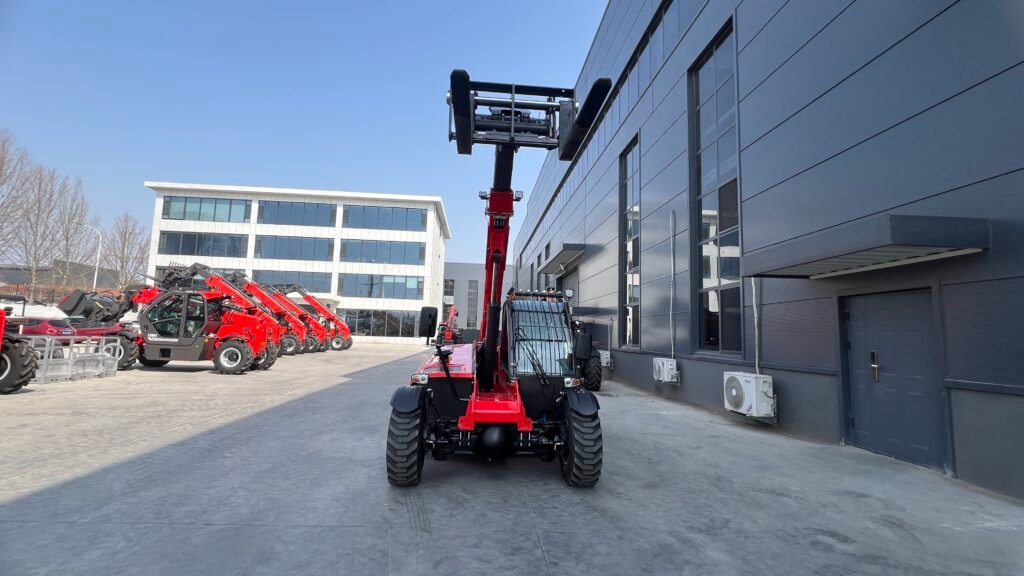
Embarking on the telehandler buying process is a significant decision. You’re not just purchasing a machine; you’re investing in efficiency, safety, and productivity for your operations. Many of my clients, when they first approach me, feel overwhelmed by the sheer volume of information and choices. They often know what they think they need, but the specifics can quickly become blurry. Follow along as I break down each critical step, helping you make an informed choice that truly serves your business for years to come. This detailed walkthrough aims to make your telehandler buying process as clear and straightforward as possible, ensuring you end up with the right equipment for your specific needs.
What Are Your True Telehandler Needs: Beyond Basic Specifications?
Overwhelmed by telehandler specs? Many buyers focus on just ‘max lift’ and miss the real picture. Let me guide your telehandler buying process effectively.
Defining your telehandler needs goes beyond maximum lift height; it involves detailing primary tasks, maximum load weights, actual required lift heights, and daily usage frequency to ensure the machine truly fits your operational demands and avoids unnecessary costs.
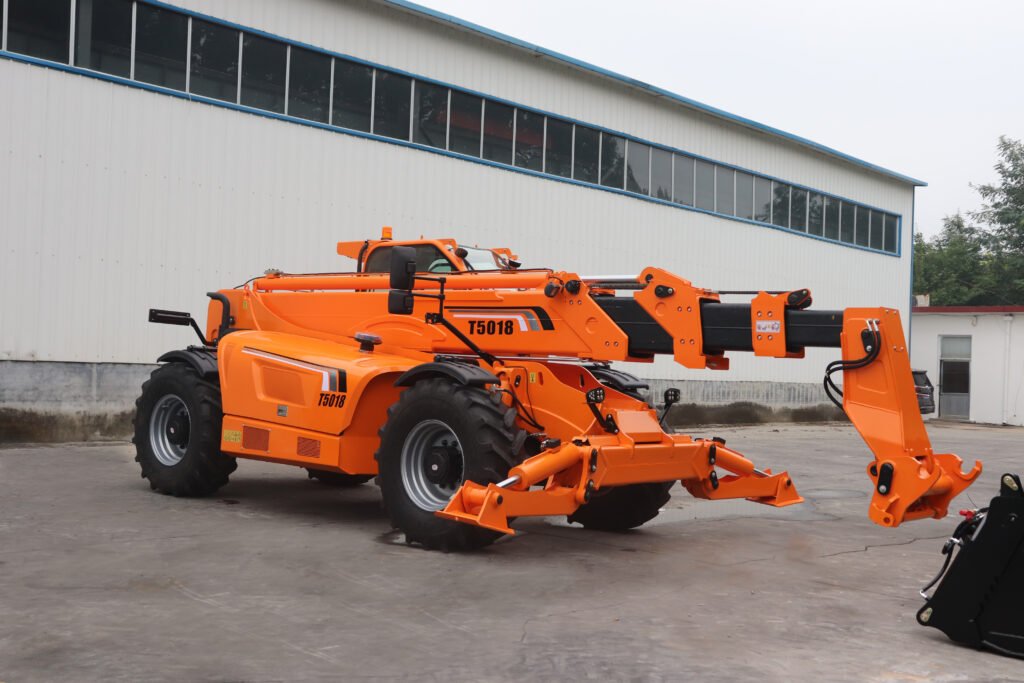
When I begin discussing a potential purchase with a client, my first question is always: “What do you truly need this machine to do?” It sounds simple, but this is the most critical step in the entire telehandler buying process. It’s about doing the right thing, rather than just doing things right. Many people focus solely on maximum lift height, thinking “bigger is better.” However, a larger machine than necessary often means higher costs, increased fuel consumption, and potentially reduced maneuverability. My advice is always to thoroughly outline your operational requirements before even looking at models. This deep dive into your specific use cases will shape your entire telehandler buying process.
Understanding Your Operational Demands
I always encourage clients to consider several key dimensions during this initial phase. These questions are designed to pinpoint the precise capabilities your telehandler must possess, rather than just what sounds impressive on a spec sheet. Skipping this step often leads to overspending or, worse, acquiring an unsuitable machine. This structured approach is fundamental to a successful telehandler buying process.
| Consideration Dimension | Key Questions for Your Telehandler Buying Process | My Insight |
|---|---|---|
| Primary Tasks | What materials will you primarily handle (pallets, hay bales, bricks, bulk goods)? | Knowing this dictates attachment needs (forks, buckets, grabs) and load stability requirements. For instance, moving loose grain requires a bucket, while palletized goods need forks, both influencing machine balance and capacity. |
| Maximum Load | What is the heaviest single load, in kilograms or tons, you will lift? | This isn’t just about the heaviest possible load, but the heaviest regular load. Don’t overbuy for an infrequent, outlier weight. Overestimating this will significantly inflate your telehandler buying process budget. |
| Actual Lift Height | How high do you genuinely need to lift materials to the working point? | This is crucial. Maximum lift height rarely equals the actual effective working height, especially when considering forward reach. I advise measuring your highest racks, building eaves, or truck beds precisely. |
| Usage Frequency | How many hours per day, or days per week, will the telehandler operate? | An infrequently used machine might benefit from rental or a well-maintained used model. High-frequency usage typically warrants a new, robust machine with a strong warranty, impacting the long-term telehandler buying process. |
I recall a client, a farmer from Kazakhstan, who initially insisted on a 17-meter telehandler. He believed bigger meant more capability. However, after I walked him through this detailed needs assessment, we discovered his primary task was moving 1.8-ton fertilizer bags inside a barn with a 2.3-meter wide entrance. A compact 6-meter model proved far more suitable. This change saved him approximately 8,000 Euros and, crucially, prevented issues with getting stuck in muddy conditions due to an oversized machine.
This real-world example underscores the importance of a thorough telehandler buying process rooted in actual requirements, not just perceived ones. Remember, load capacity and lift height often have a trade-off; always check the load chart, which I’ll discuss later. A machine might lift 3 tons at its base, but significantly less at full extension or maximum height. This distinction is vital in your telehandler buying process.
How Do Site Conditions Impact Your Telehandler Buying Process?
Ignoring your worksite conditions can lead to costly mistakes. Don’t let unsuitable equipment slow you down. Let’s optimize your telehandler buying process for your specific environment.
Site conditions like terrain (mud, concrete, slopes), access widths, and height restrictions profoundly influence the ideal telehandler choice. Evaluating these factors ensures optimal machine maneuverability, stability, and safety, making your telehandler buying process more effective and preventing operational bottlenecks.
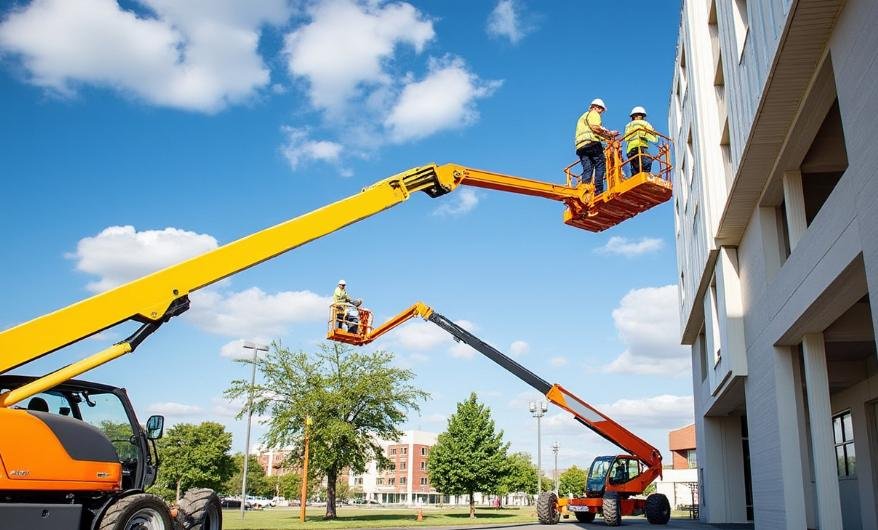
After understanding what you need to lift and how often, the next critical step in the telehandler buying process is to consider where the machine will operate. Your worksite environment is not a minor detail; it’s a major determinant of which telehandler specifications will serve you best. I’ve seen countless projects hindered because a client bought a machine without adequately assessing the physical constraints and challenges of their operational environment. This due diligence ensures that the telehandler you select is not only powerful enough but also physically capable of navigating and performing safely in its intended space. It’s a foundational element of a smart telehandler buying process.
Matching Machine to Terrain and Space
My approach to this part of the Teleskoplader buying process involves a detailed assessment of the physical layout and ground conditions of your site. This is where we consider practicalities that can make or break a project’s timeline and budget. For instance, a telehandler that performs flawlessly on a flat, paved yard might struggle, or even become unsafe, on uneven, muddy ground or steep inclines. Similarly, a machine too wide for a doorway becomes an expensive paperweight.
| Site Condition | Impact on Telehandler Choice | Key Considerations for Telehandler Buying Process | My Insight |
|---|---|---|---|
| Terrain | Tire type, 2WD vs. 4WD, ground clearance | Will it operate on muddy fields, uneven ground, concrete, or gravel? Consider industrial tires for paved surfaces, agricultural or flotation tires for soft ground. This directly affects traction and stability, impacting your telehandler buying process. | If you’re working in construction or agriculture with variable ground, 4WD is often non-negotiable. Don’t compromise on traction; it’s a safety and productivity issue. |
| Slopes | Engine power, braking system, stability control | Are there significant gradients or ramp accesses? Can the machine maintain stability and lift capacity on an incline? | A machine might have impressive lifting power on flat ground, but its performance significantly drops on slopes. Always check the machine’s rated capacity for incline work during the telehandler buying process. |
| Access Width | Machine width, steering modes | Can the telehandler comfortably pass through all necessary pathways, doorways, or aisles? | Measure all critical access points. A telehandler with a compact design or advanced steering modes (like crab steer) can be a game-changer for tight spaces, a crucial factor in your telehandler buying process. |
| Height Limits | Machine height, boom reach | Are there low ceilings in warehouses, overhead obstacles, or power lines? | Beyond maximum lift, consider the machine’s stowed height. You need to ensure it can enter and exit buildings or work beneath restrictive overhead structures. |
I once consulted with a client who purchased a standard telehandler for a dairy farm, only to find it struggled immensely in the soft, manure-laden ground during feeding times. He hadn’t considered the specific ground conditions beyond “it’s a farm.” We ended up needing to invest in specialized flotation tires and an expensive 4WD upgrade. Had we thoroughly evaluated the terrain during the initial telehandler buying process, a more suitable, factory-equipped machine could have been chosen from the outset, saving significant time and money. This experience cemented my belief that a granular understanding of the worksite is indispensable for a successful telehandler buying process.
Should You Buy New, Used, or Rent During Your Telehandler Buying Process?
Stuck between buying new, used, or renting a telehandler? Each option has pros and cons. Let’s clarify which path best suits your telehandler buying process.
The choice between new, used, or rental telehandlers depends on usage frequency, budget, project duration, and the need for latest technology or warranty. New suits long-term, high-use; used offers value; rental is ideal for short projects or trials within the telehandler buying process.
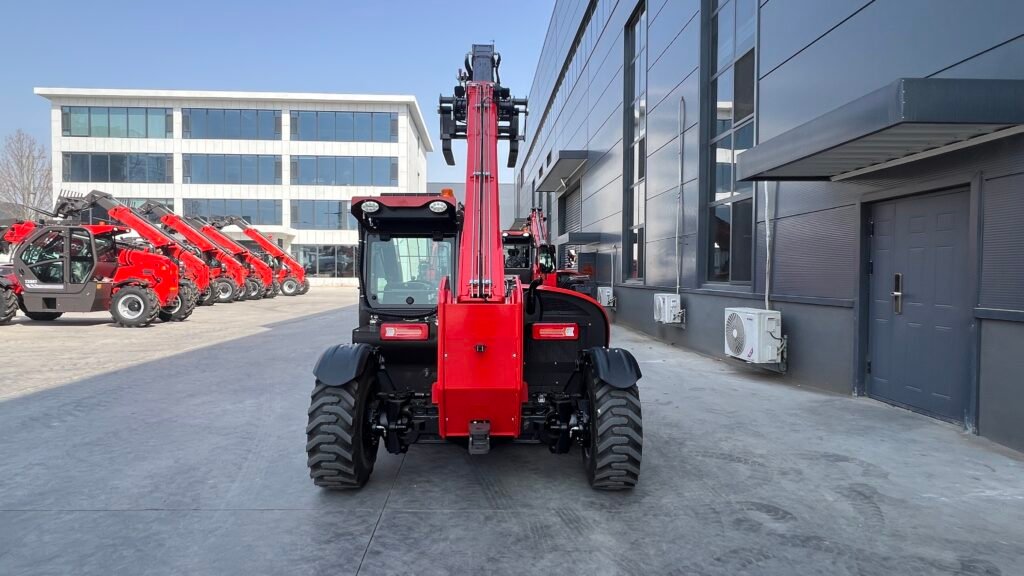
Once you’ve clearly defined your needs and assessed your operational environment, the next major decision in the telehandler buying process revolves around the acquisition method. Should you invest in a brand-new machine, opt for a pre-owned one, or simply rent? This choice isn’t just about upfront cost; it impacts long-term operational expenses, maintenance, flexibility, and even your balance sheet. My goal here is to help you weigh the advantages and disadvantages of each option, guiding you toward the most financially prudent and operationally effective decision for your specific circumstances. Understanding these distinctions is fundamental to an intelligent telehandler buying process.
Weighing Your Acquisition Options
I always advise clients to consider their long-term strategy when making this choice. There’s no single “best” option; it truly depends on your specific business model and current project pipeline. For businesses like ours, which both sell new machines and offer rental services, I can speak impartially about the merits of each path in the telehandler buying process. If your business focuses on a single service, you might lean that way, but for comprehensive advice, considering all three is key.
| Option | Vorteile | Nachteile | Ideal Scenario for Telehandler Buying Process | My Insight |
|---|---|---|---|---|
| Neu | Latest technology, full manufacturer’s warranty, customizable configurations, assured reliability, better financing options. | Highest initial cost, rapid depreciation in the first few years, commitment to long-term ownership. | Long-term, consistent use (e.g., over 2000 hours per year), core business operations where downtime is unacceptable, or when specific, customized features are essential. This is often the most straightforward telehandler buying process. | If your core business relies heavily on the telehandler and uptime is paramount, a new machine offers peace of mind and the latest efficiencies. |
| Gebraucht | Significant cost savings upfront, faster acquisition, potential for good value if well-maintained, immediate availability. | Potential for unknown wear and tear, limited or no warranty, older technology, potential for higher maintenance costs if not thoroughly inspected. | Moderate usage, budget constraints, specific model preferences no longer available new, or as a secondary machine. The used telehandler buying process requires meticulous inspection. | A well-maintained used telehandler can be an excellent investment, but it demands careful inspection and due diligence, which I’ll detail in the next section. |
| Rental | No capital outlay, no maintenance costs or depreciation risks, access to a wide range of models, flexibility for project duration, often includes transport and training. | Higher long-term costs if used frequently, limited customization, no equity build-up, availability can be an issue during peak seasons. | Short-term projects (e.g., under 3 months), one-off tasks, testing different models before committing to purchase, or for seasonal work. This offers maximum flexibility in the telehandler buying process. | If your annual usage exceeds six months and is stable, purchasing often becomes more cost-effective. For occasional use, however, renting can save you a lot of money and hassle. |
I often advise clients that if their annual telehandler usage consistently exceeds six months and their operational needs are stable, purchasing a machine will likely be more cost-effective in the long run. The depreciation and maintenance costs of owning can be offset by the cumulative rental fees. However, if you have a short-term project, a one-off task, or simply want to “try before you buy” a specific model, renting is an undeniably smart choice. It allows you to avoid the immediate financial burden and the long-term commitment. This strategic thinking around new, used, or rental is a cornerstone of an effective telehandler buying process.
What Key Factors Should You Check When Buying a Used Telehandler?
Considering a used telehandler to save costs? A great idea, but risks lurk without proper inspection. Master your telehandler buying process for pre-owned equipment.
When buying a used telehandler, rigorously inspect its hour meter, maintenance records, boom condition, hydraulic system for leaks, and tire wear. A detailed service history often indicates a more reliable machine, crucial for a sound telehandler buying process and long-term performance.
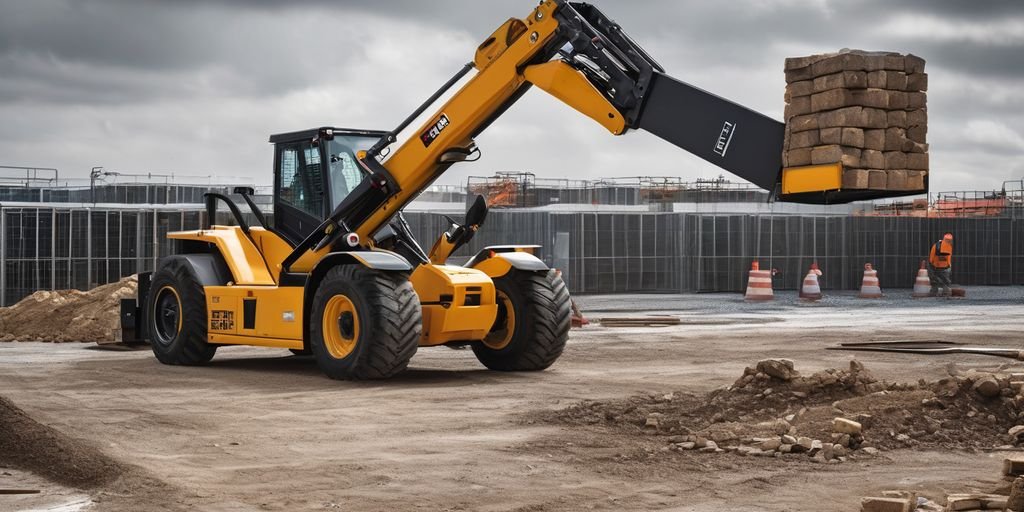
Choosing to purchase a used telehandler can represent significant cost savings, making it an attractive option within the overall telehandler buying process. However, this path comes with its own set of potential pitfalls. Unlike buying new, where you have the assurance of a factory warranty and pristine condition, a used machine carries the history of its previous operations. My extensive experience in the industry has taught me that a cheap, “no questions asked” used telehandler can quickly become an expensive liability. Therefore, a thorough inspection and due diligence are not just recommended, they are absolutely essential to ensure you’re making a wise investment. This meticulous approach is vital for a successful used telehandler buying process.
Critical Inspection Checklist for Pre-Owned Machines
I always provide clients with a comprehensive checklist when they’re considering a used telehandler. This isn’t just about looking for major flaws; it’s about understanding the machine’s overall health and anticipating potential future issues. A machine with a complete and verifiable maintenance history, even if it has more hours, is often a safer bet than a seemingly cheaper one with an undocumented past. The price range for used telehandlers can vary significantly, from around $20,000 for older, smaller models to $180,000 for more recent, larger, and well-maintained machines, depending heavily on brand, model, year, and condition.
| Inspektionsbereich | Key Checkpoints for Your Telehandler Buying Process | Why It Matters for a Used Machine | My Insight |
|---|---|---|---|
| Hour Meter | Verify hours, cross-reference with service history, look for signs of tampering. | Indicates actual usage, which correlates directly with component wear and remaining lifespan of major parts like the engine and transmission. | A low hour count is good, but if it doesn’t match the machine’s apparent wear or service records, be suspicious. I once saw a meter replaced; it was clear from the worn pedals and faded interior this wasn’t its true age. |
| Wartungsaufzeichnungen | Look for complete, regular service history, including major repairs and component replacements. | Shows consistent care, proactive issue resolution, and provides a clear timeline of the machine’s life. | A machine with meticulous records, even if older, often indicates a responsible owner who prioritized longevity. This transparency significantly de-risks your telehandler buying process. |
| Boom Condition | Inspect for cracks, welds, excessive play in pins and bushings, condition of wear pads. | Structural integrity, safety, and smooth operation of the boom are paramount. Any major repairs here could be very costly. | Pay close attention to the extension segments. Excessive play suggests worn pads, which are replaceable, but cracks indicate structural stress and can be a deal-breaker. |
| Hydrauliksystem | Check for leaks around hoses, cylinders, fittings, and the pump. Inspect cylinder rods for pitting or damage. | Performance, reliability, and costly repairs if neglected. A failing hydraulic system can lead to severe operational issues. | Even small leaks can escalate quickly into major problems, reducing lifting power and requiring expensive overhauls. Run the machine and observe hydraulic function under load. |
| Reifenverschleiß | Assess tread depth, sidewall condition, and any uneven wear patterns. | Affects traction, stability, and future replacement costs. New tires are a significant expense. | Uneven wear might indicate steering or alignment issues, suggesting deeper problems beyond just the tires themselves. |
| Engine & Transmission | Listen for unusual noises, check fluid levels and clarity, look for excessive smoke. | Core functionality of the machine; costly to repair or replace. | A thorough engine and transmission check by a qualified mechanic is non-negotiable for a significant used telehandler buying process. |
I strongly recommend engaging a certified mechanic or a reputable inspection service to conduct a pre-purchase inspection. This small upfront investment can save you tens of thousands in unexpected repairs down the line. A detailed report from an expert will give you peace of mind and leverage during price negotiations. Remember, the goal of the used telehandler buying process is to find value, not just a low price.
How Crucial is the Load Chart in Your Telehandler Buying Process?
Confused by ‘max’ lift numbers on telehandlers? Marketing specs can be misleading. I’ll demystify the load chart, a critical step in your telehandler buying process.
The load chart is paramount in the telehandler buying process, detailing a machine’s actual lifting capacity at various heights and reaches. It clarifies that maximum lift height doesn’t equate to maximum load at that height, ensuring you match capacity to specific job requirements safely.
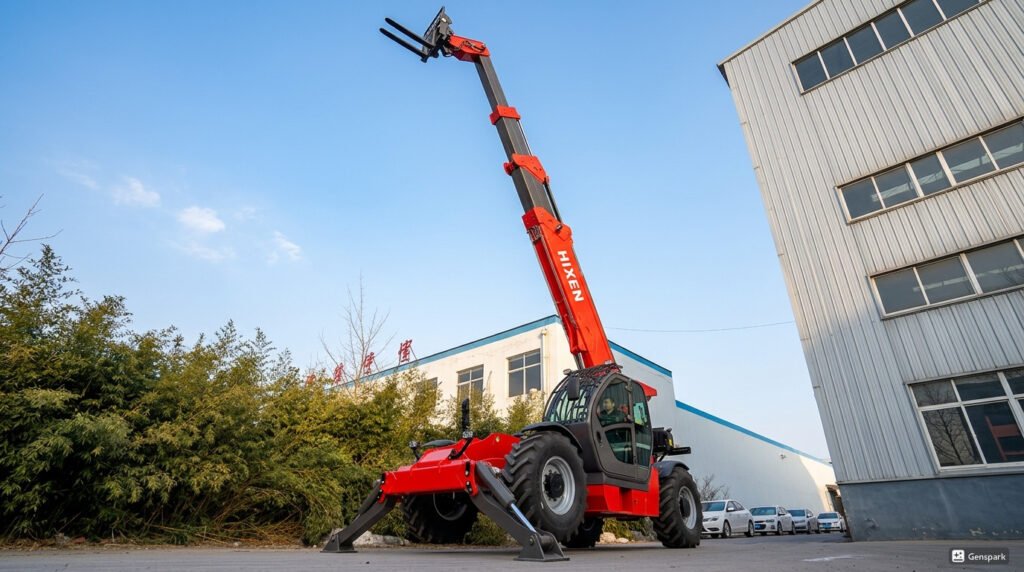
Among all the specifications and numbers you’ll encounter during your telehandler buying process, the load chart stands out as arguably the most critical. Yet, it’s also one of the most frequently misunderstood documents. I often see clients get excited by a telehandler’s advertised “maximum lift height of 17 meters” or “maximum lift capacity of 4 tons” without understanding that these two maximums rarely, if ever, occur simultaneously. This common misconception can lead to unsafe operations, machine damage, and project delays. My aim here is to explain why the load chart is your absolute best friend in ensuring the machine you choose is truly capable of the tasks you’ve outlined. It’s the ultimate reality check in the telehandler buying process.
Decoding the Load Chart: Safety and Capacity
The load chart, often found in the operator’s manual and displayed prominently on the machine itself, is a graphical representation of the telehandler’s lifting capabilities. It shows the safe working load for every combination of lift height and forward reach. Ignoring this chart is like driving a car without a speedometer—you’re operating blind to critical limits. A thorough understanding of this chart is indispensable for a responsible telehandler buying process.
Key Misconception Alert: “A telehandler with a maximum lift height of 17 meters can lift 3 tons at 17 meters.” This is almost always false. A machine’s capacity significantly decreases as the boom extends upward and outward. You must consult the load chart to see the actual safe working load at your required height and reach. For example, a telehandler might be rated for 3 tons at a 6-meter height with no extension, but only 500 kg at a 12-meter height with a 7-meter forward reach. This trade-off between load capacity, lift height, and forward reach is fundamental to the telehandler buying process.
| Lift Height (m) | Forward Reach (m) | Max Load Capacity (kg) | Example Scenario for Telehandler Buying Process | My Insight |
|---|---|---|---|---|
| 6 | 0 | 3000 | Lifting a heavy pallet close to the machine’s base, like loading a truck directly beside it. This is typically where maximum load capacity is achieved. | This is your absolute maximum. Understand that any extension will reduce this. Don’t let this single number dictate your entire telehandler buying process. |
| 6 | 3 | 2500 | Extending a load horizontally over a small obstacle or into a shed, still at a moderate height. | A slight reach reduction, common for tasks like placing materials on a scaffold next to the machine. |
| 10 | 0 | 2000 | Lifting a lighter load straight up, for example, to a second-story window directly above the telehandler. | Even without reach, height reduces capacity due to stability factors. |
| 10 | 5 | 1000 | Reaching high and far with a moderately heavy item, such as setting roof trusses from a distance. | This is where the capacity drop becomes more pronounced. |
| 12 | 7 | 500 | Achieving maximum extension and height, typically with very light materials like insulation panels or empty buckets. | This is often near the machine’s stability limit. Operating beyond this is extremely dangerous. Always respect the load chart in your telehandler buying process. |
I always tell my clients, “Don’t just look at the ‘maximum’ numbers on the brochure; look at the ‘actual’ numbers on the load chart for your specific working parameters.” It’s a vital piece of information that ensures safety, prevents damage to the machine, and ensures your project runs smoothly. This detailed analysis of the load chart is not just a recommendation; it’s a non-negotiable step in the telehandler buying process for any serious operator or business owner. It provides the true picture of what the machine can safely achieve.
Why Can Engine Power Make or Break Your Telehandler’s Performance?
Underestimating engine power can cripple your telehandler’s efficiency. Don’t overlook this vital spec. Let’s understand its role in your telehandler buying process.
Engine power significantly influences a telehandler’s performance, especially on slopes or with heavy loads, affecting speed, hydraulic strength, and overall productivity. A 70 HP vs. 100 HP difference can be substantial, making careful consideration essential in your telehandler buying process to avoid underpowered equipment.
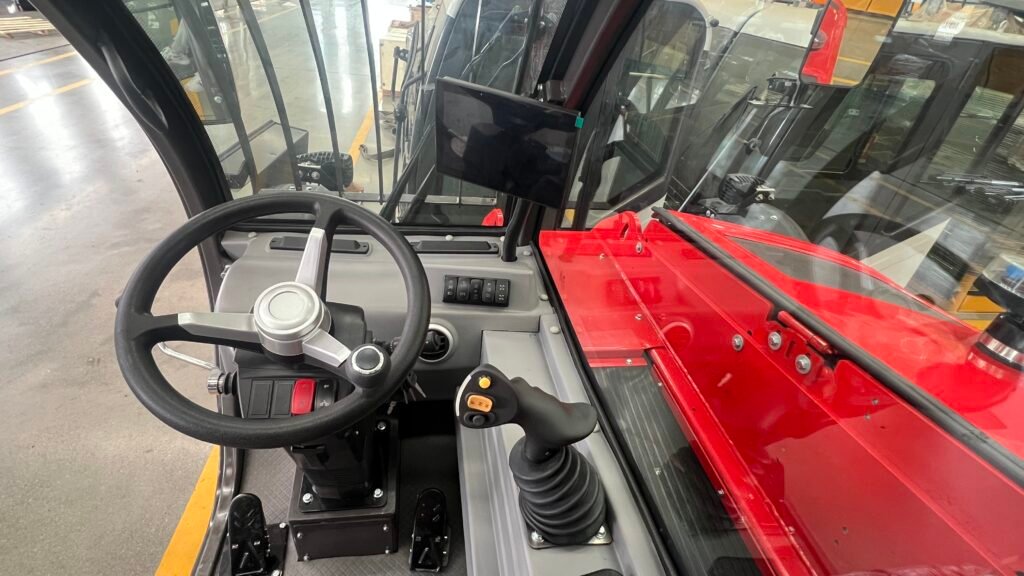
While lift height and load capacity often grab the most attention during the telehandler buying process, the engine’s power output is a silent but critical factor that can profoundly impact your machine’s overall performance, efficiency, and even safety. I’ve seen clients regret choosing a telehandler with insufficient horsepower simply because they focused too much on the boom specifications. A machine might boast impressive lifting capabilities on paper, but if its engine can’t adequately support those operations under real-world conditions, especially on challenging terrain or with heavy loads, it will quickly become a bottleneck rather than an asset. Understanding this nuance is key to a truly effective telehandler buying process.
The Power Behind the Lift: Horsepower Explained
Engine power, typically measured in horsepower (HP) or kilowatts (kW), dictates how effectively the telehandler can move itself and its load, power its hydraulic systems, and tackle difficult conditions. It’s not just about speed; it’s about torque, hydraulic pressure, and the machine’s ability to operate without strain.
My Key Reminder: Don’t focus solely on lift height while neglecting engine power. A high-reach machine with an underpowered engine will struggle immensely when carrying a load up a slope, impacting both efficiency and safety. The difference between a 70 HP and a 100 HP engine, for instance, is far more significant than many realize, particularly if your work involves any kind of gradient or consistent heavy lifting.
| Motorleistung (HP) | Performance Impact on Your Telehandler Buying Process | Ideal Applications | My Insight |
|---|---|---|---|
| < 75 HP | Suitable for flat ground, lighter loads, occasional use. Will struggle on inclines or with maximum loads. | Warehousing, light agricultural tasks, maintenance on level ground. | These compact models are great for tight indoor spaces but understand their limitations. Don’t expect them to excel on construction sites with varied terrain. This often signifies a more budget-conscious telehandler buying process. |
| 75 – 100 HP | Good balance for varied terrain, moderate loads, consistent work. Capable on gentle slopes and with standard construction materials. | General construction, medium-sized farms, larger landscaping projects. | This range offers versatility and is a popular choice for many operations. It often provides a good blend of power and fuel efficiency. |
| > 100 HP | Excellent for steep slopes, heavy lifting, demanding conditions, continuous operation. Provides robust hydraulic power for fast cycle times. | Large construction sites, extensive agricultural operations, quarrying, heavy industrial applications. | If your projects involve challenging gradients, very heavy loads, or continuous, high-volume work, investing in a higher HP engine will pay dividends in productivity and longevity. It’s a critical upgrade in the telehandler buying process for demanding jobs. |
I once observed a telehandler on a construction site trying to carry a full pallet of bricks up a moderately steep ramp. The machine, though rated for the load on flat ground, had an engine on the lower end of the HP spectrum. It was painfully slow, straining, and at times, barely moved. This inefficiency not only wasted time but also put undue stress on the engine and transmission, potentially shortening its lifespan.
The operator constantly had to reverse and take a run at the ramp. This situation clearly demonstrated that a higher initial investment in engine power would have quickly paid for itself in increased productivity and reduced wear and tear. Therefore, making an informed decision about engine power is a critical component of your telehandler buying process.
Do Telehandler Dimensions and Steering Modes Matter for Your Operation?
Tight spaces can be a huge headache for big machines. Are you considering your telehandler’s fit? Let’s ensure your telehandler buying process includes critical maneuverability aspects.
Telehandler dimensions (width, height) and steering modes (2-wheel, 4-wheel, crab) are critical for navigating confined spaces, doorways, and narrow aisles. Choosing a compact model with versatile steering can drastically improve site maneuverability and operational efficiency, a key consideration in the telehandler buying process.
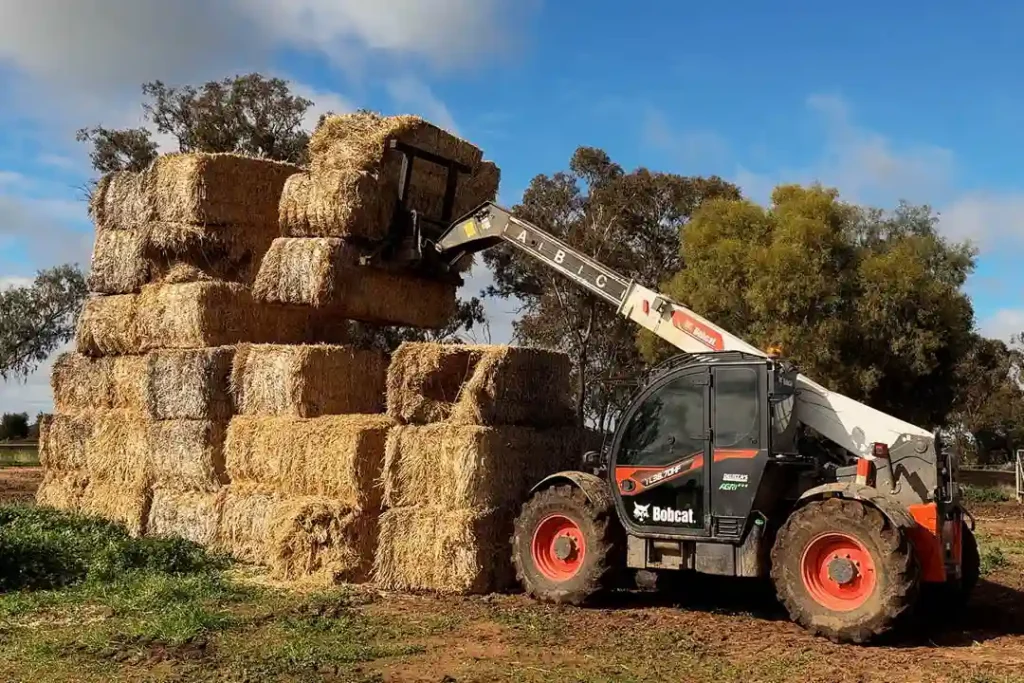
Following the essential considerations of load and power, the physical dimensions and steering capabilities of a telehandler become paramount, especially if your operational environment includes any confined spaces. In my experience, overlooking these aspects during the telehandler buying process can lead to significant logistical headaches, wasted time, and even damage to property or the machine itself. A telehandler that is too wide for a gate or too tall for a warehouse entrance becomes an instant liability, regardless of its lifting capacity or engine power. It’s crucial to assess how well the machine can navigate the tight spots and challenging layouts of your worksite. This detailed analysis of size and steering is a vital part of the telehandler buying process.
Navigating Tight Spaces: Dimensions and Steering
Telehandlers come in various sizes, from compact models designed for urban construction sites or agricultural buildings to large, heavy-duty machines for expansive quarries or large-scale projects. The critical dimensions to measure are the overall width and height of the machine. Many compact telehandlers are designed to be less than 2 meters wide, making them ideal for navigating narrow alleys, stable doors, or congested construction areas. My general rule: measure your narrowest access point and add a comfortable buffer.
Beyond static dimensions, the steering modes offered on a telehandler significantly impact its agility and maneuverability. Most modern telehandlers offer multiple steering options, each designed for different operational needs:
| Steering Mode | Beschreibung | Advantages in Telehandler Buying Process | Nachteile | My Insight |
|---|---|---|---|---|
| 2-Wheel Steer | Front wheels steer like a conventional vehicle. | Standard, simple operation, good for road travel and transport. | Limited maneuverability in tight spots, requires larger turning circles. | This is the default for highway driving. If you frequently move between distant sites on public roads, this is efficient. However, don’t rely solely on this for on-site work if space is limited. |
| 4-Wheel Steer | All four wheels steer in opposite directions (front left turns left, rear left turns right), effectively reducing the turning radius. | Tighter turning radius, excellent for general maneuvering in more confined areas, improves stability during turns. | Can be slower to engage than 2-wheel, requires operator familiarity. | For most construction and agricultural sites, 4-wheel steer is a game-changer. It makes positioning the machine much easier and faster, drastically improving your efficiency within the telehandler buying process. |
| Crab Steer | All wheels turn in the same direction, allowing the machine to move diagonally or sideways. | Allows lateral movement, excellent for parallel parking in extremely tight spaces, or moving alongside obstacles. | Only for specific situations, not suitable for general travel, can feel less stable at speed. | I’ve seen this mode save countless hours on congested sites where precise side-to-side movement is essential, like positioning materials next to a wall or navigating around static equipment. It’s a specialized, but highly valuable, feature to consider in your telehandler buying process. |
I once worked with a client who purchased a large telehandler for a renovation project in an old city district. He quickly realized the machine was too wide for the narrow streets and impossible to turn within the small construction yard. This led to constant delays as materials had to be offloaded further away and manually transported, or a smaller, rented machine had to be brought in at extra cost. A careful assessment of the site’s dimensions and the selection of a telehandler with 4-wheel or crab steering during the initial telehandler buying process would have prevented this costly oversight. Always prioritize how the machine will move on your specific site.
What About Drive Systems: 2WD vs. 4WD in Telehandler Selection?
Facing muddy fields or challenging slopes? Your telehandler’s drive system is crucial. Don’t overlook this detail in your telehandler buying process; it dictates accessibility.
Der telehandler’s drive system, either 2WD or 4WD, profoundly impacts its traction and capability on varied terrains. 4WD is essential for muddy fields, uneven ground, or inclines, offering superior grip and power, which is a vital consideration in the telehandler buying process for challenging work environments.
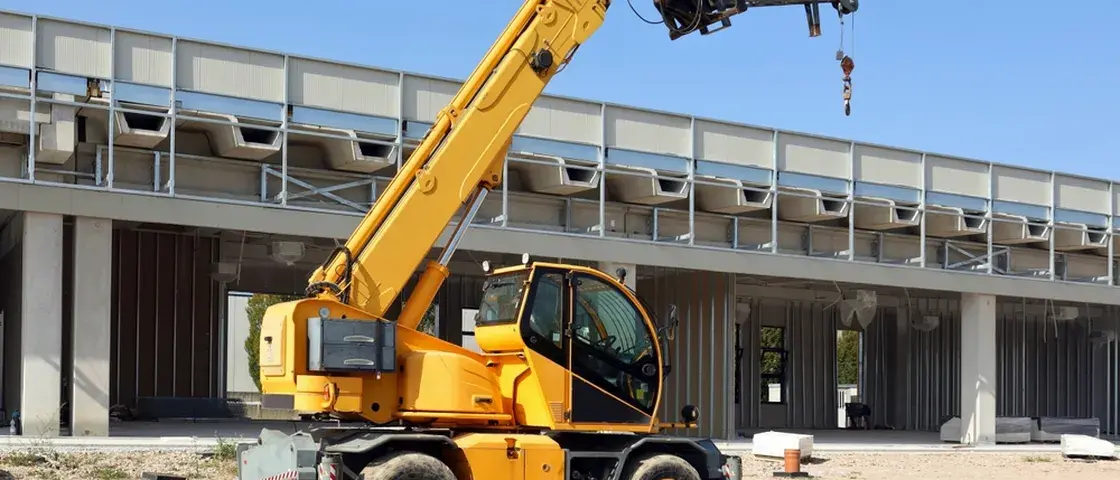
After considering the physical constraints and steering needs, the final, but equally vital, piece of the maneuverability puzzle in your telehandler buying process is the drive system. This determines how the machine puts power to the ground and its ability to maintain traction on various surfaces. Just as you wouldn’t take a standard sedan off-road, you shouldn’t expect a 2-wheel drive (2WD) telehandler to perform optimally in conditions meant for a 4-wheel drive (4WD) machine. My goal here is to help you understand the fundamental differences and guide you in selecting the drive system that best suits your operational environment, preventing frustrating lack of traction and potential safety hazards. This choice is integral to a successful telehandler buying process.
Power to the Ground: 2WD vs. 4WD
The choice between a 2WD and a 4WD telehandler is often dictated by the type of terrain and conditions you expect to encounter. This is especially true for agricultural, construction, and heavy industrial applications where ground conditions can be unpredictable and challenging.
My Firm Recommendation: If you anticipate working on soft ground, mud, gravel, uneven surfaces, or any significant inclines, a 4WD telehandler is not just an option—it’s a necessity. Trying to save money by opting for a 2WD in these conditions will almost certainly lead to frustration, lost productivity, and potentially getting the machine stuck.
| Antriebssystem | Eigenschaften | Best Suited For in Telehandler Buying Process | Einschränkungen | My Insight |
|---|---|---|---|---|
| 2WD | Drives two wheels, typically the front axle. Generally lighter and more fuel-efficient. | Flat, firm, and relatively smooth surfaces such as paved warehouses, concrete yards, or stable, dry construction sites. | Poor traction on soft, muddy, uneven, or slippery ground; struggles significantly on inclines, especially with a load. | While more economical upfront and in terms of fuel, a 2WD telehandler has very specific limitations. Only choose this if you are absolutely certain your work will always be on suitable terrain. It simplifies the initial telehandler buying process but can complicate operations if conditions change. |
| 4WD | Drives all four wheels, distributing power to maximize traction. Often equipped with larger, more aggressive tires. | Muddy fields, uneven terrain, steep inclines, construction sites with varying ground conditions, off-road applications. Offers superior grip and pulling power. | Generally higher fuel consumption due to increased drivetrain drag and weight; potentially higher maintenance costs for the more complex drivetrain. | For the vast majority of my construction and agricultural clients, 4WD is the default choice. The added cost is quickly justified by the ability to operate reliably in all weather conditions and on challenging terrain. It’s a core component for a versatile telehandler buying process for outdoor work. |
| Advanced 4WD (e.g., permanent 4WD, limited-slip differentials) | Some telehandlers offer advanced 4WD systems that can automatically detect slip and distribute power to the wheels with the most traction. | Extremely challenging or frequently varying ground conditions where maximum traction is always required. | Even higher complexity and cost, potentially more maintenance. | These advanced systems are for the most demanding environments where every ounce of traction counts. If you’re working in very extreme conditions, discuss these options during your telehandler buying process. |
I recall a client who ran a landscaping business and initially bought a 2WD telehandler because it was cheaper. During the rainy season, his machine became almost useless. It would get stuck in damp soil, struggle on slight gradients when loaded, and couldn’t operate efficiently. He quickly realized his “saving” was actually costing him more in lost time and recovery efforts. Ultimately, he had to trade it in for a 4WD model, incurring additional costs. This experience reinforced my conviction that selecting the appropriate drive system is a non-negotiable step in the telehandler buying process, especially for outdoor and varied terrain operations. Don’t compromise on the ability to move your machine effectively.
Abschluss
Der Teleskoplader buying process, while complex, becomes manageable by defining needs, assessing options, and scrutinizing specifications. An informed decision ensures you acquire a machine perfectly suited to boost your operational efficiency and safety.
ollow us on :YouTube.