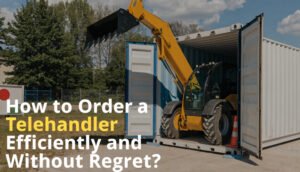
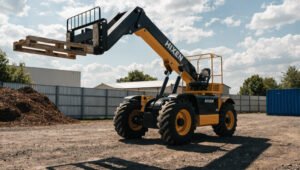
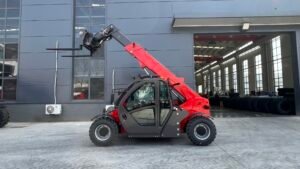
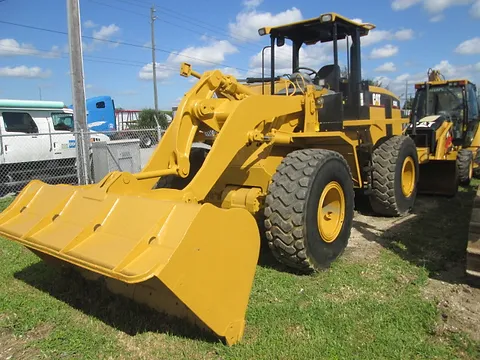
Purchasing used heavy machinery seems like a fantastic way to cut costs. What happens, though, if you wind up with a machine that is more expensive to fix than it is worth? I’ve already made that error. Before making a purchase, you must be aware of the appropriate factors to take into account, and I will demonstrate how.
When buying used heavy equipment, always check the machine’s condition, age, operating hours, and maintenance history. Brands like Caterpillar and Komatsu are known for their reliability, making them a safer bet. Compare prices carefully, and always ensure you understand any hidden costs, like repairs or transport fees. With the right research, you can save money without sacrificing quality.
Now that you know the basics, let’s dive deeper into the key factors you should consider before buying used equipment.
I. The Growing Demand for Used Heavy Equipment
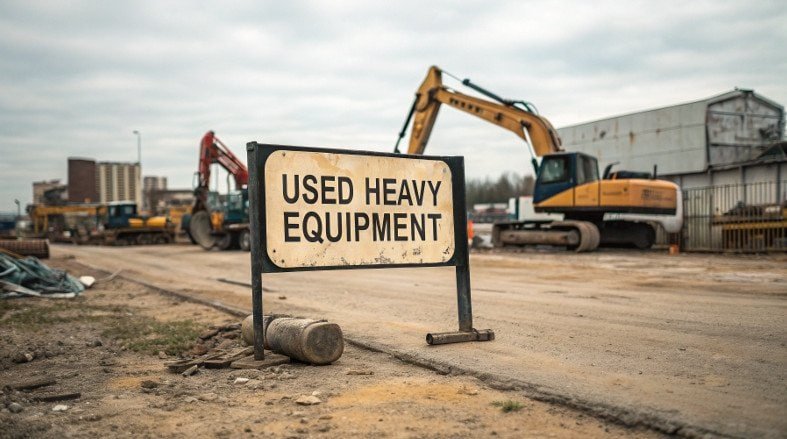
When I first got into buying gebrauchtes schweres Gerät, I was surprised by how much demand there is for it. The construction, farming, and mining industries need this kind of machinery constantly. Businesses often prefer to buy used equipment because it’s cheaper and available right away. The big benefit of used heavy equipment is that it helps businesses save money, and that’s something I’ve always looked for.
As I’ve noticed, used machinery usually holds its value better than new equipment, especially if you take care of it. When I was looking for an excavator a few years ago, I found it hard to find one that wasn’t in demand, even though it was used. I think this trend will continue as long as companies are looking to cut costs and save time.
II. Equipment Condition and Inspection
One of the most important lessons I’ve learned when buying used heavy equipment is that you really have to inspect everything carefully. I remember once buying a used bulldozer that looked fine at first glance, but I missed a few details. After getting it home, I realized there were issues with the hydraulic system, and it ended up costing me a lot more to fix it.
What to Check:
Here’s a list of things I always check now when inspecting equipment:
| Komponente | Was zu überprüfen |
|---|---|
| Motor | Look for oil leaks, unusual noises, or exhaust smoke. Make sure the engine starts smoothly. |
| Hydraulik | Check for any leaks or weak pressure. This can mean bigger repairs later. |
| Tracks & Tires | Look for excessive wear, cracks, or missing parts. Worn-out tracks or tires can increase maintenance costs. |
| Körper und Rahmen | Look for any cracks, rust, or significant damage to the frame. |
When I first started buying used equipment, I didn’t understand how much these small issues could cost. I now know that a leaking hydraulic system or worn-out tracks can lead to expensive repairs. Checking these parts is crucial.
Operating Hours and Wear-and-Tear
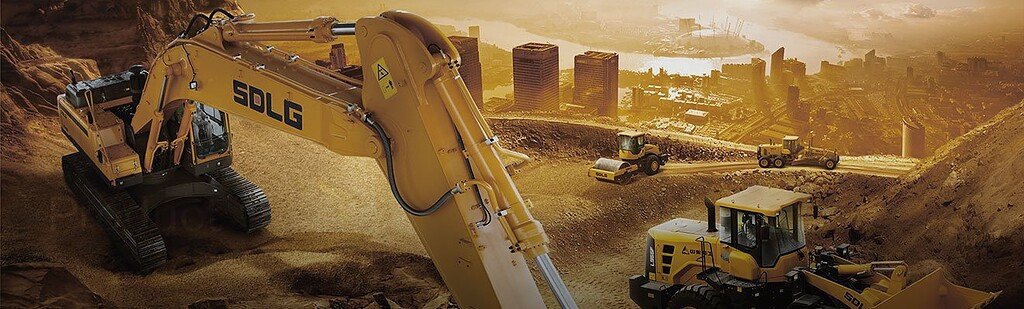
Operating hours are another thing I pay close attention to. The more hours a machine has been used, the closer it is to needing major repairs. For example, a digging machine like an excavator usually lasts about 10,000 to 15,000 hours before major parts start to wear out. The key is checking the hours and matching them with the condition of the equipment.
| Gerätetyp | Durchschnittliche Lebensdauer | Maintenance Needs After X Hours |
|---|---|---|
| Bagger | 10.000 - 15.000 Stunden | Engine and hydraulic repairs are common after 10,000 hours. |
| Bulldozer | 12,000 – 18,000 hours | Track replacement and transmission checks after heavy use. |
| Baggerlader | 8,000 – 12,000 hours | Hydraulic system inspection and potential leaks. |
I’ve learned the hard way that if you don’t pay attention to operating hours, you could be buying a machine that is almost at the end of its useful life. That’s why I always check the operating hours before buying anything.
III. Age and Usage History
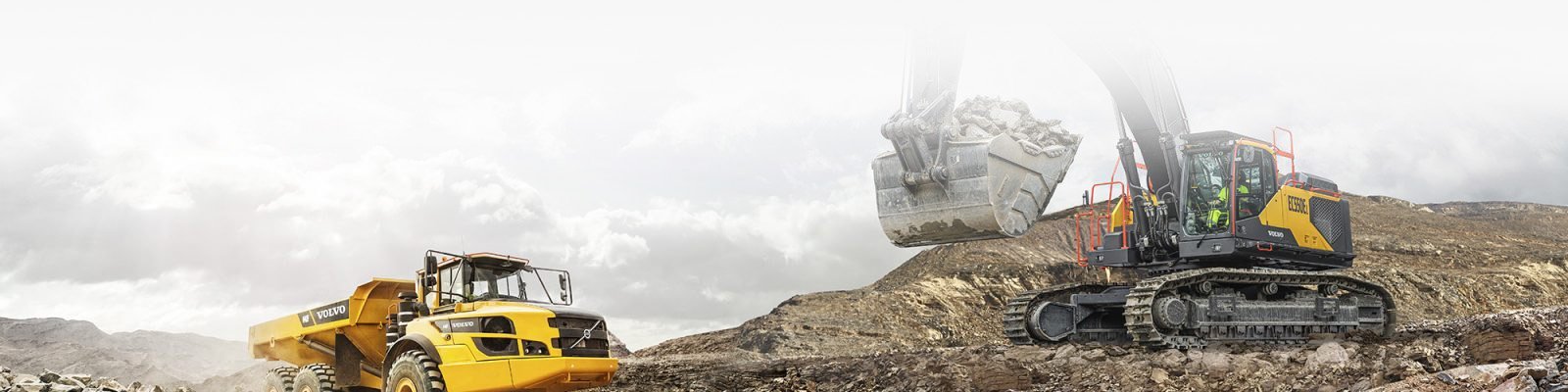
When I first started purchasing second-hand machinery, I didn’t fully appreciate how much the age of the equipment affected its condition. An older machine can still be useful, but it may need more repairs. I once bought a 12-year-old bulldozer, and it worked great at first. But after a few months, I had to replace several parts. That was a costly experience.
Age and Usage:
The age of the equipment will determine how much longer it will last. Older machines might still do the job, but they come with a higher risk of needing repairs.
| Equipment Age | Typical Lifespan | Instandhaltungskosten |
|---|---|---|
| Under 5 years | 15 – 20 years | Low, mostly routine maintenance. |
| 5 – 10 years | 10 – 15 years | Medium, some parts may need replacing. |
| Over 10 years | 5 – 10 years | High, frequent repairs and part replacements needed. |
I learned that a machine under five years old is likely to be in better shape and need fewer repairs, while anything older than ten years could require a lot of work to keep it running smoothly.
IV. Brand and Model Reputation
I’ve come to realize that the brand Und model of the equipment you’re buying can make a huge difference. Some brands are known for their durability and reliability. I always choose well-known brands like RaupeAnwesend Komatsu, Und John Deere because they have a reputation for making machines that last longer and are easier to maintain.
Brand Reliability:
Here’s a breakdown of some popular brands and their strengths:
| Marke | Ruf | Häufige Probleme |
|---|---|---|
| Raupe | Known for durability, retains value | Engine overhauls needed after 15,000 hours |
| Komatsu | Efficient, good fuel economy | Hydraulic leaks, higher maintenance cost |
| John Deere | Strong performance, reliable | Transmission issues in older models |
When I bought my first used excavator, I went for a Raupe model because I knew it would be more durable. It’s important to choose brands that have been proven to last longer in tough conditions.
V. Price and Financing
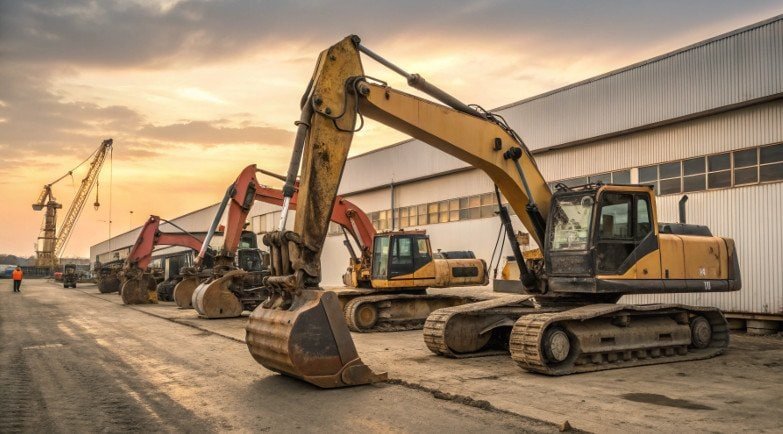
I won’t lie—Preis is always a big factor when buying used equipment. But I’ve learned that the lowest price isn’t always the best deal. A lower price could mean more maintenance costs down the road. That’s why I always compare prices before making a decision. I also look for financing options to help spread the cost out over time.
How to Find Fair Prices:
Here’s a table that breaks down what to check when considering price:
| Kriterien | Was zu überprüfen |
|---|---|
| Market Price | Compare the price of similar models in your area. |
| Hidden Costs | Make sure to factor in maintenance, repairs, and shipping. |
| Finanzierungsoptionen | See if the dealer offers financing to help with the cost. |
From my experience, even if you’re paying more upfront for a high-quality machine, you’ll save money in the long run on repairs and maintenance. I always check for financing options to make the purchase more manageable.
VI. Parts Availability and Service Support
One thing I always check before buying used heavy equipment is whether replacement parts are easy to find. I once bought a used loader that was difficult to repair because the parts were hard to get. This delayed my projects and ended up costing me more.
Teile Verfügbarkeit:
Here’s how different brands perform in terms of parts availability:
| Marke | Teile Verfügbarkeit | Service Support |
|---|---|---|
| Raupe | Excellent, easy to find parts | Strong service network worldwide |
| Komatsu | Good, but parts may be a bit harder to get | Many third-party service centers available |
| John Deere | Parts available but limited in some regions | Great support in agricultural areas |
I’ve learned that brands like Raupe have great service networks, which makes a huge difference when you need to get repairs done fast.
VII. Compliance and Safety
When I was starting out, I didn’t always consider whether the equipment met local safety standards. I once bought a machine that didn’t meet the environmental regulations of my area. I had to spend extra money making sure it complied with the law, and it was a hassle.
Safety and Compliance:
Here’s what I check when it comes to compliance:
| Safety Standard | Worauf man suchen sollte |
|---|---|
| Local Regulations | Check that the equipment meets your local environmental and safety rules. |
| Safety Inspections | Ensure the equipment has passed safety checks recently. |
I’ve learned that it’s always better to pay a little more upfront for equipment that is already compliant with regulations than to deal with the hassle of getting it fixed later.
VIII. Dealer Reputation and Transparency
I’ve learned the hard way that not all dealers are trustworthy. I bought a machine from a dealer once who didn’t disclose all the issues, and I ended up paying for repairs that should have been covered. Now, I always make sure to buy from reputable dealers and always ask for a full history of the machine.
Dealer Trustworthiness:
Here’s what I always check:
| Kriterien | Was zu überprüfen |
|---|---|
| Ruf | Look at online reviews and feedback from previous buyers. |
| Return Policy | Make sure the dealer offers warranties or a return policy in case of hidden issues. |
I’ve learned that dealing with a trusted dealer will save you a lot of headaches later on.
IX. Transportation and Location
When buying equipment from far away, I make sure to consider the transportation costs. I’ve bought machines that were located hundreds of miles away, and the shipping cost turned out to be higher than I expected.
Transportation Costs:
Here’s how transportation costs vary based on distance:
| Distance | Kostenüberlegungen |
|---|---|
| Local (under 100 miles) | Low, typically just delivery fees |
| Long-distance | High, requires special transport and permits |
I now factor in transportation costs before making a final decision on a machine, especially if it’s located far away.
X. Conclusion
Kauf gebrauchtes schweres Gerät can be a smart choice if you take the time to consider all the factors. From condition Und age Zu Preis Und dealer reputation, there are a lot of things to think about. I’ve learned that checking the equipment thoroughly and being cautious with price can save you money in the long run. Don’t forget to look at the parts availability Und transportation costs as well. Taking the time to do your homework now will help you avoid costly mistakes later on.
Folgen Sie uns weiter:YouTube.