What can an excavator do for you, how much can it help speed up your project, and are you considering buying one? Read this article to understand the definition of an excavator and help you make the right purchase decision.
Whether you’re a contractor, a project manager, or a dealer, understanding the definition of an excavator ensures that you’re not only making the right choice in terms of the machine’s specifications but also optimizing your investment.
In this blog, we’ll look at the Bagger definition and how it can help you make a more informed, cost-effective purchase.
Was ist ein Bagger?
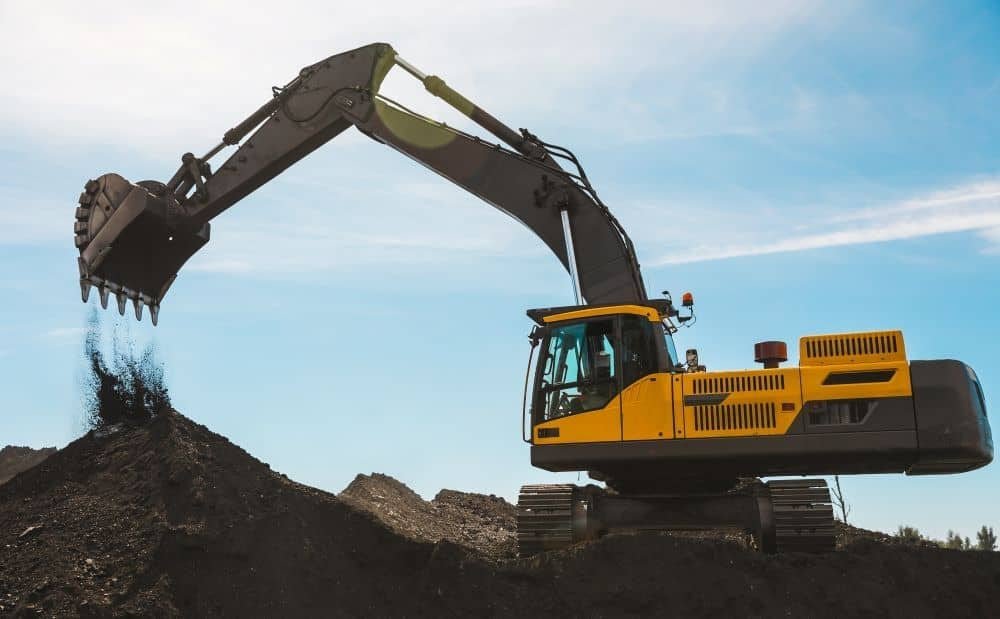
Before we get into the specifics of purchase, let’s explain what an excavator is. Simply described, an excavator is a type of heavy machinery used for digging, lifting, and earthmoving. These equipment are essential on construction sites for trenching, digging foundations, and even dismantling structures.
Definition of Excavator
Excavators are construction vehicles having a huge bucket, arm, and rotating platform. It is designed for digging, lifting, and material handling, and it is available in a variety of sizes and combinations to suit the sort of job required.
| Komponente | Beschreibung |
|---|---|
| Boom | The long, hydraulic arm that extends and retracts. |
| Arm | Connects the boom to the bucket, allowing digging movement. |
| Eimer | The attachment used for digging and collecting material. |
| Fahrwerk | Includes the tracks or wheels and supports the machine. |
| Taxi | The area where the operator controls the machine. |
Arten von Baggern
There are various Arten von Baggern, each designed for specific tasks:
Crawler -BaggerS: These are built for challenging terrains and large-scale tasks. They employ tracks instead of wheels, giving stability and movement in tough conditions.
Mobilbagger are faster and more mobile than crawler excavators, making them appropriate for lighter, urban operations.
Mini -Bagger: As the name implies, these are small and excellent for smaller operations that demand precision and access in confined locations.
| Baggertyp | Beschreibung |
|---|---|
| Raupenbagger | Equipped with tracks for stability and heavy lifting in rough terrain. |
| Mobilbagger | Fitted with wheels for faster mobility, used on smoother or urban construction sites. |
| Mini -Bagger | Smaller, compact excavators designed for confined spaces and lighter tasks. |
The Role of Excavators in Construction Projects
Excavators are vital in the construction business. Understanding the excavator definition helps you see how this machine fits into a construction project. Excavators are essential for completing the many phases of a project, from digging foundations to transferring soil and supplies.
Excavators in Earthmoving
Excavators are commonly used for earthmoving tasks such as:
- Digging trenches for pipes and utilities.
- Lifting and transporting heavy materials like soil, sand, and gravel.
- Clearing land and preparing construction sites.
The machine’s hydraulic systems enable it to lift heavy materials and perform tasks efficiently, saving time and labor.
| Excavator Function | Beschreibung |
|---|---|
| Graben | Used for digging deep and narrow trenches for utilities. |
| Lifting and Transporting | Excavators are used for transporting large amounts of materials. |
| Land Clearing | Excavators help clear land for construction or mining projects. |
Specialized Excavators
Not all excavators are the same. There are specialized excavators for specific tasks, such as:
- Demolition excavators are designed with reinforced components to withstand the impact of demolished structures.
- Mining excavators are designed for large-scale excavation in mines and can handle massive quantities of material.
- Long Reach Excavators are ideal for applications that require an extended arm, such as dredging or working in deep water.
| Baggertyp | Specialization | Hauptverwendung |
|---|---|---|
| Demolition Excavators | Reinforced and rugged for demolitions | Removing or demolishing buildings and structures. |
| Mining Excavators | Large, heavy-duty models for digging in mines | Excavating materials in large-scale mining projects. |
| Bagger mit großer Reichweite | Extended booms for reaching further distances | Dredging, deep excavation, and material handling in inaccessible areas. |
Excavator vs. Other Construction Equipment
When you start looking into acquiring an excavator, it’s crucial to understand how it relates to other heavy equipment. Knowing the excavator definition can help you choose the ideal machine for your project.
Excavator vs. Bulldozer
While both machines are used to move soil, excavators excel in digging and lifting, whilst bulldozers are better at pushing enormous amounts of material across flat surfaces.
| Bagger | Bulldozer |
|---|---|
| Used for digging, trenching, lifting, and demolishing | Used for grading, leveling, and pushing materials |
| Can work in confined spaces | Requires more space to maneuver |
| Better at handling material from deep holes | Better for flattening surfaces |
Excavator vs. Backhoe
The excavator is typically larger and more powerful than a backhoe. It’s better suited for heavy-duty tasks like large-scale digging, while a backhoe is more suited for lighter and smaller digging jobs.
| Bagger | Backhoe |
|---|---|
| Larger and more powerful | Smaller and more versatile for lighter jobs |
| Ideal for heavy-duty tasks | Great for smaller, shallower digging projects |
| Requires more space to operate | Easier to maneuver in tight areas |
Excavator vs. Loader
While loaders are useful for moving goods, excavators are designed to dig and lift bigger loads, which are frequently required for operations such as trenching or creating deep foundations.
| Bagger | Lader |
|---|---|
| Used for digging, lifting, and trenching | Primarily used for loading materials into trucks or moving materials over short distances |
| Has a digging bucket, arm, and rotating platform | Features a large bucket for scooping and lifting |
| Suitable for larger, deep excavation work | Ideal for material handling tasks like loading and dumping |
How the Excavator Definition Affects Your Buying Decision
The excavator definition directly impacts your purchasing decisions. Once you grasp the machine’s core operations and kinds, you can make smarter judgments depending on your project’s specific demands.
Understanding Specifications
The excavator definition will help you comprehend features like as weight, size, and power. Knowing what the excavator will be used for will allow you to choose between smaller, more compact versions and larger, more powerful machines.
| Spezifikation | Beschreibung |
|---|---|
| Betriebsgewicht | The total weight of the excavator, which influences stability and load capacity. |
| Motorleistung | The power of the engine, crucial for heavy-duty tasks. |
| Eimerkapazität | The amount of material the excavator’s bucket can handle per scoop. |
| Tiefe graben | How deep the excavator can dig, depending on the project. |
Matching Needs to Types
Once you understand the excavator’s capabilities, you may select the appropriate machine type for your project. For example, a city construction site may require a small excavator for precision, whereas a crawler excavator may be required for harsh, large-scale earthmoving.
| Projekttyp | Baggertyp | Why it Fits |
|---|---|---|
| Städtische Konstruktion | Mini -Bagger | Compact size allows access to tight spaces. |
| Large-Scale Construction | Crawler -Bagger | Heavy-duty, can handle rough terrain and large volumes of material. |
| Abriss | Demolition Excavator | Reinforced parts for effective destruction of structures. |
Brand and Model Selection
Reputable manufacturers such as Caterpillar (CAT), Komatsu, and Volvo produce high-quality equipment, so understanding the excavator definition and model can help you choose a machine that is reliable and durable.
| Marke | Beliebte Modelle | Am besten für |
|---|---|---|
| KATZE | CAT 320D, CAT 336E | Groß angelegte Konstruktion |
| Komatsu | PC210LC-10, PC490LC-10 | Mining, heavy-duty digging |
| Volvo | EC950F, EC950C | Earthmoving, demolition |
Preis vs. Wert
Understanding the excavator definition allows you to determine the equipment’s value based on its functionality and long-term benefits. Although a used excavator may be less expensive, assessing its condition is critical to deciding its value.
| Aspekt | Gebrauchter Bagger | Neues Bagger |
|---|---|---|
| Initial Price | Niedrigere Anfangskosten | Höhere anfängliche Kosten |
| Wartung | May require more frequent repairs | Minimal maintenance required |
| Abschreibung | Slower depreciation | Schnellere Abschreibungen |
Common Mistakes to Avoid When Buying an Excavator
Even after learning the excavator definition, many consumers continue to make frequent blunders while purchasing. Here’s how you can prevent those errors:
Overestimating or Underestimating Excavator Size
Choosing an excavator that is too big or too little for the project can result in inefficiencies. A larger equipment may not be required for lesser operations, which could raise running expenses.
| Baggergröße | Am besten für | Problems of Over/Under-Sizing |
|---|---|---|
| Small (Mini) | Tight spaces, smaller jobs | Underpowered for large-scale projects. |
| Medium | General construction and earthmoving | Not suitable for highly specialized tasks. |
| Large (Crawler) | Heavy-duty, large-scale earthmoving | Inefficient for smaller, confined areas. |
Neglecting to Match Features with Project Needs
Ensure that the machine’s features align with your project’s requirements. If you’re working on a tight, urban site, opting for a smaller mini excavator is a smarter choice than a large crawler model.
| Besonderheit | Baggermodell | Project Needs |
|---|---|---|
| Erreichen | Bagger mit großer Reichweite | Tasks requiring extended reach (e.g., dredging) |
| Tiefe graben | Standardbagger | Deep excavation work (foundations, trenches) |
Ignoring Maintenance Considerations
Understanding the excavator’s definition entails knowing how easy it will be to maintain. Excavators from reputed brands typically have greater access to replacement parts and repair locations.
| Marke | Wartungsüberlegungen |
|---|---|
| KATZE | Extensive service network, parts availability |
| Komatsu | Known for long-lasting machines, regular parts replacement |
| Volvo | Easy access to service centers and spare parts |
How to Use the Excavator Definition to Make an Informed Purchase
Understanding the excavator definition is critical for making an informed decision, whether buying new or old. This knowledge enables you to assess the best options based on your project’s requirements.
Researching Before Buying
Thorough research is key to understanding what types of excavators will suit your needs. Focus on:
- Excavator Models: Different brands offer unique features. Research popular models from trusted brands like CAT and Komatsu.
- Excavator Functions: Match machine capabilities (e.g., digging, lifting) with your project needs.
- Online Resources and Expos: Use online resources for comparisons and attend expos for hands-on experience.
| Research Method | Vorteile | Überlegungen |
|---|---|---|
| Online Resources | Easy comparison of multiple brands. | Generalized information. |
| Attending Expos | Hands-on experience with machines. | Limited machines on display. |
| Consulting Dealers | Access to expert advice. | Dealers may prioritize certain brands. |
Inspecting Used Excavators
Beim Kauf gebrauchte Bagger, ensure they meet your standards by inspecting:
- Nutzungsverlauf: Machines that are overused may be more prone to failure.
- Wartungsaufzeichnungen: Check for regular servicing and care.
- Verschleiß: Pay attention to parts like tracks and buckets.
- Motorzustand: Look for leaks or unusual noises.
- Mechanical Testing: Have a technician inspect the machine for hidden issues.
| Inspektionspunkt | Warum ist es wichtig | Signs to Look For |
|---|---|---|
| Nutzungsverlauf | Prevents buying overly worn-out machines. | Excessive use leads to wear on key parts. |
| Wartungsaufzeichnungen | Shows how well the machine was maintained. | Missing records may indicate poor upkeep. |
| Verschleiß | Impacts performance and repair costs. | Look for worn-out tracks or bent arms. |
Consulting with Experts
Consulting with experienced dealers or contractors ensures you get advice tailored to your needs:
- Expert Recommendations: Get suggestions based on your specific project.
- Hidden Costs: Understand the long-term costs, including maintenance.
- Brand Comparisons: Weigh pros and cons of each brand.
- Post-Purchase Support: Negotiate maintenance and warranties for future needs.
| Expert Advice | Vorteile | How to Use It Effectively |
|---|---|---|
| Dealer Recommendations | Find the best model for your project. | Consider dealer suggestions, but evaluate for yourself. |
| Identifying Hidden Costs | Understand ongoing ownership costs. | Factor in maintenance and repairs. |
| Brand Comparisons | Know strengths and weaknesses of each brand. | Focus on durability and parts availability. |
Abschluss
To summarize, understanding the Bagger definition is critical when making an informed purchase selection. Whether you buy new or old, selecting the appropriate machine can make or break your job. Understanding the criteria and applying it to your individual needs helps ensure that you’re not only buying a machine, but also making a long-term investment that will pay off in terms of efficiency and production.
If you need assistance selecting the proper excavator, please do not hesitate to Kontaktieren Sie uns. We’re here to assist you make the best choice for your project!
Folgen Sie uns weiter:YouTube.