Are you experiencing difficulties making the most of your excavator? Increasing the productivity of your excavator is essential to the success of the project, regardless of whether you’re dealing with slow work cycles, inefficient fuel, or downtime. Let’s examine some doable strategies to increase your machine’s efficiency rather than making it work harder.
Maximizing excavator productivity isn’t just about speed—it’s about working smarter. From choosing the right excavator model to training operators and maintaining machines, every decision impacts efficiency. In this guide, we’ll cover simple yet effective strategies to optimize machine performance, reduce costs, and minimize downtime, helping you get the most out of your equipment on construction sites.
Now that we understand the importance of excavator productivity, let’s examine the main determinants and potential enhancements. To find out how to maximize your excavator’s performance in every area, continue reading.
What is Excavator Productivity?
When I talk about excavator productivity, I mean how efficiently an excavator does its job. It’s not just about how fast it works, but how well it uses fuel, how often it breaks down, and how little time it spends idling. In my time in the field, I’ve seen machines waste a lot of time on these issues. That’s where productivity comes in.
To measure excavator productivity, you can look at these areas:
- Digging cycles: How fast can the machine dig?
- Fuel efficiency: How much fuel does the machine use for the task?
- Downtime: How often does the excavator stop working for repairs or maintenance?
I’ve found that by focusing on these areas, you can make sure your machine is working its best.
Key Factors That Impact Excavator Productivity
Excavator Size and Model Selection
I’ve learned the hard way that picking the right excavator for the job is key. I remember a project where we had a huge machine, but the tasks didn’t need that much power. It ended up wasting fuel and time. On the other hand, I’ve also used smaller models when I needed more agility, and they worked wonders.
Here’s a quick guide on what size and model to choose:
| Excavator Model | Best Tasks | Why It’s Productive | Fuel Efficiency |
|---|---|---|---|
| CAT 320D | Medium excavation, grading | Perfect balance of size and power | 20% more efficient than older models |
| CAT 336 | Heavy-duty excavation, mining | Great power and lifting capacity | Uses more fuel due to power |
| Komatsu PC300 | Demolition, heavy lifting | Strong hydraulics, great bucket force | Excellent efficiency for long hours |
| XCMG XE470 | Large-scale construction | Long reach, higher capacity buckets | Low fuel consumption, efficient |
Choosing the right machine saves fuel and makes your job easier. You don’t need a giant excavator for small tasks, and a small one might struggle with larger projects.
Operator Skills and Experience
Here’s something I can’t stress enough: a skilled operator can make all the difference. I’ve been on sites where a top-notch operator got more done in less time, and the machine was in better shape after the job. An inexperienced operator might waste time and even damage the machine.
These are some tips that made a big difference for me:
| Skill Area | Impact on Productivity | Tip |
|---|---|---|
| Speed Control | Improves cycle times, reduces idle | Train operators to move at a steady pace |
| Hydraulic Control | Maximizes digging power, saves fuel | Teach operators to adjust for soil types |
| Efficient Maneuvering | Reduces wear and downtime | Plan efficient routes for the machine to follow |
The more operators know their machines, the faster and more efficiently they work. In my experience, investing in training pays off every time.
Machine Maintenance
I’ve learned that ignoring maintenance can be costly. I used to think, “As long as the machine is running, it’s fine,” but the truth is, regular checks are crucial. If you wait until something breaks down, you lose time and money. Regular maintenance keeps machines running at their best.
Here’s a simple checklist to keep your excavator in top shape:
| Task | Why It’s Important | How Often |
|---|---|---|
| Daily Inspection | Catch small problems before they become big | Every morning before starting work |
| Engine Oil Change | Prevents engine wear and failure | Every 100-200 hours of use |
| Track Inspection | Keeps the machine moving smoothly | Every 50 hours of use |
| Hydraulic Checks | Prevents costly damage to the system | Every 50-100 hours, depending on usage |
Maintaining your machine regularly prevents breakdowns and keeps it working hard, increasing overall excavator productivity.
Fuel Efficiency and Cost-Effectiveness
Fuel is one of the biggest costs when using an excavator. I’ve seen how the right machine can save tons of fuel, which lowers costs. I’ve also realized that small changes in how the machine is used—like reducing idle time—can make a huge difference.
Here are some fuel-efficient models and their productivity:
| Excavator Model | Fuel Efficiency | Best Use | Productivity Gains |
|---|---|---|---|
| CAT 320D | 20-25% more efficient | Medium construction jobs | Reduces costs, extends machine life |
| Komatsu PC300 | Up to 30% more efficient | Demolition and heavy lifting | Lower fuel costs over long shifts |
| SANY SY235C | 15% better fuel economy | General construction tasks | Increases digging efficiency |
Teaching operators to turn off the machine when not in use and to avoid unnecessary idling also contributes to better fuel use and excavator productivity.
Maximizing Excavator Productivity Through Attachments
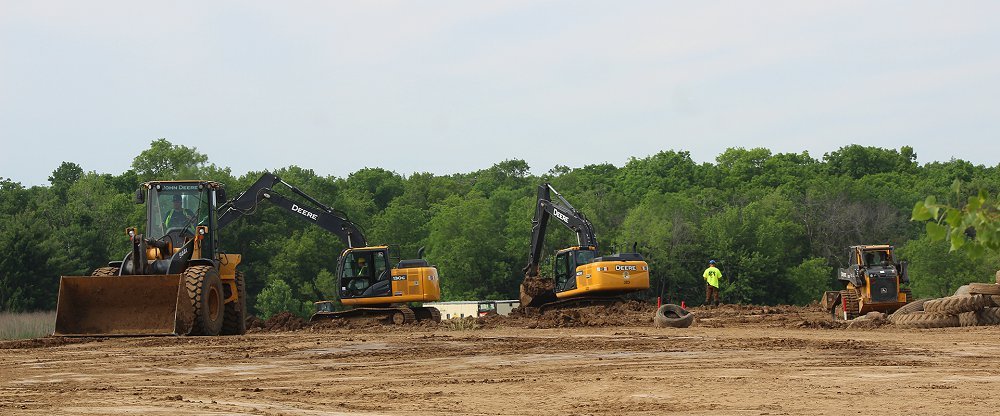
In my experience, using the right attachments really boosts productivity. I’ve seen work go from slow and inefficient to fast and smooth just by swapping out attachments. For example, using a hydraulic hammer for breaking concrete speeds up the job immensely.
Here’s a list of useful attachments and how they impact productivity:
| Attachment | Best Tasks | How It Helps Productivity |
|---|---|---|
| Hydraulic Hammer | Breaking concrete and rocks | Speeds up demolition, reduces manual labor |
| Tilt Bucket | Grading, land leveling | Reduces cycle time, improves precision |
| Auger | Drilling holes, foundation work | Increases speed and efficiency |
Using the right attachments for the job can make your excavator much more productive and save you time on each task.
The Role of Site Preparation in Excavator Productivity
Site preparation is often overlooked, but I’ve learned that a well-prepared site can speed up excavation work. I’ve seen sites where obstacles, uneven ground, and poor layout led to delays. The more you prepare the site, the less time your excavator spends moving around or waiting.
These tips helped me:
| Task | Impact on Productivity | Best Practices |
|---|---|---|
| Clearing Obstacles | Prevents delays and stops | Remove debris and obstacles before work starts |
| Leveling Ground | Smoothes operation, reduces strain | Level the ground before using the excavator |
| Planning Work Routes | Saves time and energy | Plan efficient routes for minimal travel time |
Good site prep makes a big difference in how fast your excavator works, and it minimizes downtime, improving excavator productivity.
How to Monitor and Measure Excavator Productivity
In my opinion, using technology to monitor productivity is a game-changer. I’ve used telematics to track fuel use, machine hours, and performance, which helped improve productivity by making real-time adjustments.
Here’s a breakdown of the tools that can help you track excavator productivity:
| Technology | What It Tracks | How It Improves Productivity |
|---|---|---|
| Telematics Systems | Fuel consumption, machine performance | Helps optimize machine use and reduce idle time |
| GPS Tracking | Machine movement, excavation cycles | Reduces travel time, increases excavation efficiency |
| Productivity Apps | Operator performance, fuel use | Tracks cycle times and downtime |
Using these tools, you can track everything from fuel to performance, allowing you to adjust on the fly and boost productivity.
Innovative Technologies to Enhance Excavator Productivity
Over the years, I’ve seen technology evolve in ways that really improve excavator productivity. The shift to autonomous machines and smart technologies is a big one. I’ve used some machines with basic telematics, but now there are fully autonomous models that take care of much of the work without human intervention.
Here’s a look at how these innovations help:
- Autonomous Excavators: These machines can work on their own, handling repetitive tasks without getting tired, which increases productivity.
- Machine Learning Algorithms: These systems predict when maintenance is needed, helping avoid unplanned downtime.
The future is moving toward more automation and smarter machines, which will further improve excavator productivity.
Best Practices to Maximize Excavator Productivity on Construction Sites
Here are a few simple practices that can really boost excavator productivity:
- Optimizing Workflow: Rotate machines to prevent wear and tear on a single excavator.
- Communication: Keep operators and project managers in constant contact to prevent delays.
- Data-Driven Decisions: Analyze productivity data regularly and make adjustments as needed.
Case Studies: Successful Productivity Improvements
I remember a big project we did in Dubai. It was a large-scale excavation in a crowded area with tight spaces. The excavators had to move around a lot, which wasted time and fuel. I noticed that we were losing a lot of valuable hours just from unnecessary travel.
We decided to use telematics to fix this. Telematics is a system that tracks machine locations, fuel usage, and work performance. By using this system, we could see exactly where the excavators were and what they were doing. We found that they were wasting a lot of time moving between jobs and idling too long between tasks.
Conclusion
Maximizing excavator productivity is a blend of smart machine selection, good operator training, regular maintenance, and using the right technology. It’s not about rushing through the job but getting it done efficiently and with fewer costs. By following these simple strategies, you can ensure that your excavator works at its best, improving the overall success of your construction projects.
Follow us on :YouTube.