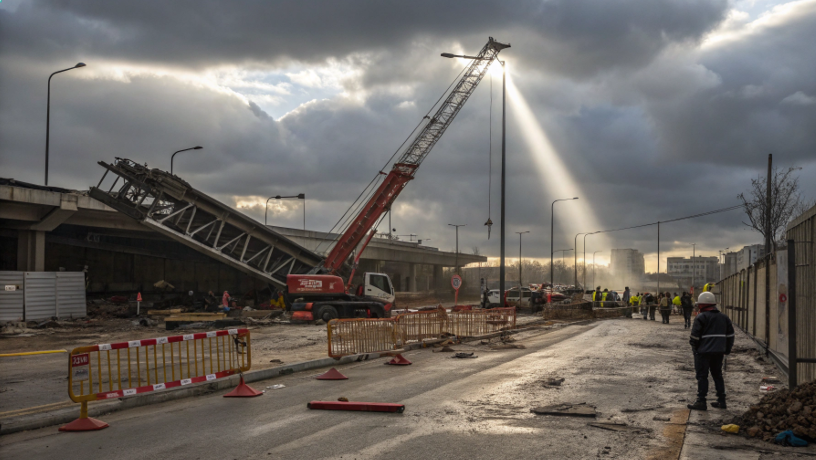
Crane accidents are a major risk on construction sites. They could cause delays, harm, or even death. I have seen too many examples of the fear that accompanies the knowledge that a minor mistake could have catastrophic repercussions. However, with the right knowledge and precautions, crane accidents can be avoided.
Crane accidents happen for many reasons: mechanical failures, operator errors, poor site conditions, and even improper maintenance. To reduce these risks, it’s essential to follow regular maintenance schedules, ensure operators are well-trained, and assess site conditions before lifting. Using technology like load monitoring systems can also help prevent accidents. Understanding these risks and implementing safety measures will drastically reduce the chances of a crane accident occurring on your site.
Let’s now examine the most frequent reasons for grue mishaps and how straightforward, practical precautions can be taken to avoid them.
1. Introduction
I’ve seen it firsthand in the construction industry—crane accidents happen more often than we’d like to admit. These accidents can lead to delays, injuries, and sometimes even fatalities. I’ve learned that knowing what causes these accidents is key to avoiding them. That’s why I want to talk about the most common causes of crane accidents and how we can prevent them. Cranes are heavy machinery, and when something goes wrong, it can be costly and dangerous. But with the right precautions, these accidents can be avoided.
2. Mechanical Failures
Engine and Hydraulic Failures
Mechanical problems are one of the leading causes of crane accidents. I’ve seen a few accidents that happened because the engine or hydraulic system failed. Cranes depend on these systems to work smoothly. If a hydraulic hose leaks or the engine overheats, the crane could suddenly stop working, and that’s when things get risky.
I remember a project where a crane stalled because the hydraulic system lost pressure. The load was hanging, and everyone on site was on edge. Luckily, no one was injured, but it was a reminder of how crucial it is to stay on top of regular checks.
| Mechanical Issue | Cause | Effect on Crane |
|---|---|---|
| Fuite hydraulique | Tuyaux ou joints endommagés | Loss of control over lifting power |
| Panne moteur | Overheating or poor maintenance | Crane stops working, potentially drops load |
| Winch or Boom Wear | Lack of maintenance | Boom or winch failure, load instability |
How to Prevent It:
- Make sure the hydraulic fluid levels are checked regularly.
- Replace worn hoses and seals as soon as they show signs of damage.
- Always follow the manufacturer’s maintenance schedule to keep the engine and hydraulic system in top shape.
Wear and Tear on Key Parts
Parts like cables, winches, and booms take a lot of stress during lifting. Over time, they start to wear out. I’ve seen it happen when the crane starts showing signs of damage but wasn’t checked right away. When that happens, there’s a real risk of things breaking during a lift.
| Crane Part | Potential Issue | Risk of Accident |
|---|---|---|
| Cables | Fraying or damage | Risk of load detaching, boom collapse |
| Winches | Worn-out gears or faulty motor | Loss of control over load |
| Boom | Cracks or bending | Risk of boom collapse or injury to nearby workers |
How to Prevent It:
- Regularly inspect the crane for signs of wear, especially on the cables and boom.
- Replace worn-out parts before they fail.
- Don’t wait for an issue to become a serious problem—address it early.
3. Operator Errors
Inexperienced Operators
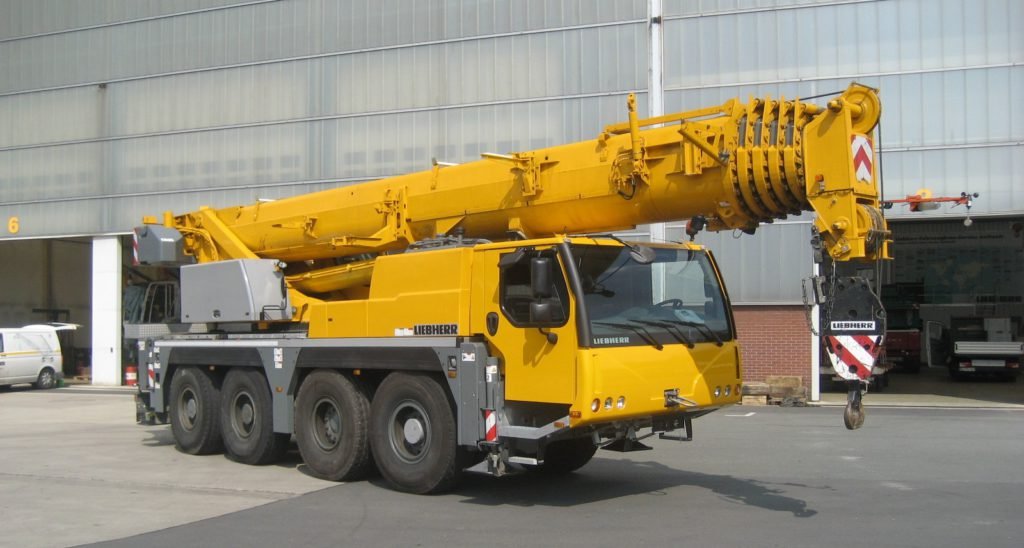
I’ve been on many sites where accidents happened because the operator didn’t have enough experience. Cranes are complex machines, and when operators don’t fully understand their limits, they can make dangerous mistakes. I’ve seen operators load cranes beyond capacity or maneuver the boom in unsafe ways, which can lead to tipping or damage.
| Erreur de l'opérateur | Cause | Risk of Accident |
|---|---|---|
| Lifting Exceeding Load | Lack of knowledge on load capacity | Tipping or collapse of crane |
| Improper Maneuvering | Inexperience in crane handling | Misjudging crane stability, loss of control |
| Incorrect Boom Position | Lack of familiarity with the crane’s reach | Collisions with nearby structures or workers |
How to Prevent It:
- Ensure all operators undergo proper training.
- Make sure operators are experienced with the crane’s capacity before starting work.
- Keep training programs updated and ensure operators refresh their skills.
Fatigue and Distraction
When operators are tired or distracted, accidents are more likely. I’ve witnessed accidents where operators were clearly fatigued after working long hours. This made their reaction times slower, and in one instance, they missed a signal from the ground crew. Fatigue and distraction can have serious consequences.
| Facteur | Impact on Crane Operation | Accident Risk |
|---|---|---|
| Lack of Sleep | Reduced concentration and decision-making | Increased likelihood of mistakes |
| Distractions (e.g., phone) | Delayed response time, missed signals | Risk of collision or dropped loads |
| Overwork | Physical fatigue, slower reactions | Increased chance of crane tipping or instability |
How to Prevent It:
- Schedule regular breaks and make sure operators get enough rest.
- Have a no-phone policy while operating cranes.
- Consider using technology to help operators, so they’re less stressed.
Technological Solutions to Reduce Human Error
We can also use technology to help reduce human error. For example, load monitoring systems can alert the operator if the crane is getting too close to its capacity. This gives the operator more time to make adjustments. I’ve seen how these technologies can make a huge difference in preventing accidents.
| Technologie | Comment ça aide | Safety Benefit |
|---|---|---|
| Load Monitoring Systems | Tracks crane load in real-time | Prevents overloading, ensures safe lifting |
| Automatic Boom Positioning | Adjusts the boom angle for optimal operation | Reduces risk of boom collisions and instability |
| Safety Alerts | Provides visual/audio warnings for unsafe conditions | Prevents accidents before they happen |
How to Prevent It:
- Invest in load monitoring and automated crane systems.
- Use safety alerts that help operators avoid common mistakes.
- Keep an eye on new technologies that can make cranes safer.
4. Poor Site Conditions
Unstable Ground or Terrain
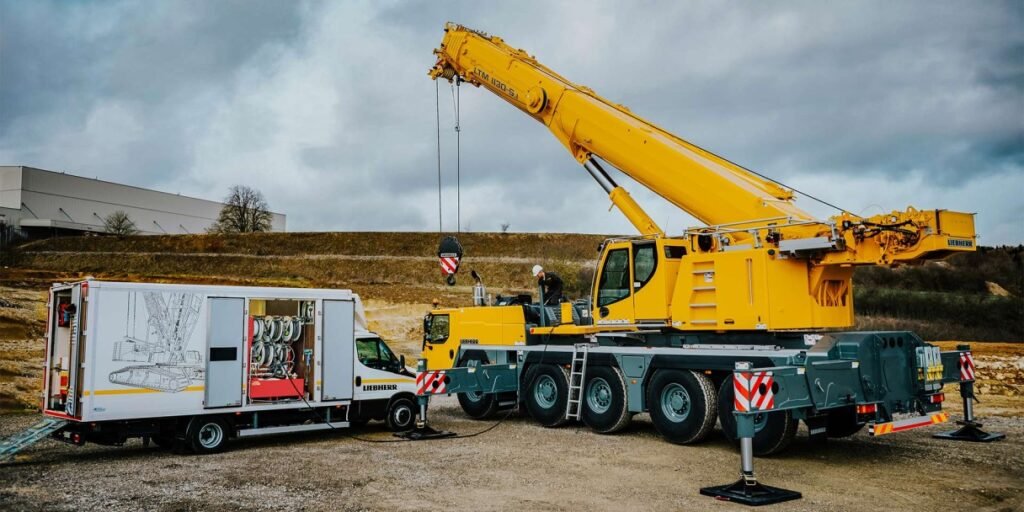
The ground a crane sits on is just as important as the crane itself. I’ve worked on sites where the ground was too soft or uneven, and it caused serious issues. Cranes are heavy, and if the ground can’t support them, the crane might tip over or sink.
| Site Condition | Impact on Crane Stability | Accident Risk |
|---|---|---|
| Uneven Ground | Increased risk of tipping | Crane may lose balance or topple |
| Soft/Muddy Terrain | Crane sinking, loss of stability | Increased risk of collapse |
| Sloping Surface | Difficulty maintaining level crane | Boom swing, load displacement |
How to Prevent It:
- Always check the ground conditions before setting up the crane.
- Use crane mats or platforms to stabilize the crane on soft ground.
- Make sure the crane is properly leveled before starting operations.
Adverse Weather Conditions
Weather can also affect crane operations. I’ve seen how strong winds or heavy rain can make cranes difficult to control. High winds, especially, can cause the boom to sway, making it hard to control the load. We had to stop a project once because the wind was too strong. It was a good reminder of how important it is to monitor weather conditions.
| Weather Condition | Impact on Crane Operation | Accident Risk |
|---|---|---|
| High Winds | Boom sway, loss of load control | Tipping, unstable lifting operations |
| Heavy Rain or Snow | Slippery surfaces, reduced traction | Crane may slide, loss of stability |
| Fog or Low Visibility | Reduced ability to assess load and surroundings | Risk of collision or improper maneuvering |
How to Prevent It:
- Always check the weather before operating a crane.
- Stop crane operations if conditions get dangerous.
- Use weather-resistant equipment to help cranes perform in harsh conditions.
5. Overloading and Improper Load Handling
Exceeding Load Capacity
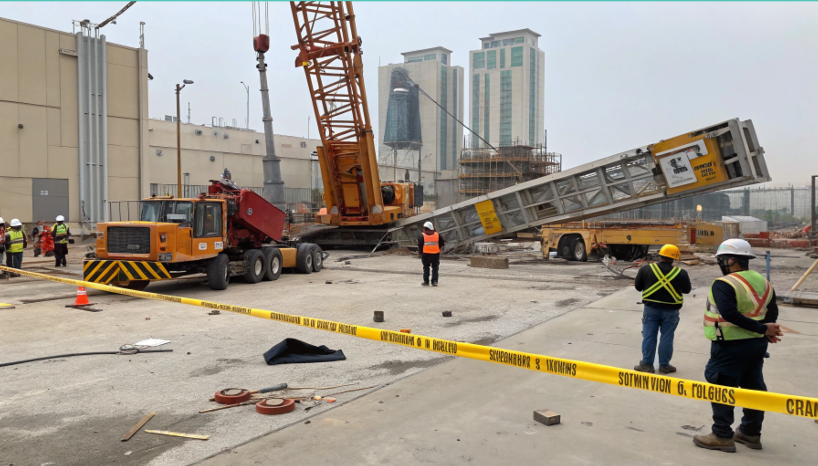
One of the most dangerous causes of crane accidents is overloading. I’ve witnessed how easy it is for operators to forget to check the crane’s load chart, leading to an overloaded crane. This makes the crane unstable and can lead to tipping or the load falling.
| Overload Issue | Cause | Resulting Accident |
|---|---|---|
| Exceeding Load Capacity | Lifting loads beyond crane’s rated capacity | Crane tipping, collapse of load |
| Improper Load Rigging | Uneven weight distribution | Loss of control, potential boom failure |
How to Prevent It:
- Always double-check the load capacity chart before lifting.
- Use load monitoring systems to ensure you’re not overloading the crane.
- Make sure the load is evenly rigged before starting the lift.
Uneven Load Distribution
When the load isn’t distributed properly, it can throw off the crane’s balance. I’ve seen loads swing out of control because they were rigged incorrectly. It’s crucial to make sure the load is centered and balanced to avoid tipping.
| Load Issue | Cause | Risk of Accident |
|---|---|---|
| Uneven Load Distribution | Incorrect rigging or load placement | Crane imbalance, swing, or tip over |
| Off-Center Lifting | Improper load setup | Risk of boom collapse or crane falling |
How to Prevent It:
- Ensure proper rigging and load placement before lifting.
- Double-check the load’s center of gravity before starting.
- Train operators on load balancing techniques.
6. Lack of Maintenance and Inspections
Routine Inspections and Timely Repairs
Regular maintenance is a must for keeping cranes safe. I’ve been on jobs where a crane broke down because it wasn’t checked regularly. If you don’t catch problems early, they can lead to serious accidents.
| Type d'inspection | Composant | Risk of Accident |
|---|---|---|
| Hydraulic System Inspection | Hydraulic hoses, fluid levels | Failure of lifting system, tipping |
| Winch and Cable Inspection | Worn-out cables or frayed winches | Load instability, boom collapse |
| Inspection du moteur | Engine overheating, oil checks | Sudden crane power loss during operation |
How to Prevent It:
- Stick to a strict inspection schedule and don’t skip any checks.
- Address any issues right away, don’t wait for them to get worse.
- Replace worn-out parts quickly to prevent accidents.
7. Communication Breakdowns
Miscommunication Between Operator and Ground Crew
Effective communication is essential to crane safety. I’ve been part of teams where poor communication led to accidents. Whether it’s misunderstanding a signal or a missed call, miscommunication can result in accidents like dropped loads or crane collisions.
| Communication Issue | Cause | Risk of Accident |
|---|---|---|
| Misunderstood Signals | Confusion between operator and crew | Crane misplacement or collision |
| Lack of Clear Instructions | Ground crew not providing adequate direction | Risk of load falling or crane tipping |
How to Prevent It:
- Use radios or hand signals to communicate clearly.
- Set up a communication plan before starting the job.
- Always ensure the operator and ground crew understand their roles.
8. Improper Crane Setup
Incorrect Positioning
I’ve seen how positioning a crane incorrectly can cause tipping. It’s so important to set up on solid, level ground. I’ve been on sites where cranes were positioned on soft ground, and it nearly caused a disaster.
| Setup Issue | Cause | Risk of Accident |
|---|---|---|
| Improper Positioning | Incorrect placement on unstable ground | Tipping, crane collapse |
| Failure to Extend Outriggers | Improper stabilization setup | Crane may tip under heavy load |
How to Prevent It:
- Always position the crane on firm, level ground.
- Fully extend and secure the outriggers before lifting.
- Always double-check crane setup before starting operations.
9. Conclusion
From what I’ve seen over the years, grue accidents happen for a lot of reasons—mechanical failures, operator mistakes, bad site conditions, and poor maintenance. But with regular inspections, proper training, and clear communication, many of these accidents can be avoided. Make sure to follow all safety protocols, invest in good technology, and keep your cranes in top condition. It’s not just about avoiding accidents, it’s about making sure everyone goes home safely at the end of the day.
Suivez-nous sur:Youtube.