Although purchasing a crane can be thrilling, there are risks involved. You risk expensive repairs or, worse, safety hazards if you don’t have a proper crane inspection. I want to explain the importance of inspections before you make that major purchase because I have discovered this the hard way.
Before purchasing a crane, a thorough crane inspection is essential. It helps uncover hidden problems that could lead to costly repairs, downtime, or safety risks. A good inspection ensures the crane is up to code, meets safety regulations, and operates smoothly. Don’t skip this crucial step—it can save you a lot of money and trouble.
Let’s now examine what a grue inspection entails and how it can influence your choice to buy.
1. Introduction
When I first started buying cranes, I didn’t think much about the crane inspection process. I assumed if the crane looked good and worked well on the surface, it was fine. But after a few years, I learned the hard way. I once bought a used crane without getting it thoroughly inspected. That was a mistake. It turned out the hydraulic system had some serious issues that I couldn’t see until after the purchase. The repairs were expensive, and it took down my crane for weeks.
Now, I always make sure to get a crane inspection before I buy anything. It saves money in the long run and helps avoid safety risks. In this article, I’ll share why a crane inspection is so important, what you can expect during one, and how it helps you make a smart purchase decision.
2. What Is Crane Inspection?
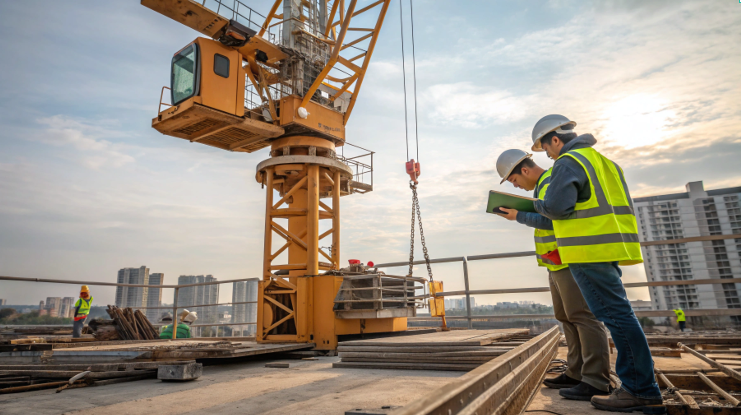
UN grue inspection is exactly what it sounds like. It’s a detailed check of the crane to make sure everything is working well. This includes looking at the mechanical parts, the hydraulic system, the structure, and even the engine. There are different types of inspections, depending on what you need:
| Type d'inspection | But | Quand le faire |
|---|---|---|
| Pre-purchase Inspection | To make sure the crane is in good shape before you buy it | Before you purchase any crane |
| Inspections de routine | To keep the crane running smoothly over time | Regularly, every few months or years |
| Post-repair Inspections | To check if the crane is safe after repairs | After any significant repairs |
Some key areas that are checked during the inspection are the crane’s boom, hydraulic system, and engine. The inspector will look for any damage, wear, or parts that need fixing. I always pay attention to these details, especially the ones that are hard to spot with a simple look.
3. Preventing Costly Repairs and Safety Issues
I remember a time when I skipped a crane inspection on a used crane I bought. A few months later, I had to replace the engine because of overheating. The repair costs were through the roof. If I had gotten an inspection, I could’ve caught that issue early and saved a lot of money.
During a crane inspection, problems like hydraulic leaks or worn-out parts are detected before they become huge problems. If you wait until something breaks down, it’s usually much more expensive to fix. Here are a few common problems I’ve seen pop up during inspections:
| Problem Type | What’s Found | What Happens If It’s Not Fixed |
|---|---|---|
| Fuites hydrauliques | Oil leaks from hoses or fittings | Loss of power, expensive repairs |
| Problèmes de moteur | Overheating or oil leaks | Breakdown, expensive downtime |
| Dommages structurels | Cracks or rust in the frame | Safety hazard, parts could fail |
Having a crane inspection helps catch these issues early. It makes sure the crane works properly and keeps everyone safe.
4. Legal Compliance and Risk Mitigation
In my experience, cranes have to meet strict safety regulations, especially in construction. Many regions require cranes to be inspected regularly. Without proper inspection, you could be violating local laws or safety codes. This can lead to fines, delays, or even lawsuits if something goes wrong.
Here’s a quick rundown of the legal things an inspection helps with:
| Legal Requirement | Pourquoi c'est important | What Happens If You Don’t Comply |
|---|---|---|
| Safety Standards | Ensures the crane is safe to use | Fines, legal issues, accidents |
| Certification | Verifies the crane is certified to operate | Cranes could be banned from use |
| Inspection Frequency | Most regions have a set schedule for inspections | Penalties, shutdown of operations |
UN crane inspection makes sure you’re following the rules and staying out of legal trouble. Plus, it reduces the risk of accidents, which is always the top priority.
5. How Crane Inspection Affects Resale Value
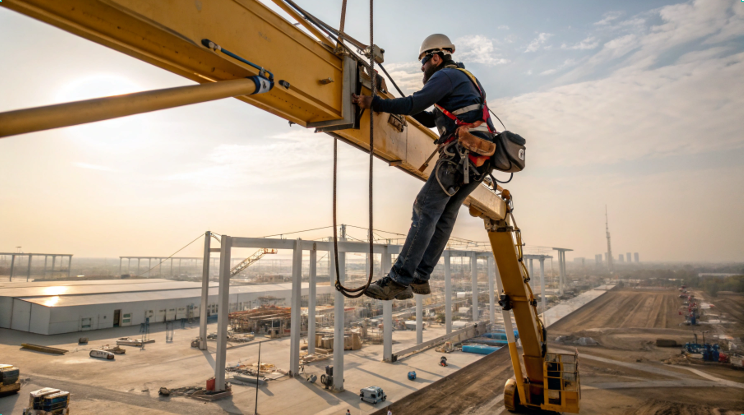
When I first bought grues usagées, I didn’t realize how much a good crane inspection could affect its resale value. A clean inspection report can actually raise the crane’s value when you go to sell it. Buyers want to know that the crane has been checked, maintained, and is in good shape.
Here’s how an inspection helps the resale value:
| Facteur d'inspection | Impact on Resale Value |
|---|---|
| Positive Inspection Results | Makes buyers more confident, higher price |
| Up-to-date Maintenance | Shows the crane has been properly cared for |
| Inspection History | Transparency in repairs and condition |
Having a strong inspection record also helps you sell faster. I’ve found that when I sell a crane with a clean inspection report, I get better offers. It gives buyers peace of mind.
6. What to Expect During a Crane Inspection
If you’ve never had a crane inspection done before, you might wonder what exactly happens. It’s not as intimidating as it sounds. Here’s what you can expect:
| Step in the Inspection | What Happens | Why It’s Done |
|---|---|---|
| Visual Check | The inspector looks over the crane for damage | To catch any obvious issues |
| Functional Testing | They’ll test the engine, hydraulics, and controls | To see if everything works well |
| Hydraulic System Test | Checking for leaks and pressure levels | To make sure the hydraulics are operating correctly |
| Load Testing | They may lift a load to test capacity | To check if the crane can safely handle its workload |
| Structural Integrity Check | Inspecting key structural parts like the boom | To ensure no cracks or damage to the frame |
It’s a pretty thorough process, and you get a full report on everything the inspector finds. If they find any issues, they’ll tell you how serious they are and what needs fixing.
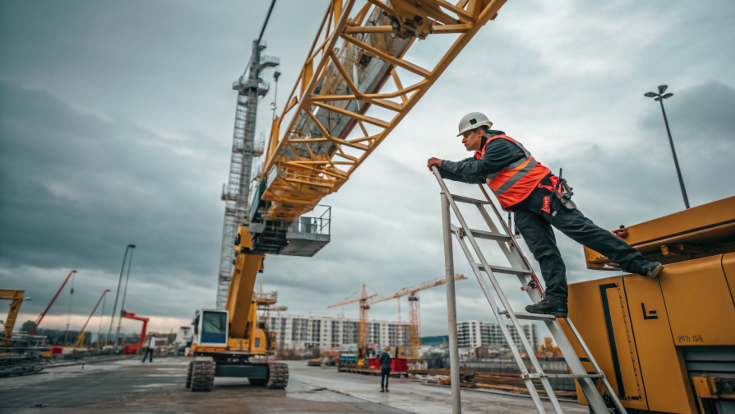
7. Common Crane Inspection Red Flags to Look For
I’ve learned over the years that certain issues during a crane inspection are red flags. They could mean big problems down the line. Here are the major red flags I always look out for:
| Drapeau rouge | Ce que cela signifie | What Should Be Done |
|---|---|---|
| Cracks in the Boom | Indicates serious structural issues | Walk away, or ask for a deep discount |
| Fuites hydrauliques | Oil leaks or pressure loss | Negotiate the price based on repairs needed |
| Worn-out Cables | Cables that are frayed or damaged | Have them replaced before using the crane |
| Rouille et corrosion | Corroded parts can weaken the crane | Request further inspection or lower the price |
If I see any of these during an inspection, I either negotiate the price down or move on to another crane.
8. How Crane Inspection Impacts Your Purchasing Decision
When buying a crane, I rely heavily on the inspection report. If the crane passes with no major issues, I feel confident about the purchase. If minor problems are found, I use that information to negotiate a lower price. For example, I once bought a crane with a small hydraulic leak, which I used to reduce the price by 10%.
If the report highlights significant issues like structural damage or engine problems, I usually walk away. A good crane inspection helps me avoid wasting money and gives me the confidence to make an informed decision.
The way I see it, inspections des grues help me avoid wasting money on a crane that might break down soon after purchase. They give me the necessary information to either walk away from a bad deal or negotiate a fair price if there are fixable issues.
| Inspection Result | Decision Impact |
|---|---|
| Clean Inspection | Proceed with purchase |
| Minor Issues Found | Negotiate lower price |
| Major Issues Found | Walk away or look for alternatives |
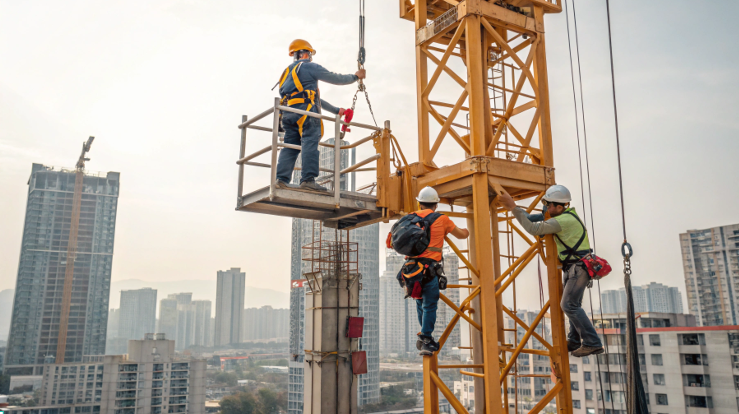
9. Finding a Reliable Crane Inspector
Not all inspectors are the same. I always check for certification and experience to ensure they know what to look for. Once, a less experienced inspector missed a crack in the crane’s boom, which ended up costing me. I also make sure the inspector specializes in cranes and checks reviews and references.
A trusted inspector gives a detailed, reliable report, helping me make the best purchasing decision.
| Critères | Pourquoi c'est important |
|---|---|
| Certification and Experience | Ensures expertise and thoroughness |
| Specialization in Cranes | Guarantees proper inspection of crane parts |
| References and Reviews | Shows reliability and quality of service |
10. Conclusion
In my experience, getting a grue inspection before buying is the best way to protect yourself. It saves you money, keeps the crane safe, and helps avoid major issues down the line. Whether you’re buying a new or used crane, never skip the inspection. It’s a small investment that can save you from a lot of trouble later on.
Suivez-nous sur:Youtube.