Struggling to lift materials high and far on your job site? Standard machines just can’t reach. A telehandler is the versatile, powerful solution you need for those tough jobs.
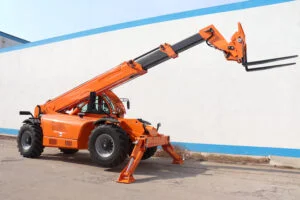
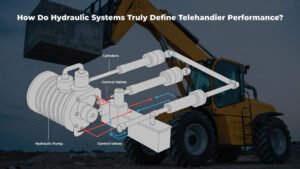
A telehandler works like a hybrid of a forklift and a crane. It uses a powerful engine to run a hydraulic system. This system controls a telescopic boom, allowing it to extend, lift, and tilt. You can also swap various attachments on the end of the boom.
I’ve been in this business for over 15 years, and I’ve seen these machines transform job sites. But to truly appreciate what they can do, you have to understand how they are built and how they operate. Let’s dig a little deeper into the world of telehandlers.
What Is a Telehandler Work?
Do you need one machine that can do the job of many? Juggling a forklift, a loader, and a crane is slow and expensive. A telehandler is your all-in-one solution.
A telehandler, short for telescopic handler, is a very useful machine with a boom that extends forward and upward. It uses hydraulics to lift heavy loads and can use many attachments like forks, buckets, or winches. This makes it a multi-purpose tool on any job site.
I often tell my customers that they aren’t just buying a machine; they are buying an “interface.” The real power of a telehandler comes from its ability to quickly change tools. This is possible because of a quick-coupler system at the end of the boom. This system, which can be hydraulic or mechanical, allows an operator to switch from forks to a bucket in just a few minutes, without leaving the cab. This is a game-changer. Think about the cost and time of bringing three separate machines to a site versus one telehandler that can do it all.
One Machine, Many Faces
The secret is the quick-coupler and the auxiliary hydraulic lines that run along the boom. These lines provide power to attachments that need it, like a grapple or a winch. This turns the telehandler into a true multi-tool.
| Scenario | Using Specialized Machines | Using One Telehandler |
|---|---|---|
| Machines Needed | Forklift, Wheel Loader, Crane | 1 Telehandler |
| Operators Needed | 3 | 1 |
| Transport Cost | High (3 machines) | Low (1 machine) |
| Job Site Footprint | Large | Small |
For my clients, whether they are distributors or end-users, this versatility means a huge return on their investment.
How Does a Telehandler Compare to Other Machines?
Choosing the right equipment for a job is critical. Picking the wrong one costs you time and money. Let’s see how a telehandler stacks up against other common machines.
A telehandler offers much more reach and versatility than a standard forklift. It’s more mobile and quicker to set up than a small crane. It also has a higher lift capacity and longer forward reach than a skid steer, making it a unique hybrid solution.
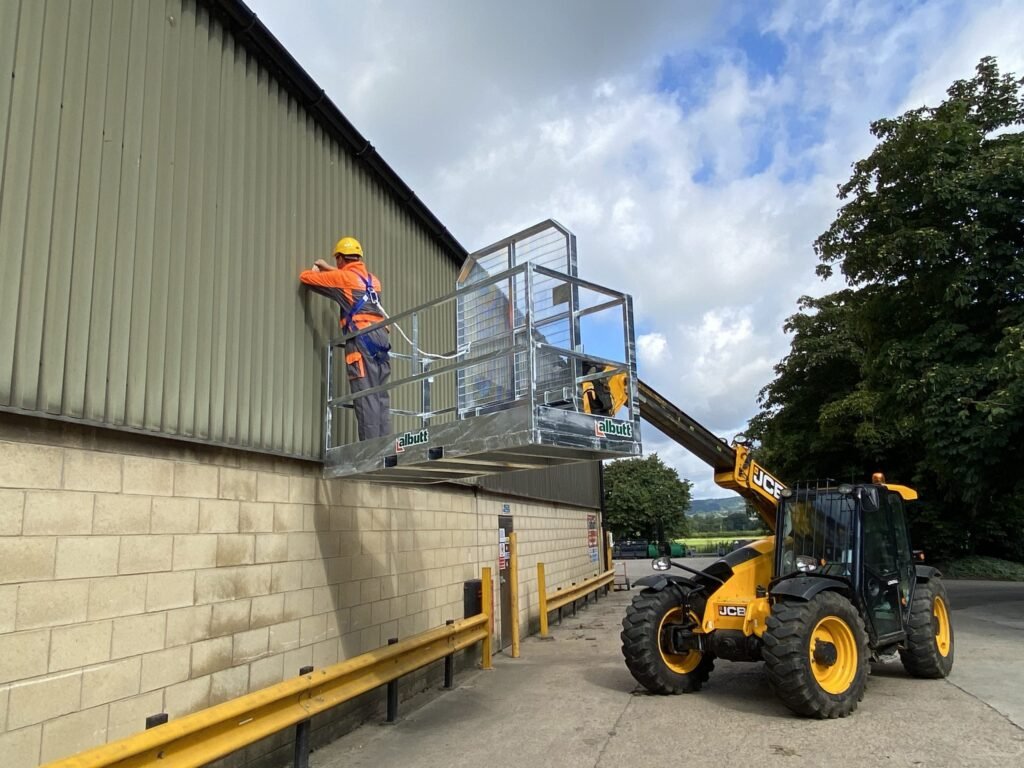
When you look at the specifications, it’s easy to see where each machine shines. But a telehandler’s strength is that it does many things well. A forklift is great in a warehouse with a concrete floor, but it can’t place a pallet of bricks on the second story of a building. A crane can lift higher, but it takes time to set up and can’t move around a muddy site easily. A skid steer is nimble, but it can’t reach the top of a truck to unload materials. The telehandler fills the gap between all of these machines, offering a blend of reach, power, and mobility that is hard to beat.
The Right Tool for the Job
Let’s break it down in a simple table.
| Machine | Primary Function | Key Advantage | Key Limitation |
|---|---|---|---|
| Telehandler | Lift and Place at Distance | Versatility & Reach | Higher Initial Cost |
| Forklift | Lift and Move on Flat Ground | Efficiency in Warehouses | Limited Reach & Terrain |
| Mobile Crane | Heavy Lifting to Great Height | Massive Lift Capacity | Slow Setup, Low Mobility |
| Skid Steer | Loading, Digging, Grading | Agility in Tight Spaces | Low Lift Height & Reach |
From our factory in Taian, we ship telehandlers to customers who need to do all these things. They need to lift, they need to reach, and they need to do it efficiently.
What Are the Key Safety Rules for Operating a Telehandler?
Telehandlers are powerful tools, but they can be dangerous if used incorrectly. A tip-over accident can be catastrophic. Following safety rules is not optional; it’s essential for everyone on site.
The most important safety rule is to always understand and respect the machine’s load chart. Never try to lift more than the machine is rated for at a specific boom angle and extension. Always work on level, firm ground and use stabilizers when needed.
The biggest mistake I see operators make is not understanding the physics of leverage. When you extend the boom by one meter, the tipping risk increases by much more than you think. It’s not a linear relationship. The machine’s center of gravity shifts forward, and the load’s leverage on the machine grows exponentially. This is the single most important concept for a telehandler operator to understand. A full load that feels perfectly stable with the boom retracted can instantly tip the machine over when extended just a few meters further. That’s why every one of our machines comes with a clear, easy-to-read load chart right in the cab.
Beyond the Basics: Understanding Stability
Modern telehandlers have systems to help. Load moment indicators (LMIs) use sensors to measure the load and boom angle, and they will warn the operator or even lock out controls if the machine approaches its limit. Outriggers, or stabilizers, are also critical. They widen the machine’s base, dramatically increasing its stability for heavy or high lifts. But technology can’t replace a well-trained operator who respects the machine’s limits and is always aware of their surroundings, especially blind spots.
What Kind of Jobs Are Telehandlers Used For?
Are you wondering if a telehandler is the right machine for your industry? It can be hard to picture all its uses. Let’s look at the common job sites where these machines are essential.
Telehandlers are incredibly versatile and work in many industries. You’ll find them on construction sites lifting materials, in agriculture handling hay bales, in mining, and even in large warehouses. Their ability to reach high and far makes them invaluable everywhere.
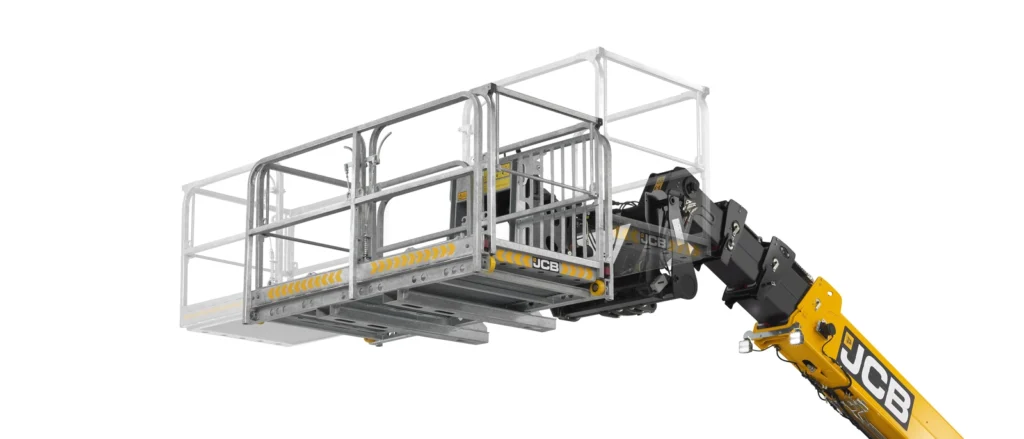
The beauty of the telehandler is its adaptability. We have customers in so many different fields, and they all use their machines in unique ways. It’s not just about lifting pallets. With the right attachment, a telehandler can become the most used piece of equipment on any site. Because we manufacture our own machines, we can often work with customers to provide the right combination of machine and attachments for their specific industry, whether it’s for building homes or managing a farm. This flexibility is key to their popularity around the world.
A Tool for Every Trade
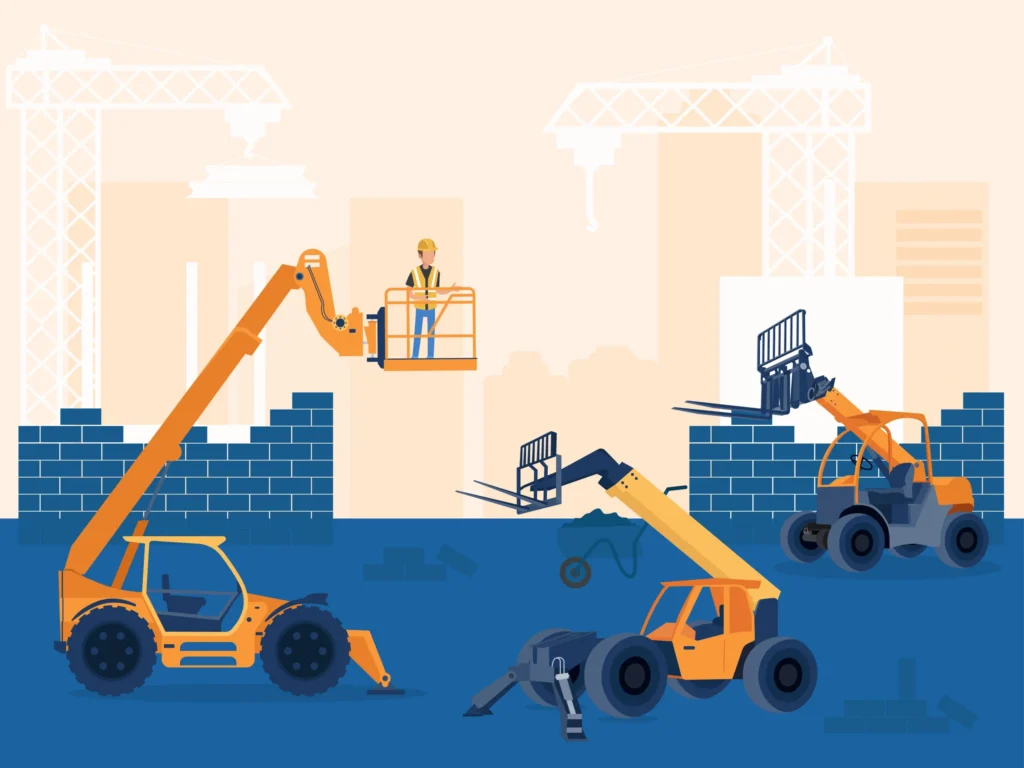
- Construction: This is the most common use. They lift pallets of bricks, roofing materials, and lumber to upper floors. They can also place trusses and act as a simple work platform with a basket attachment.
- Agriculture: Farmers love telehandlers. They use them to stack large hay bales, load feed into mixers, clean out barns with a bucket attachment, and move heavy equipment.
- Industrial & Mining: In these settings, they handle heavy components, change large tires on mining trucks, and load and unload materials in rough terrain.
- Landscaping & Municipal: They are used to move large trees, place decorative rocks, and even clear snow with a plow or bucket attachment.
Is Being a Telehandler Operator a Good Career?
Are you thinking about a career operating heavy equipment? You want a job that is in demand and pays well. Becoming a telehandler operator can be a very rewarding and stable career path.
Yes, being a certified telehandler operator is a good career choice. The demand for skilled operators is steady, especially in the construction and agricultural sectors. Salaries are competitive and often increase with experience and additional certifications for larger machines.
The path to becoming an operator starts with proper training and certification. You can’t just jump in and start driving. In most countries, you need a specific license to operate a telehandler legally and safely. This training covers not just how to drive the machine but also how to read load charts, inspect the equipment, and work safely on a busy job site. A good operator is more than just a driver; they are a professional who can work efficiently and, most importantly, safely. They are a valuable asset to any team.
Building a Career with a Telehandler
The job outlook for telehandler operators is closely tied to the health of the construction and farming industries. When building is booming, the demand for good operators is high. Experienced operators, especially those who can operate multiple types of equipment and have a strong safety record, are always in high demand. The salary can vary greatly based on your location, the industry you work in, and your level of experience, but it is generally a well-paying trade that provides a stable career for many people.
What Are the Main Parts of a Telehandler?
To really understand how a machine works, you need to know its parts. It can seem complex at first glance. Let’s break down the key components of a telehandler in a simple way.
A telehandler’s main parts are the chassis, the operator’s cab, the engine, and the telescopic boom. The boom is the most important part, controlled by a hydraulic system that lets it lift, extend, and tilt attachments.
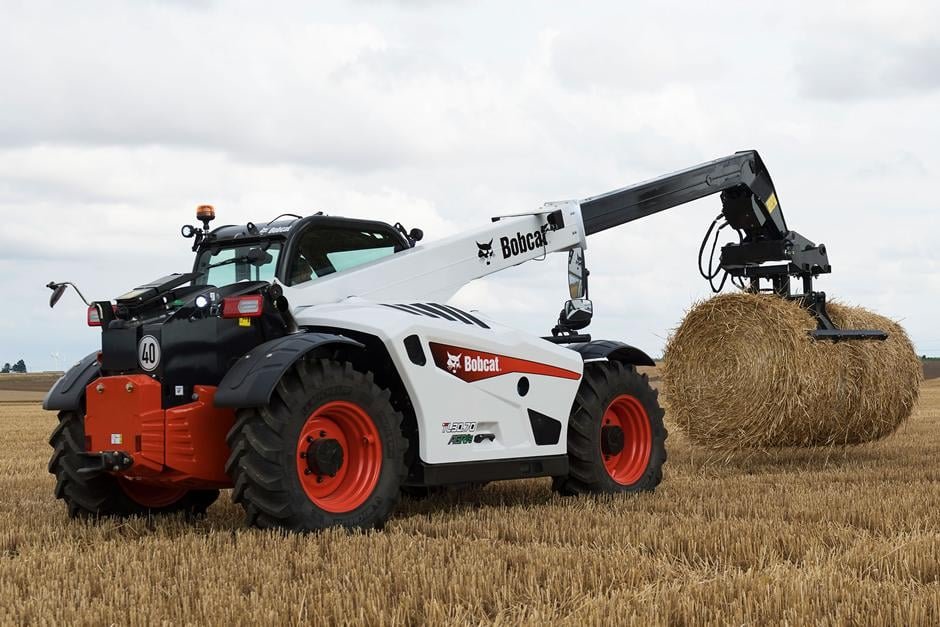
From our manufacturing plant, I see these machines come together piece by piece. It gives me a deep appreciation for the engineering involved. The chassis is the strong backbone, and it also houses the drivetrain. Most telehandlers use a hydrostatic transmission. This is important because it provides excellent low-speed control and high torque, which is exactly what you need when carefully placing a heavy load. You don’t need to go fast; you need to be precise and powerful. This is also why they have different steering modes—two-wheel for the road, four-wheel for tight turns, and crab steer for moving sideways into a tight spot.
Inside the Machine
Here are the core systems and what they do.
| Component | Its Function |
|---|---|
| Chassis & Drivetrain | The frame of the machine; provides power and steering to the wheels. |
| Cab | The operator’s station with all the controls, gauges, and safety features. |
| Engine | Provides the power for both driving and the hydraulic system. |
| Hydraulic System | The “muscles” of the machine; powers the boom and attachments. |
| Telescopic Boom | The “arm” of the machine; extends and retracts to provide reach. |
| Attachments | The “hands” of the machine; tools like forks, buckets, and hooks. |
Is a Telehandler the Right Machine for My Business?
Investing in new equipment is a big decision. You need to be sure it will pay off for your business. Let’s help you decide if a telehandler is the smart choice for you.
You should buy a telehandler if your business regularly needs to lift materials to heights or at a forward reach that a forklift can’t manage. If you need one versatile machine to do the jobs of a loader, forklift, and light crane, it’s a great investment.
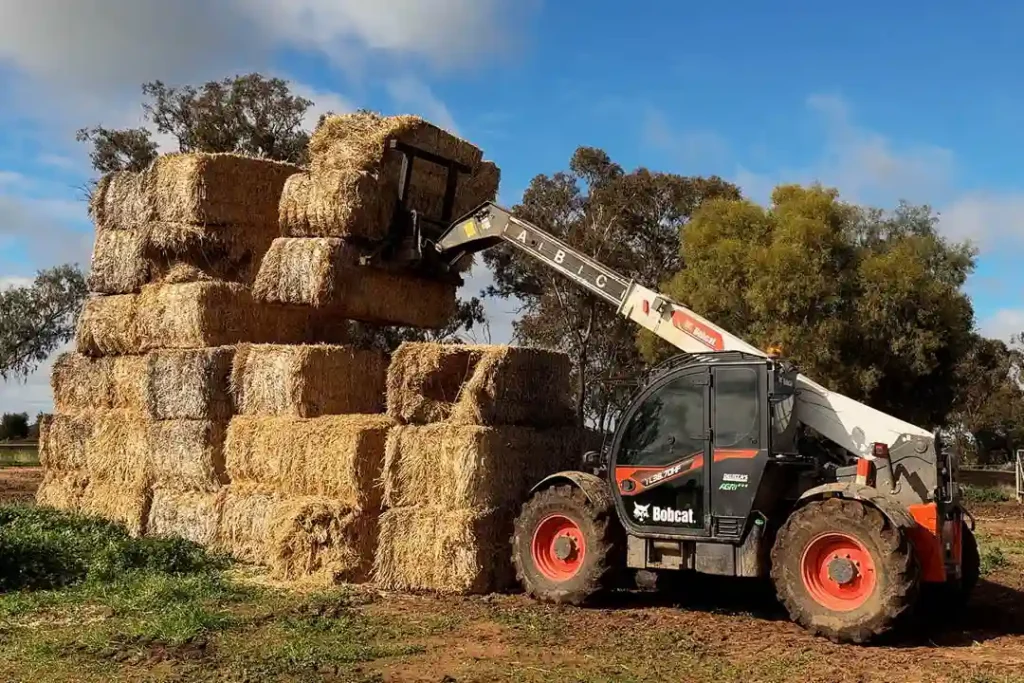
When potential customers call me, I always ask them to look beyond the maximum lift capacity. That number can be misleading. The most important document is the load chart, which shows you how much the machine can lift at different heights and reaches. A machine might be rated for 4 tons, but that’s usually only when the load is close to the machine. As soon as you extend the boom, that capacity drops quickly. I advise them to think about their typical work cycle. How far do you travel? How high do you need to lift? How much weight is in a typical load?
Making the Smart Choice
Answering these questions helps you choose the right machine. You might find that a machine with a lower max capacity but a faster boom speed is more efficient for your job. Or maybe a smaller turning radius is more important than an extra meter of reach. As a manufacturer, we can build machines with different specifications. We offer 3-ton, 4-ton, and 5-ton models with booms that reach from 7 meters to 18 meters. Because we control the whole process, we can offer competitive prices and reliable delivery times, all with CE certification for our European clients. The right choice is the one that makes your business more productive and profitable.
Conclusion
A telehandler is a powerful and versatile machine. Understanding how it works, its key safety rules, and its main components helps you use it well and choose the right model.
Follow us on :YouTube.