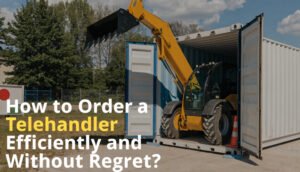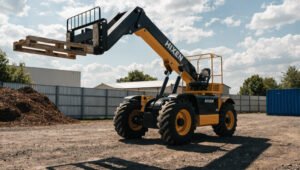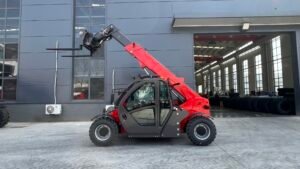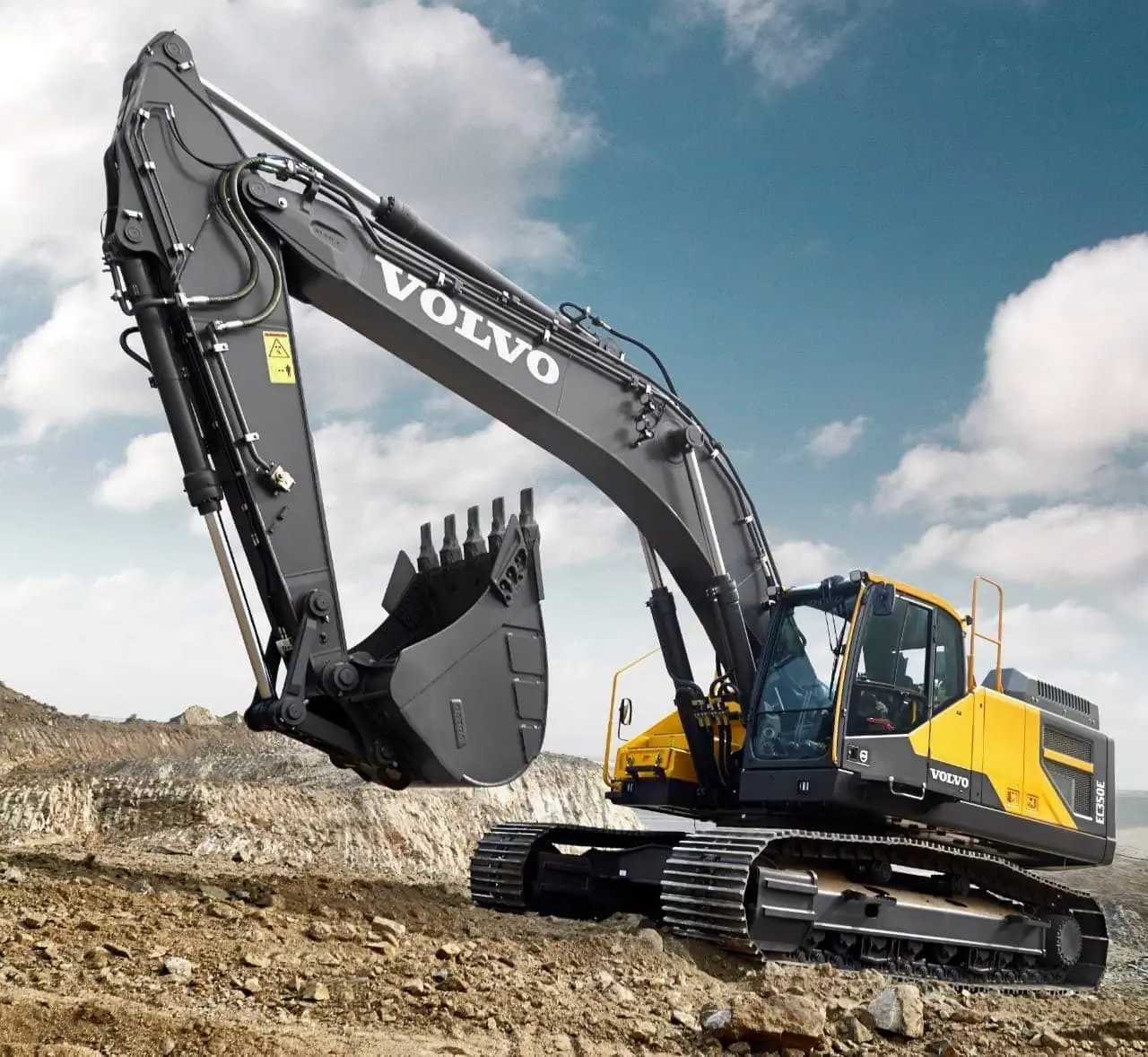
Your standard telehandler just doesn’t cut it. You’re frustrated by paying for features you don’t need while lacking the ones you do. Direct OEM customization is the solution.
Choosing an OEM telehandler allows you to specify the exact features you need. You can customize the most critical parts, like the boom’s true lifting capacity, the hydraulic system for precision control, and the chassis safety systems for your specific worksite, ensuring maximum efficiency and safety.
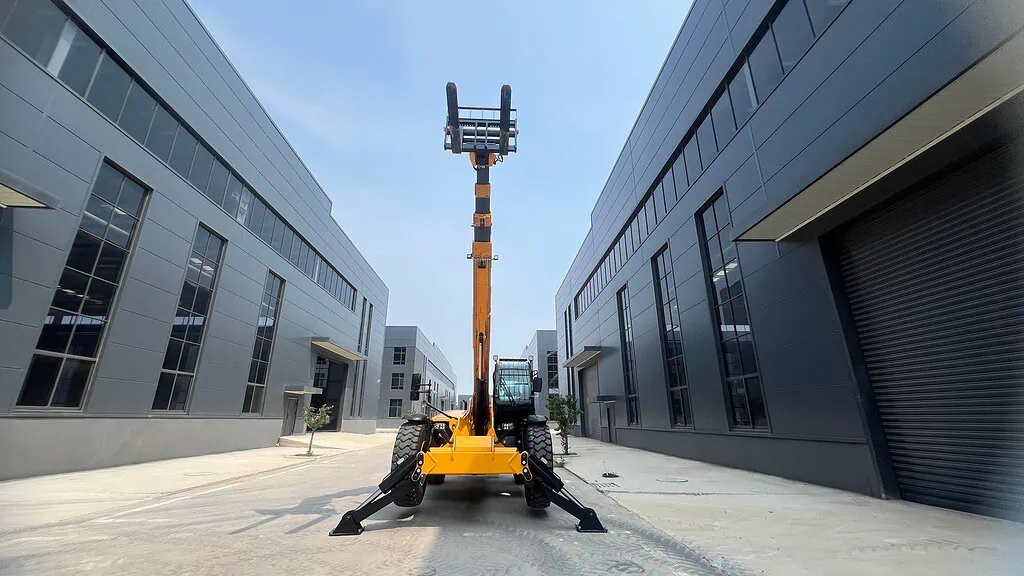
I’ve been in this business for over 15 years, exporting our telehandlers from Shandong, China, to the world. I’ve seen firsthand how a one-size-fits-all approach fails our customers. The perfect machine isn’t one you find in a generic catalog; it’s one you help design. This guide is built on countless conversations with operators and distributors about what truly matters. Let’s walk through how you can get a machine that feels like it was built just for you, because it was.
What’s the State of the Compact OEM Telehandler Market Today?
The telehandler market seems crowded and complex. It’s hard to know where the real opportunities are for your business. Understanding the latest trends gives you a clear advantage.
The compact telehandler market is growing fast, especially in construction and agriculture. Demand is high for versatile, smaller machines that work well in tight spaces. Customization is now a key factor that sets smart manufacturers and buyers apart from the competition.
From my perspective here in China, where we produce up to 1,000 units a month, I see these trends playing out globally. The boom in residential construction and complex urban development projects means our customers need machines that are both powerful and agile. A massive telehandler can’t navigate a cramped building site. That’s why our 3-ton to 6-ton models with various boom lengths are so popular.
They hit the sweet spot. Rental companies, in particular, are looking for robust, easy-to-maintain machines that can handle a wide variety of jobs. They don’t want a specialized machine that sits idle. They want a versatile workhorse. This shift toward versatility and compactness is where OEMs like us thrive, because we can adapt a machine’s features to meet these very specific, evolving market needs.
Can You Reconfigure Spider Lifts for Material Handling?
You need a machine for lifting both people and heavy materials. Buying two separate machines is expensive and inefficient. You wonder if one machine can do both jobs safely.
No, reconfiguring a spider lift for heavy material handling is impractical and dangerous. Spider lifts are designed for lifting people. A compact telehandler with a certified work platform attachment is the correct, safe, and efficient solution for handling both materials and personnel.
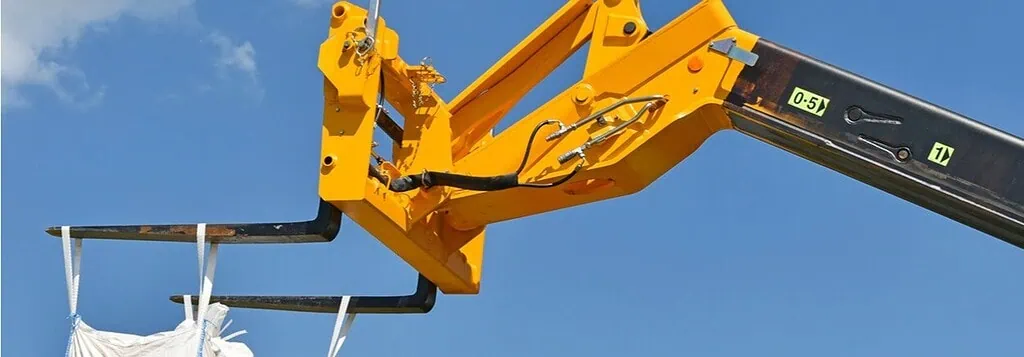
I get this question a lot. It seems logical on the surface, but the core designs are fundamentally different. A spider lift has a lightweight boom and chassis, engineered to hold a few hundred kilograms. It’s an aerial work platform, period. A telehandler is a material handler from the ground up. Its chassis is heavy and rigid, built to be a stable counterweight.
Its boom is constructed from thick, high-strength steel to handle the dynamic stresses of lifting tons of material. Trying to put a 3-ton load on a spider lift is a recipe for disaster. The safe and smart approach is to use the right tool for the job. A telehandler is designed for heavy lifting, and adding a man basket attachment is a simple, manufacturer-approved way to lift people safely.
Spider Lift vs. Telehandler with Platform
| Feature | Spider Lift | Telehandler with Platform |
|---|---|---|
| Primary Design | Lifting Personnel | Lifting Materials |
| Load Capacity | Low (200-400 kg) | High (3,000-6,000 kg) |
| Chassis | Lightweight, for access | Heavy, for stability |
| Terrain Capability | Limited, sensitive | Excellent, rough terrain |
| Versatility | Low (personnel only) | High (forks, buckets, platforms) |
Who Are the Top Telehandler Brands and What Makes Them Stand Out?
So many telehandler brands exist. Choosing the right one is confusing, and you worry about making a bad investment. Knowing their core strengths helps you compare them effectively.
Major brands like JCB, Manitou, and Genie are known for quality and wide dealer networks. However, this comes with a higher price and limited customization. OEM manufacturers, like us, offer a direct-to-factory approach for a fully customized machine at a more competitive price.
The big names build excellent machines. I’ve seen them on job sites all over the world. They have impressive technology and a long history. But their business model is based on mass production. They decide what features the market wants and build thousands of identical units. If you need something different—a specific hydraulic setup, a unique safety feature—you’re often out of luck or face a very high cost.
This is the gap we fill. As an OEM with 15 years of export experience, our strength is flexibility. A customer in Germany might need a machine that meets strict TUV standards, while a customer in Australia needs one configured for mining. We build both. You talk directly with our engineering team to get exactly what you need.
Brand Approach Comparison
| Factor | Major Brand (e.g., JCB, Manitou) | Direct OEM (Our Factory) |
|---|---|---|
| Key Feature | Standardized innovation (e.g., side engine) | Customer-specified features |
| Customization | Low to None | High |
| Price Point | High | Competitive |
| Lead Time | Varies by stock | Based on production schedule |
| Relationship | Dealer-based | Direct to factory |
Why Are Electric Compact Telehandlers Becoming So Popular?
Diesel engines are noisy, create fumes, and require a lot of maintenance. This limits where you can work and harms the environment. Electric telehandlers are the clean, quiet solution.
Electric telehandlers offer zero emissions, nearly silent operation, and lower running costs. This makes them perfect for indoor jobs, urban sites with noise rules, and green projects. Better batteries now allow them to work a full day on a single charge.
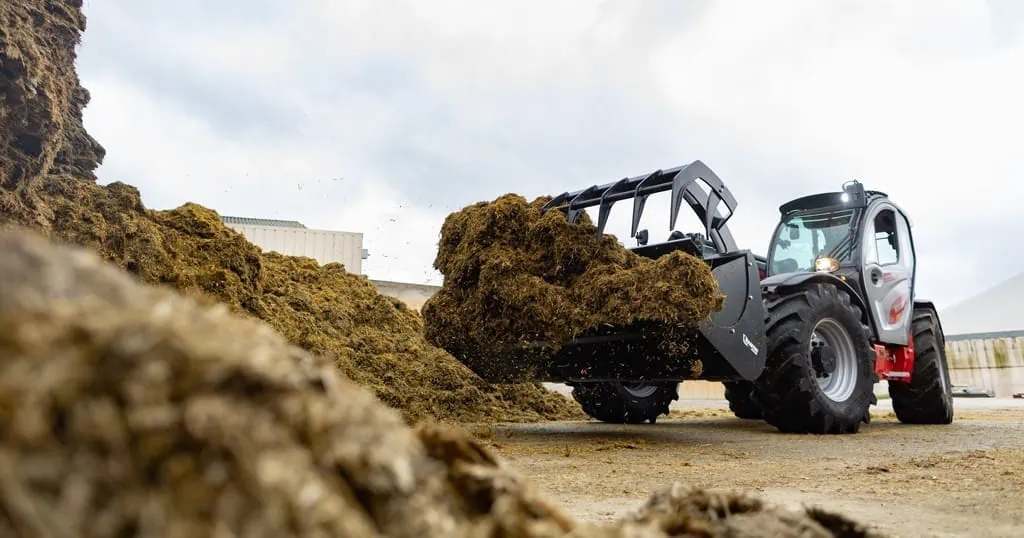
The shift to electric is one of the biggest changes I’ve seen in the industry. It’s no longer a niche market. We get requests for electric models every week. The benefits are just too compelling to ignore. Think about working inside a warehouse or a food processing plant; diesel fumes are a non-starter. With an electric telehandler, you have no emissions.
Consider a construction project in a dense city center with strict noise ordinances; a quiet electric machine can work longer hours without complaints. Beyond that, the maintenance savings are real. There are no engine oil changes, no fuel filters, and far fewer moving parts to break. While the initial purchase price can be higher, the total cost of ownership is often lower. We are heavily invested in this technology and work with clients to choose the right battery capacity and charging system for their specific workflow.
How Do You Choose the Best Telehandler Brand for Your Needs?
You need to buy a new telehandler. Making the wrong choice is a very expensive and long-lasting mistake. A systematic approach ensures you get the right machine for your money.
Look past the sticker price. You must get the machine’s true “Lifting Capacity Chart,” not just the brochure numbers. Evaluate the hydraulic system for smooth control and the boom construction for long-term durability. Most importantly, assess the manufacturer’s willingness to customize.
This is where you can easily get burned. A glossy brochure can make any machine look good. But the real performance is in the details, and as an OEM, we believe you have a right to know them. I’ve seen customers buy machines based on a “max lift” number, only to find it can’t perform the one task they do every day. You have to dig deeper.
Look Beyond the Brochure
The maximum lifting capacity listed in a catalog is measured under perfect, ideal conditions. Your job site is not a perfect lab. You must ask the OEM for the “Lifting Capacity Chart.” This chart is the machine’s true resume. It shows you exactly how much weight it can safely lift at different boom angles and extensions. I always tell my clients to specifically check the capacity when the boom is extended to 70% on a slight slope. This is a real-world test, and the answer will tell you everything you need to know about the machine’s stability and true strength.
Inspect the Boom’s DNA
The boom is the heart of the telehandler. Its lifespan depends entirely on the material and the quality of construction. We use high-strength steels like HG70 and HG785. The thickness of the steel matters. But even more important is the welding. A poor weld is a failure point waiting to happen. Don’t be afraid to ask your OEM for the boom weld inspection report. A reputable manufacturer will have this data and be happy to share it. It’s a sign of transparency and confidence in their product.
Specify for Your Task
If your daily work involves repetitive, heavy tasks, a standard setup will wear out quickly. For example, if you’re using a grapple to handle scrap steel or logs, the boom is constantly extending and retracting under load. This creates huge impact forces. For this, you must specify a system with “telescopic cylinder cushioning and proportional control.” The cushioning absorbs the shock, and the proportional control gives you a smooth, controlled movement. Without it, you will quickly destroy the boom sliders and face costly downtime. This is a simple customization that makes a world of difference.
What About Transport, Boom Lift, and Telematics?
A telehandler is more than its engine and boom. You might overlook critical features that affect daily operations. You need to consider the machine’s entire lifecycle, from transport to data management.
Easy transport saves you time and money. A smooth, precise boom lift is vital for safety. Telematics gives you data on location, usage, and maintenance, helping you manage your fleet proactively and efficiently. These are not luxuries; they are essential features.
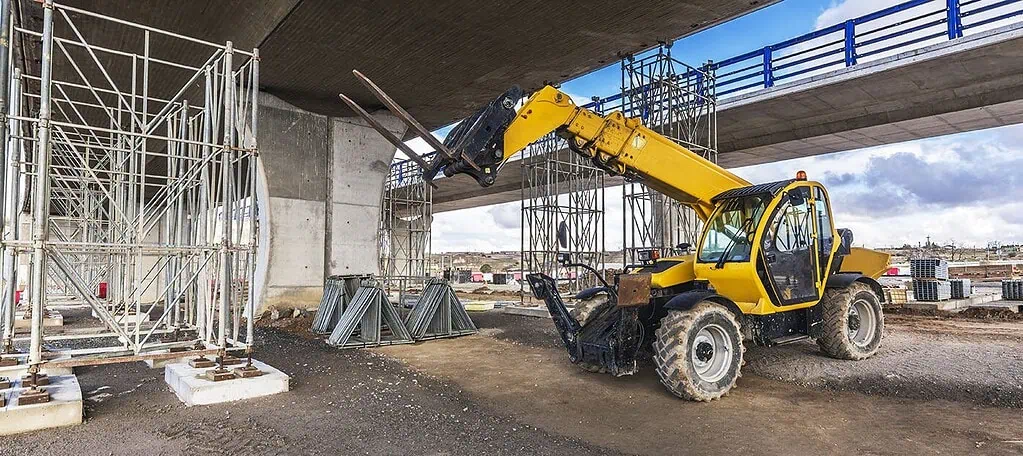
Getting the big things right is important, but these three areas often determine how profitable a machine is for your business. Let’s break them down.
Transport: A machine that’s a headache to move from site to site costs you money every time. When talking to an OEM, discuss the machine’s dimensions and weight. A compact, well-balanced design can mean the difference between needing a special permit and being able to use a standard trailer.
Boom Lift Performance: This is all about the hydraulics. A basic system with a gear pump is cheap but can be jerky and inefficient. For any task that requires precision, like lifting a work platform or carefully placing a pallet on high scaffolding, this is not good enough. I always recommend upgrading to a “load-sensing variable piston pump.” This system delivers power exactly when needed, reducing fuel consumption by 15-20%. When you pair this with an “electro-proportional joystick,” you get millimeter-level control. The movement is so smooth and precise. For aerial platform work, I consider this a mandatory safety feature.
Telematics: This technology has changed how our customers manage their fleets. A simple GPS module can show you where all your machines are in real-time. It can track engine hours, so you know exactly when to perform maintenance. You can even set up alerts for potential issues. This isn’t just about preventing theft; it’s about maximizing uptime and making smart business decisions based on real data.
What Drivetrain and Safety Systems Can You Customize?
Every job site has unique challenges. A standard machine might not be safe or efficient on your specific terrain. Customizing the drivetrain and safety systems is crucial for performance.
You can customize the drivetrain with different engines and tires. More importantly, you must customize safety systems like the oscillating axle lock for slope stability and electronic speed limits for steering modes. These features prevent the most common and dangerous accidents.
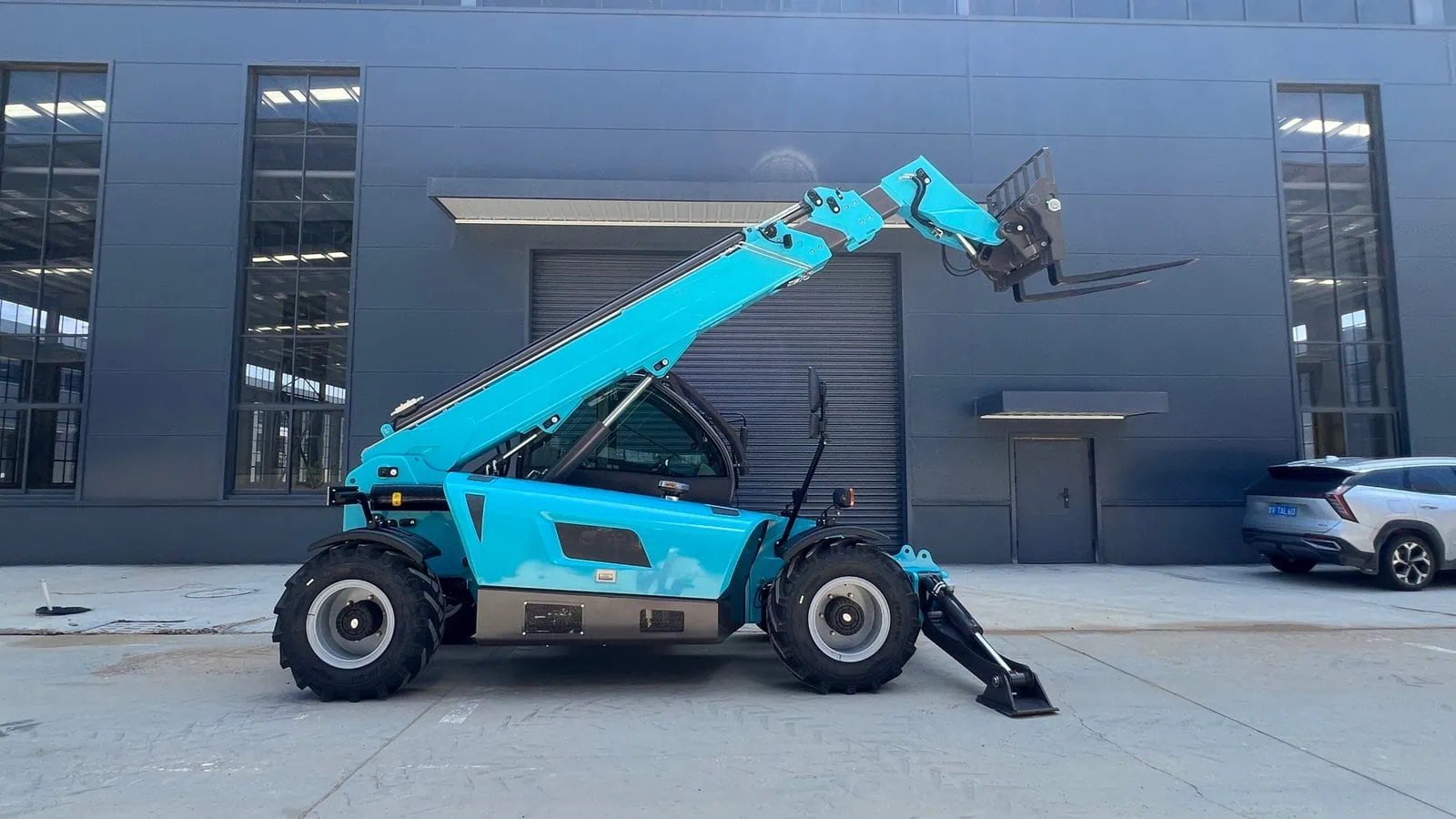
Of all the customizations we do, the ones related to the chassis and safety systems are the ones I am most passionate about. These are the features that keep operators safe. A machine’s power is useless if it’s not stable and controllable. When I discuss a new build with a client, we spend a lot of time on these points.
Essential Safety: Axle Lock
Imagine lifting a heavy pallet on slightly sloped ground. As the weight shifts, the machine starts to lean. On a standard machine, this could be the start of a tip-over. That’s why an oscillating rear axle lock is non-negotiable. This system locks the axle in place, turning the three-point base of the machine into a much more stable four-point base. We offer both manual and automatic locking systems. This single feature dramatically reduces the risk of a lateral overturn, one of the most dangerous telehandler accidents.
Smart Steering, Safe Speeds
All modern telehandlers come with three steering modes: front-wheel (for roads), four-wheel (for tight turns), and crab steer (for moving sideways). The problem is, four-wheel steering is less stable at high speeds. I have heard horror stories of operators taking a sharp turn at speed in four-wheel mode, causing the machine to roll. Many manufacturers overlook this. A responsible OEM must implement an electronic speed limiter that automatically reduces the maximum speed when four-wheel steer is engaged. It’s a simple piece of programming that can prevent a catastrophic failure.
Customizable Safety Features
| Feature | Standard Spec | Recommended OEM Upgrade | Why It Matters |
|---|---|---|---|
| Oscillating Axle Lock | Often optional or not included | Manual or Automatic Lock | Prevents tipping over when lifting on uneven ground. |
| 4-Wheel Steer Speed | Unrestricted | Electronic Speed Limiter | Prevents rollover accidents from sharp, high-speed turns. |
Conclusion
Customization is not a luxury; it’s essential for safety and efficiency. Working directly with an OEM gives you the power to build the perfect machine for your job.
Follow us on :YouTube.