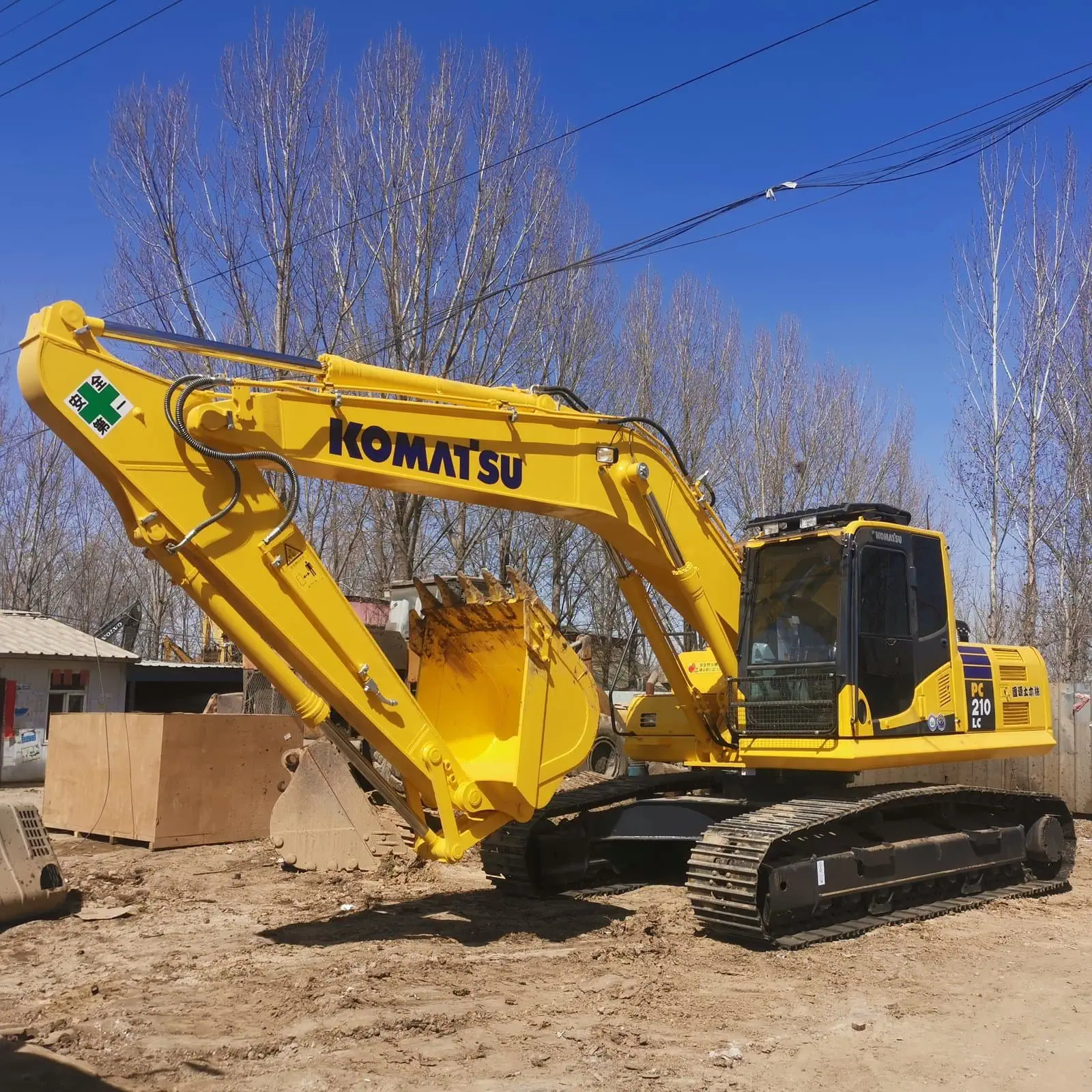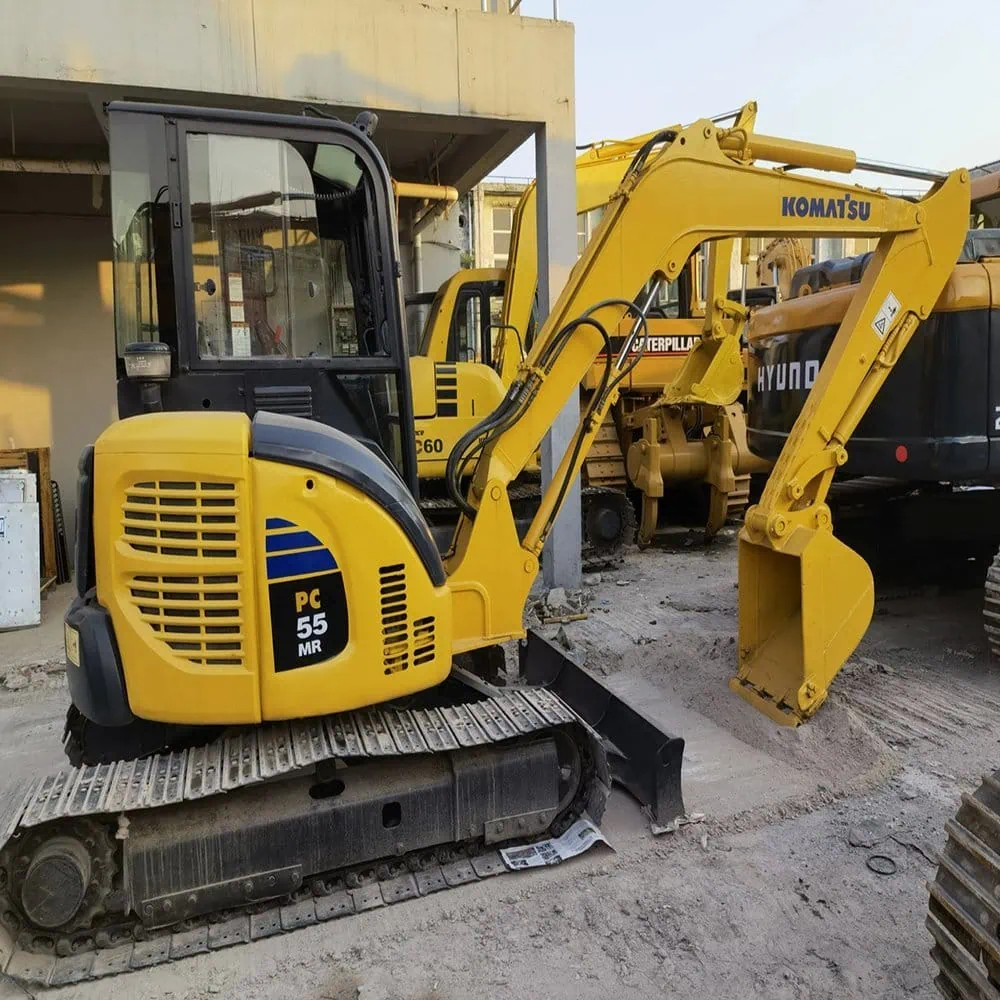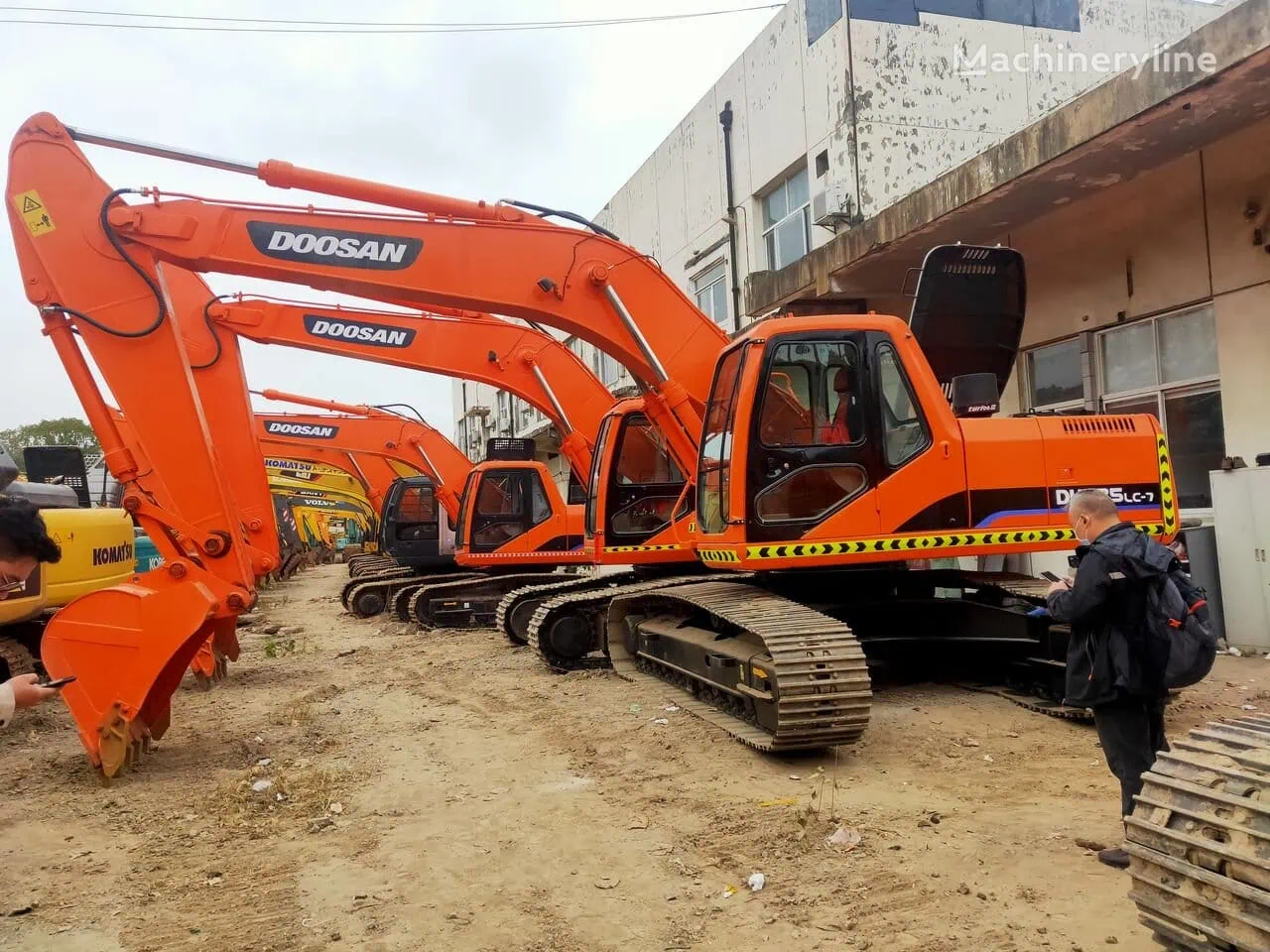
Do you have an excavator that breaks down more than you’d like? Regular maintenance is the preventive medicine that can keep your excavator running and in the dirt instead of the shop for repairs. Do yourself and your machine a favor and keep the maintenance up. Most excavator problems are caused by not performing the easy maintenance that could have prevented the easy failure. Let’s go over some of the basic steps to keep your machine running.
Tired of dealing with unexpected excavator problems and Solutions? Regular maintenance is the solution to preventing costly repairs and downtime. By staying on top of oil changes, fluid checks, and regular inspections, you can extend your machine’s lifespan and improve productivity. Let’s explore the key tasks to keep your excavator in top condition.
So let’s cover the simple tasks you need to perform to keep your excavator running smoothly.
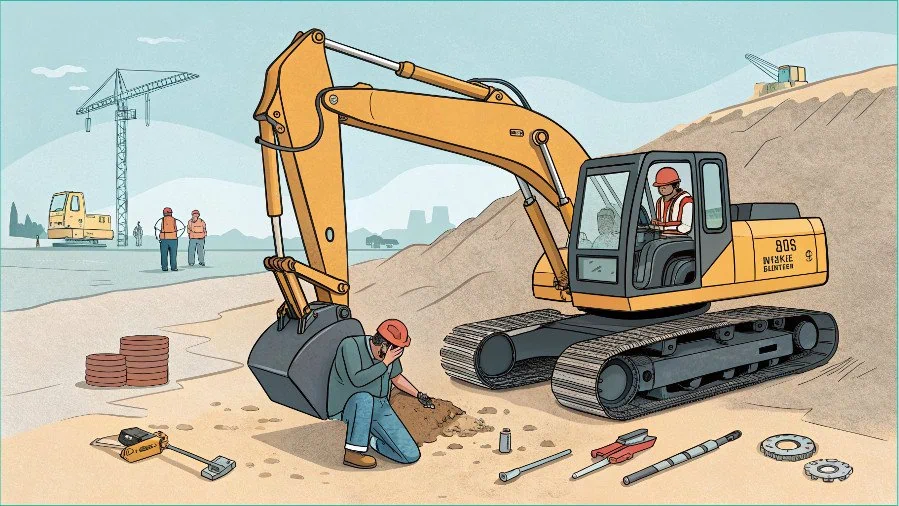
The Role of Regular Maintenance in Preventing Excavator Problems and Solutions
Regular maintenance is an important element for excavator longevity. It helps you catch potential problems when they are small before they become big, expensive problems. Stick to the maintenance schedule, not the equipment manufacturer’s, not the dealer’s, not your buddy’s. Stick to the regular maintenance schedule. It can save you a ton of money on repairs and unnecessary downtime.
How Regular Maintenance Prevents Excavator Problems
| Maintenance Task | Problem Prevented | Solution |
|---|---|---|
| Engine oil change | Engine failure, overheating | Keeps the engine running smoothly, avoiding breakdowns |
| Hydraulic fluid check | Hydraulic system failure | Prevents pressure loss and ensures smooth operation |
| Air filter replacement | Reduced engine performance | Improves airflow and engine efficiency |
| Track maintenance | Track wear and tear | Ensures tracks function properly and extend their life |
| Grease moving parts | Excessive wear and tear on components | Keeps all moving parts lubricated and reduces friction |
Always walk around your excavator before you start it. Check the attachments and pins at the same time you check for loose bolts. Listen to the engine for any signs of distress while it’s running. Watch the gauges for anything unusual while the machine is operating. While you’re working, keep the undercarriage as clean as possible. No mud, dirt, or debris is allowed caked up inside, under, or around the track parts.
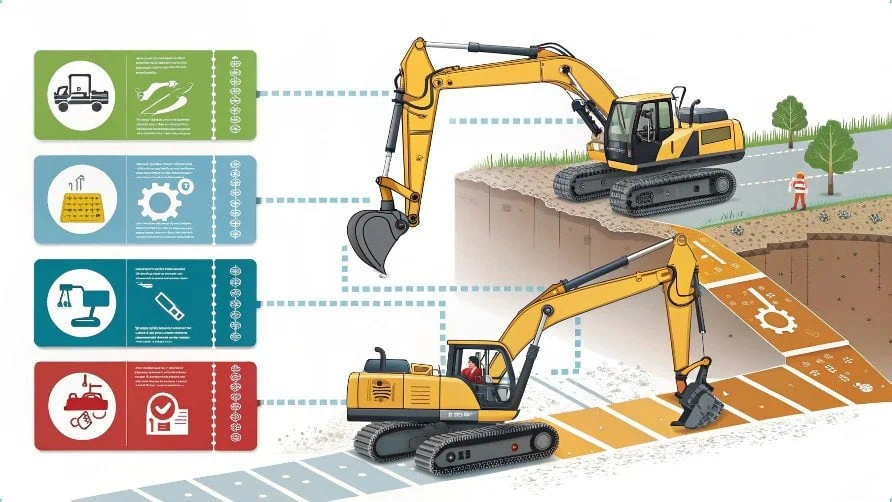
Common Excavator Problems and How Regular Maintenance Prevents Them
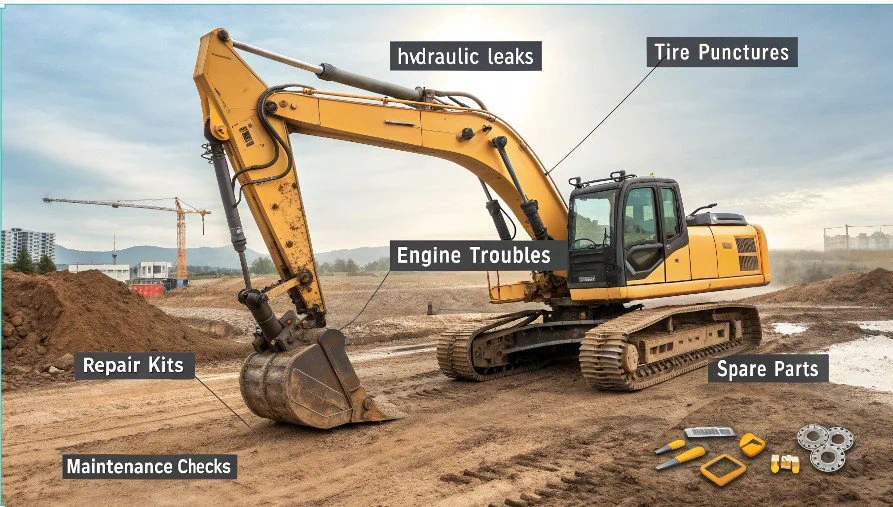
Every excavator, new or used, is going to have issues over time. But many of these issues can be avoided or lessened with regular preventive care. Here are some common problems with an excavator and how regular maintenance can save you from having to make expensive repairs.
Engine Problems
Engine failure is one of the most expensive problems that can happen to your excavator. Here again, it’s also one of the most preventable failures you can have with an excavator. An excavator engine runs oil through it to stop the surfaces rubbing together.
| Common Engine Problem | Cause | Prevention |
|---|---|---|
| Overheating | Low oil levels, clogged filters | Regular oil changes and air filter replacements |
| Poor fuel efficiency | Dirty fuel injectors, low-quality fuel | Fuel system cleaning and proper fuel quality monitoring |
| Stalling or misfiring | Ignition system faults | Routine inspections and maintenance of the ignition system |
| Excessive smoke from exhaust | Oil leaks or combustion problems | Regular inspections of engine components |
Your engine. Change the oil. Without proper oil and filter maintenance, an excavator engine can lose efficiency and overheat, causing major damage and downtime. You can’t afford an engine replacement, so change the oil and filters on schedule.
Hydraulic System Failures
Hydraulic system – As I said, your excavator uses hydraulics to extend and retract the arm and regulate the torque on the tracks. Everything is done with hydraulics rather than gears or cables. By not changing the hydraulic fluid, you’ll damage the unit due to a lack of heat and pressure control.
| Hydraulic Problem | Cause | Prevention |
|---|---|---|
| Loss of pressure | Low or contaminated hydraulic fluid | Regular fluid checks and filter replacements |
| Leaks | Worn seals and gaskets | Regular inspection and seal replacements |
| Slow operation | Dirty or degraded fluid | Proper filtration and fluid replacement |
| Lack of responsiveness | Air in the hydraulic system | Purging air from the system and fluid replacement |
Hydraulic system – As of right now, your hydraulic system on your excavator has pistons and jacks that make it go up and down, that move the bucket, and so on. It has hoses with hydraulic fluid that operate it, rather than gears or cables. All these hoses and fittings cost money, and typically, if you’re breaking them all the time, you’re doing something wrong.
Track and Undercarriage Issues
Tracks and undercarriage – Dirt and rocks inside the undercarriage can’t get out no matter how big the machine is. They didn’t build a trench, vertical line in there for the dirt and rocks to fall down into a trailer at the end of the day.
| Track Problem | Cause | Prevention |
|---|---|---|
| Excessive wear | Lack of lubrication, poor soil conditions | Regular track inspection and lubrication |
| Uneven wear | Improper weight distribution | Load management and proper track alignment |
| Track alignment issues | Misaligned tracks | Periodic track adjustment and inspection |
| Track chain failure | Overloading or poor maintenance | Regular cleaning and proper tension checks |
In addition to periodic inspections, proper lubrication and maintaining track tension can elongate the life of your tracks. This is especially true in rugged construction environments that place heavy wear on your excavator.
Key Maintenance Tasks to Prevent Excavator Problems
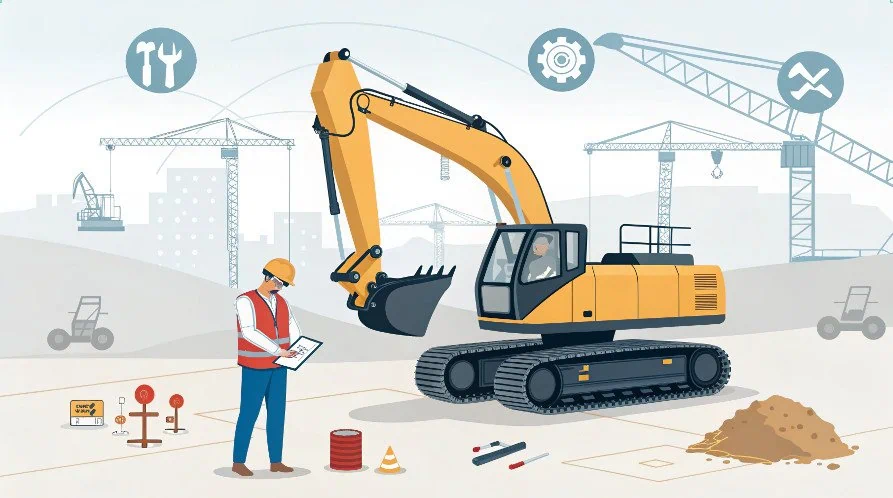
To prevent these frequent excavator ailments, there are several maintenance items that need to be done regularly. These tasks are both easy to perform and extremely effective in preventing expensive repairs.
Essential Excavator Maintenance Tasks
| Maintenance Task | Frequency | Purpose |
|---|---|---|
| Oil Change | Every 250-500 hours | Lubricates engine components, prevents overheating |
| Hydraulic Fluid Check | Every 500 hours | Prevents fluid contamination, ensures system efficiency |
| Track Inspection | Every 250-500 hours | Prevents excessive wear and tear on tracks |
| Greasing | Every 100 hours | Lubricates moving parts to reduce friction |
| Air Filter Replacement | Every 500 hours | Ensures proper airflow, improves fuel efficiency |
| Coolant Level Check | Every 250 hours | Prevents overheating and engine damage |
by completing pre-use inspections daily and correlating those findings to the planned maintenance schedule. These regular tasks will prevent the problems from developing into major, expensive repairs. Another example is greasing moving parts every 100 hours. This is to avoid any friction-related problems that would prematurely wear out the components. Another example is changing the air filter. We do it because we know if we don’t our engine will not get enough clean air. If the engine doesn’t get clean air, then the engine has operational problems.
Signs of Neglected Maintenance and Potential Excavator Problems and solutions
If you let the maintenance slide, things can go to heck pretty quick. Here are the indicators of neglect that suggest you are about to have a severe issue on your hands:
| Sign of Neglect | Potential Problem | Solution |
|---|---|---|
| Unusual engine noise | Engine problems or overheating | Perform oil change and inspect engine |
| Leaks from hydraulic system | Hydraulic system failure | Inspect and replace seals and fluid |
| Sluggish movement | Track or undercarriage problems | Lubricate tracks and check alignment |
| Excessive smoke from exhaust | Combustion problems or oil leaks | Check fuel and engine systems |
Ready to catch signs of trouble as soon as the symptoms are there. For example, if I hear a peculiar noise in the engine, that might be the sound of the engine starving for oil. If not corrected, we may burn up the engine.
Benefits of Regular Maintenance: Cost-Effectiveness and Longevity
The thing we like about preventive maintenance is that it is cheaper than neglect. Everything we do here prevents a problem and saves us money versus not doing it and having a major repair later. That’s the big deal. Here are the benefits in summary:
Cost Savings
| Benefit | Description | Impact |
|---|---|---|
| Reduced Repair Costs | Prevents major breakdowns by identifying small issues early | Saves money on large-scale repairs |
| Longer Equipment Life | Keeps the excavator running smoothly for years | Delays the need for replacement, maximizing your investment |
| Lower Downtime | Reduces machine downtime due to unexpected issues | Increases productivity and reduces lost revenue |
Increased Productivity
A well-maintained machine is more efficient and less likely to break down. That means you enjoy fewer interruptions in your work day, higher productivity, and fewer project completion delays.
Improved Resale Value
A well-maintained machine has a higher resale value. People are more likely to buy a machine that’s been well-maintained than one that hasn’t.
Best Practices for Excavator Maintenance
To ensure the best performance and avoid costly breakdowns, it’s vital to follow a set of established best practices for maintaining an excavator. By developing the habits we talked about in this post, you not only extend the life of your machine but also operate at peak efficiency and minimize downtime. Let’s review the habits that contribute to that:
| Best Practice | Action | Benefit |
|---|---|---|
| Create a Maintenance Log | Keep track of all maintenance tasks and dates | Helps with future servicing and resale |
| Schedule Regular Inspections | Inspect the machine before and after each use | Detects issues early, preventing downtime |
| Use Professional Help When Needed | Hire a professional mechanic for complex issues | Ensures high-quality repairs and diagnostics |
Conclusion
The moral of common excavator problems and solutions is regular maintenance. Remember, everything is interconnected. Your machine will only be as good as the maintenance you put into it. When issues arise, don’t wait to correct them. Keep up with your maintenance and make repairs as issues arise. By doing this, the life-expense of your machine will be extended, your repair costs will be reduced, and you’ll minimize downtime. Start today doing these things and your machine will continue to work well for you for years to come.
Follow us on :YouTube.