Are you tired of wasting time and energy moving materials? Telehandlers are the solution you need! If you’ve ever struggled to reach high places or navigate rough terrains with traditional equipment, a telehandler could transform your work. Let’s explore why this versatile machine is a game-changer.
A telehandler is a powerful piece of machinery that combines the features of a forklift and a crane. It can lift heavy loads to great heights, while also reaching across long distances. Whether you’re in construction, agriculture, or industrial work, understanding what is a telehandler and knowing what features to look for will help you make an informed decision. Learn more about its benefits, key specifications, and the features that make it a must-have in many industries.
Now, let’s dive deeper into what makes a telehandler such an essential tool and how to choose the right one for your needs.
I. What is a Telehandler?
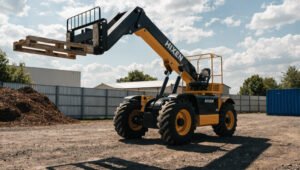
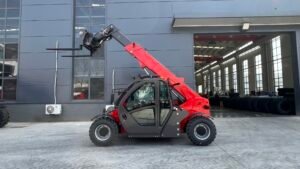
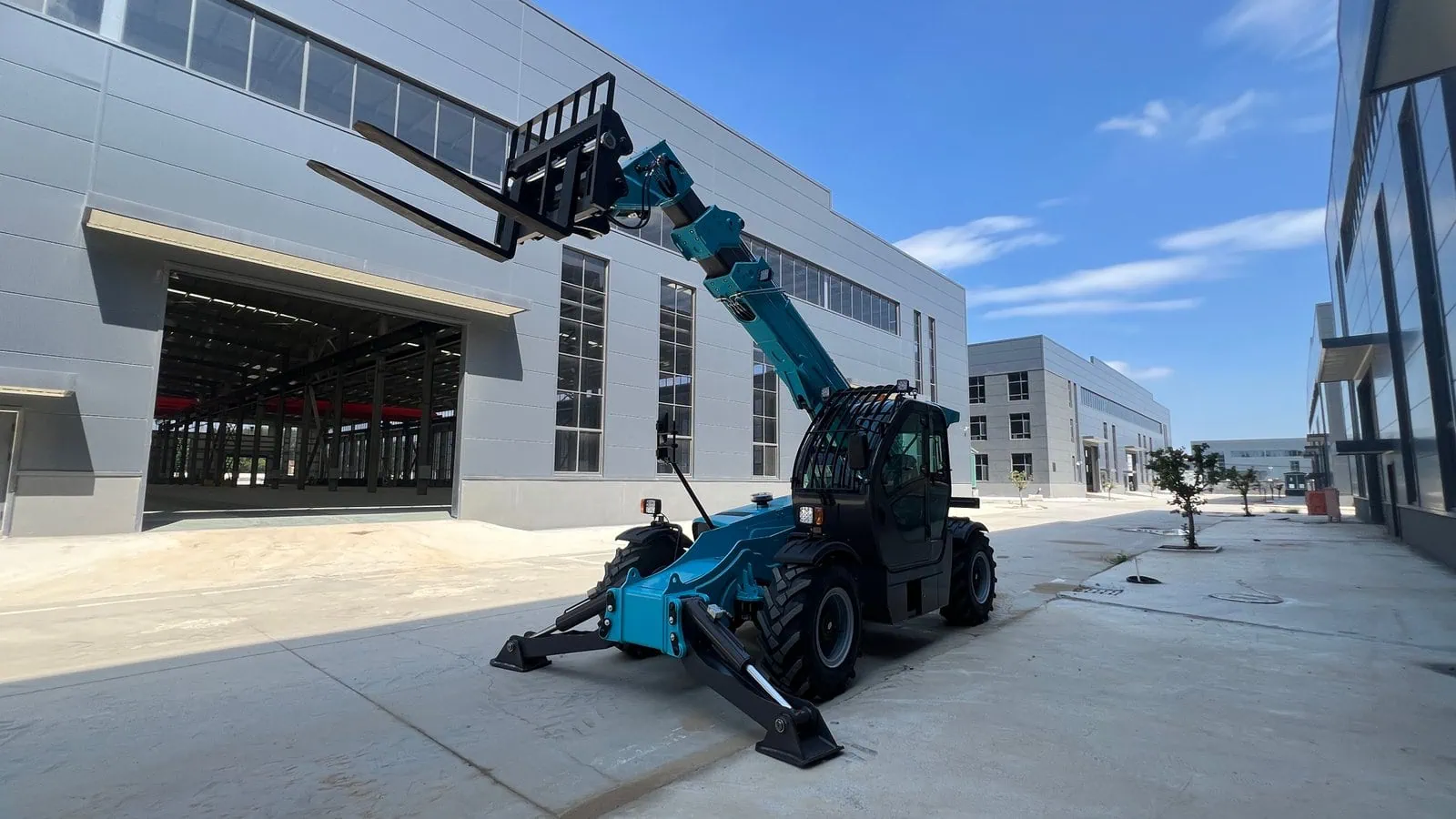
So, what is a telehandler? In simple terms, a telehandler is a highly versatile machine that combines the capabilities of both a forklift and a crane. It’s designed with a telescopic boom, allowing it to extend and retract like a telescope. This feature gives it the ability to lift heavy loads to significant heights, making it a perfect solution for construction sites, farms, and industrial operations.
Unlike traditional forklifts, which can only move goods horizontally, the telehandler can lift and extend materials both vertically and horizontally. Think of it as a mini crane that has the versatility of a forklift. The extendable boom allows operators to place materials in hard-to-reach areas, which is something that forklifts simply can’t do.
Here’s a table that highlights the basic features of a telehandler and some of its most important capabilities:
| Feature | Details |
|---|---|
| Function | Combines the lifting power of a crane with the carrying ability of a forklift |
| Key Component | Telescopic boom (extends and retracts for vertical and horizontal reach) |
| Common Applications | Construction, agriculture (e.g., lifting hay bales), industrial work (e.g., warehouses) |
| Height Range | 20 to 60 feet, depending on the model and application |
| Load Capacity | Typically ranges from 4,000 to 12,000 lbs, based on size and model |
| Maneuverability | Four-wheel drive and multiple steering modes, allowing it to work in tight spaces |
| Attachments | Can be fitted with various tools like forks, buckets, and lifting platforms |
How Does a Telehandler Work?
Understanding the basic concept of what is a telehandler is important, but knowing how it works is key to understanding its real value. The key to a telehandler’s versatility lies in its telescopic boom. This arm can extend horizontally and vertically, allowing the operator to reach difficult spots. Whether you’re lifting materials to the top floor of a building or moving items across a construction site, the boom provides the flexibility to reach far distances and high altitudes.
- Boom Operation: The boom can extend or retract with precision, which allows for accurate placement of heavy loads.
- Fork Attachment: The most common attachment for a telehandler is the fork, which is similar to the forks of a standard forklift. These forks can be adjusted to different heights to carry large loads.
- Other Attachments: Depending on the worksite, a telehandler can be fitted with different attachments, such as a bucket for scooping materials or a platform for lifting workers.
I’ve used different telehandlers with varying boom lengths and attachments. The flexibility in how it can be adapted to different tasks makes it indispensable. For example, when I worked on a farm, we used the telehandler with a bucket to scoop up dirt and transport it to other areas of the field. Later, we swapped the bucket out for forks to move hay bales. This adaptability saved us the trouble of needing separate equipment for each job.
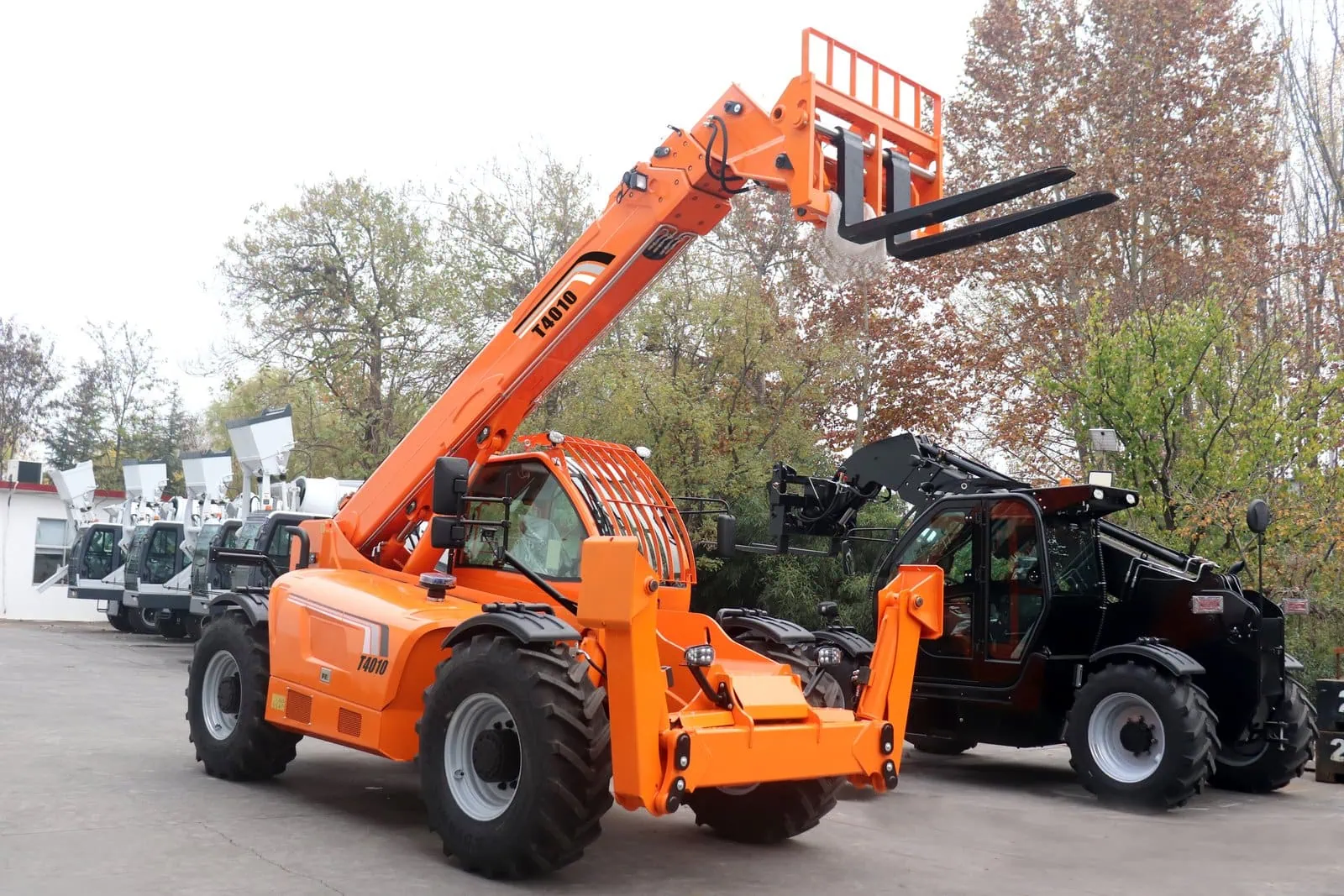
II. Benefits of Using a Telehandler
Now, you might be asking, “Why would I want to use a telehandler?” I’ve found that this machine has a lot of benefits, especially when compared to other heavy machinery like forklifts. Here’s why:
- Versatility: You can use a telehandler with many attachments. You can switch between a bucket, forks, or a platform in just a few minutes. I’ve used them for everything from lifting pallets to scooping up dirt.
- Efficiency: When I was managing a site, the telehandler saved us hours of work each week. It could do tasks that would take multiple machines in one go.
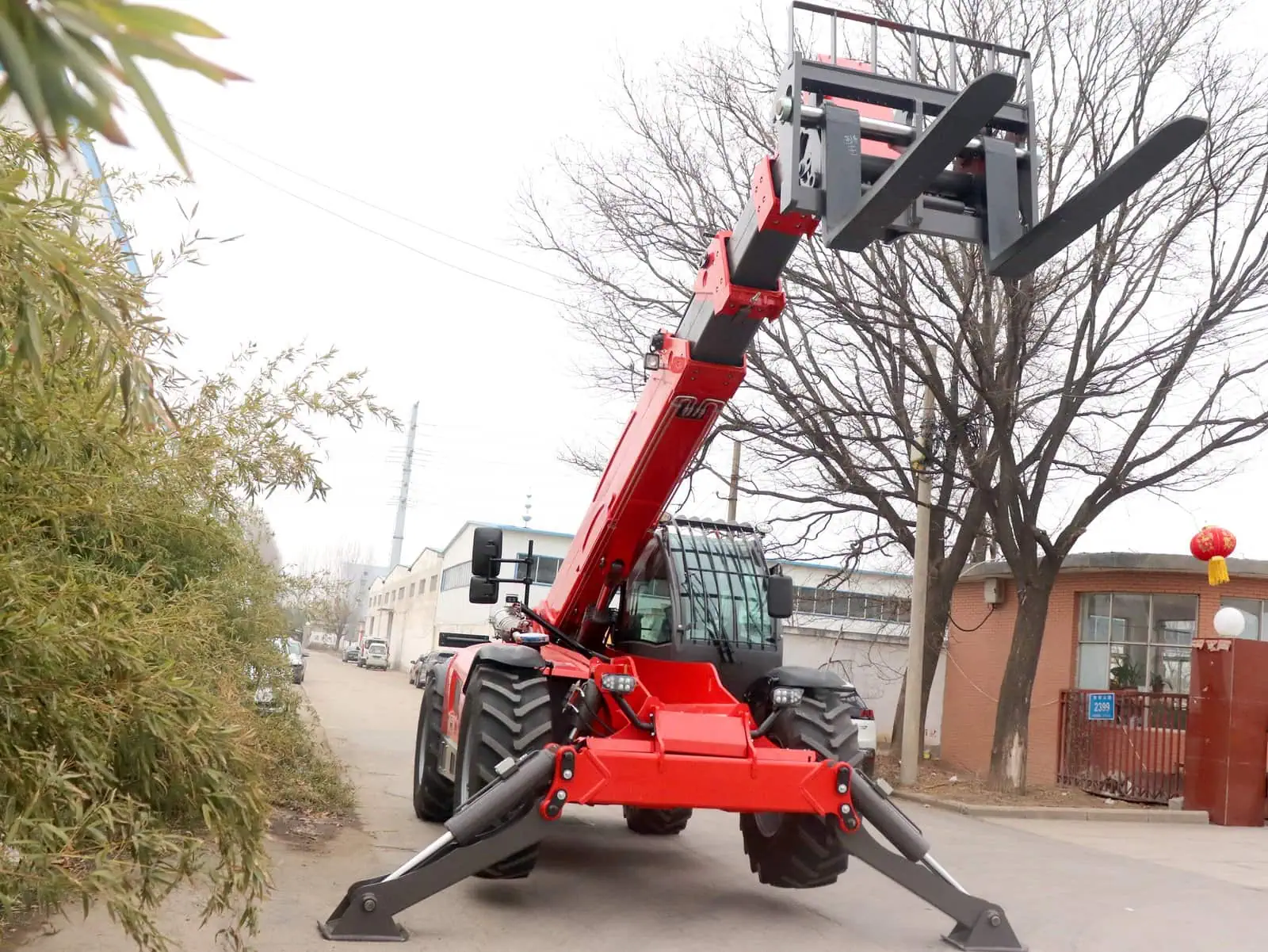
- Safety: The telehandler has stabilizers and load sensors. It’s safer than a forklift because it can handle uneven ground and lift heavy materials without tipping.
Here’s a table of the benefits based on the industry you work in:
| Industry | Benefits of a Telehandler |
|---|---|
| Construction | Reach high floors, work in narrow spaces, lift heavy loads |
| Agriculture | Move hay bales, grain, and equipment across fields |
| Warehousing | Handle pallets in tight spaces, use various attachments |
| Mining | Lift heavy equipment, work on rugged terrain |
III. What Features Should You Look for When Buying a Telehandler?
When it comes to buying a telehandler, there are a few key features I always consider. It’s easy to get lost in all the technical details, but I’ve learned that focusing on these areas helps make the right decision.
1. Lift Capacity and Reach
When I first bought a telehandler, I didn’t realize how much the lift capacity would matter. If you’re lifting heavy materials, you need a machine that can handle the weight. The reach is just as important. Some jobs require reaching 40 feet, while others need more.
Here’s a quick guide to help you choose:
| Lift Capacity | Best For |
|---|---|
| 4,000 to 6,000 lbs | Smaller construction sites, light materials |
| 6,000 to 10,000 lbs | Medium to large construction, agriculture |
| 10,000 to 12,000 lbs | Heavy-duty work, large construction sites |
| Reach | Best For |
|---|---|
| 20 to 30 feet | Small jobs, tight spaces |
| 30 to 50 feet | Average construction and farming |
| 50 to 60 feet | Tall buildings, large projects |
2. Engine Power and Fuel Efficiency
When I worked on various job sites, I noticed that the fuel efficiency of a telehandler made a huge difference in costs. Diesel engines are common, but some telehandlers run on electricity or hybrid systems. I prefer diesel for heavy work, but if you’re working indoors, an electric model might be more suitable.
Here’s a table comparing power and fuel types:
| Engine Type | Best For |
|---|---|
| Diesel | Heavy lifting, outdoor use |
| Electric | Indoor use, smaller workspaces |
| Hybrid | Balance between power and fuel efficiency |
3. Maneuverability and Size
One thing that stands out when you use a telehandler is how easy it is to move around. Whether you’re in a field or on a construction site, a compact design can make your work more efficient. And, if the ground is rough, you’ll want to make sure the telehandler has four-wheel drive.
Here’s how size and maneuverability affect your choice:
| Size | Best For |
|---|---|
| Compact | Tight spaces, smaller worksites |
| Standard | Larger spaces, general construction use |
| Heavy Duty | Rough terrain, large scale construction |
| Drive Mode | Best For |
|---|---|
| 2WD | Flat surfaces, light loads |
| 4WD | Rough terrain, heavy-duty work |
4. Attachments and Versatility
The telehandler’s ability to switch attachments is one of its biggest strengths. I’ve used a bucket to scoop gravel, a platform to lift workers, and forks to move pallets. The ability to change tools quickly saves time.
Here are some of the most common attachments:
| Attachment | Best For |
|---|---|
| Forks | Lifting and moving pallets |
| Bucket | Moving dirt, gravel, sand, and other materials |
| Lifting Platform | Working at heights safely |
5. Cab Comfort and Controls
If you’re going to be operating a telehandler for hours, you’ll want it to be comfortable. I always look for models with adjustable seats, good visibility, and easy-to-use controls. The easier it is to use, the less fatigue you’ll experience during the day.
Here’s what I consider for comfort:
| Feature | Importance |
|---|---|
| Ergonomic Design | Reduces fatigue, especially on long shifts |
| Visibility | Helps with safety and maneuvering |
| Adjustable Seats | Customizes comfort for different operators |
6. Safety Features
The last thing you want is for the telehandler to become unsafe. Over the years, I’ve learned that safety features like load sensors, anti-rollover systems, and stabilizers are essential for preventing accidents.
Check out the most common safety features:
| Safety Feature | Purpose |
|---|---|
| Load Sensors | Prevents overloading and tipping |
| Stabilizers | Keeps the telehandler stable during heavy lifts |
| Anti-rollover System | Prevents tipping in difficult conditions |
7. Maintenance and Durability
Lastly, look for a telehandler that’s easy to maintain. Regular maintenance can prevent expensive repairs later. I’ve always preferred machines that make it easy to reach and fix parts, especially in the engine compartment.
Here’s a table to guide you on what to look for:
| Feature | Importance |
|---|---|
| Easy Maintenance | Reduces downtime and repair costs |
| Durability | Ensures the machine lasts in tough conditions |
IV. Factors to Consider Before Making a Purchase
Now that you know what is a telehandler and its features, here are a few more things I always think about before buying:
1. Budget Considerations
It’s important to keep the budget in mind. A telehandler can be a big investment, but it’s worth it if it meets your needs. I’ve found that the most expensive models often pay off in the long run with durability and low maintenance costs.
2. Brand Reputation and After-Sales Support
I always check the brand’s reputation. Some brands offer great after-sales service, which is important if you ever need repairs or parts.
3. New vs. Used Telehandlers
I’ve bought both new and used telehandlers. New machines come with warranties, but used ones can be a great bargain if they’ve been well-maintained.
4. Warranty and Service Plans
Having a warranty is crucial. It gives you peace of mind knowing that repairs will be covered.
V. Conclusion
In conclusion, a telehandler is a versatile and efficient piece of equipment. Whether you’re in construction, agriculture, or another industry, it can save time, reduce labor costs, and improve safety. By focusing on lift capacity, engine power, attachments, and safety features, you can choose the right one for your needs. Always make sure to check your budget and consider the long-term costs of maintenance. I hope this guide helps you understand what is a telehandler and how to pick the best one for your business.
Follow us on :YouTube.