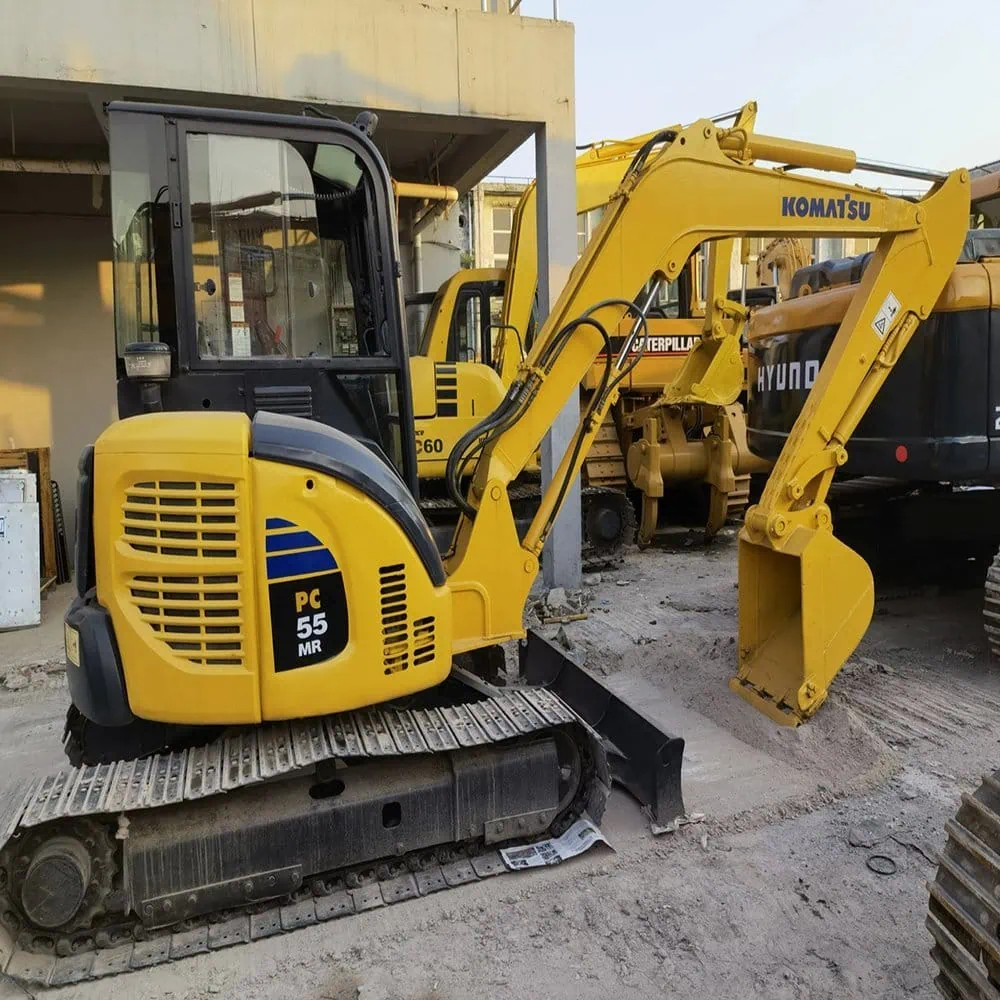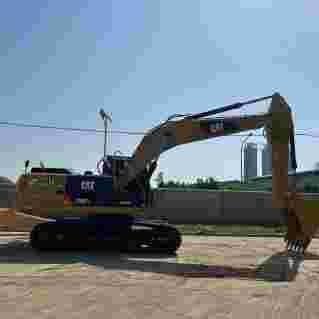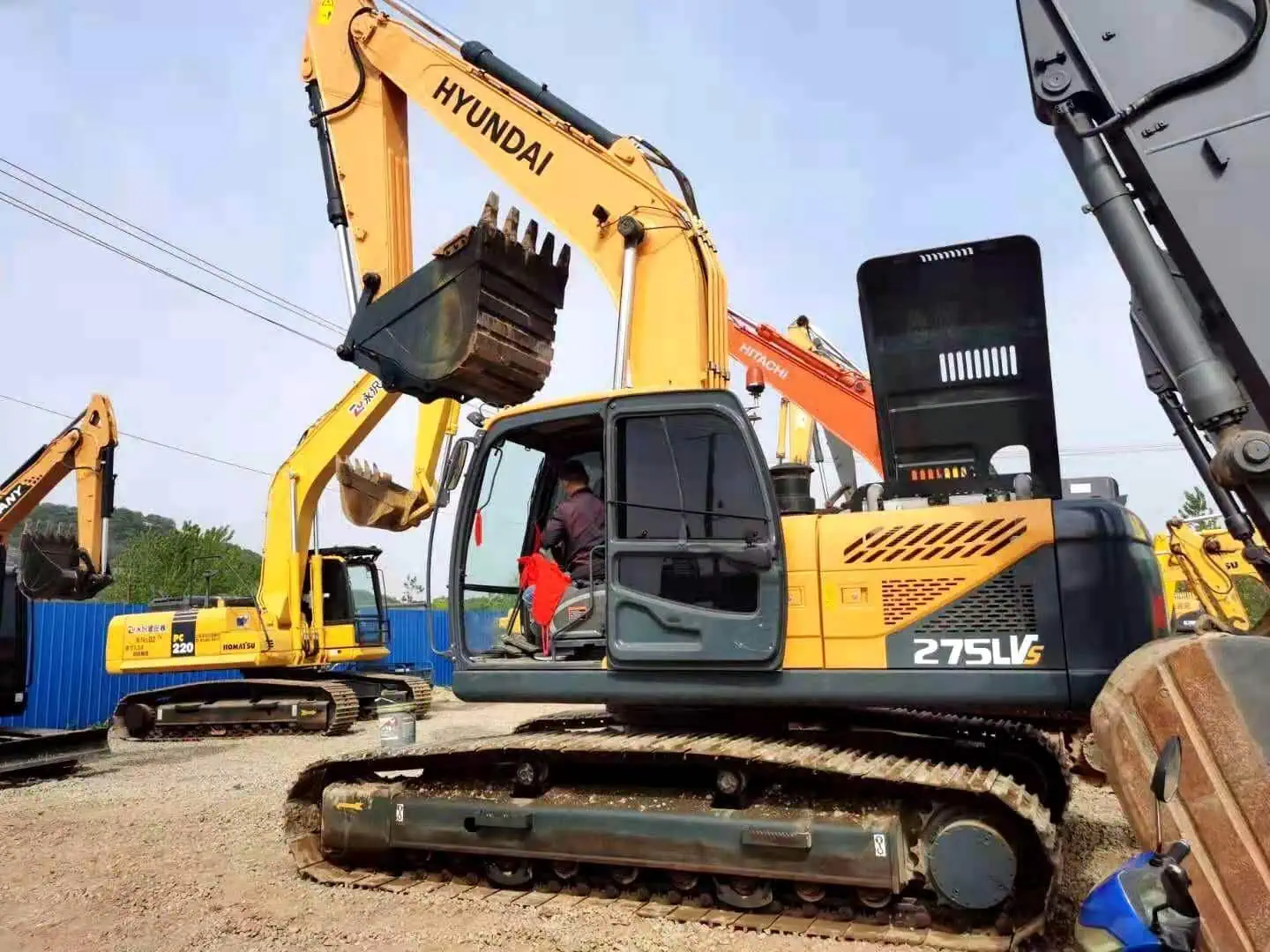
Without knowing how long your excavator will last, you could be in for unexpected repair bills or the need to replace your machine, costing you more in the long run. In this article we’ll cover the lifespan of excavator and how you can get the most out of your investment by extending its life as long as possible with proper care.
When purchasing an excavator, understanding its lifespan is essential to make an informed decision. An excavator’s life is measured in operational hours, typically ranging between 10,000 and 20,000 hours depending on the brand, usage, and maintenance. In this guide, we will explain the key factors affecting lifespan, how to evaluate a used excavator’s remaining life, and tips for extending its service life.
Now, let’s dive into the factors that determine how long an excavator will last and what you can do to make sure yours lives as long as possible.
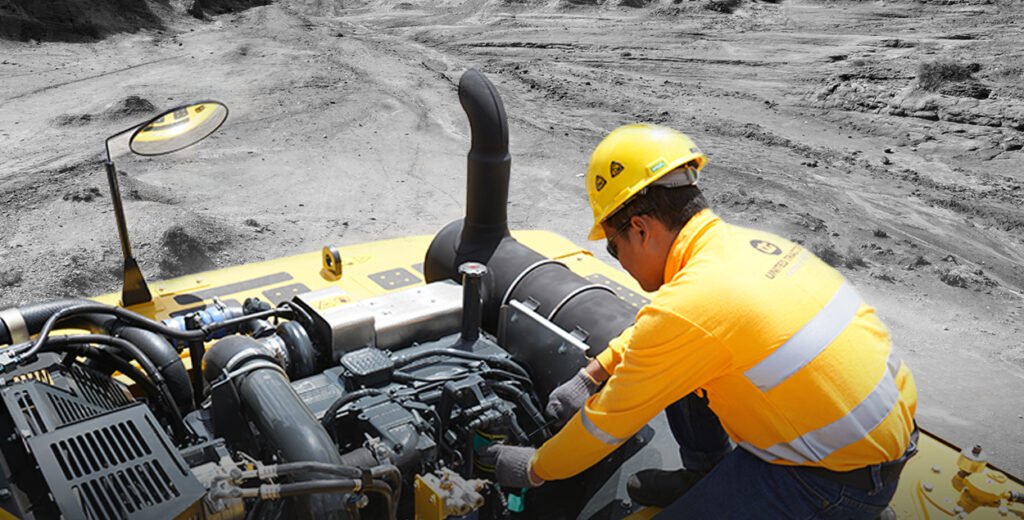
What is the Average Lifespan of Excavator?
The life of an excavator is typically talked about in terms of hours used rather than years. A well-maintained excavator averages from 10,000 to 20,000 hours of life. This can vary by make, model, usage, and the environment the machine is used in.
New vs. Used Excavators:
New Excavators:If you buy a new one, it’s going to last upwards of 20,000 hours or more if
you maintain and take care of the machine. The reason brands like Caterpillar, Komatsu, and Volvo are so popular is because they build heavy tanks, and they are going to last a long time with few problems.
Used Excavators:A used machine is going to last you from 5,000-15,000 hours. The thing is, how much machine does it have left in it? It depends on how well it was taken care of, how it was used before you got it, and then how it is seasoned up now.
| Condition | Average Lifespan (in hours) | Factors Affecting Lifespan |
|---|---|---|
| New Excavator | 18,000 – 20,000 hours | Brand quality, maintenance, usage |
| Used Excavator | 5,000 – 15,000 hours | Past maintenance, usage intensity |
Key Factors That Affect the Lifespan of Excavator
Several factors determine how long an excavator will last. Understanding those factors helps you better manage your machine, but they also will help you decide which machine you should purchase based on expected life.
Usage Frequency and Intensity
If you use it more, or use it harder, you’re going to wear it out faster. If you’re doing light landscaping with it, you’re going to get more life out of it than if you’re using it as your main digger on a construction site or for heavy lifting. If you’re running the piss out of it every day, you could see a few thousand hours and start to see problems.
| Usage Type | Average Lifespan (in hours) | Effect on Longevity |
|---|---|---|
| Light Use | 15,000 – 20,000 hours | Longer lifespan, less strain |
| Heavy Use | 5,000 – 10,000 hours | Shortened lifespan, quicker wear |
Maintenance and Repairs
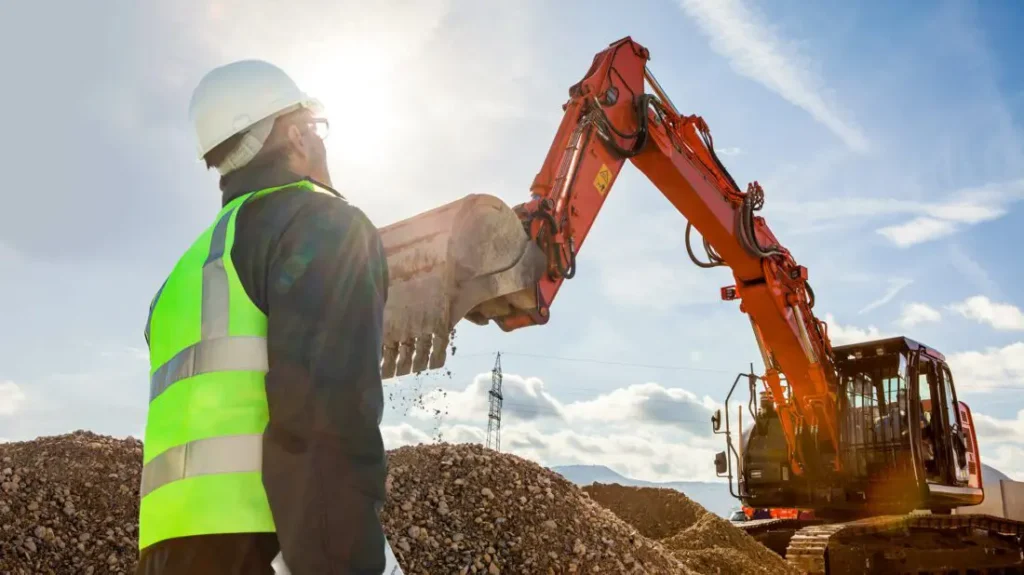
The key to making it last a long time is all about how you maintain it. If you get it serviced and change the oil, check the hydraulic fluid, and watch the undercarriage, she’ll last forever. Flip side: don’t maintain it, and you cut its life in half.
| Maintenance Task | Recommended Frequency | Impact on Lifespan |
|---|---|---|
| Oil Change | Every 250 – 500 hours | Prevents engine wear, extends machine life |
| Track Inspection | Every 1,000 hours | Reduces wear on undercarriage |
| Hydraulic System Check | Every 2,000 hours | Prevents leaks, enhances operational efficiency |
Working Environment
Where the excavator works also drives hours.If you’re in Arizona and it’s dry and dusty, you’re going to wear more parts out sooner than the shop in Wisconsin because dry, dusty parts environments wear out faster.
| Working Conditions | Average Lifespan (in hours) | Impact on Longevity |
|---|---|---|
| Harsh Environments | 5,000 – 8,000 hours | More rapid wear, increased maintenance needs |
| Controlled Environments | 10,000 – 15,000 hours | Extended lifespan, fewer repairs |
Brand and Model Considerations
The next thing to consider is the brand. If it’s a reputable brand like Caterpillar, Komatsu, and Volvo, they build a machine to last longer because they use better materials, they put more into the technology, and they build it better. If you compare two machines side by side, all things being approximately equal, the expected life would be higher with a better model. So, you need to compare the models.
| Brand | Average Lifespan (in hours) | Reputation for Durability |
|---|---|---|
| Caterpillar | 18,000 – 20,000 hours | Known for durability and longevity |
| Komatsu | 15,000 – 18,000 hours | Excellent reliability, strong engineering |
| Volvo | 12,000 – 16,000 hours | Durable, particularly in mining applications |
Signs Your Excavator is Nearing the End of Its Lifespan
Three signs tell you it’s getting close to time to make a decision on whether to fix something major or call it a day: the machine costs you more than it’s making you, you can’t get parts for it, or the components are just worn out.
- Frequent engine issues: When an engine malfunctions, overheats, or begins to consume oil at an excessive rate, the wear and tear is usually beyond anything you can fix.
- Frequent hydraulic system failures: At this point, the machine is telling you it’s about time for a major repair.
- Undercarriage damage: The undercarriage and tracks are hugely important when it comes to an excavator’s stability. If you start to see significant damage in that area, you’re quickly approaching the point of needing a lot of money to bring the machine back up to snuff.
| Sign of Wear | Cause | Solution |
|---|---|---|
| Engine Issues | Worn-out engine components, poor maintenance | Engine overhaul or replacement |
| Hydraulic Failures | Leaks or damaged hoses | Hydraulic system repair or replacement |
| Undercarriage Wear | Track damage, wear from rough terrain | Replace tracks, inspect undercarriage regularly |
How to Extend the Lifespan of Your Excavator
Proper care of your excavator can add years to its life. Regular maintenance, gentle operation, and repairing anything needing attention will help you get the most work out of your machine.
Regular Maintenance
Make sure staff is checking the condition of your undercarriage during daily maintenance. That includes the condition of the rollers and idlers, and taking a look at the sprockets every once in a while to make sure nothing is wearing the teeth. If you notice excessive rust or debris buildup, you should have someone pressure wash the track frames and undercarriage to keep things clean and cool.
| Maintenance Task | Recommended Frequency | Effect on Lifespan |
|---|---|---|
| Oil & Filter Change | Every 250 – 500 hours | Prevents internal wear |
| Undercarriage Inspection | Every 500 hours | Avoids premature wear and tear |
| Coolant & Hydraulic Fluid Check | Every 1,000 hours | Ensures smooth operation and prevents breakdowns |
Upgrade Key Components
Again, understand key components such as your undercarriage, tracks, hydraulic system, and engine may need to be updated and replaced at some point, especially on a machine a few model years under your current machine. By replacing worn parts with quality parts you can add years of use to your excavator.
| Component | Upgrade Timing | Impact on Lifespan |
|---|---|---|
| Hydraulic System | Every 5,000 hours | Prevents major hydraulic failures |
| Undercarriage | Every 7,000 hours | Reduces strain on machine, prolongs life |
| Engine Overhaul | Every 10,000 hours | Restores engine efficiency, avoids breakdowns |
Proper Operating Practices
Best practices also dictate that operators should never overload the machine, because that’s a good way to kill major components. Use the machine at the correct speed and capacity to add working life.
| Best Practices | Impact on Lifespan |
|---|---|
| Avoid Overloading | Reduces stress on engine, undercarriage, and hydraulics |
| Smooth Operation | Minimizes wear, improves component longevity |

Evaluating the Lifespan of Used Excavator
Take the maintenance records and service hours into account. If the machine only has 500 hours of service, it has a lot of life left. If it has 5,000 hours of service, the machine is going to need some work. The key is to balance the price you buy it at and how much it is going to cost you to get it to where it needs to be with your desired service life.
- Check Operating Hours – Less hours typically means longer life
- Service History – If you have maintenance records, it’s easier to judge how well a machine was maintained.
- Professional Inspection – The best source of information on a piece of equipment is a mechanic who can check the engine, hydraulics, and other key systems.
| Factor | Impact on Lifespan |
|---|---|
| Operating Hours | Fewer hours means more remaining life |
| Service Records | Well-maintained machines last longer |
| Inspection | Ensures you’re not buying a machine with hidden issues |
Comparing Lifespan Across Different Excavator Models and Brands
Different models from various manufacturers come with different lifespans. Here’s how some of the top brands and models compare:
| Brand | Model | Average Lifespan (in hours) | Special Features |
|---|---|---|---|
| Caterpillar | CAT 320 | 18,000 – 20,000 hours | Known for durability and longevity |
| Komatsu | PC200 | 15,000 – 18,000 hours | Excellent reliability, fuel-efficient |
| Volvo | EC950 | 12,000 – 16,000 hours | Durable under harsh conditions |
Cost of Maintaining an Excavator as It Ages
Machines cost more to repair as they get older. They need repairs more often, and sometimes you need to replace major components.
Maintenance Costs Breakdown:
| Component | Typical Repair Cost (USD) | Replacement Interval (hours) |
|---|---|---|
| Engine | $5,000 – $10,000 | Every 10,000 hours |
| Hydraulic System | $3,000 – $7,000 | Every 5,000 – 10,000 hours |
| Undercarriage | $6,000 – $12,000 | Every 7,000 hours |
Conclusion
While age may give us an idea of how long an excavator will last, the fact is, how long it will last depends greatly on how it’s used. You can’t just look at the calendar; you have to look at how you use the pieces all together. You need to pay attention to the components on your machine and the hours on the clock. Keep an eye on your hours, do maintenance, pay attention to the screws coming loose and the signs you’re at the end of the life of this machine and need to buy another one.
Follow us on :YouTube.