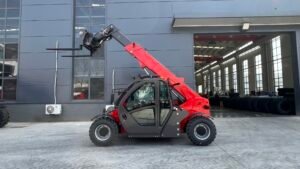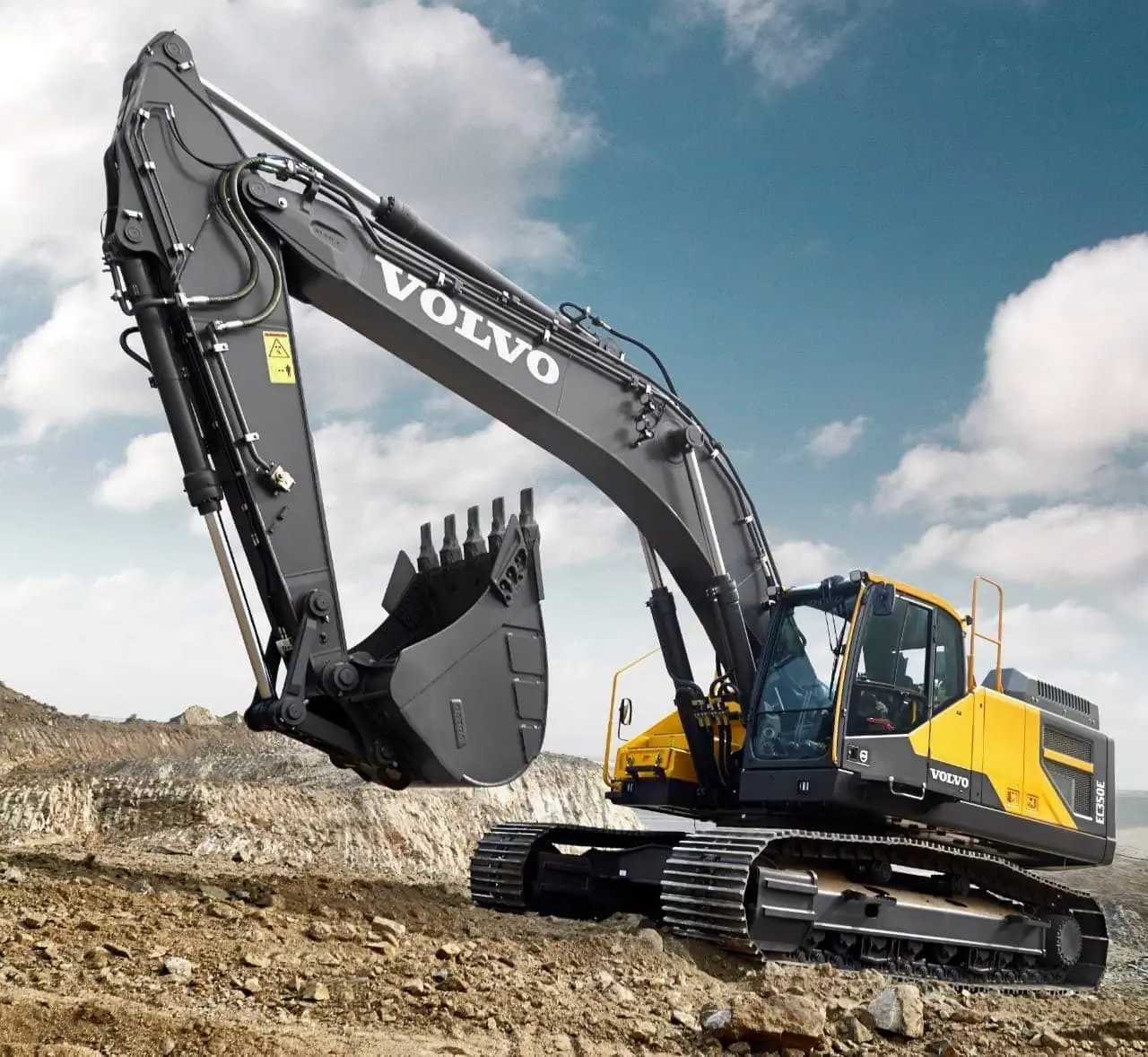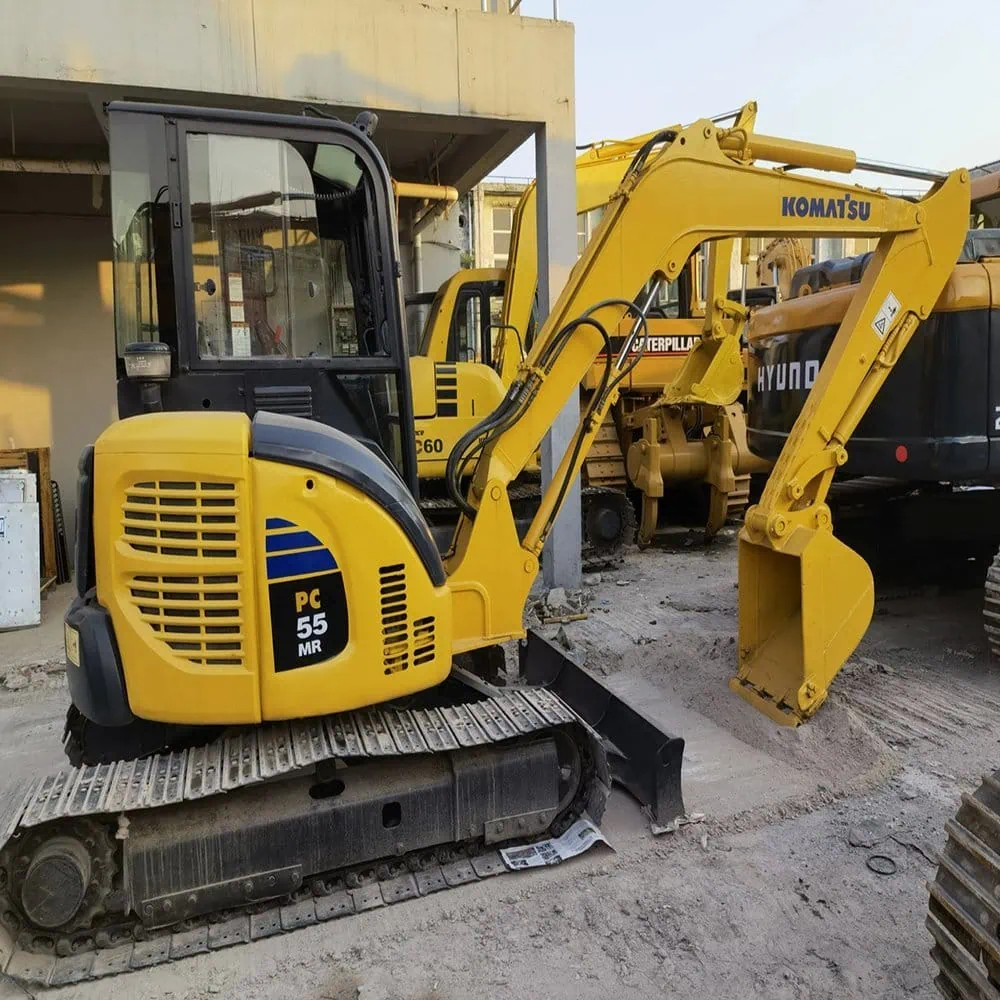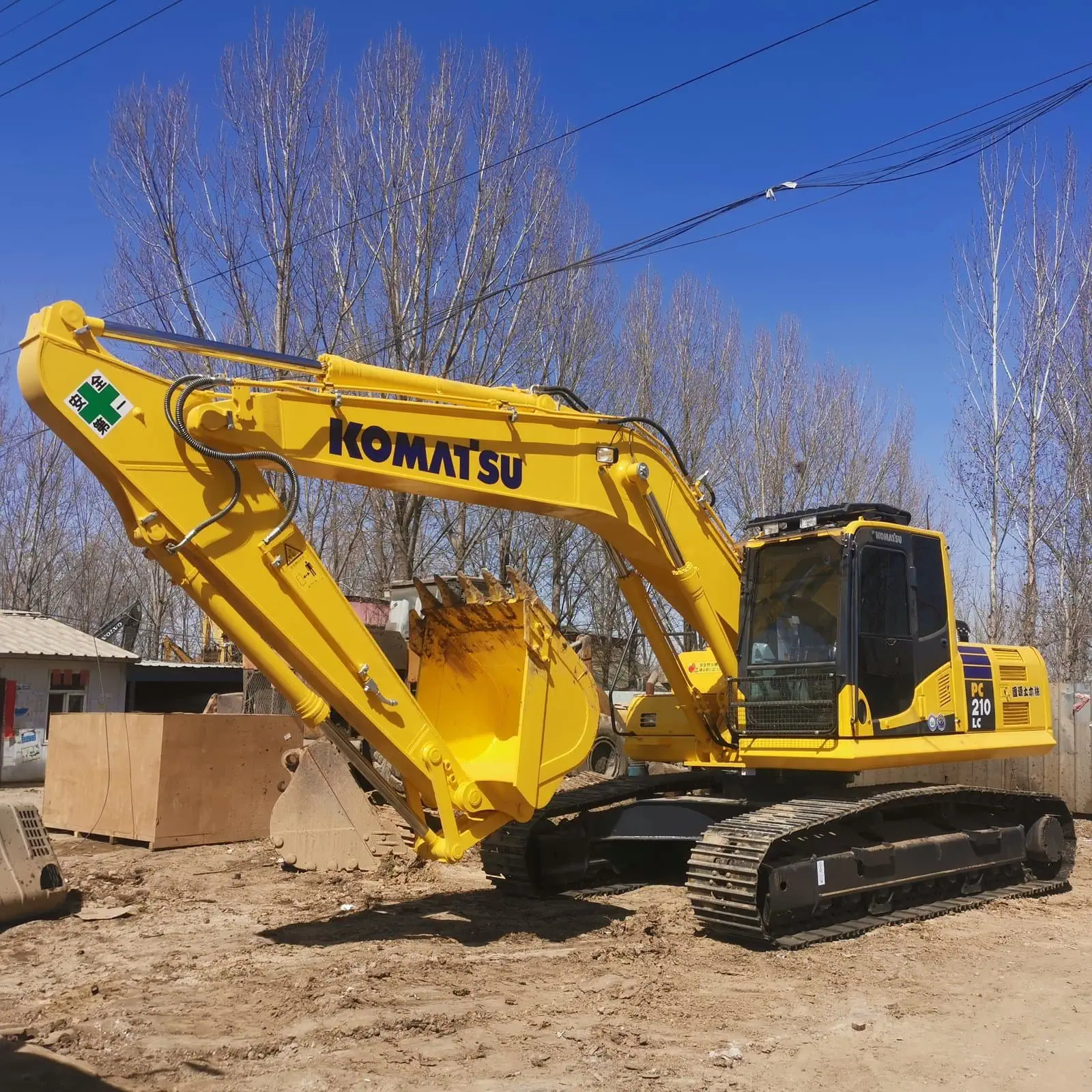
Although it may appear simple, there are a number of risks involved in international excavator transportation that could cause delays. Among the frequent difficulties are damage, delays, theft, and compliance problems. To guarantee safe and effective excavator transportation, we will examine these hazards in this post and offer workable remedies.
Transporting excavators comes with several risks, including damage during transit, delays, theft, and regulatory compliance issues. These factors can lead to costly setbacks, especially for international shipments. By understanding these challenges and implementing strategies like secure loading, reliable transport partners, and real-time tracking, buyers and sellers can reduce potential disruptions and ensure timely delivery. Read on for expert advice on how to mitigate these risks and make your excavator transport process as smooth and cost-effective as possible.
Let’s now examine the most frequent dangers associated with moving excavators and practical ways to reduce them.
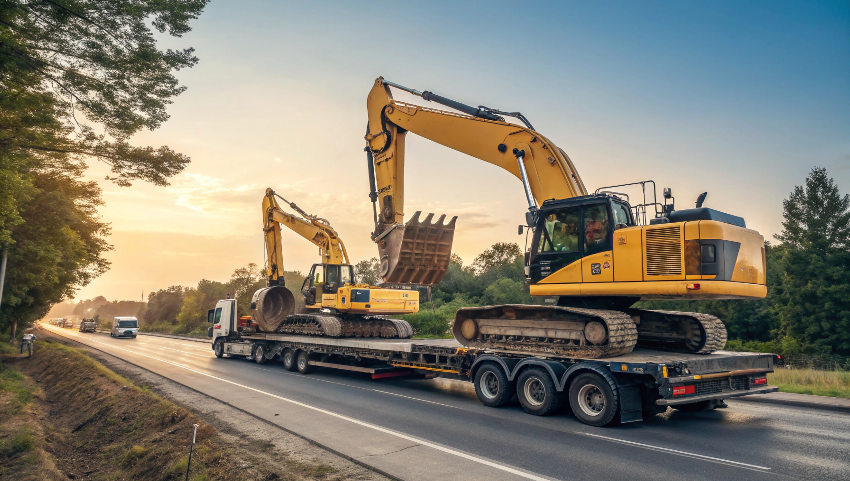
1. Introduction: Why Managing Excavator Transport Risks is Crucial
When I first started transporting excavators, I didn’t realize how many risks could pop up along the way. It’s not just about moving machines from one place to another. There’s always the chance of things going wrong. Damage, delays, theft, and legal problems are common. I’ve had to deal with each of these issues myself. That’s why it’s important to plan ahead and reduce these risks. This article will help you understand the risks and share simple ways to manage them.
2. Types of Excavators and Their Impact on Transport
I quickly learned that not all excavators are the same. Some are big and heavy, while others are small and light. The type of excavator you’re transporting will decide how to handle it.
| Excavator Type | Transport Requirements | Challenges |
|---|---|---|
| Tracked Excavators | These need heavy-duty trailers and sometimes special permits. | They’re heavy, which means higher costs and more time loading. |
| Wheeled Excavators | Easier to transport on standard trucks. | Can be a target for thieves when left unprotected. |
| Mini Excavators | Can usually fit into a container. | They can get damaged easily if not handled carefully. |
| Large Excavators | Require special vehicles and permits for oversized loads. | These are expensive to ship and can be tough to manage. |
I learned the hard way that choosing the right transport vehicle is key. I’ve seen how a wrong choice can lead to delays or even damage. It’s better to plan ahead.
3. Common Risks in Transporting Excavators
From my experience, there are several risks that pop up regularly when transporting excavators. Here’s what I’ve faced:
Risk 1: Damage During Transit
I’ve seen excavators damaged due to poor handling or rough roads. Sometimes the transport isn’t secure enough, and the machine gets scratched or worse.
| Risk Factor | Possible Causes | Mitigation Strategy |
|---|---|---|
| Vibration | Bad roads or sudden movements during transport. | Use trucks with air suspension or soft ride trailers. |
| Impact | Sudden stops or rough handling. | Make sure the excavator is strapped down securely. |
| Weather | Rain, snow, or extreme heat can damage parts. | Use tarps or containerized shipping to protect the excavator. |
How to Prevent Damage
One thing I’ve learned is that securing the machine properly is the best way to avoid damage. I always make sure the excavator is tightly strapped and check everything before setting off. I’ve also used containers when I know bad weather is coming. These simple steps have saved me a lot of headaches.
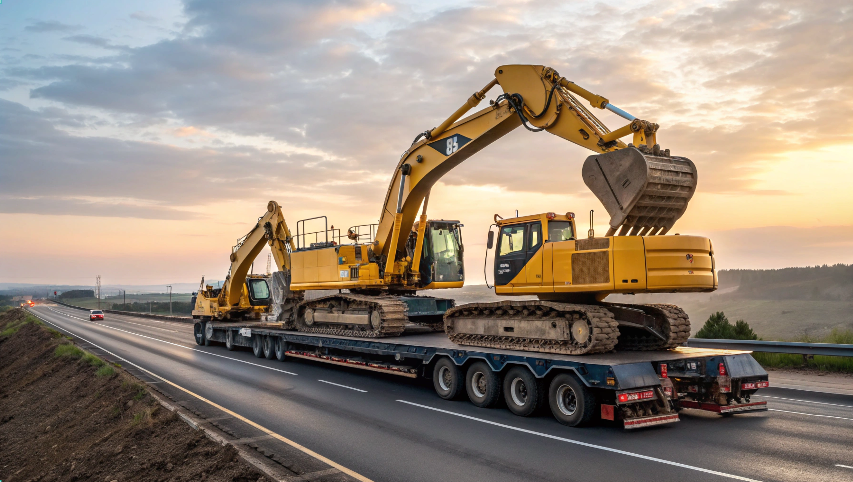
Risk 2: Delays in Delivery
Delays are another common issue. Weather, port congestion, and even customs can cause things to go off track. I’ve had shipments stuck at ports for days, and it’s never fun.
| Cause of Delay | Impact | Solution |
|---|---|---|
| Weather | It can cause delays or even stop shipments. | Always allow extra time in case of weather disruptions. |
| Port Congestion | Busy ports can slow everything down. | Plan your shipments through less crowded ports. |
| Customs Delays | Documents might be checked, and delays happen. | Double-check all paperwork before shipping. |
How to Handle Delays
When I deal with delays, I always make sure I add extra time to the shipping plan. Using GPS tracking has also helped me know exactly where my machine is at any given time. If there’s a delay, I keep the buyer updated so they know what’s happening.
Risk 3: Theft or Hijacking
I’ve heard stories of excavators being stolen during transport, and I’ve had some close calls myself. Thieves know the value of these machines, and it’s a risk I always consider when planning the transport.
| Risk Factor | Possible Causes | Prevention Strategy |
|---|---|---|
| High-Value Items | Excavators are expensive and attractive targets. | Use GPS tracking and limit exposure to risky areas. |
| Remote Locations | Areas with little security can increase the risk. | Use security guards or secure routes. |
| Open Transport | Open trailers leave machines exposed. | Always use enclosed transport options when possible. |
How to Prevent Theft
I always make sure to install a GPS tracker on each machine I transport. This has given me peace of mind. In high-risk areas, I’ve used extra security or gone for enclosed transport. I’ve learned that keeping the machine secure is key.
Risk 4: Legal and Regulatory Compliance Issues
When you’re shipping excavators across borders, you’ll need to deal with regulations. Different countries have different rules, and I’ve run into trouble more than once because of incorrect paperwork.
| Legal Issue | Potential Impact | Solution |
|---|---|---|
| Import/Export Permits | Without the right permits, shipments can be stopped. | Work with experts to get the right paperwork done. |
| Taxes and Duties | Unexpected fees can add up quickly. | Always calculate taxes in advance and prepare for them. |
How to Avoid Compliance Issues
I’ve learned that working with a customs broker is one of the best ways to handle international shipping. They help make sure all the documents are in order, which avoids delays and fines.
4. How to Mitigate These Risks
Once I understood these risks, I found ways to reduce them. Here’s what I do to keep things on track:
Mitigation Strategy 1: Proper Securing and Handling
Securing the excavator is the most important thing. I always double-check that it’s properly tied down and ready for transport. I also make sure the transport vehicle is suited for the load.
| Handling Issue | Mitigation Solution | Best Practices |
|---|---|---|
| Insecure Excavator | Use high-quality straps, chains, and blocks. | Ensure everything is locked in place before starting the journey. |
| Rough Handling | Hire experienced drivers who know how to handle heavy equipment. | Always check that the driver is qualified for handling excavators. |
Mitigation Strategy 2: Choosing Reliable Transport Partners
Finding a trustworthy transport company has saved me countless headaches. I always choose companies that specialize in heavy machinery, as they know the challenges that come with it.
| Transport Company | Services Offered | Why Choose Them |
|---|---|---|
| Company A | Full service, including customs and insurance. | Experience with excavators and heavy machinery. |
| Company B | Specializes in road transport. | Cost-effective, with reliable services for short-distance moves. |
| Company C | Provides real-time tracking updates. | Keeps you informed at every step of the transport. |
5. Popular Excavator Transport Methods
When I’ve shipped excavators, I’ve learned that there are a few ways to do it. Each method has its own good and bad sides. Here’s what I’ve found.
| Transport Method | Advantages | Best for |
|---|---|---|
| Sea Freight | It’s cheap for large shipments. Works well when shipping multiple or heavy excavators. | Large and heavy excavators, especially when shipping overseas. |
| Air Freight | It’s fast. It gets excavators to their destination quickly, but it costs more. | Time-sensitive or high-value excavators. |
| Road Transport | It’s flexible. You can use it anywhere, and it’s easy to track. | Local deliveries or short distances. |
Sea Freight
For international shipping, I almost always go with sea freight. It’s cheaper than air freight, especially when you’re moving big, heavy machines. The downside is that it takes a while—sometimes several weeks. But I plan for that. When I shipped a CAT 320D from China to the U.S., it took almost a month by sea. It wasn’t the fastest option, but it worked well for the budget.
I usually opt for containerized shipping. This protects the excavator from the weather, rough seas, or theft. It’s important to plan ahead with sea freight, especially when you’re shipping big machines.
Air Freight
Air freight is great when speed is a priority. I used air freight once for an urgent job. A client needed a machine fast for a project. Air freight was expensive, but it got the job done. The machine arrived in just a few days. But for most cases, air freight is too costly, so I only use it when I really need to.
Road Transport
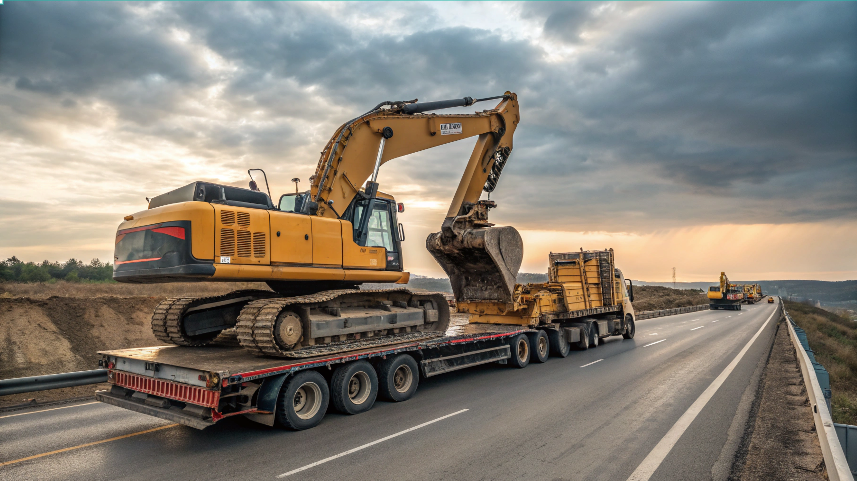
For local moves or shorter distances, road transport is my go-to. It’s flexible. I’ve used it many times, especially when moving machines to a nearby job site. It’s quick and easy, and I can track the shipment the whole way. If I’m shipping within the same country or region, this is the best option.
The downside is that road transport can be slower than sea or air freight if the roads are bad or there’s heavy traffic. But it’s still one of the best ways to get an excavator where it needs to go when the distance is short.
6. Understanding the Impact of Delays
Delays happen. I’ve had shipments delayed for all sorts of reasons. Weather, customs, or traffic—they can all cause problems. Here’s what I’ve learned over the years.
| Cause of Delay | Impact | Solution |
|---|---|---|
| Customs Delays | Your excavator could sit at the port for days or even weeks. | Double-check all documents. Work with a customs broker to avoid delays. |
| Weather | Bad weather can delay transport or damage the machine. | Plan for bad weather. Use weather updates to change the shipping route if necessary. |
| Port Congestion | Busy ports can slow things down. Sometimes shipments can get stuck waiting for unloading. | Ship during off-peak times. Choose less crowded ports when possible. |
Customs Delays
I’ve had a shipment stuck in customs for almost a week before. The paperwork was wrong, and it caused a big hold-up. After that, I always double-check everything. I make sure all the right documents are in place. I also work with a good customs broker. They know the rules in both the export and import countries. A broker can help you avoid delays and extra costs.
Weather
Weather is a big factor in shipping delays. I remember a time when a heavy storm caused a shipment to be delayed for days. The roads were flooded, and the truck couldn’t move. It was frustrating, but I learned to build extra time into my plan for weather delays. I also check weather forecasts before shipping. If I see bad weather coming, I might change the shipping route to avoid it.
Port Congestion
Port congestion can really slow things down. I’ve had shipments stuck at ports for days because they couldn’t unload quickly enough. I now plan shipments to less crowded ports when I can. It’s easier to avoid delays if the port isn’t packed. If I know a port will be busy, I give myself more time to get the excavator there.
Conclusion
Transporting excavators has its challenges, but with the right planning and precautions, it’s possible to avoid most of the risks. I’ve learned from my own experiences that securing the equipment, choosing the right transport partners, and staying on top of paperwork can make a huge difference. It’s not always easy, but managing the risks will save you a lot of trouble in the long run.
Follow us on :YouTube.