Tractors are expensive vehicles that require a significant investment. Agitation: If you don’t purchase the right tractor, it might not have the power you need to get the job done on your property. In addition, many people buy the wrong equipment for their needs and end up wasting money by purchasing something that is not right for their land-clearing job. Solution: A tractor is a great machine for any workhorse job around your property. It can move heavy objects, and bulldoze dirt and materials. With the right attachments, a tractor can take a 15-hour job and make it a 1-hour job. If you need to clear land, do it with a tractor.
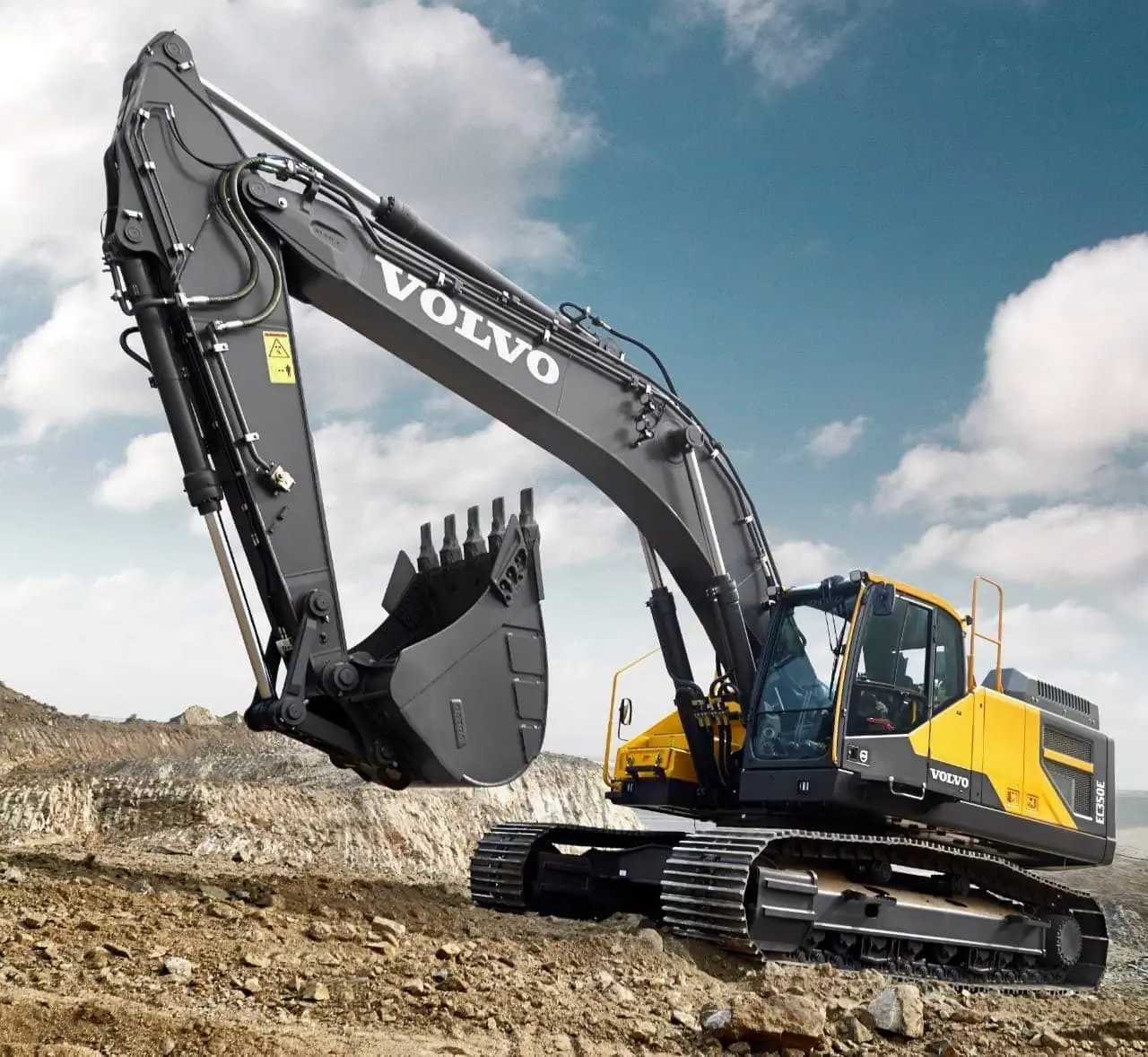
Excavator digging are the preferred machine tasks because of their powerful hydraulic systems, precise control, and ability to operate in tough terrains. With various attachments and configurations, excavators can handle different digging depths and types of soil. Their versatility makes them the top choice for both small and large-scale projects.
Now that you know why an excavator is the best machine for most of your digging needs, let’s look at which features and factors make it the best machine for the most types of digging.
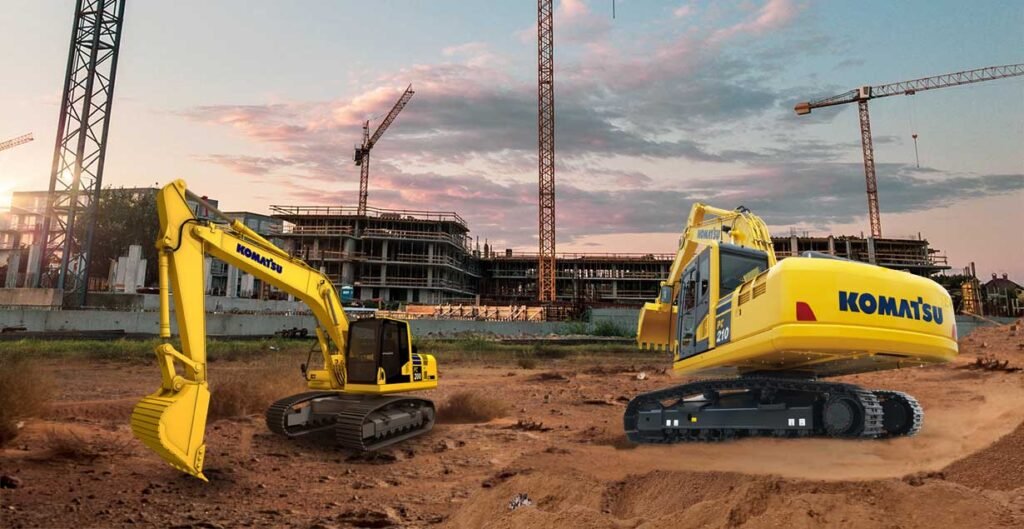
What Makes Excavators Ideal for Digging?
Structure, Components Excavators are built for digging. Every part is designed and built to work together and to dig. Everything, from the bucket to the arm to the hydraulic system, is designed to dig. The bucket is designed to scoop and lift and the hydraulic arm is designed to reach down into the ground and dig at various depths.
Hydraulic Power Excavators have the best hydraulic systems going, allowing the operator to dig, move earth, and do heavy digging work with speed and precision. Rotational Capability With their 360-degree rotating upper body, you can swing an excavator around and dig in different directions faster than with any other machine. This same feature makes an excavator an excellent machine to use when you have to swing around and dig in multiple directions without moving the machine.
Versatile Digging Ability Let’s say you don’t have a major earth-moving project and don’t need a full-size tractor or fully loaded dozer on the project. You can fit an excavator with an auger and dig holes for fence posts and trees. Use a ripper tooth to break up that hard ground for a new building. Fit it with a trencher and lay miles of pipe in sand, clay, or rocky soil.
What Are the Main Excavator Types for Different Digging Jobs?
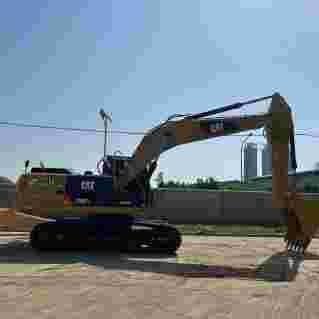
Track/Crawler Excavators Crawler excavators, also called track excavators, are used for heavy digging in rough terrain. A crawler has much more stability and holds the ground better than a wheeled vehicle. They are best for use in mucky or soft ground; in places where you have unequal or steep ground; or in any place where it is difficult to keep a wheeled machine balanced and upright while digging.
Wheeled Excavators Wheeled excavators are more similar to a car, and they go faster for projects with a lot of movement from one spot to another. They are especially suitable in urban environments where the terrain may be very hard or very uneven. They are fast and still more stable than a car, but do not provide as much stability as a crawler.
As a result, wheeled machines may not be as well-suited for very rough conditions compared to their tracked brothers. Mini-Excavators Mini excavators and smaller units work great in many areas. Their minimal size allows these machines to dig and work in very tight areas. Their bucket and arm make it easy to dig, and their size makes them right for small construction tasks and home owner projects. Long-Reach Excavators Long-reach excavators are built to dig farther and deeper.
These machines are perfect for maintenance pond work, digging deeper in a lake, or digging a new, deeper drainage trench. Hydraulic Shovels Hydraulic shovels are like monster excavators, and they have a big digging bucket and are used in large-scale digs. These are the machines you see digging a huge pit for a deep mine. Backhoes Backhoes are versatile pieces of machinery. They’re smaller, in most cases, than a crawler or wheeled excavator, but they have that stability in the backhoe to dig, dig, dig, moving three directions.
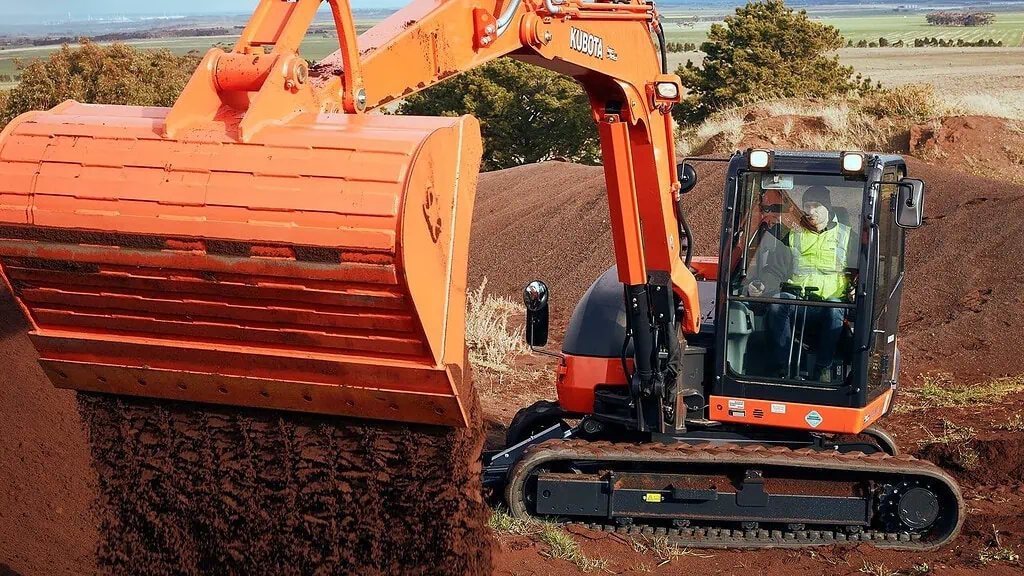
How Does an Excavator’s Design Enhance Its Digging Performance?
Operate with Finesse The operator’s cab and controls are designed so that the operator can precisely control intricate movements with the joysticks on their right or left side, manipulate the levers, and precisely control the fingertip controls to scoop and let go, build a bridge with dirt, dig a trench, or carve out soil to fit a pipe just in the perfect position. Distribution of Weight To dig, this machine has to be stable, and it is.
Engineers designed the machine so your digging machine’s arms, wires, the motor turning on the linkage, and the bucket can dig at full capacity. Nothing, including the machine, will tip over as the counterweight holds the dipper arm and boom up, allowing the bucket to scratch at the dirt to load after the machine has dug it up.
Built To Last Excavators are built from solid steel, and the hydraulic cylinders are built and coated to last in the elements as well. It has a steel undercarriage and other core parts, you have to replace them or fix the machine, or it needs to be serviced often due to the constant work digging and the different environments where it is deployed.
Hydraulics Make The Difference Let’s talk further about the hydraulics. Excavators can dig a five-hour shift and barely use the fuel a dozer of the same size would use to move at half speed. How? The machine works and does pavement easily and quickly. It works the hydraulics. So the machine is non-stop running hard for hours, with full power moving dirt. The excavator makes money while barely using the fuel. How it does it is simple. All the work is done with the hydraulics. The engine in turn only works a hydraulic pump driven off the motor to do all the work.
What Are the Key Benefits of Using an Excavator Digging?
Faster Excavators work faster than manual labor or a piece of equipment that is not a purpose-built digging machine; they can dig more efficiently and do more types of digging work. Versatility There are so many attachments that can fit on an excavator. If you need to dig, an excavator can dig. If you need to lift, an excavator can lift. If you need to grade, an excavator can grade.
If you need to take apart a building, an excavator can take apart a building. Examples of excavator attachment use include lifting heavy objects, grading a parking lot, and tearing down houses. Safety and Exactness Think about safety. An excavator’s design protects the machine from rolling over, falling over, or tipping over. The controls allow the operator to dig very accurately. You can dig a 20-inch trench next to new concrete without breaking or hurting that new concrete.
Adaptability Excavators can handle different soils. It can dig in this soft clay on Monday, cut through solid granite rock on Tuesday, scoop up yard after yard of loose sand on Wednesday, and switch back to ripping through tight sandstone rock on Thursday using the correct bucket or attachment for each task. Cost Excavators cost more than other ways to dig. Yes, they are expensive to buy; yes, they cost you money to rent.
However, if they finish the job 30 times faster than a general-purpose construction machine would and only used 1/30 of the labor, then the money you spent to rent or purchase a machine is well worth it as you did it faster and will only be paying to have the hole ready once.
When Should You Choose a Different Machine Over an Excavator?
Light Duty If you are doing light-duty work, digging just one or two holes or trenches per year to plant trees and gardens, to trench in wires or in shallow spots, and work that takes less than a day, you do not need a tractor-based backhoe and you don’t need an excavator. You’ll have neither if you do it yourself, but you also don’t need an excavator to trench and be able to rent or buy a trencher or small backhoe designed to quickly dig a trench.
Material Handling If you need something to move material (but not dig), then a bulldozer, front-end loader, or backhoe will be the right thing versus an excavator. Confined Space or Urban Work For working in confined places or urban areas, you won’t want to use any large excavator or backhoe. You will use a mini-excavator or a small trenching machine. Go shoot an air column or dig electric work; lifting has been done using the smaller models regularly. Extreme Depths To dig deep like in a mine or to dig very large, deep holes, you would use a mega-mega machine like a super hydraulic shovel. Limited Mobility Finally, there is a time when the excavator setup isn’t enough.
It could be because the machine can’t move at the pace you need across a site. In this instance, you might choose a wheeled coiled excavator. Or the job could be one that is just going to take a bigger machine; it will take a dump truck, bulldozer, or scraper to even move the dirt and run dump trucks feeding the excavator out at a distance if it’s a mile-long ditch. There may be situations where the excavator is not the best choice. When that happens, this article provides readers with five different elements to use to confirm which machine is the best excavator.
How Do Excavators Contribute to Environmental Sustainability?
Fueling and the Environment In the end, every customer may not gas for money. Let’s talk about hybrids and electric. The space in between a gas engine and an electric engine, where for the last generation of equipment customers ran low fuel, is 100% eco friendly. Construction site generators for example are well suited to this system. If you are going to run this whole progress off one machine of this type, then maybe running an electric or hybrid machine really makes a difference.
Landfills and Material Emissions and Pollution It’s the stuff that leaks out of the landfill as water kicks through it untreated and leaks out around the edges into the soil. It is a water issue and is our number one issue. We are still required to work in and out of landfills, so we try to keep our impact as small as possible. Reducing in Land Disturbance There are commercial situations in which the government requires the land to be as undisturbed as possible.
Excavators help in material transport and are excellent because experts can reach deep in the dirt and pull everything out of the ground without less ground disturbance. Recyclable Materials and Parts Certain brands of excavators contain a majority of steel in house or offer recycling options such as paint and plastic.
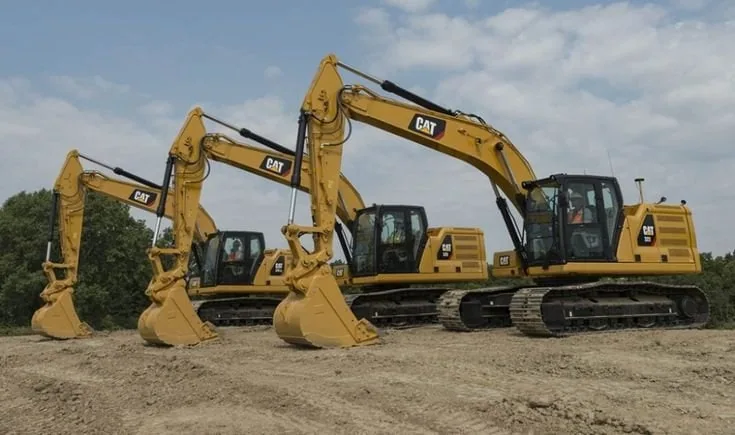
What Maintenance Is Required for Excavators to Keep Them Digging Effectively?
A Broad Knowledge of Every Piece of the Machine When working, the operator must always have a general working knowledge of the separator. Nothing special is needed, just to have a general awareness of every piece of the machine. However, having someone who knows the machine inside and out is important in case of a breakdown. Routine Inspections Inspect every part at every service interval with a very close eye towards the hydraulic, motor, and undercarriage.
Never forget that any time something is lubricated, it is checked over while being serviced even if that’s not on your checklist. Check Those Fluids Check the engine oil and hydraulic frequently. Keep it clean with clean filters, and use the clean fluids and clean gas to keep it going. Keep Those Tracks Tight and Those Buckets Up Before starting to dig, operate and use your excavator daily; look all around the machine for problems like loose tracks and loose parts or broken parts.
When changing a bucket, always check the new bucket top to bottom and side to side for cracks, splits, or bad beads. Why Top to Bottom? Pop the bottom and let the bucket fall! Now when it falls, spin and roll around and make sure you got every crack with the light. That’s how you inspect that the teeth are installed and secured.
How Are Excavators Used in Different Industries for Digging?
Construction Construction is easily the most common industry where excavators are utilized. Every single machine that sands, digs, or rakes dirt most likely operates using an excavator for most of the work it completes. It doesn’t matter if it was a tarmac-laying machine, a trench-in-the-ground machine, a hole-digging machine, or a pump-the-gas machine for asphalt work because every one of these use the excavator. Mining and Quarries Excavators are used all the time to do everything from simply loading trucks to playing a primary role of digging out materials and precious minerals.
Landscaping Now, the fact that our business is called “landscapers” suggests that heavy equipment and excavators come into play a lot. Just dump off some dirt, take a ditch, and level the ground. Your main heavy equipment contractor will bring an excavator to manage your erosion issues, or they will use it to dig that crew we talked of earlier. Infrastructure Infrastructure companies use excavator to dig holes. What type of hole does infrastructure not dig, so who isn’t going to use an excavator? Remember to distinguish from the various drilling machines and quotidian gas drills, etc. All holes will be dug with your trusty Washing machine.

Summary:
Excavators are the number one digging machine in most cases. Using advanced hydraulic systems for power, combining precision control with brute power when needed, they also come with the ability to work through various situations at a great price. Whether you are building a new building or digging a trench for an electrical line, the best, most cost-effective machines to dig with are excavators. So, for whatever you’re digging, use an excavator. For more information or professional advice, feel free to contact us.