How do you decide between the two, though, when you need something that offers a good balance between performance, size and cost effectiveness? Well that’s the question we’re going to answer in this blog post. Looking at the specs is the only way to just what the difference is between the CAT 330 VS 336. With this article, we are going to break down that key difference and help you make a more educated decision based off of those needs.
When deciding between the CAT 330 vs 336, understanding their key differences in engine power, fuel efficiency, lifting capacity, and overall performance is essential. The CAT 330 is perfect for smaller, more maneuverable tasks, while the CAT 336 excels in larger, heavy-duty projects. Both machines offer reliable performance, but the right choice depends on the scale of your project and budget. Read on to find the best option for your needs.
Now that we have the basics out of the way, let’s start digging into each machine and its specs and performance so you can make a decision.
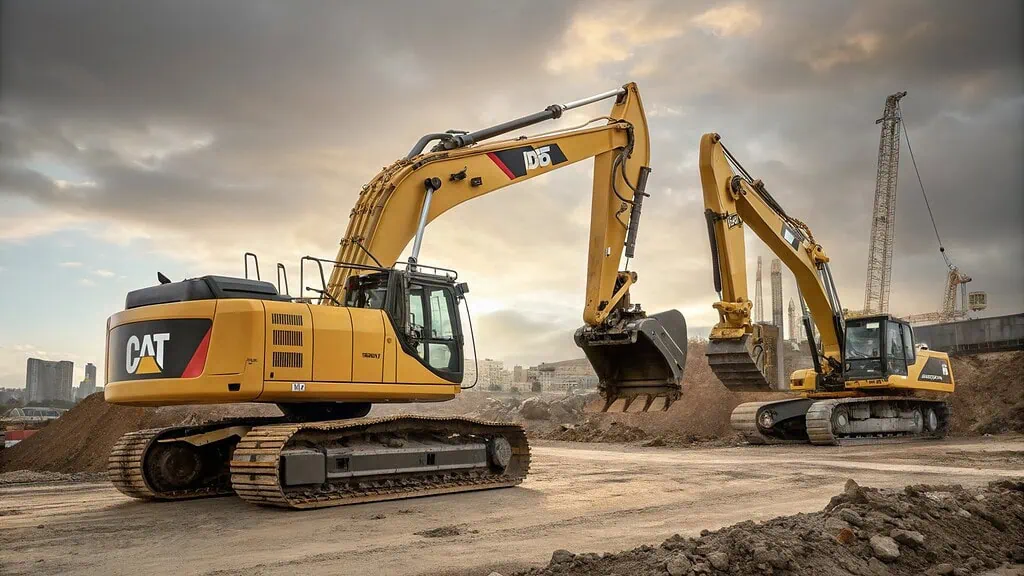
Overview of CAT 330 and CAT 336 Excavators
When picking between the CAT 330 VS 336, it’s most important for you to understand what each machine has to offer so you can make a decision on which one is best for your needs. Below, we will take a deeper dive into the specs and capabilities for each machine to break down what you get and how you might use it.
CAT 330 Overview
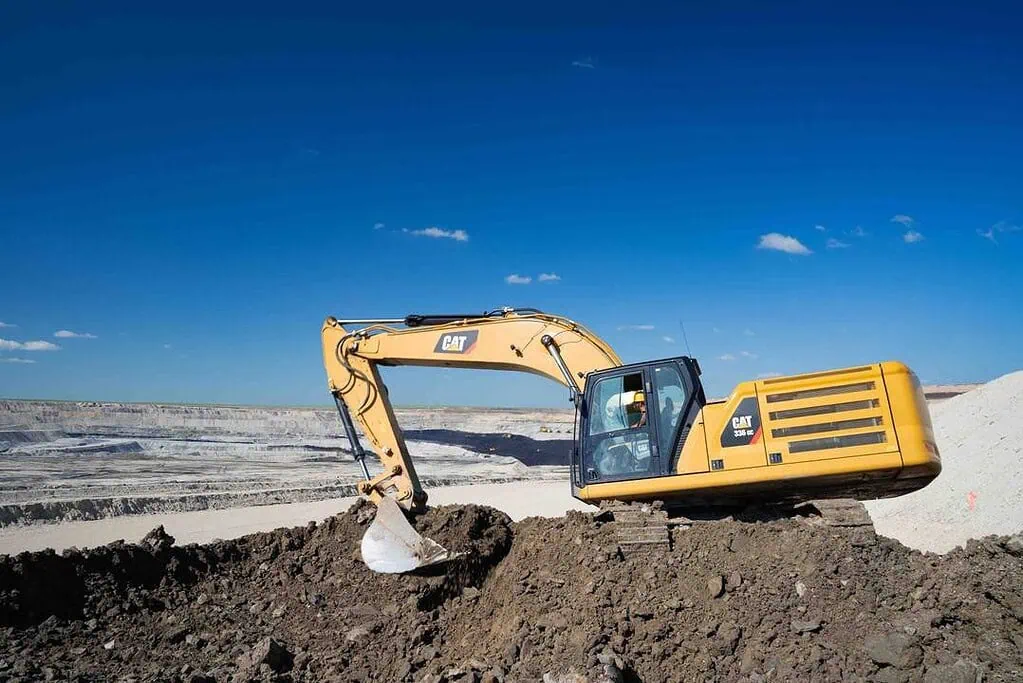
The CAT 330 is a good all-around, reliable excavator. It is most known for its use in excavation-sized construction and mid-sized construction tasks, but it’s a great workhorse because it is extremely fuel efficient considering its size. Mainly used in the construction industry for smaller construction projects, this machine is perfect for getting in and digging trenches, picking up materials, or doing general excavation work. In order words, the CAT 330 is a great all-around machine that provides high performance at a reasonable cost.
Key Features of CAT 330:
| Feature | Details |
|---|---|
| Operating Weight | 24,000 – 28,000 kg |
| Engine Power | 210 – 225 HP |
| Hydraulic System | Efficient, responsive hydraulic system for smooth operation |
| Common Uses | Excavation, trenching, lifting small to medium loads |
| Fuel Efficiency | High, making it ideal for smaller projects or where fuel costs matter |
| Maneuverability | Compact and nimble, ideal for confined or urban spaces |
| Maintenance | Relatively low maintenance costs due to simpler systems |
The CAT 330 is designed to be a fuel efficient machine. It is a go-to machine for contractors who do little smaller construction projects like building foundations, utility work, and landscaping work. It being fuel efficient and a little bit smaller and can reach out a little bit more is a perfect machine for places where you have to have a lot of maneuverability and where you don’t want to burn a bunch of fuel in order to do what you need it to do.
It doesn’t have the big power that the 336 has, but when you stack it up in fuel efficiency, and you stack it up against a machine that is smaller in weight, it is definitely a go-to machine for somebody who needs an efficient excavator to do the job every day. For example, the big benefit of the CAT 330 is that it will reach up better than the CAT 320, but you don’t give up a lot of fuel compared to a smaller machine. It is excellent for somebody who does not have a great big area to work in or for somebody who must do construction in a metro downtown area where they don’t have a lot of room to maneuver.
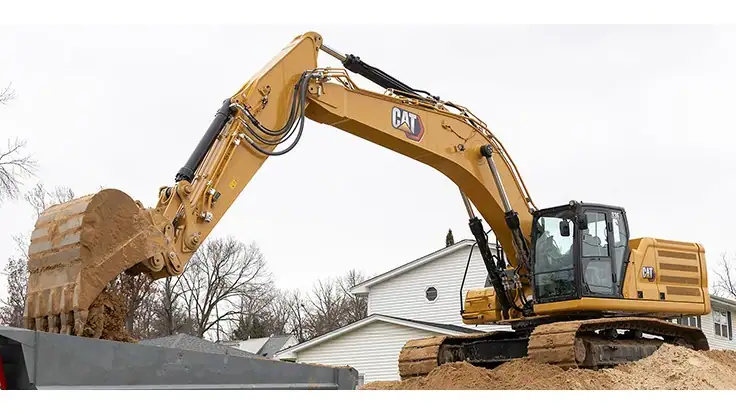
CAT 336 Overview
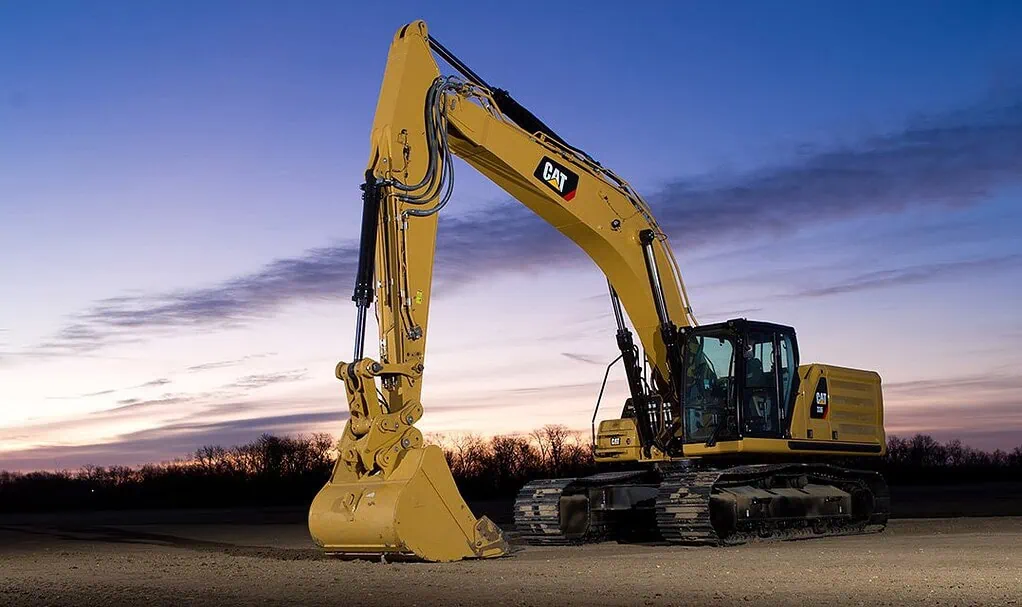
On the other hand, the CAT 336 is a big bad boy. It is a big hydraulic excavator, and we sell it to people who have big, heavy jobs they need to get done. People use the CAT 336 in quarries, in large construction, and on jobs where they have to pick up really heavy things and dig really deep holes…buckets and buckets of dirt or rock. The CAT 336 comes with a really big engine and a really good hydraulic system that enables the machine to pick that heavy thing up and gives it stability as it swings and carries that load through the air or digs in really challenging ground.
| Feature | Details |
|---|---|
| Operating Weight | 35,000 – 40,000 kg |
| Engine Power | 270 – 300 HP |
| Hydraulic System | Advanced, powerful hydraulic system for precise operation |
| Common Uses | Large-scale excavation, mining, lifting heavy materials |
| Fuel Efficiency | Lower, but justified by higher productivity and power |
| Lifting Capacity | Excellent, ideal for moving heavy materials and equipment |
| Maintenance | May require more maintenance due to complex systems |
If you compare the 330 to the 336, the 336 is a much heavier-duty machine. While it burns a bunch more fuel to do that work, you buy the 336 when you need a machine that’s going to work heavy every day all day. So, depending on what you need to get done and how big that thing is or how much you have to pick up, the CAT 336 would be a buy for you.
The Cat 336 has an advanced hydraulic system that gives you the control you need to work efficiently during heavy tasks, such as lifting and digging. Its size and weight provide excellent stability for working in large excavations. If you are working on a project that involves deep digging, moving big material, or tough soil conditions, the Cat 336 is the right machine for the job.
Key Differences in Performance
Engine Power and Fuel Efficiency
The CAT 330 VS 336 are powered by different engines, designed for different types of projects. Below is a detailed comparison of their performance attributes.
| Feature | CAT 330 | CAT 336 |
|---|---|---|
| Engine Power | 210 – 225 HP | 270 – 300 HP |
| Fuel Efficiency | Excellent for smaller tasks | Less fuel-efficient but better for heavy-duty work |
| Lifting Capacity | Suitable for medium-sized loads | Handles large, heavy materials |
- Engine Power: The CAT 336’s engine is significantly more powerful, providing better performance on projects that require lifting, digging, or moving heavy materials. On the other hand, the CAT 330 offers enough power for general construction tasks without compromising on fuel consumption.
- Fuel Efficiency: The CAT 330 is designed to save fuel, making it ideal for contractors working on projects with moderate requirements. Its fuel efficiency allows it to keep operational costs low, while the CAT 336 sacrifices fuel economy for higher power and performance, which is essential for larger tasks.
- Lifting Performance: As the CAT 336 is designed to carry out large-scale projects, its lifting capacity far exceeds that of the CAT 330, enabling it to handle heavy equipment and materials like steel beams, large pipes, or rocks.
Hydraulic Systems and Digging Depth
| Feature | CAT 330 | CAT 336 |
|---|---|---|
| Hydraulic Power | High efficiency for medium loads | Powerful and precise for heavy lifting and digging |
| Digging Depth | Suitable for medium to shallow excavation | Can dig deeper and handle tough soil conditions |
Moreover, the CAT 336 comes with a much stronger hydraulic system that is designed to lift heavier things and dig deeper into the earth, and that is especially helpful in challenging jobs like mining and excavations down in rocky terrain. While the 330 will do it, it does not do it as strong or as much. Basically, the 330 can dig a hole, but the CAT 336 is more suited to dig those larger holes deeper and move those larger things around
Size, Weight, and Maneuverability
Size, weight, and agility. There is a significant difference here which can make a difference for different types of work.
| Feature | CAT 330 | CAT 336 |
|---|---|---|
| Operating Weight | 24,000 – 28,000 kg | 35,000 – 40,000 kg |
| Dimensions (L x W x H) | 9.5m x 3m x 3.3m | 10.5m x 3.5m x 3.7m |
| Maneuverability | Excellent in confined spaces | Less agile but better stability in open areas |
- Weight and Size: The CAT 330 is much lighter and smaller, allowing it to navigate tight spaces easily. It’s perfect for construction projects in urban settings or locations where space is limited. The CAT 336‘s larger size provides better stability, making it the ideal choice for large construction sites or mining operations where space is more abundant.
- Maneuverability: The CAT 330 is nimble and easy to move around, which is a major advantage in projects with space constraints. In contrast, while the CAT 336 is less maneuverable, it offers far more stability and is better suited for heavy-duty work where precision and power are critical.
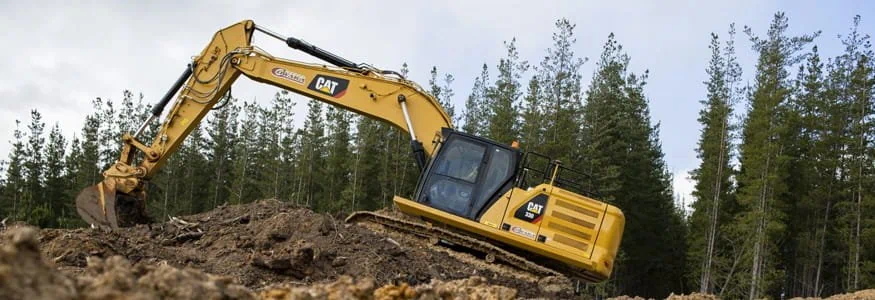
Lifting Capacity
The CAT 336 has more lifting capacity, or can lift more weight at a longer radius, than a CAT 330. So if you’re in a position where you are going to be lifting a tremendous amount of concrete or steel beams, or you need to lift boulders out of a site, a 336 is the way to go. A 330 may not have the lifting capacity that you need.
A CAT 336 has a more powerful hydraulic system than a CAT 330 and is designed for moving heavier materials and bigger equipment. You’re going to see a 336 on a job where it’s regularly moving immense quantities of materials. In heavy civil construction, a 336 will be used to work in a gravel pit, mine, or where a lot of loads are being hauled at one time.
No matter the size or scope of your project, having the right equipment for the task will make a massive difference in your efficiency and overall success. Get the biggest machine you can afford for the work you think you’ll be doing. It’s better to have more machine and not use it than to constantly struggle with a machine that’s too small.
| Feature | CAT 330 | CAT 336 |
|---|---|---|
| Maximum Lifting Capacity | 7,000 kg | 12,000 kg |
| Best for Lifting | Light to medium materials | Heavy materials and large equipment |
| Hydraulic Power | Efficient for small lifts | Superior for heavy-duty tasks |
| Common Use | Small to medium construction projects | Large-scale excavation, mining |
This model is specifically designed to carry heavy materials, so if you’re working on larger projects where you’ll be lifting a lot of heavy materials, this might be the best choice for you. The CAT 330, however, is good for those smaller tasks where you’ve got to get into tighter spaces and are worried about running out of fuel.
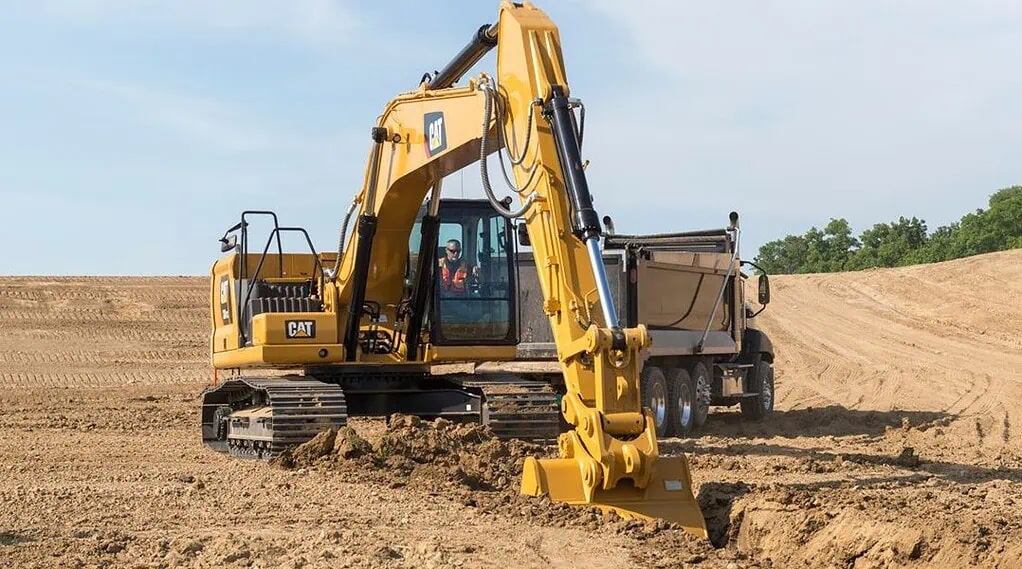
Cost and Value
Purchase Price
The first consideration for most people is budget. The CAT 330 is priced lower than the CAT 336, so it’s a good option if you don’t have a lot of money to spend. The CAT 330 is good for small to medium-sized projects where you don’t have a lot of lifting to do or other heavy-duty work.
Conversely, the CAT 336 has a higher cost, but it has better performance capabilities – more lifting capacity and the ability to dig deeper. The added expense makes sense for a larger job. You’re doing a big job, and you’re going to be there for months in an aggressive construction environment and need more performance. If you can get the performance today, it will more than pay for itself over the life of the machine.
| Feature | CAT 330 | CAT 336 |
|---|---|---|
| Initial Purchase Price | Lower | Higher |
| Best for | Budget-conscious, smaller projects | Large-scale, high-budget projects |
| Operational Cost | Lower due to smaller size and engine | Higher operational costs but justified by performance |
| Lifting Power | Moderate | Powerful |
Long-Term Operating and Maintenance Costs
At the end of the day, one customer buys the CAT 330. It feels right for most of the work they do, and they like it because it’s simpler and easier to maintain. Another customer buys the CAT 336. Both the initial purchase price and the ongoing maintenance cost are higher, but it has the added performance to justify the cost. Again, the price of fuel for every ton of material is dirt cheap.
The cost of money to own the machine has to be more of a focus point than the fuel costs themselves. Within the same brand, there’s a decent increase in horsepower within the six models in that series, so the mid-size model may be all you need. However, the larger one might push you over the top in terms of production capability and profitability.
| Feature | CAT 330 | CAT 336 |
|---|---|---|
| Fuel Efficiency | More efficient | Less efficient but more powerful |
| Maintenance Costs | Lower | Higher due to larger components |
| Long-Term Value | Lower cost for smaller projects | Better for high-demand projects |
Maintenance, Durability, and Reliability
When it comes to maintenance, durability, and reliability, both the CAT 330 VS 336 offer impressive performance, but there are some key differences to consider.
Maintenance Needs
In terms of maintenance, you can generally expect that the CAT 330 will require less maintenance, especially for those of you who own it and do your own maintenance. This is because, in general, smaller components are easier to maintain than their larger counterparts. There will be fewer hydraulic lines, less grease hitting the ground, a smaller engine to climb around, and fewer moving parts to break.
The CAT 336 is a different story. It’s going to require higher maintenance costs relative to the 330, but that doesn’t mean it’s a bad machine. It means it’s a larger, more complex machine with more systems in place. However, this complexity is put in place to handle larger, more extreme applications over time. It will go longer in more extreme applications without failing, it will handle heat better, it will be a better cold-weather machine, and it will handle heavy duty work longer than any 330 ever thought about doing. Overall, it’s a heavier-built machine, and it’s going to cost more to run for the sake of all of the extra metal that is in the machine.
| Feature | CAT 330 | CAT 336 |
|---|---|---|
| Maintenance Frequency | Lower | Higher due to heavier workloads |
| Durability | Designed for general construction | Built to handle extreme conditions |
| Reliability | High for standard tasks | Extremely reliable for heavy-duty work |
Durability and Reliability
When it comes to durabiltiy, you can run CAT 330 VS 336 all day every day. The 336 is built better and meant to run in tougher applications. You can run a CAT 336 all day every day in an extreme environment like rock, breaking pavement, demolition, and mining. People who run these machines in extreme applications say they are very reliable.
Resale Value
The CAT 330 is a great option as well. It holds its value great, but you can buy a used CAT 330 for a little less than you can a used 336. That’s because the 336 is bigger, stronger, and performs better. Its larger capacity and power make them worth more money in the used market. People love using them because they’re more durable, expendable, and perform better for longer.
If you’re doing a large-scale, dirt-moving operation, you either want a brand-new CAT 336 or a used CAT 336. The 330 is still a stud, but because it’s smaller, second fiddle, and has a little less oomph and capacity, it’s available at a lower cost. And that doesn’t mean you have to be the Cadillac buyer. You could be the 330-buying customer and be environmentally cautious. After all, the 330 is still fuel-efficient and gets the job done.
| Feature | CAT 330 | CAT 336 |
|---|---|---|
| Resale Value | Good, but lower than CAT 336 | Excellent, especially for large projects |
| Market Demand | Moderate, suitable for small contractors | High, popular among large contractors |
| Depreciation Rate | Faster depreciation | Slower depreciation, higher demand |
Conclusion
The CAT 330 VS 336 decision comes down to the size of your project. If you’re doing a smaller, budget-conscious project, you probably want the CAT 330. It’s fuel-efficient, gets the job done, and can dig up the dirt. For the big, huge, heavy project when you’re lifting and doing major dirt work, it’s the design and capacity of the CAT 336 that makes a difference.
Follow us on :YouTube.