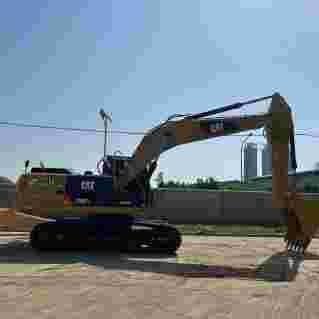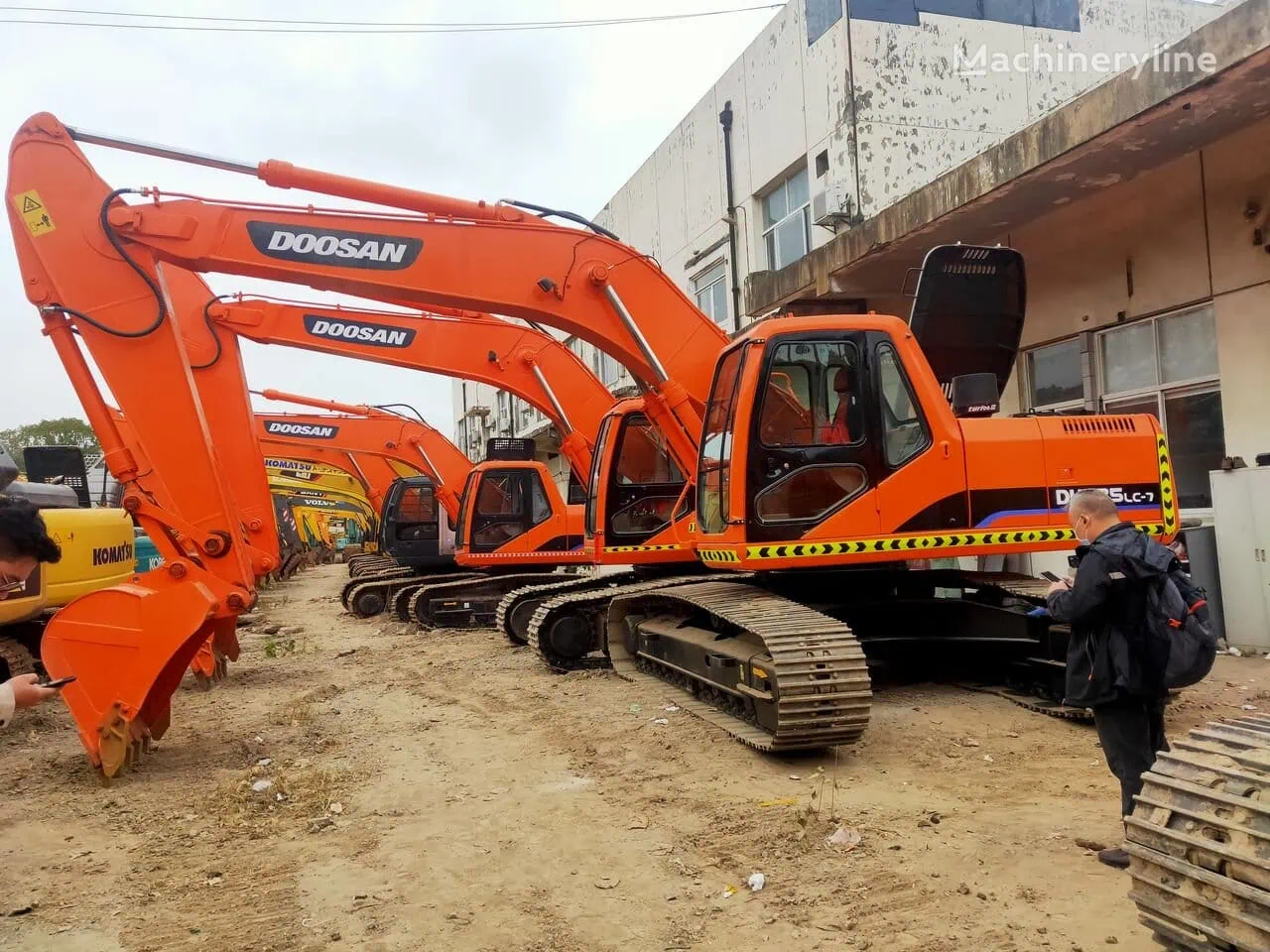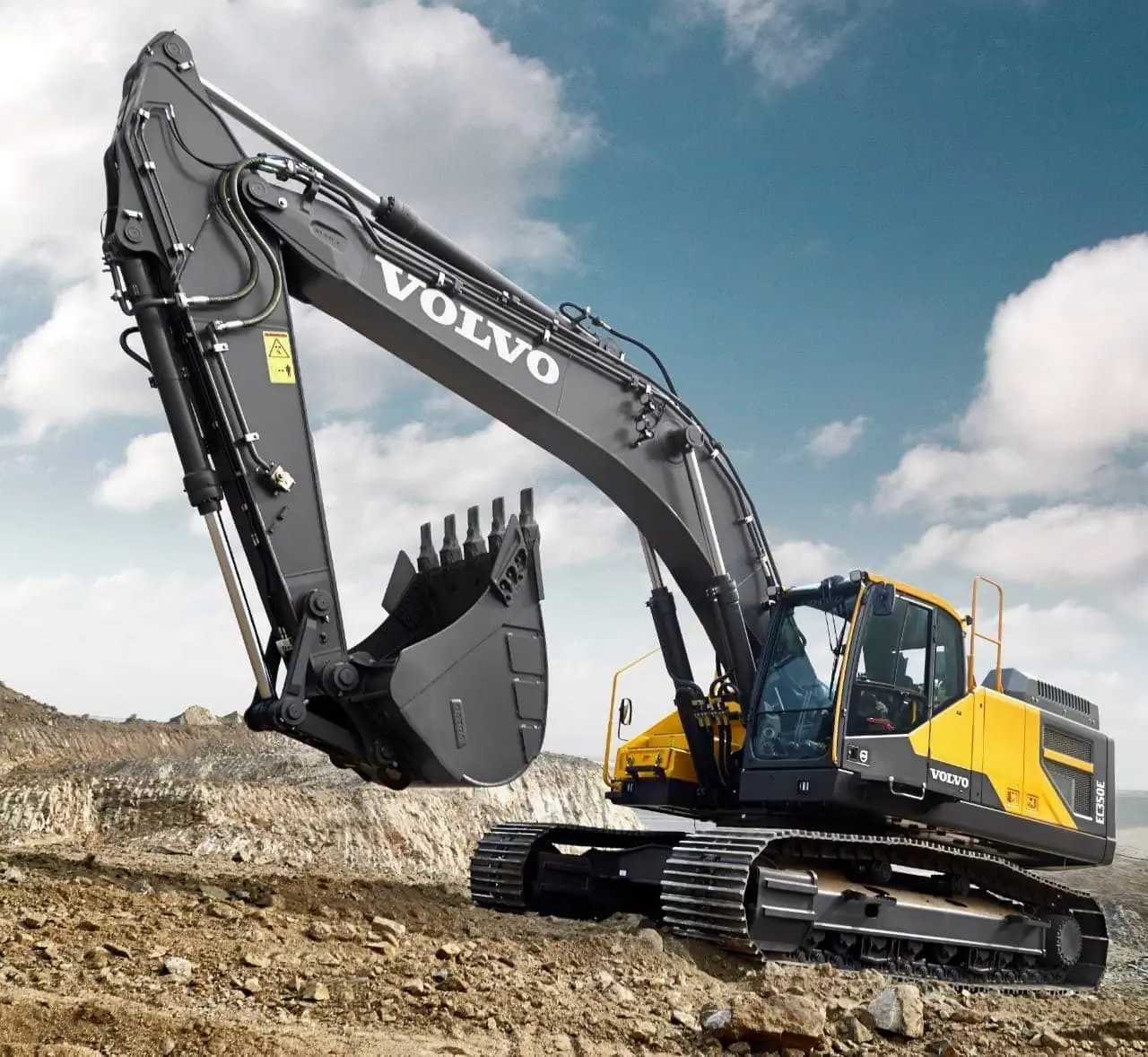
The proper excavator can speed up every phase of your project, saving time and making money. The wrong machine can slow you down and put you in the red. The following excavator tips will help you pick the best one for your job and give you the best chance of coming out on top.
Selecting the right excavator is a crucial step in ensuring your project’s success. Whether you need a mini excavator for tight spaces or a large crawler for heavy lifting, understanding your project’s specific needs will help you choose the ideal machine. In this guide, we’ll share expert excavator tips to guide your decision-making process. Get insights on size, brand, and key features to ensure a cost-effective and efficient choice.
Now that you know that the right excavator matters let’s dive into the key factors.
Why Choosing the Right Excavator Matters
Therefore, it is important to carefully weigh the different types of excavators, their uses, and their benefits before making a decision. Understanding the specific requirements and demands of your project will help you choose the ideal piece of machinery for your job.
This makes choosing your excavator a much easier process and gets the machine that fits your needs.
Understanding Your Project’s Needs
Make sure to do your research before you buy your next excavator. Just about every manufacturer’s equipment is the best built and best performing equipment on the market. Each manufacturer has good reasons to back up their claims. If you’re buying brand new, look around for some good used deals. If you’re going to buy a used machine, check around for some great deals on new units. Bottom line: make sure you know what you’re getting into before you put your money on the line.
Key Project Considerations:
- TERRAIN: Is the project on level, smooth ground, or rough, uneven ground?
- PROJECT SCOPE: Will there be heavy lifting, digging, or landscaping work?
- DURATION: What is the duration of the project?
Excavator Tips:
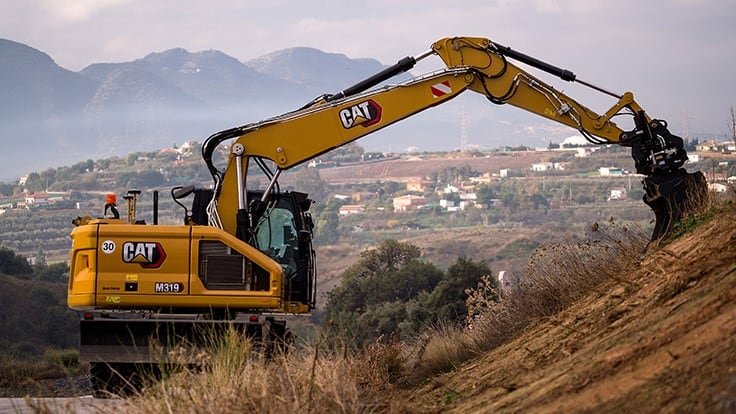
For projects on rough or uneven terrain, tracked excavators are ideal due to their stability and traction.
If your project is urban or requires moving between sites quickly, a wheeled excavator is more suitable.
| Project Requirement | Recommended Excavator Type | Why It Works |
|---|---|---|
| Rough, muddy terrain | Tracked Excavator | Stability and better traction |
| Smooth, urban terrain | Wheeled Excavator | Speed and mobility on roads |
| Small-scale tasks | Mini Excavator | Maneuverability in tight spaces |
| Large-scale projects | Large Crawler Excavator | Power and capacity for heavy work |
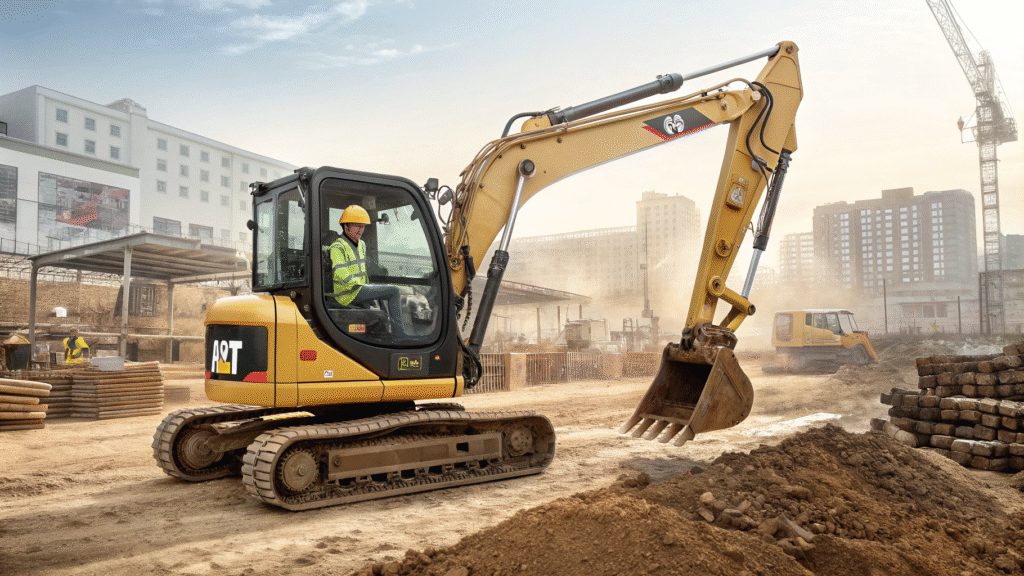
Excavator Types: Tracked vs. Wheeled Excavators
Some final thoughts to consider are when making your decision on what to use. No matter what model you use, pay attention to weight, size, ground pressure. Job-matching the machine will make the difference between easy work and difficulty.
Tracked Excavators:
- Best for: Snow of any depth, as well as mud and loose terrain.
- Advantages: Can push or drive into snow without worrying about getting stuck.
Wheeled Excavators:
- Use when: Moving around on pavement, transportation, some minimal off-road ability.
- Pros: Faster, cheaper for short distance movement, better fit for projects with limited off-road needs.
| Excavator Type | Best For | Pros | Cons |
|---|---|---|---|
| Tracked Excavator | Rough Terrain, Heavy Lifting | Stability, High Traction | Slower Mobility, Higher Fuel Usage |
| Wheeled Excavator | Urban Construction, Paved Areas | Faster Mobility, Easier on Roads | Less Stability, Limited Off-Road Use |
Excavator Tips:
If no matter what type project you’re working on, you make the decision based on the ground conditions. If the ground is extra muddy, or you are working in construction areas with rocks, plates, or rough terrain, if tracked is better. If you’re working mostly on paved city streets and traveling between many city job sites, you’d be better off to use the wheeled excavator for quick movement.
Excavator Size and Power: Finding the Right Fit
However, incorrect sizing is a common mistake. Too large, and a contractor overpays for its operating costs. Too small, and the project may be delayed and profitability may suffer from underproductivity.
Small Excavators (Mini Excavators):
- Best for: Any size job with ample room to swing a long boom and where the operator doesn’t need to get very close to pick the load.
- Advantages: High capacity, high reach, and flexibility to carry and lift heavy loads.
Medium Excavators:
- Best for: Job sites that have out-of-the-way access for unloading equipment and the job site.
- Advantages: No need for a motorized drive and high lifting capabilities.
Large Excavators:
- Best for: Heavy equipment delivery and unloading and jobs with unusually heavy items forklifts cannot handle safely.
- Advantages: Heavier lift capability than a telehandler.
| Excavator Size | Best For | Digging Depth | Fuel Efficiency |
|---|---|---|---|
| Mini Excavator | Small-scale projects, Tight Spaces | 3-5 meters | High |
| Medium Excavator | General Construction, Landscaping | 5-7 meters | Moderate |
| Large Excavator | Heavy-duty tasks, Demolition | 7+ meters | Low |
Excavator Tips:
- For small or tight areas and lighter weight, you choose a mini excavator.
- For medium size applications, for general construction or operating conditions, you choose a medium excavator.
- For heavy-duty or large equipment needs, you choose a large excavator.

Key Features to Look for in an Excavator
When selecting an excavator, certain features are necessary to make it perform and be the most productive and profitable over the long term.
Hydraulic Systems:
The hydraulic system is what powers the boom, arm, and bucket. If you are going to do heavy lifting or some tough digging, you want a high-flow hydraulic system.
Operator Comfort:
You want an operator who is comfortable in the cab because they will be much more productive. A comfortable operator is safer because they are not as fatigued, and they can concentrate better.
Fuel Efficiency:
Excavators are fuel-hungry machines. The cost of fuel for running the machine will have a significant effect on your budget. There are different types of engines available with different ratings and fuel efficiency. Pick the most fuel-efficient engine to save money over the long term.
| Feature | Importance | Benefits |
|---|---|---|
| Hydraulic System | Strong Digging Power | Enhanced Performance for Heavy Lifting |
| Operator Comfort | Cabin Layout and Visibility | Reduced Fatigue, Increased Productivity |
| Fuel Efficiency | Cost-saving Technology | Lower Operational Costs |
Excavator Tips:
For better digging performance, look for one with a high-flow hydraulic system where the hydraulic pump will push out more gallons of hydraulic oil every minute.
Make sure the operator’s cabin is comfortable and gives the operator good visibility. Also, make sure the controls are easy to reach.
Brand Comparison: Choosing the Right Brand
When you’re exploring brand options, the reputation of the manufacturer comes into play. When you purchase from a brand name, there’s a smidgen more respect that goes with the purchase. Some brands have been around a long time and have proven they produce good quality equipment. Other brands have a great reputation for after-the-sale service, parts, and training.
Popular Brands to Consider:
- Caterpillar (CAT): Caterpillar is known for the durability of their machines. They also have a higher resale value and they’re versatile enough to be used in a lot of different applications.
- Komatsu: If fuel efficiency is essential to you, then Komatsu offers some excellent options. They’re known for high-quality hydraulic systems. They’ve got a fantastic facility in Chattanooga, Tennessee where they build some of the machines. I have had good luck with the Komatsu parts and their performance over the miles.
- Hitachi: Hitachi is known for their innovation. People love the new hoop features and benefits that come with some of their machines. They’re also known for their relatively advanced features, like fuel economy. They’re an older Japanese-based company, so they tend to have good steel and machines. Hitachi is also known for their strong customer service.
| Brand | Best For | Pros | Cons |
|---|---|---|---|
| Caterpillar (CAT) | General Construction, Heavy Lifting | Durability, Resale Value, Versatility | Higher Initial Cost |
| Komatsu | Fuel Efficiency, Heavy Workloads | Fuel Efficiency, Strong Hydraulics | Maintenance Costs Can Be Higher Over Time |
| Hitachi | Innovation, Advanced Technology | Reliable, Advanced Features | Slightly Expensive Parts |
Excavator Tips:
- Go with a Caterpillar (CAT) machine if you want the machine to last a long time. CAT has a good name in the industry, the machines last, and they have an excellent resale value.
- Choose Komatsu if you want the most fuel-efficient machine on the market and if you need excellent-quality hydraulic systems. Their excavators are capable for medium to large projects, and their support, parts, and product are good overall.
- If you need advanced features and premium support after the fact, then consider Hitachi.
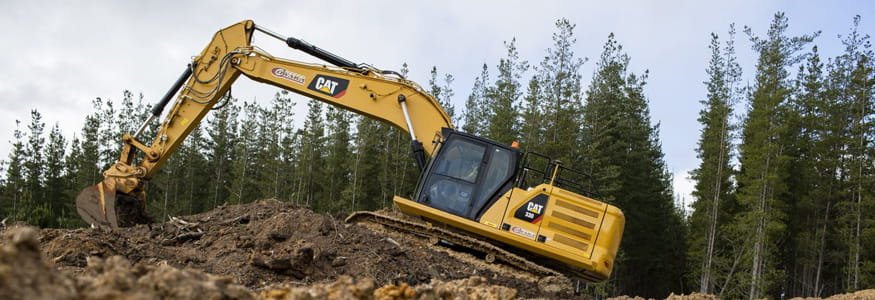
Used vs. New Excavators: Which Is Better for Your Project?
This depends on your specifications, requirements, and your wallet. It is like, “Do you buy a new or used car?”
New Excavators:
- Pros: Latest technology, warranty, minimal maintenance in the first few years.
- Cons: Higher upfront costs.
Used Excavators:
- Pros: Significant savings, quicker availability.
- Cons: Potential for hidden wear and tear, limited warranty.
| Excavator Condition | Best For | Pros | Cons |
|---|---|---|---|
| New Excavator | Long-term Projects | Latest Technology, Warranty | High Initial Cost |
| Used Excavator | Short-term, Budget-conscious Jobs | Lower Cost, Faster Availability | Possible Hidden Wear, Less Warranty |
Excavator Tips:
If you have a longer-term project, then buying a new machine could save money in maintenance. However, a lot of people who plan on short-term work projects may purchase a used machine if they are in good, working condition.
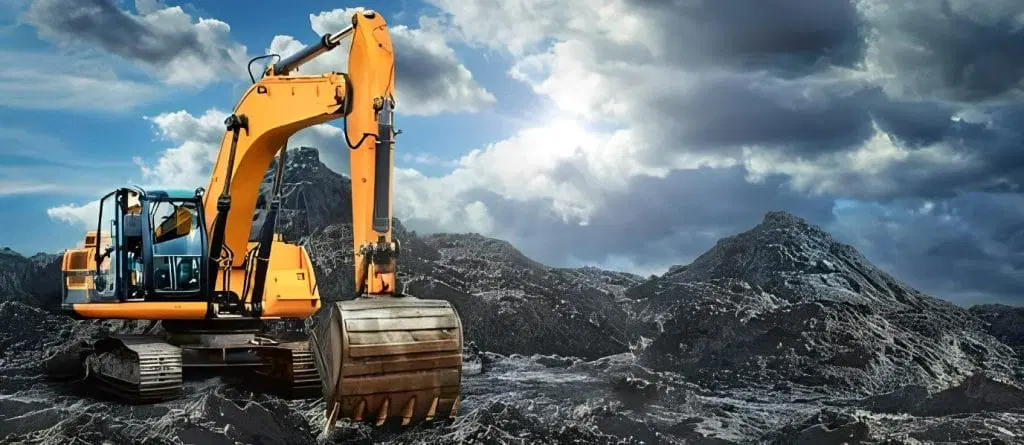
Budgeting for Your Excavator Purchase
The price can vary on the size, brand, and if it’s new or used. It’s similar to a car. You need to think about the upfront dollars, but you also need to think about the money you’ll pay your people with to operate it for two, five, or ten years and how reliable the machine is.
| Cost Factor | Estimated Cost |
|---|---|
| Initial Purchase Price | $30,000 – $200,000+ |
| Fuel Costs (per month) | $500 – $3,000+ |
| Maintenance (Annual) | $2,000 – $10,000+ |
Final Checklist Before Buying an Excavator
Inspect all damage to the vehicle, evaluate the hydraulic system, turn the machine on and off, work the excavator’s boom and bucket, and test all the controls.
| Inspection Factor | What to Check |
|---|---|
| Engine and Hydraulics | Engine hours, fluid leaks, pressure checks |
| Undercarriage | Wear on tracks, tracks’ tension |
| Documentation | Service records, inspection reports |
Excavator Tips:
Check all the damage on the machine, review the hydraulic system, turn it on and off, operate the arm and bucket, run all the controls.
Conclusion
Choosing the right excavator is critical to your project’s success. Think through the terrain, decide what size you need, consider brand reputation, decide if it fits your budget, and go buy it. With this advice and these tips, you should be well informed and able to make the correct decision to suit your project needs.
Follow us on :YouTube.