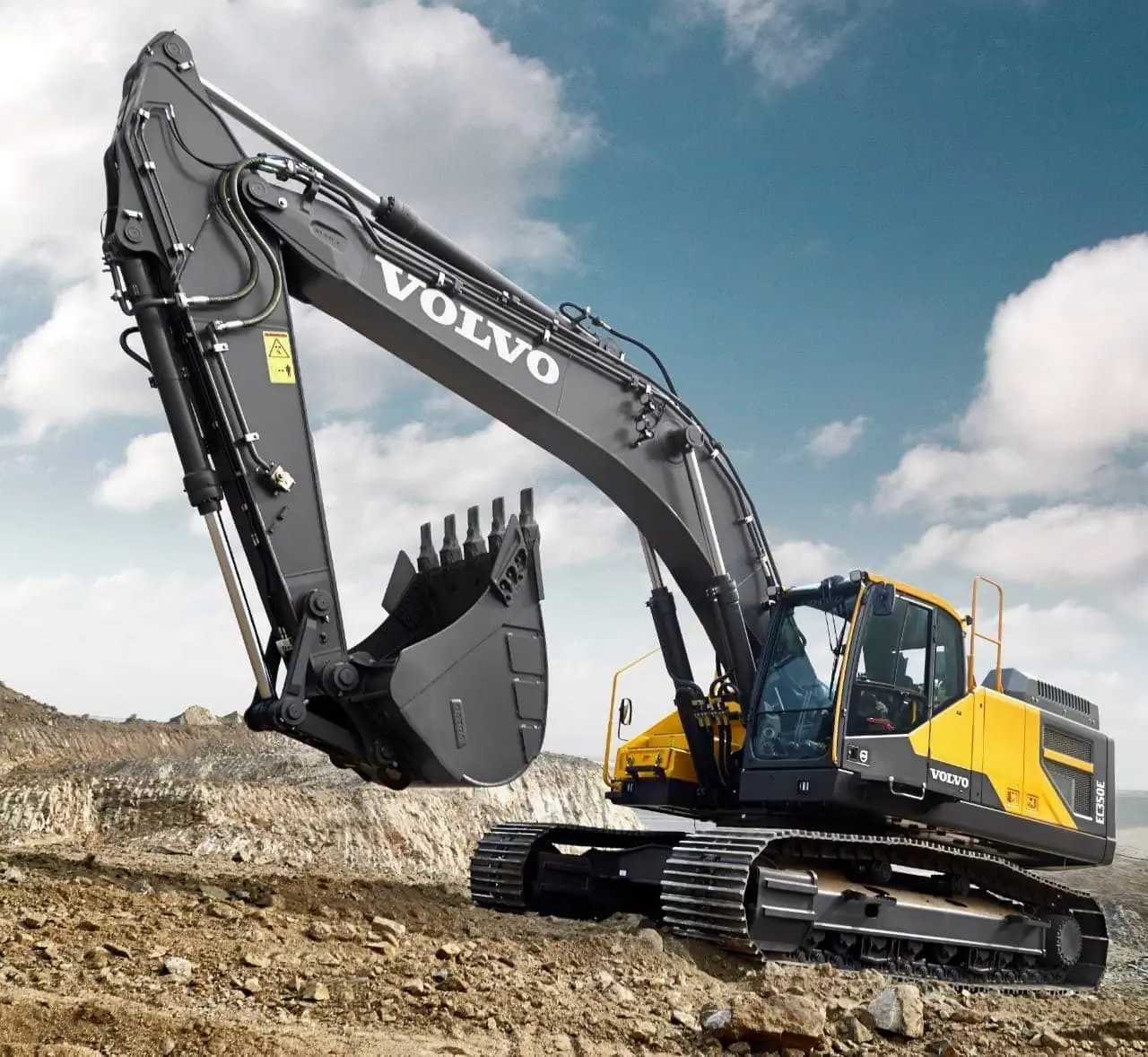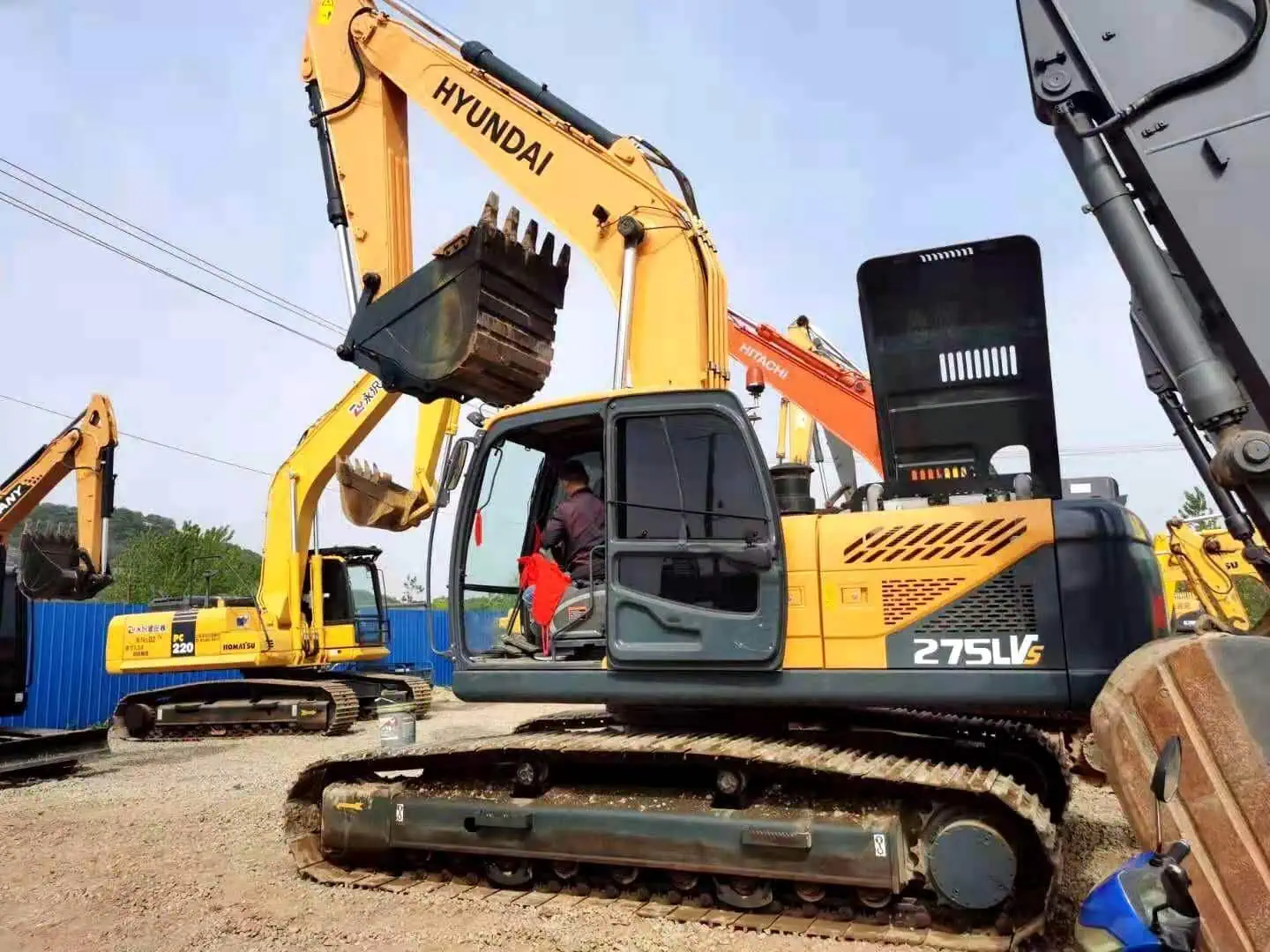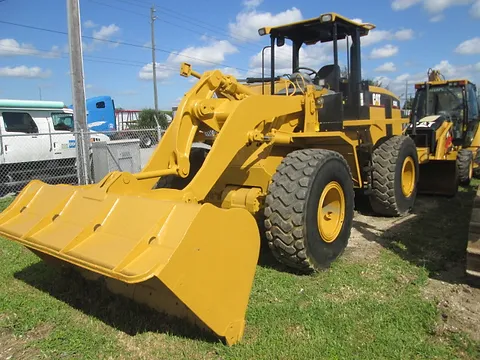
When you are purchasing an used excavator, you may focus only on excavator price, of course a lower price generally means better value. However, without proper excavator experience, the purchased excavators with just low price maybe unsuitable for the worksite, you may suffered from frequent breakdowns, costly to maintain or even delay the whole projects, negatively impacting profitability.
Utilizing excavator experience to its fullest potential is the answer. Quick machine performance inspection, supplier reliability assessment, long-term risk avoidance, and investment return maximization are all made possible by this expert experience. Buyers with rich excavator experience frequently make well-informed choices that can save money, time, and improve operational effectiveness. Experience with excavators by operators and suppliers is essential for choosing dependable used equipment, increasing productivity, and lowering long-term expenses.
So, what exactly does excavator experience entail and why is it essential in procurement decisions? Let us go on reading and find the answers.

1. What Is Excavator Experience?
There are two main components to an excavator experience:
Operator Experience: Information gleaned from practical experience on building sites, such as an awareness of machine performance, suitability for the job, and early detection of possible issues.
Experience with suppliers: Industry expertise from suppliers that covers sourcing, inspection, transportation, and post-purchase assistance to guarantee that machines live up to buyer expectations.
In conclusion, supplier experience guarantees that you receive a dependable machine, while operator experience aids in determining what machine you need.
| Experience Type | Core Value | Application | Potential Risk |
| Operator Experience | Assess if machine performance fits work conditions | Earthworks, mining, urban construction | Inexperienced operators may select the wrong model, reducing efficiency |
| Supplier Experience | Ensure machine quality and after-sales service | Used excavator procurement, export | Inexperienced suppliers may sell accident or refurbished machines |
Expert Tip: Buyers should combine operator feedback with supplier credibility instead of relying solely on price or outward appearance.
2. Why Operator Experience Matters in Used Excavator Selection
Experienced operators can identify whether a machine truly suits the worksite. Beyond specifications, they assess practical performance:
- Digging depth & bucket capacity: Critical for efficiency in different soil types
- Hydraulic responsiveness: Determines precision in confined or high-demand work
- Undercarriage durability & mobility: Ensures safe and stable movement across varying terrain
- Engine power & fuel consumption: Influences long-term operating costs
- Continuous work performance: Evaluates stability during extended shifts
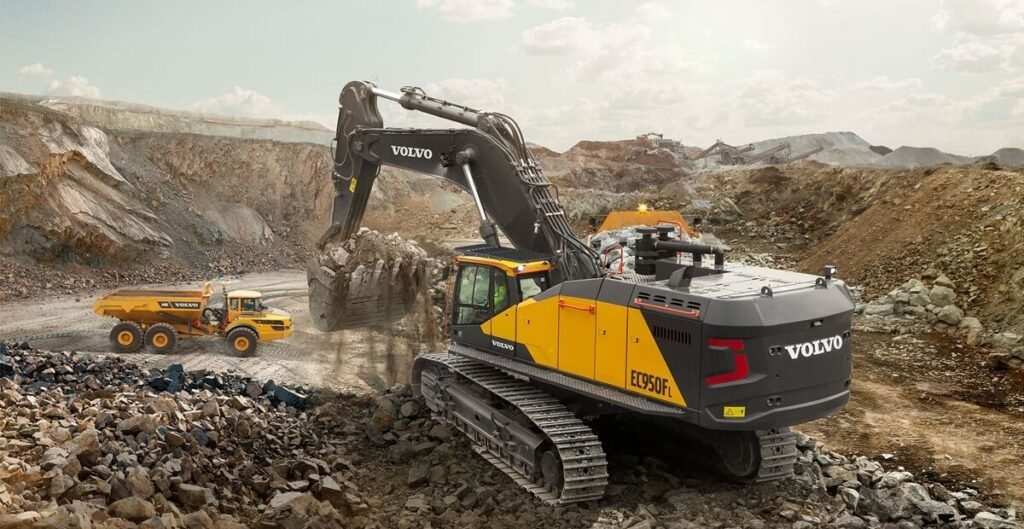
Worksite Examples:
Earthmoving projects: Operators should pay more attention to the bucket fill rate, cycle time and hydraulic response under heavy duty tasks; the CAT 320D is famous for its stability and durability.
Mining operations: Komatsu PC200 handles heavy, ongoing workloads; skilled operators assess track tension, engine temperature stability, and hydraulic pump pressure variations.
Urban construction: Compact and agile, the Sany SY215 is ideal for urban construction. Operator experience informs evaluations of turning radius, confined space safety, and fuel efficiency for stop-and-go operations.
Practical Tip: Evaluate fuel consumption, hydraulic response, and operator comfort by testing machines in various scenarios, such as empty, fully loaded and continuous excavation, based on the experience of the operator.
3. Why Supplier Excavator Experience Is Important
The used excavator market varies widely. Inexperienced suppliers may provide:
- Refurbished machines sold as original
- Falsified operating hours or maintenance logs
- Machines with hidden wear despite clean appearances
Experienced suppliers:
- Provide full set of inspection reports, maintenance history and third-party certifications
- Recommend the most suitable models and attachments based on buyer requirements
- Offer logistic support and warranty services for international shipments
HIXEN Example: With 14 years in export, HIXEN ensures timely delivery, verified inspections, and accurate documentation, minimizing procurement risks.s
| Buyer Type | Procurement Result | Long-term Benefit |
| Inexperienced | Frequent breakdowns, project delays | High maintenance cost, low profit |
| Experienced supplier | Stable machines, on-time delivery | High efficiency, increased profit |
Expert Tip: Always request detailed inspection reports and certifications from the supplier. Combined with operator excavator experience during inspection, this forms a reliable procurement strategy.

4. How Excavator Experience Affects Long-Term Costs
Many buyers almost exclusively consider the sticker price when assessing machinery. However, there may be long-term financial consequences if the Total Cost of Ownership (TCO) is ignored. Whether your investment turns into a financial burden or a source of profit depends heavily on your excavator experience.
Without excavator experience: Choosing the cheapest option is a common mistake made by buyers, who then have to deal with growing costs. Buying machines with hidden wear and tear can be the result of a lack of technical evaluation skills. This eventually results in expensive malfunctions, erratic performance, excessive fuel use, and project delays. The initial purchase price is frequently greatly exceeded by the total cost over the first three years.
With excavator experience: Expert purchasers look past the price tag. They consider brand reputation, hydraulic performance, engine condition, and service history. This insight guarantees longer component life, reduced repair frequency, and optimized fuel efficiency. More importantly, projects are completed on time, which boosts customer confidence and profitability.
| Cost Factor | Inexperienced Buyer | Experienced Buyer |
| Initial Price | Low | Slightly higher |
| 3-Year Maintenance | High | Low |
| Average Fuel Consumption | High | Stable |
| Project Completion Rate | Often delayed | High |
Expert Tip: Consider maintenance frequency, fuel usage, component life expectancy, and indirect costs due to project delays when calculating TCO.
5. How to Use Excavator Experience to Select the Right Machine
The performance, dependability and suitability of the machine for particular work conditions must all be thoroughly understood when choosing a used excavator. Excavator brand and price are not the only factors to consider. Excavator experience helps consumers at every important stage, from assessing brands to putting the machine through its paces in actual use. This guarantees that the selected device will provide long-term efficiency and value in addition to meeting the demands of the project today.
Brand Selection
CAT: Durable, high resale value, widely supported
Komatsu: Reliable, versatile for diverse applications
Sany: Affordable, lower maintenance cost
Machine Age
Ideal: 5–7 years. Too new increases cost; too old increases risk
Inspection Checklist
Engine leaks and signs of overheating
Hydraulic pump pressure and flow consistency
Track and undercarriage wear
Electrical and control system functionality
Test Operation
Check hydraulic responsiveness, engine power, and undercarriage mobility under various loads
Attachment Matching
Drill, breaker, grapple, or bucket depending on project needs
Practical Tip: During tests, measure fuel consumption, vibration, hydraulic performance, and operator comfort. Use excavator experience to judge long-term reliability.
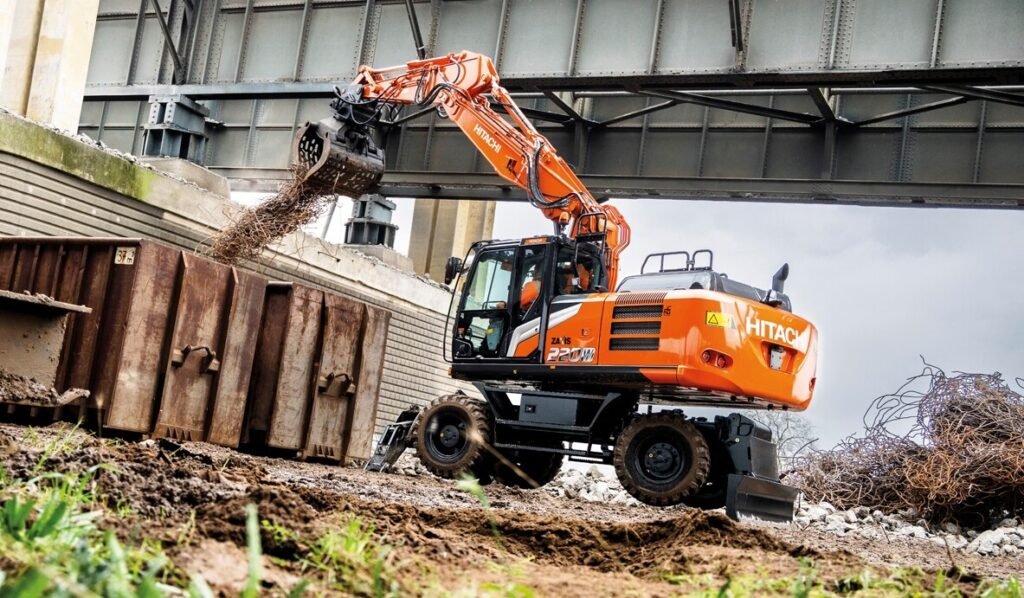
6. Operation & Maintenance Tips
Understanding that proper handling and regular planned maintenance are important to maximize the lifespan and efficiency of any excavator, it is crucial before beginning daily operation or maintenance routines. Operators and managers can avoid common problems, minimize downtime, and maintain consistent performance under all work conditions by utilizing their experience with excavators.
Operating Advice:
Steer clear of sudden stops and acceleration.
Adapt hydraulic pressure to the terrain and soil.
Check the bucket, pins, and hydraulic hoses on a regular basis.
Tips for Maintenance:
Observe the scheduled changes for hydraulic oil and filters.
Examine the electrical, hydraulic, engine, and undercarriage systems.
Plan component replacements in advance of failures using your knowledge of excavators.
Useful Tip: For trend analysis, keep a record of your operating hours, fuel usage, and minor malfunctions.7. Industry Trends and Recommendations
7.Industry Trends and Recommendations
Making wise choices when buying or using used excavators requires an full understanding of general industry trends. Buyers and operators can use excavator experience to make more informed, long-term decisions by keeping up with changes in the market, technology and operational procedures.
Global Market Growth: Mining expansions, urban construction growth, and infrastructure projects in developing nations are the main demand for used excavators. Buyers with experience are able to determine which models are reliable in their local conditions, maintain their value, and comply with regulations. Buyers can steer clear of expensive or ineffective machines by being aware of global market trends.
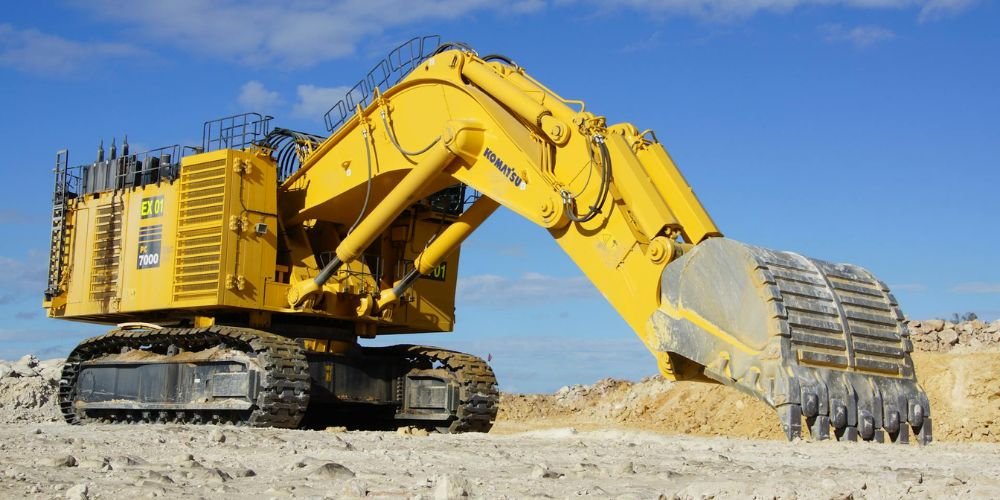
Smart Technology Integration: Telematics, sophisticated hydraulics, automated controls and remote monitoring are becoming more and more common function in modern used excavators. The experience of operating an excavator is greatly enhanced by knowing how these technologies impact performance, maintenance plans, and operational effectiveness. Operators who are familiar with these systems are able to anticipate component replacement before failures occur, maximize fuel efficiency, and identify early wear indicators.
Holistic Decision-Making: When choosing machines, experienced buyers always consider many factors, such as operational expertise, supplier reputation, cost analysis and long-term project requirements. A machine with a slightly higher initial cost but demonstrated dependability and reduced fuel consumption, for instance, can outperform less expensive models over a number of years. Rich excavator experience enables purchasers to weigh the long-term value against the initial investment.
Future Outlook: Experienced buyers and operators both have a bigger advantage as technology develops faster and further.Experienced operators can help increase machine life time, reduce unplanned downtime and maximize machine performance because they are familiar with smart systems, remote diagnostics and predictive maintenance tools. Businesses that make an effort to develop operator and management experience with excavators will be better equipped to adjust to changing industry standards, boost project productivity, and preserve a competitive edge in a rapidly expanding global market.
Conclusion
Purchasing a used excavator requires experience above all. Operator and supplier excavator experience ensures machines match worksite needs, minimizes risk, reduces costs, and maximizes project success. Price alone is never a sufficient guide—experience is the real asset for smart investment.
Follow us on :YouTube.