Introduction
Choosing between a telehandler vs forklift can feel overwhelming, especially when both machines appear capable of handling similar lifting tasks. Make the wrong choice, and you could face higher costs, limited efficiency, and operational constraints. In this guide, I’ll walk you through the real differences between a telehandler vs forklift so you can make a confident, informed buying decision.
Whether you’re in construction, agriculture, or logistics, understanding the telehandler vs forklift comparison is critical before investing in heavy equipment. I’ll break everything down in a simple, practical way so you can match the machine to your actual needs—not just specs on paper.
What Is the Main Difference Between a Telehandler vs Forklift? (Quick Answer)
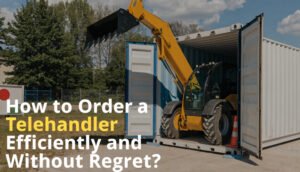
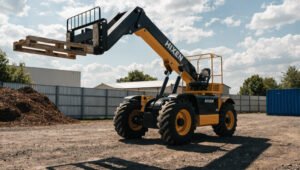
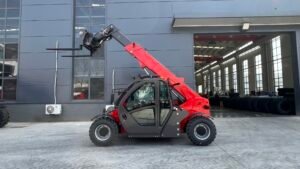
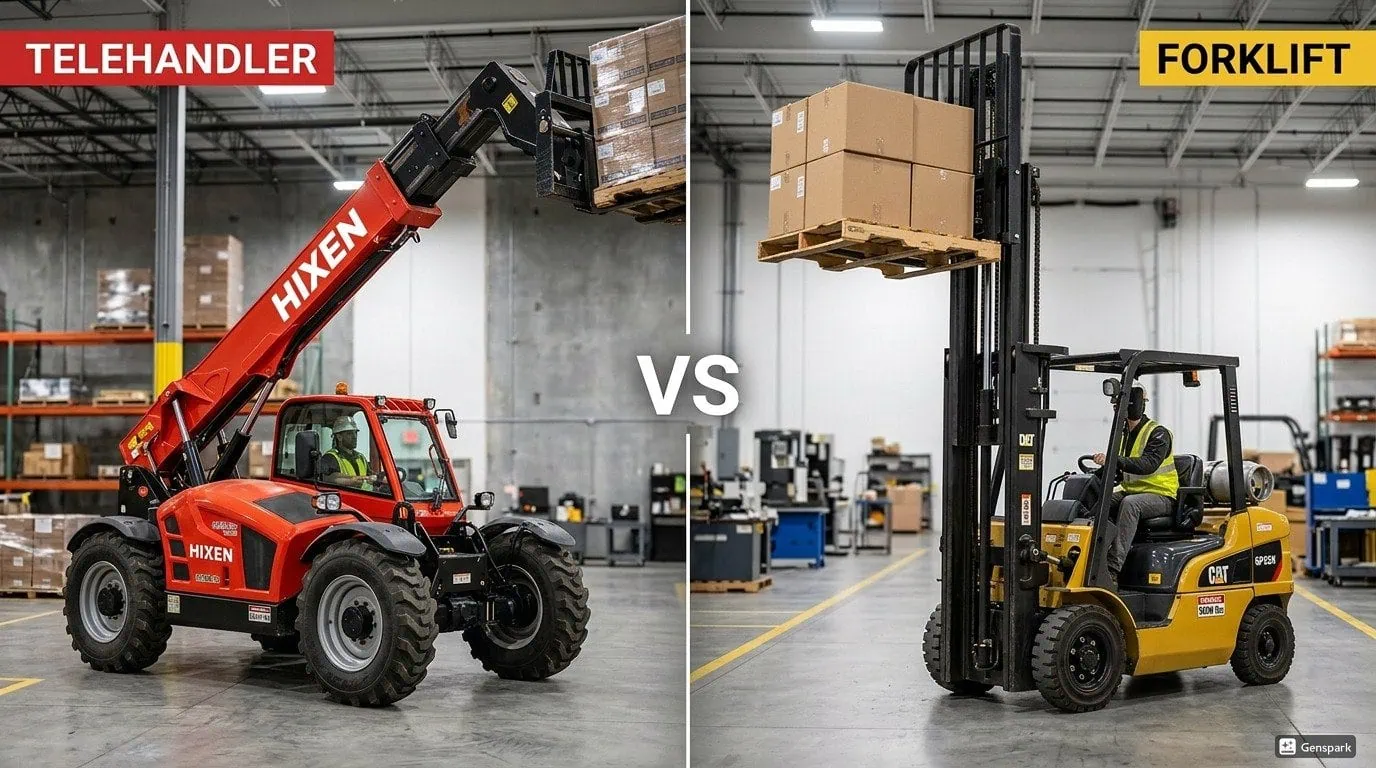
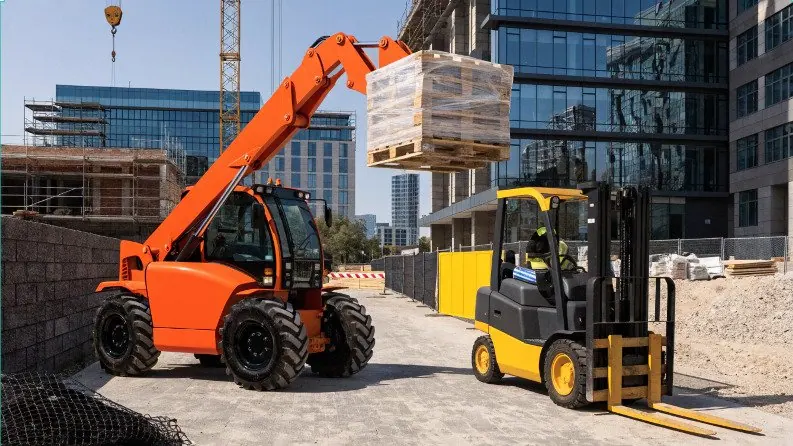
The main difference between a telehandler vs forklift is in reach, terrain capability, and versatility. A telehandler uses a telescopic boom, allowing it to lift loads higher and extend forward, making it ideal for construction and rough terrain. A forklift uses a vertical mast for stable lifting in warehouses and smooth environments. In short, a telehandler vs forklift comparison comes down to flexibility versus efficiency.
Telehandler vs Forklift: Quick Comparison Table
| Feature | Telehandler | Forklift |
|---|---|---|
| Lifting Mechanism | Telescopic boom | Vertical mast |
| Maximum Reach | Forward & upward | Vertical only |
| Terrain Capability | Rough terrain | Smooth surfaces |
| Attachments | Multiple | Limited |
| Cost | Higher | Lower |
| Best Use Case | Construction, agriculture | Warehousing, logistics |
This telehandler vs forklift comparison table gives you a quick overview before diving deeper.
What Is the Main Difference Between a Telehandler and a Forklift?
When comparing a telehandler vs forklift, the core difference lies in design, functionality, and intended working environment. A telehandler is engineered for versatility and outdoor performance, while a forklift is purpose-built for stability, efficiency, and precision in controlled indoor environments.
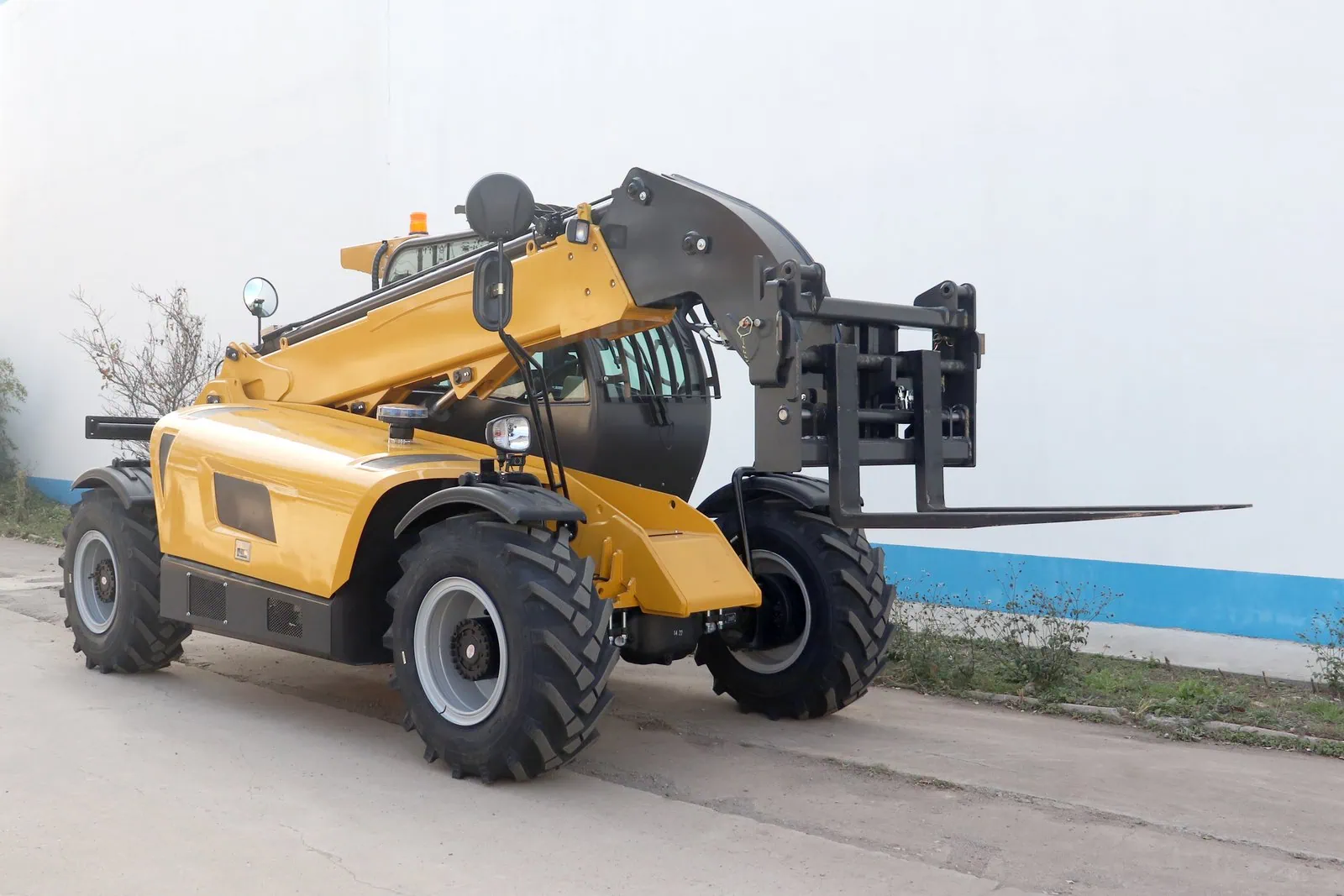
From a structural perspective, the telehandler or forklift difference starts with the lifting mechanism. A telehandler uses a telescopic boom that can extend both vertically and horizontally, while a forklift relies on a vertical mast system.
To make this clearer, here’s a quick structural comparison:
| Component | Telehandler | Forklift |
|---|---|---|
| Lifting System | Telescopic boom | Vertical mast |
| Movement Direction | Vertical + Forward | Vertical only |
| Machine Type | Multi-purpose | Specialized |
This table helps simplify the telehandler vs forklift comparison at a mechanical level.
A telehandler effectively combines the capabilities of multiple machines—it can function as a crane, loader, and forklift depending on the attachment used. This makes the telehandler vs forklift comparison especially important for buyers who want to reduce equipment costs.
Here’s how a telehandler expands functionality:
| Function | Telehandler Capability | Forklift Capability |
|---|---|---|
| Lift pallets | Yes | Yes |
| Act as crane | Yes | No |
| Move bulk material | Yes (bucket) | No |
| Elevated work | Yes | Limited |
Forklifts, by contrast, are highly specialized. They are designed for repetitive material handling tasks such as moving pallets and loading trucks. In a telehandler or forklift comparison, forklifts win in efficiency but lose in versatility.
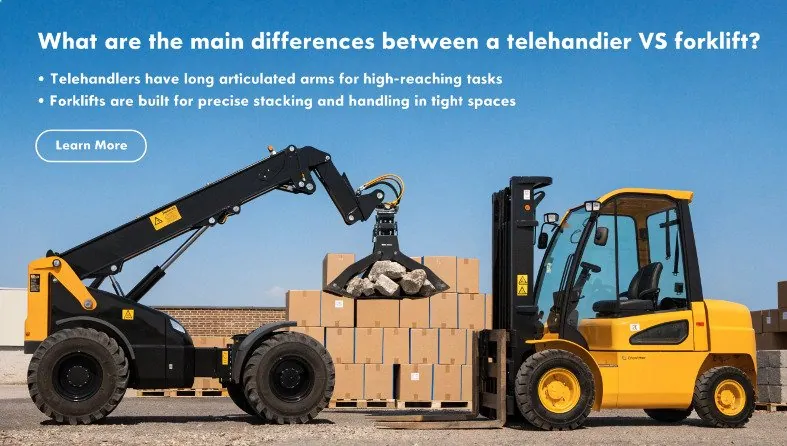
Another major factor in the telehandler vs forklift comparison is working environment.
| Environment Type | Best Machine | Reason |
|---|---|---|
| Rough terrain | Telehandler | Strong tires, high clearance |
| Construction site | Telehandler | Reach + flexibility |
| Warehouse | Forklift | Compact + maneuverable |
| Factory | Forklift | Stable and efficient |
In real-world applications, the telehandler vs forklift choice directly impacts productivity. Choosing the wrong machine can increase labor costs and slow down operations.
Can a Telehandler Replace a Forklift?
This is one of the most frequently asked questions in any telehandler vs forklift discussion. The answer depends on your working conditions and operational priorities.
In outdoor environments, a telehandler can often replace a forklift. It can handle uneven ground, lift to height, and perform multiple functions with different attachments.
Here’s a scenario comparison:
| Scenario | Telehandler | Forklift | Better Choice |
|---|---|---|---|
| Construction site lifting | ✅ | ❌ | Telehandler |
| Farm material handling | ✅ | ❌ | Telehandler |
| Warehouse pallet moving | ⚠️ | ✅ | Forklift |
| Narrow aisle operations | ❌ | ✅ | Forklift |
From this telehandler vs forklift table, you can clearly see that telehandlers dominate outdoors, while forklifts remain essential indoors.
Another key factor is equipment consolidation. Many buyers consider replacing forklifts to reduce fleet size.
| Factor | Telehandler Advantage |
|---|---|
| Multi-functionality | High |
| Attachment flexibility | High |
| Equipment replacement | Possible |
| Indoor efficiency | Low |
However, forklifts still outperform telehandlers in tight spaces due to their compact design.
So in a telehandler vs forklift comparison, replacement is possible—but only in the right context.
Which Should You Buy: Telehandler or Forklift? (Quick Answer)
If you’re deciding between a telehandler vs forklift, the right choice depends on your work environment, tasks, and budget.
Here’s a simplified decision table:
| Requirement | Best Choice |
|---|---|
| Outdoor work | Telehandler |
| Indoor warehouse | Forklift |
| Multi-purpose tasks | Telehandler |
| Budget-friendly option | Forklift |
| High reach needed | Telehandler |
| Tight space operation | Forklift |
This type of telehandler vs forklift decision framework helps buyers quickly identify the right machine.
To go deeper, ask yourself:
| Question | If YES → Choose |
|---|---|
| Do I need forward reach? | Telehandler |
| Do I work on uneven ground? | Telehandler |
| Do I handle pallets indoors daily? | Forklift |
| Do I want one machine for multiple tasks? | Telehandler |
| Do I need low-cost equipment? | Forklift |
In the telehandler vs forklift buying process, clarity on your daily operations is more important than specs alone.
In many cases, businesses eventually invest in both machines. However, if you must choose one, aligning your needs with the telehandler vs forklift comparison above will help you make a smarter and more profitable decision.
Key Differences Between Telehandler vs Forklift
Lifting Height and Reach
| Machine | Max Lift Height | Forward Reach |
|---|---|---|
| Telehandler | Up to 20m+ | Yes |
| Forklift | 3–6m typical | No |
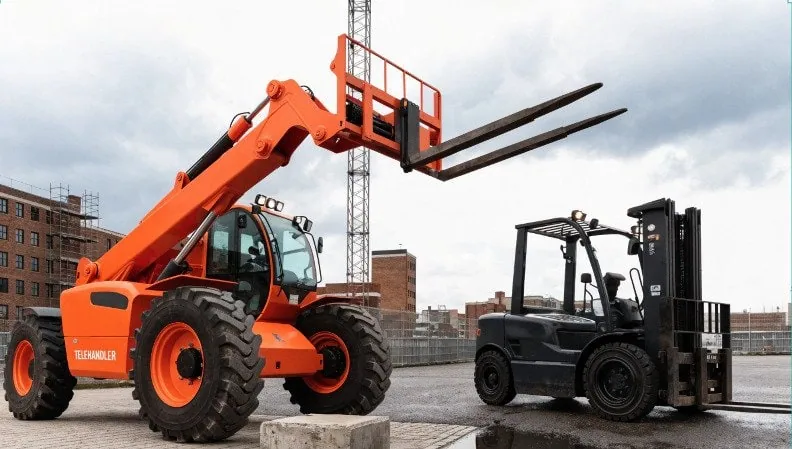
In any telehandler vs forklift comparison, telehandlers clearly dominate in height and reach. This is crucial for construction projects where materials must be placed at elevated positions.
Load Capacity
Forklifts generally offer higher load capacity at lower heights. In contrast, telehandlers balance load with extended reach, which can slightly reduce capacity at maximum extension.
When analyzing telehandler vs forklift, it’s important to consider not just weight, but also how that weight is distributed during lifting.
Terrain Capability
Terrain is one of the biggest differences in the telehandler vs forklift debate. Telehandlers are equipped with large tires and powerful suspension systems, making them suitable for mud, gravel, and uneven surfaces.
Forklifts, by contrast, are designed for smooth floors like concrete. Using them outdoors can significantly reduce efficiency and safety.
Maneuverability
Forklifts excel in tight spaces such as warehouses and loading docks. Their small turning radius makes them highly efficient indoors.
Telehandlers require more space due to their size and boom movement. Therefore, in a telehandler vs forklift comparison, forklifts win in maneuverability.
Attachments and Versatility
| Attachment Type | Telehandler | Forklift |
|---|---|---|
| Forks | Yes | Yes |
| Bucket | Yes | No |
| Crane Hook | Yes | No |
| Work Platform | Yes | Limited |
A major advantage in the telehandler vs forklift comparison is versatility. Telehandlers can switch attachments quickly, transforming into different machines.
This flexibility is one reason why many buyers prefer telehandlers for long-term investment.
Telehandler vs Forklift Cost Comparison
| Cost Factor | Telehandler | Forklift |
|---|---|---|
| Purchase Price | High | Lower |
| Maintenance | Moderate–High | Low–Moderate |
| Fuel Efficiency | Moderate | High |
| Resale Value | High | Moderate |
From a financial perspective, the telehandler vs forklift decision depends on your budget and long-term goals.
Although telehandlers cost more upfront, their multi-functionality can reduce the need for additional equipment, ultimately saving money.
Why More Buyers Are Choosing Telehandlers Over Forklifts
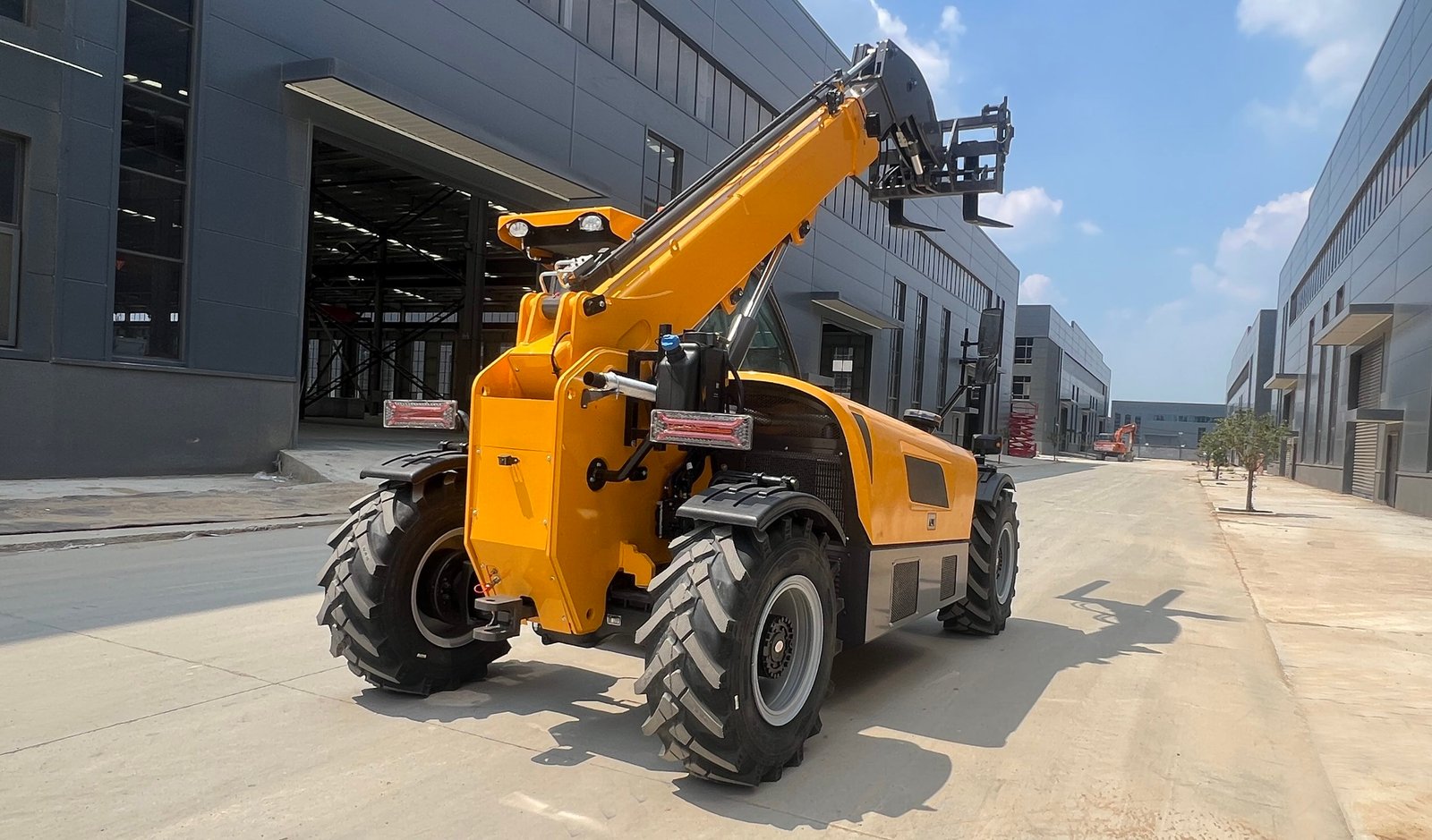
In recent years, the telehandler vs forklift trend has clearly shifted toward telehandlers, especially in industries that demand flexibility, efficiency, and outdoor performance. Buyers are no longer just looking for a machine that can lift—they want equipment that can handle multiple tasks, adapt to different environments, and deliver long-term value.
One of the biggest reasons behind this shift in the telehandler vs forklift comparison is the growing demand for multi-functionality. A telehandler is not just a lifting machine—it can act as a forklift, crane, and loader depending on the attachment used. This allows businesses to reduce the number of machines they need on-site.
Multi-Functionality Advantage
| Capability | Telehandler | Forklift |
|---|---|---|
| Lift pallets | ✅ | ✅ |
| Reach forward | ✅ | ❌ |
| Work as crane | ✅ | ❌ |
| Handle bulk materials | ✅ | ❌ |
| Use multiple attachments | ✅ | Limited |
From this telehandler vs forklift comparison, it’s clear that telehandlers offer significantly more versatility. This is especially valuable for construction companies and farms that need to perform different types of tasks throughout the day.
Cost Efficiency Over Time
While telehandlers typically have a higher upfront cost, many buyers now understand that the total cost of ownership is more important in a telehandler vs forklift decision.
| Cost Factor | Telehandler | Forklift |
|---|---|---|
| Initial Purchase | Higher | Lower |
| Number of Machines Needed | Fewer (multi-purpose) | More (specialized) |
| Long-Term ROI | High | Moderate |
| Equipment Replacement | Possible | Limited |
In this telehandler vs forklift analysis, telehandlers often deliver better ROI because they can replace multiple machines. Instead of buying a forklift, crane, and loader separately, businesses can invest in one telehandler.
Adaptability to Harsh Environments
Another major reason buyers prefer telehandlers in the telehandler vs forklift comparison is their ability to operate in challenging environments.
| Condition | Telehandler Performance | Forklift Performance |
|---|---|---|
| Rough terrain | Excellent | Poor |
| Mud / gravel | Strong | Limited |
| Slopes | Stable | Risky |
| Outdoor weather | Reliable | Restricted |
Telehandlers are built for real-world job sites, not just controlled environments. This makes them essential for industries like construction, mining, and agriculture.
Increased Productivity and Efficiency
Efficiency is another key factor driving the telehandler vs forklift shift. Telehandlers reduce the need for manual labor and additional equipment.
For example:
- A telehandler can lift materials directly to upper floors
- It can reach across obstacles without repositioning
- It reduces the number of handling steps
Here’s a productivity comparison:
| Productivity Factor | Telehandler | Forklift |
|---|---|---|
| Task flexibility | High | Low |
| Repositioning frequency | Low | High |
| Task completion speed | Faster (multi-tasking) | Fast (single task only) |
| Labor dependency | Lower | Higher |
In the telehandler vs forklift comparison, telehandlers improve workflow efficiency in complex job sites.
Technological Advancements
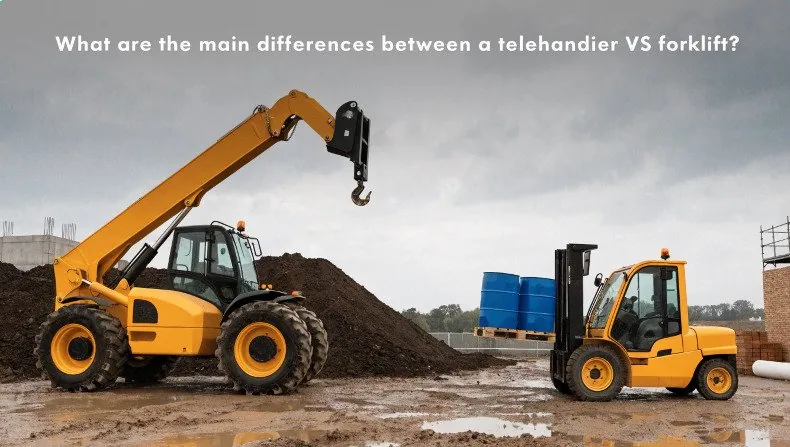
Modern telehandlers have evolved significantly, which is another reason why the telehandler vs forklift preference is shifting.
| Feature | Telehandler | Forklift |
|---|---|---|
| Load monitoring system | Advanced | Basic |
| Smart controls | Available | Limited |
| Safety sensors | Advanced | Standard |
| Operator assistance systems | Increasingly common | Basic |
These innovations make telehandlers safer and easier to operate than before, reducing the traditional gap in complexity in the telehandler vs forklift debate.
Business Scalability
For growing businesses, scalability is crucial. The telehandler vs forklift decision often impacts how easily a company can expand operations.
| Growth Factor | Telehandler Advantage |
|---|---|
| Multi-task capability | High |
| Adaptability to new jobs | Strong |
| Equipment flexibility | Excellent |
| Expansion readiness | High |
A telehandler allows businesses to take on a wider range of projects without investing in new equipment each time.
Buyer Decision Trends
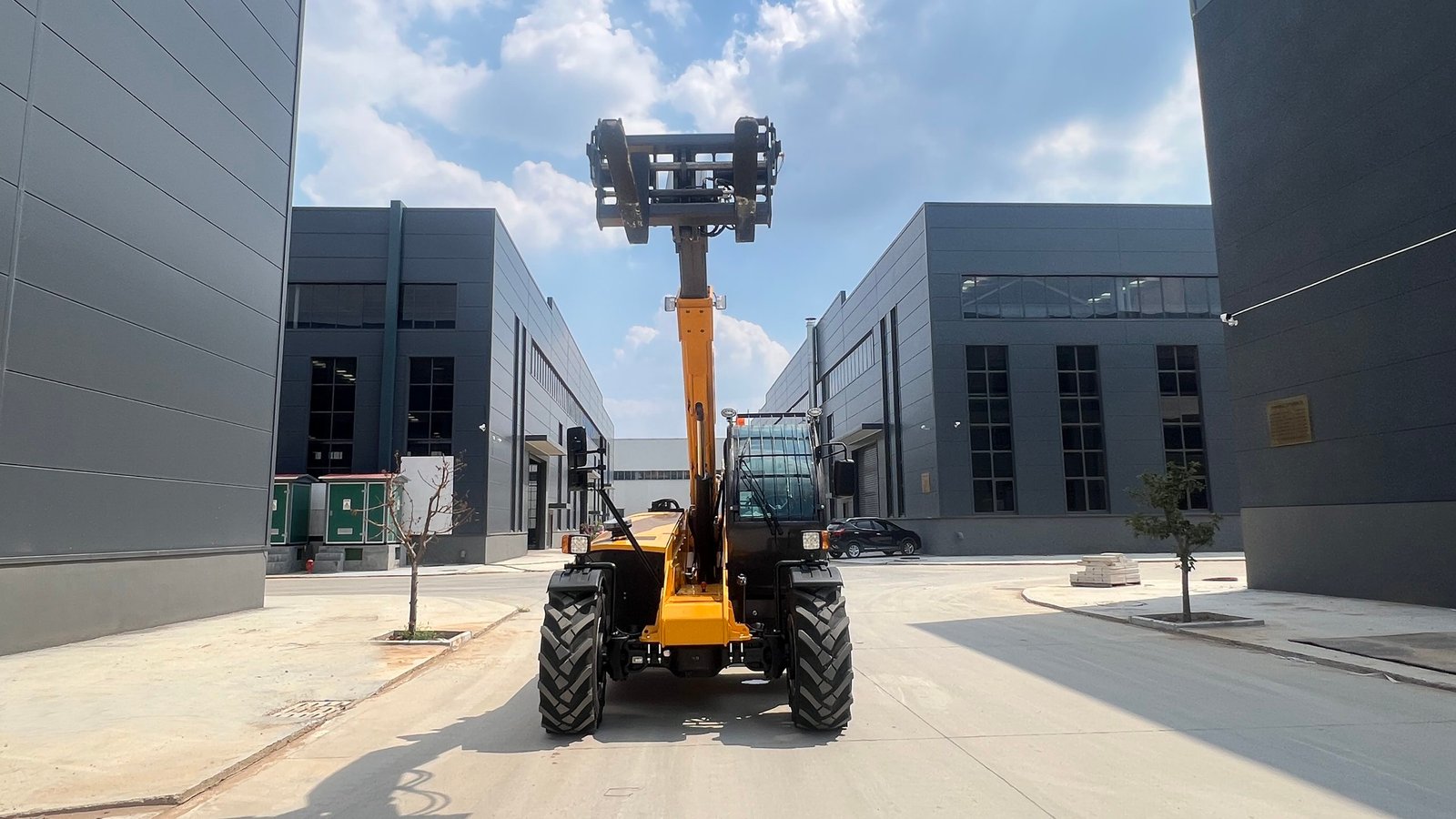
Let’s summarize why buyers are shifting in the telehandler vs forklift market:
| Key Reason | Impact on Decision |
|---|---|
| Multi-functionality | Reduces equipment needs |
| Long-term ROI | Better investment |
| Outdoor performance | Essential for many industries |
| Versatility | Supports multiple applications |
| Technology improvements | Safer and easier to use |
Final Insight
In the evolving telehandler vs forklift landscape, the decision is no longer just about lifting capacity—it’s about overall value, flexibility, and efficiency.
More buyers are choosing telehandlers because they align with modern operational needs: doing more with less, adapting quickly, and maximizing return on investment.
While forklifts still dominate in warehouses, the broader telehandler vs forklift trend shows a clear shift toward telehandlers in dynamic, real-world applications.
Telehandler vs Forklift for Different Industries
When evaluating a telehandler vs forklift, one of the most effective ways to decide is by analyzing your industry requirements. Different industries demand different capabilities, and choosing the wrong machine can significantly impact productivity, safety, and costs.
Here’s a more detailed industry comparison:
| Industry | Best Choice | Key Reason |
|---|---|---|
| Construction | Telehandler | საჭირes height, reach, and rough terrain capability |
| Agriculture | Telehandler | Multi-purpose use (lifting, loading, feeding) |
| Warehousing | Forklift | Tight spaces and repetitive pallet handling |
| Logistics | Forklift | Speed and efficiency in material movement |
| Mining | Telehandler | Harsh environments and heavy-duty lifting |
| Ports | Forklift | Container handling and indoor/outdoor hybrid operations |
| Infrastructure | Telehandler | Bridge, road, and high-access work |
| Retail Storage | Forklift | Indoor shelving and inventory handling |
In this telehandler vs forklift comparison, telehandlers dominate industries that require flexibility and outdoor performance, while forklifts remain essential in structured, indoor environments.
To go deeper, let’s break down how each machine performs within specific industries:
Construction Industry
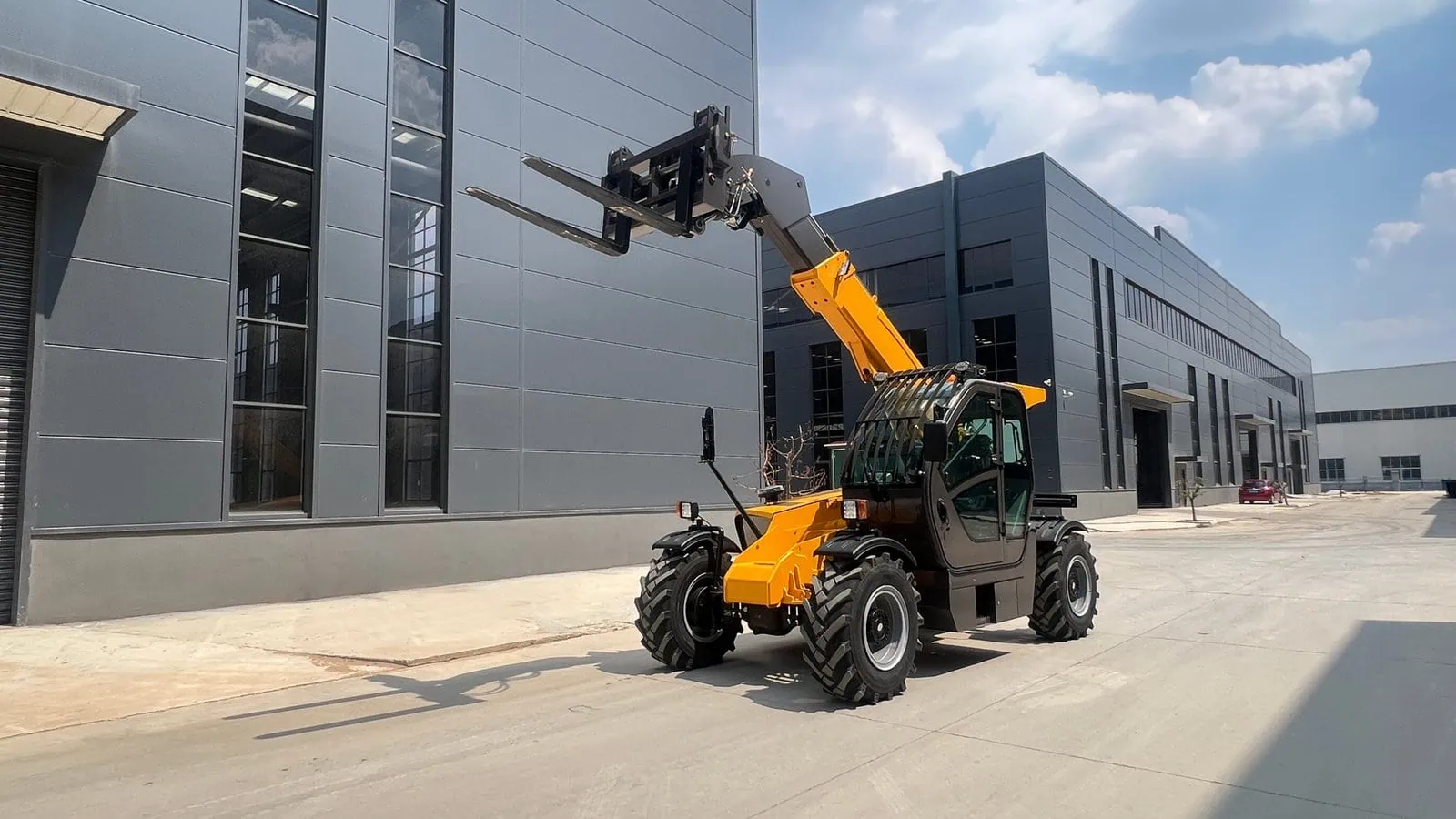
In construction, the telehandler vs forklift decision almost always favors telehandlers.
| Task | Telehandler | Forklift |
|---|---|---|
| Lifting materials to height | ✅ | ❌ |
| Operating on uneven ground | ✅ | ❌ |
| Reaching over obstacles | ✅ | ❌ |
Telehandlers are essential for lifting bricks, steel, and concrete to upper levels, making them irreplaceable on job sites.
Agriculture Industry
Farm operations require flexibility, making the telehandler vs forklift comparison clearly favor telehandlers.
| Task | Telehandler | Forklift |
|---|---|---|
| Moving hay bales | ✅ | ❌ |
| Feeding livestock | ✅ | ❌ |
| Loading bulk materials | ✅ | ⚠️ |
Telehandlers can switch attachments quickly, which is critical for daily farm operations.
Warehousing & Logistics
In indoor environments, the telehandler vs forklift comparison shifts toward forklifts.
| Requirement | Telehandler | Forklift |
|---|---|---|
| Narrow aisle operation | ❌ | ✅ |
| Fast pallet movement | ⚠️ | ✅ |
| Continuous operation | ⚠️ | ✅ |
Forklifts are designed for efficiency, making them the backbone of logistics operations.
Real-World Applications: Telehandler vs Forklift
Understanding real-world scenarios is crucial in any telehandler vs forklift evaluation. Machines don’t operate in theory—they operate in complex, changing environments.
Here’s a more detailed breakdown:
| Application Scenario | Telehandler Role | Forklift Role |
|---|---|---|
| Construction Sites | Lift materials to height, reach across gaps | Limited use |
| Farms | Handle feed, hay, and bulk materials | Minimal use |
| Warehouses | Occasional heavy lifting | Primary equipment |
| Shipping Yards | Load/unload irregular cargo | Handle containers and pallets |
| Infrastructure Projects | Support elevated work | Rarely used |
Let’s expand on these:
- Construction Sites: In a telehandler vs forklift comparison, telehandlers allow operators to place materials exactly where needed, reducing manual labor.
- Farms: Telehandlers act as multi-purpose machines, making them far superior in this telehandler vs forklift scenario.
- Warehouses: Forklifts dominate due to speed and precision.
- Ports & Shipping: Forklifts handle standardized loads efficiently, giving them an advantage in this telehandler vs forklift use case.
These real-world examples show that the telehandler vs forklift choice directly affects workflow efficiency and labor costs.
Safety Differences: Telehandler vs Forklift
Safety is a critical factor when comparing a telehandler vs forklift, especially in high-risk industries like construction and logistics.
Core Safety Comparison
| Safety Feature | Telehandler | Forklift |
|---|---|---|
| Stability on rough terrain | High | Low |
| Load monitoring system | Advanced | Basic |
| Center of gravity | Variable (boom extends) | Low and stable |
| Operator complexity | Higher | Lower |
Telehandler Safety
Telehandlers are designed with advanced safety systems, but they require skilled operators.
| Feature | Benefit |
|---|---|
| Load management system | Prevents overload |
| Stabilizers (some models) | Improves balance |
| Elevated visibility | Better job site awareness |
However, in a telehandler vs forklift comparison, improper use of a telehandler can increase risk due to its extended boom.
Forklift Safety
Forklifts are simpler and safer in controlled environments.
| Feature | Benefit |
|---|---|
| Low center of gravity | High stability |
| Simple controls | Easy operation |
| Predictable movement | Lower accident risk |
In a telehandler vs forklift safety comparison, forklifts are safer indoors, while telehandlers are safer outdoors when used correctly.
Pros and Cons of Telehandler vs Forklift
A clear pros and cons analysis is essential in any telehandler vs forklift decision.
Telehandler Pros and Cons
| Pros | Cons |
|---|---|
| High reach and forward extension | Higher purchase cost |
| Multi-functional attachments | Requires skilled operator |
| Works on rough terrain | Larger space required |
| Can replace multiple machines | Higher maintenance complexity |
Telehandlers are ideal for buyers who prioritize flexibility in a telehandler vs forklift comparison.
Forklift Pros and Cons
| Pros | Cons |
|---|---|
| Lower cost | Limited reach |
| Easy to operate | Not suitable for rough terrain |
| High efficiency indoors | Limited versatility |
| Compact design | Cannot perform multi-purpose tasks |
Forklifts remain the best option for efficiency-focused operations in the telehandler vs forklift debate.
Final Insight: Choosing Based on Real Needs
At this stage, the telehandler vs forklift decision should be much clearer. The key is not which machine is “better,” but which machine is better for your specific application.
Here’s a final decision matrix:
| Priority | Best Choice |
|---|---|
| Versatility | Telehandler |
| Indoor efficiency | Forklift |
| Outdoor performance | Telehandler |
| Budget control | Forklift |
| Multi-purpose operations | Telehandler |
In the end, a smart telehandler vs forklift decision is one that aligns with your operational needs, environment, and long-term business goals.
Conclusion
When evaluating a telehandler vs forklift, there is no one-size-fits-all answer. Telehandlers provide unmatched versatility, reach, and outdoor capability, making them ideal for demanding job sites. Forklifts, on the other hand, deliver efficiency, affordability, and precision for indoor operations.
By fully understanding the telehandler vs forklift differences, you can choose the right equipment to improve productivity, reduce costs, and maximize your return on investment.
Follow us on :YouTube.