Buying a telehandler feels exciting. But choosing the wrong one costs you time and money. This mistake can hurt your business for years to come.
The most common mistakes are misjudging lift capacity and reach, ignoring the total cost of ownership, overlooking terrain needs, and neglecting operator training. These errors happen when you focus only on the initial price instead of the machine’s long-term value and job suitability.
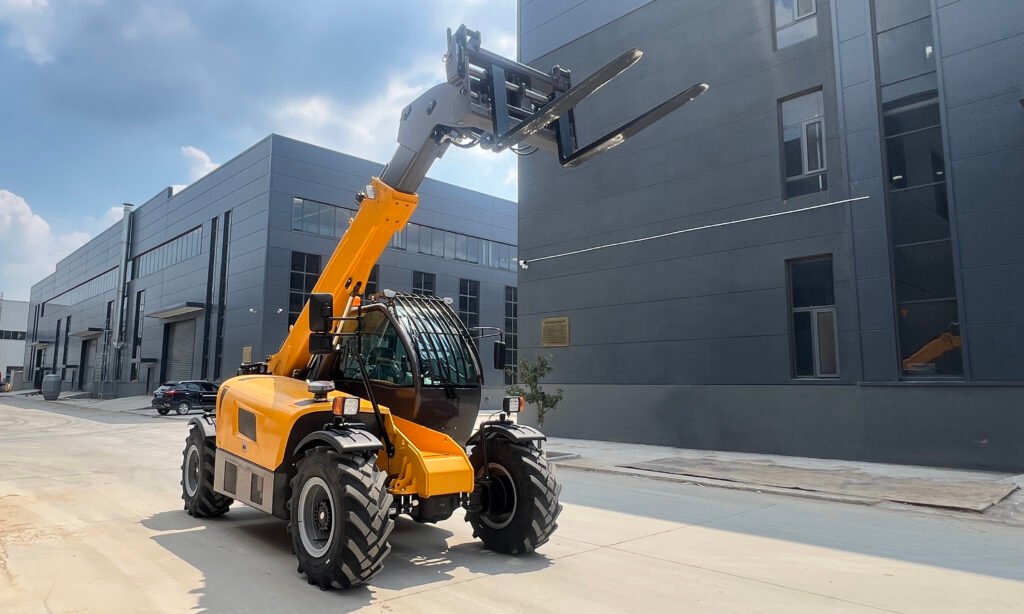
I’ve been exporting telehandlers from our factory in China for 15 years. In that time, I’ve seen customers make the same costly errors again and again. It’s frustrating to watch good people waste their money. So, I want to walk you through these common mistakes. Let’s break them down one by one. This will help you make a much smarter choice for your business.
How is telehandler rated capacity misjudged?
You see a 4-ton capacity rating and think it can lift 4 tons anywhere. But when you extend the boom to reach a high spot, the machine’s alarm sounds. This simple misunderstanding is dangerous.
Rated capacity is often misjudged because buyers only look at the maximum capacity. This number only applies when the boom is retracted and low. The actual, safe lifting capacity decreases a lot as the boom extends up and out. You must check the load chart.
A telehandler’s real strength isn’t one single number. It’s a whole range of numbers shown on a load chart. This chart is the most important document for safe operation, but many buyers ignore it. They just ask, “How much can it lift?” instead of “How much can it lift at 10 meters high and 5 meters out?” This is a critical mistake. The load chart shows you exactly how much weight you can safely lift at any given height and reach. Ignoring it is like driving a car without a speedometer. You are guessing, and guessing can lead to tipping the machine over, which damages the equipment, the materials, and can seriously injure people.
Understanding the Load Chart
The load chart is your guide to safety and performance. Here is a simple breakdown:
| Boom Extension | Lift Height | Safe Capacity |
|---|---|---|
| 2 meters | 3 meters | 4000 kg |
| 5 meters | 8 meters | 2500 kg |
| 7 meters | 10 meters | 1000 kg |
As you can see, the further you reach, the less you can lift. You must train your operators to read and respect this chart before every single lift. It is not just a suggestion; it is a hard limit for the machine’s stability.
Why Do Buyers Select the Wrong Telehandler Size?
Your new telehandler arrives, but it’s too big to get through the main gate. Or it’s too small and can’t reach the roof. Now you’re stuck with an inefficient machine.
Buyers often select the wrong size by focusing on one big, future job instead of their typical daily tasks. They either buy a machine that is too large and can’t move around in tight spaces, or one that is too small and lacks the reach for future projects.

Choosing the right size is a balance. I often talk to customers who are preparing for a big project in six months. They want a machine with an 18-meter reach for that one job. But their daily work only requires a 10-meter reach. Buying the bigger machine means they will struggle every day with a less nimble, more expensive, and less fuel-efficient machine. The opposite is also true. A buyer saves money with a smaller machine but then has to rent a second machine for bigger jobs. You need to think about your entire range of work, not just the biggest or smallest task.
Matching the Machine to Your Site
Before you buy, measure your job site and think about your future needs.
- Assess Your Current Needs: What is the average weight you lift? What is the most common height and reach you need?
- Measure Your Site: Check the height of doorways, the width of gates, and the average space you have to turn around. A machine’s turning radius is a very important number for tight work sites.
- Plan for the Future: Do you expect your projects to get bigger in the next few years? It might be smart to buy a machine with a little extra capacity or reach, but don’t overdo it. A machine that is too big is just as bad as one that is too small.
Why Overlook Buying a Telehandler Tires and Terrain?
You bought a great machine with a powerful engine. But on the first rainy day, it gets stuck in the mud. The standard tires are not right for your site, and now your project is stopped.
Buyers overlook tires because they seem like a minor detail compared to lift capacity or brand. But the wrong tires cause poor traction, instability, and quick wear. This mistake hurts safety and efficiency, especially on muddy, uneven, or sloped ground.
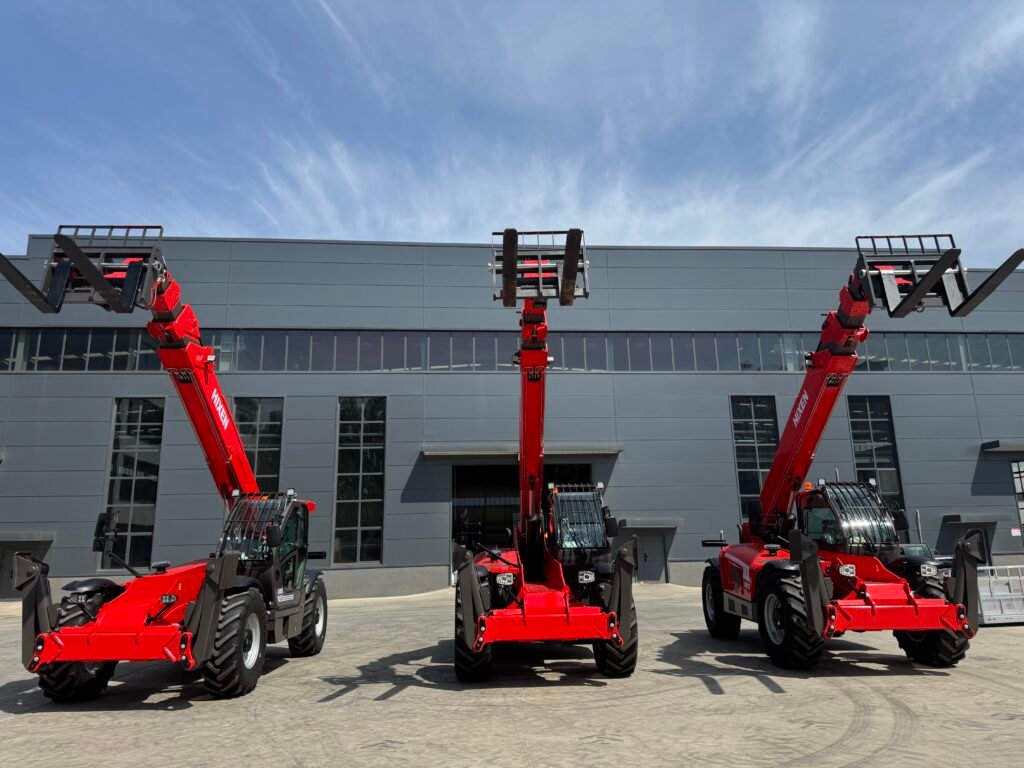
From my factory in Shandong, we ship telehandlers all over the world. We know that a machine going to a paved warehouse in Germany needs different tires than one going to a muddy farm in Brazil. The tires connect the machine’s power to the ground. If that connection is weak, the machine is useless. You also need to consider the steering modes. For open fields, standard front-wheel steering is fine. But for moving material between tight rows of buildings, four-wheel steer or crab steer is essential. Thinking about the ground you work on is just as important as thinking about the loads you lift.
Tires and Steering Matter
Choosing the right options for your terrain is key.
Tire Types
| Tire Type | Best For | Downside |
|---|---|---|
| Pneumatic (Air-filled) | Rough terrain, provides a smooth ride | Can be punctured |
| Solid | Paved surfaces, recycling yards | Bumpy ride, less traction on dirt |
| Foam-filled | Puncture-prone sites (demolition) | Heavy, expensive |
Steering Modes
- Two-Wheel Steer: Best for traveling on roads. Simple and stable at speed.
- Four-Wheel Steer: For tight turns. The rear wheels turn opposite the front.
- Crab Steer: All four wheels turn in the same direction. Perfect for moving sideways in tight spaces.
Why Do Buyers Ignore the Total Cost of a Telehandler?
That cheap telehandler looked like a great deal. But now, constant repairs and high fuel bills are killing your budget. That low price tag was hiding the real, much higher cost.
Buyers ignore the total cost because the initial purchase price is the most visible number. They don’t think about long-term costs like fuel, maintenance, parts availability, and downtime. A cheaper machine can easily become more expensive over its lifetime.
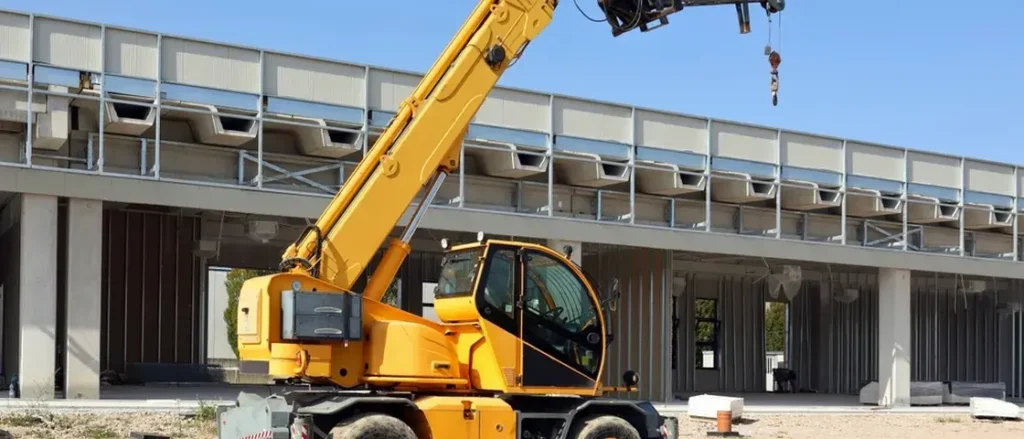
I call this the “cheap trap.” A buyer saves $10,000 on the purchase price but ends up spending an extra $20,000 over five years. Why? Because the cheaper machine uses more fuel. Its filters and parts are harder to find or more expensive. And when it breaks down, it might take a week to get a technician, and your whole project stops. This downtime is a huge hidden cost. A quality machine from a manufacturer with good support might cost more upfront, but it saves you a lot of money and headaches in the long run. You are not just buying a machine; you are investing in a tool for your business.
Calculating the Real Cost
Look beyond the sticker price. Ask the seller these questions:
| Cost Factor | What to Ask |
|---|---|
| Operating Costs | What is the average fuel consumption per hour? |
| Maintenance | How much do filters cost? How often must I change oil? |
| Parts | Do you have a parts warehouse in my country? How fast can I get parts? |
| Downtime | What is your service response time? |
| Resale Value | What is the typical resale value of this model after 5 years? |
Why Forget About Future Attachments and Versatility?
You need to move some gravel, but your telehandler only has forks. You want to rent a bucket attachment, but your machine doesn’t have the right hydraulic connections. You bought a machine for one job, and now it’s useless for another.
Buyers forget about future attachments because they are focused on solving today’s problem. They buy a base model without extra hydraulic lines or a quick-coupler system. This limits the machine’s versatility and forces them to buy or rent more equipment later.
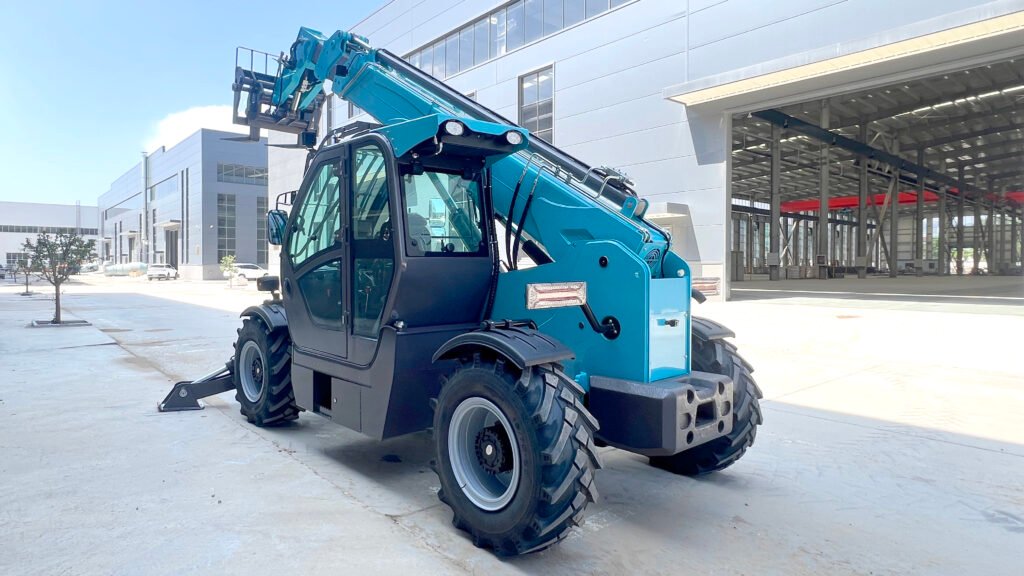
A telehandler’s greatest strength is its versatility. It can be a forklift, a crane, a wheel loader, and an access platform all in one machine. But it can only do these things if it is properly equipped. When we build our telehandlers, we always ask the customer, “What will you do with this machine next year?” Adding an extra hydraulic line or a universal quick-coupler during manufacturing is easy and cheap. Adding it later is difficult and expensive. A truly valuable machine is one that can adapt and grow with your business. Don’t buy a one-trick pony. Buy a multi-tool.
Plan for More Than Just Forks
A telehandler can be the most useful machine on your site if you plan ahead.
- Common Attachments: Think about what you might need in the future. Popular options include general-purpose buckets, grapple buckets, lifting jibs, and man baskets.
- Auxiliary Hydraulics: To power these attachments, you need hydraulic lines running up the boom. Make sure the machine you buy has them, even if you don’t need them today.
- Quick-Coupler System: This allows your operator to change attachments quickly and safely without leaving the cab. It turns a 30-minute job into a 1-minute job. A versatile machine provides a much better return on your investment.
Why Is Telehandler Training Essential for Beginners?
Your new operator is confident because he has driven a forklift for years. But he doesn’t understand the load chart. A small mistake leads to a serious accident. This was completely preventable with proper training.
Telehandler training is essential because these are complex machines, not simple forklifts. Without training, operators don’t understand stability, load charts, or safe procedures. This ignorance leads to accidents, machine damage, and huge legal problems for the business owner.
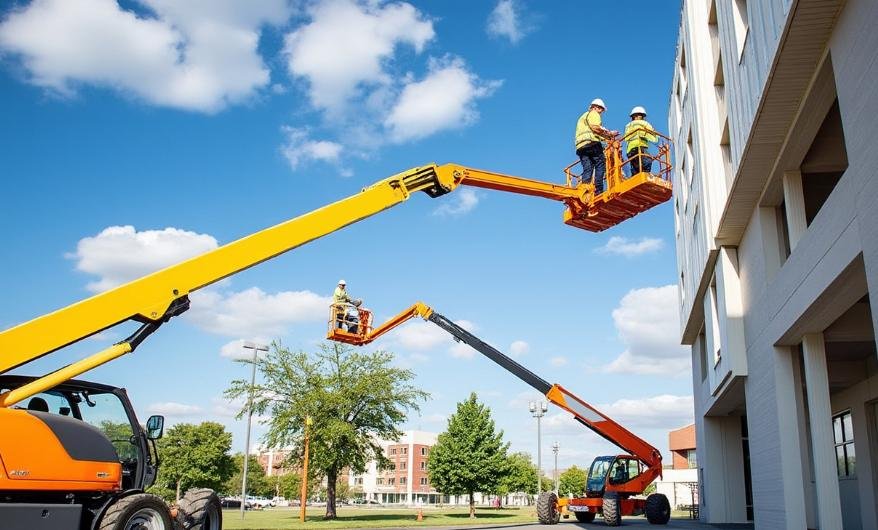
A telehandler’s center of gravity changes with every movement of the boom. This makes it much more complex than a standard forklift, which has a fixed center of gravity. In many countries, you need a special license or certification to operate a telehandler for this exact reason. As a business owner, you are responsible for making sure your operators are trained. If an accident happens and the operator was not certified, the legal and financial consequences can be devastating. Investing in training is not an expense; it is insurance against disaster. It protects your people, your machine, and your business.
Safety is Not Optional
Professional training is a must. It should cover:
- Machine Inspection: How to do a full walk-around inspection before every shift to check for leaks, damage, or other problems.
- Load Chart Mastery: How to read and fully understand the load chart for every lift.
- Stability Principles: Understanding how the machine’s balance changes with the load, height, and reach.
- Site Awareness: How to operate safely around other people, power lines, and on different types of terrain.
- Regulations: Knowing the local laws and regulations for telehandler operation.
How Can a Good Manufacturer Help You Avoid These Mistakes?
You feel overwhelmed by all the choices. You are worried about making a costly mistake. Choosing the right partner to buy from is as important as choosing the right machine.
A good manufacturer acts as a consultant, not just a seller. They help you avoid mistakes by asking detailed questions about your jobs, explaining the load charts, and recommending the right size, tires, and attachments. They support you before, during, and after the sale.
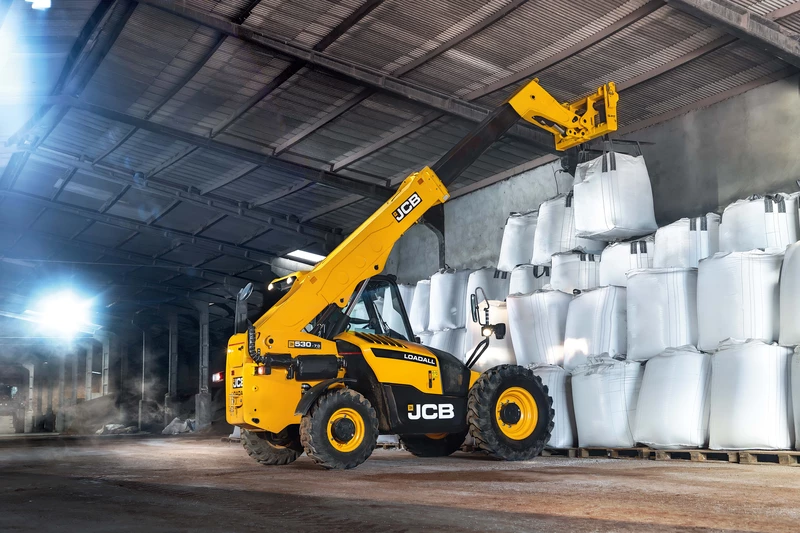
When a customer contacts us, we don’t start by sending a price list. We start by asking questions. “What country are you in? What kind of work will you be doing? What is the ground like? What are your plans for the future?” Our goal is to sell you the right machine, not just any machine. As a manufacturer with 15 years of export experience and CE certification, we understand the needs of different markets. We offer customization because we know that one size does not fit all. A good partner listens to you, gives you honest advice, and stands behind their product with reliable parts and service.
Choosing the Right Partner
A good manufacturer should provide:
- Consultation: They should work with you to understand your specific needs.
- Customization: They should be able to offer options for tires, attachments, and other features.
- Quality Assurance: Look for certifications like CE to ensure the machine meets international safety and quality standards.
- After-Sales Support: They must have a clear plan for providing technical support and spare parts to your location.
- Transparency: They should be open and honest about the machine’s capabilities and limitations.
Conclusion
Buying a telehandler is a big investment. Avoid common mistakes by looking past the price. Consider capacity at reach, site suitability, total cost, versatility, and training. Thinking carefully now saves you money.
Follow us on :YouTube.