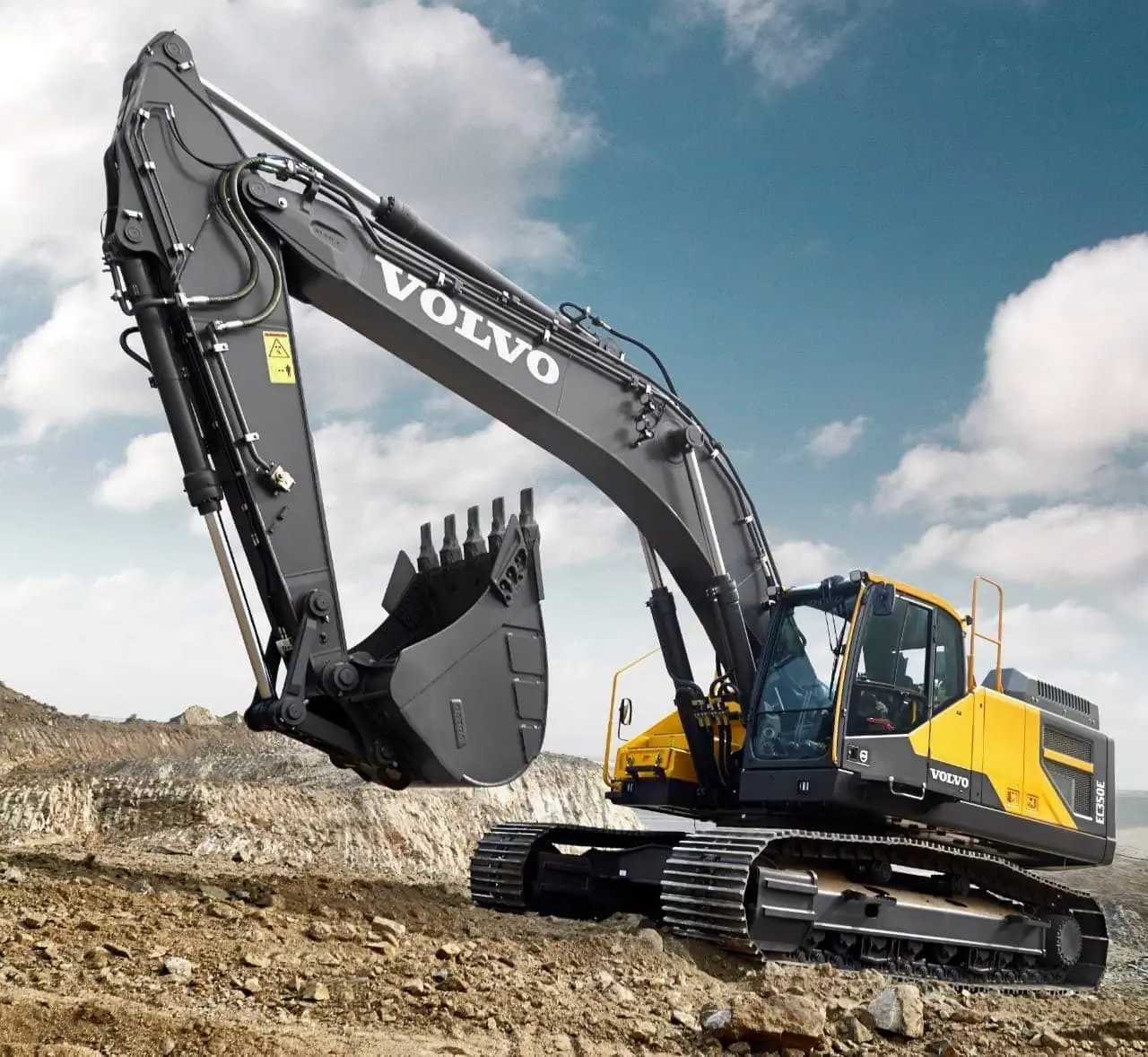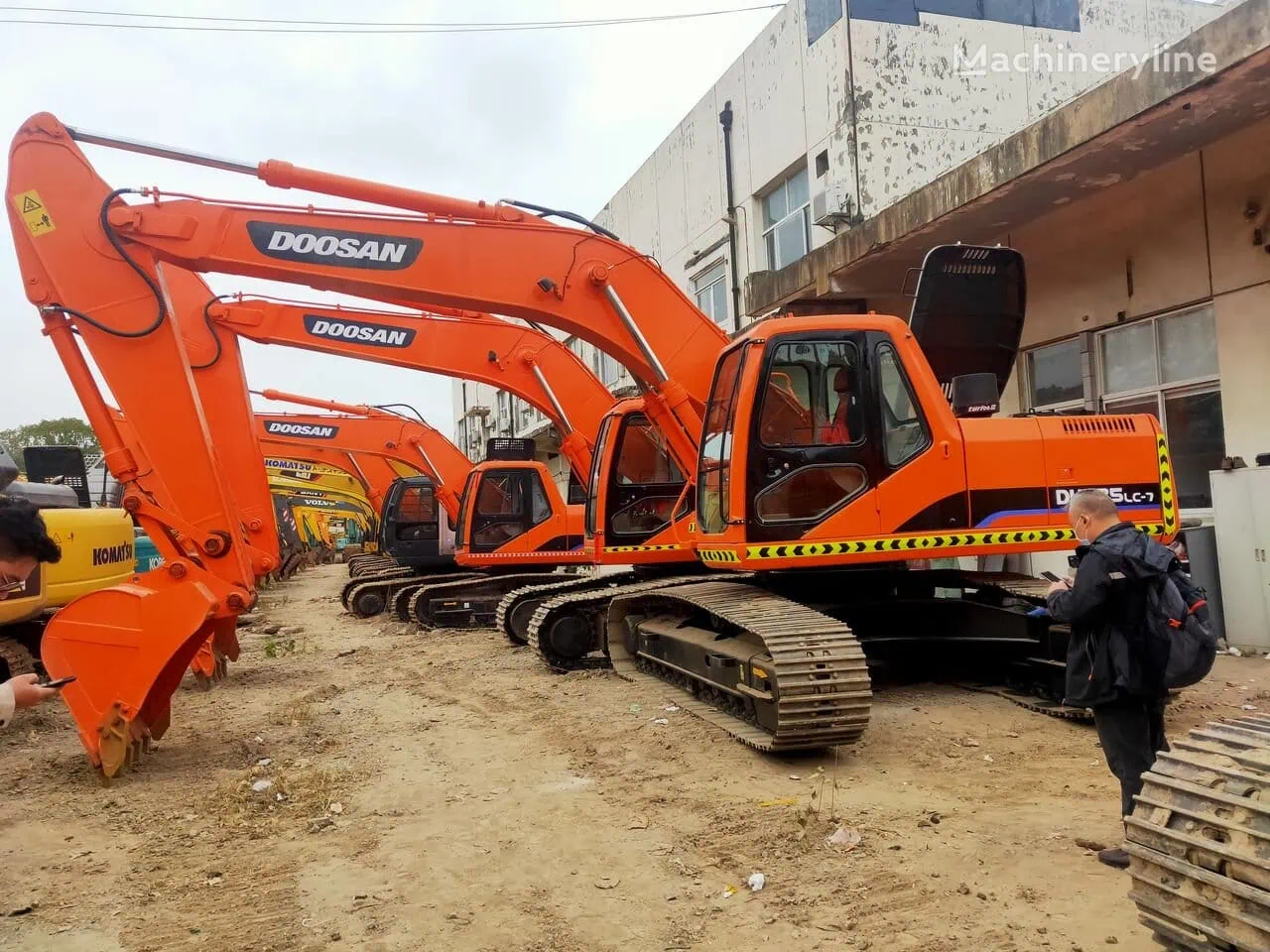
Facing a lifting challenge on your job site? Choosing between a telehandler vs crane can feel like a complex decision. Let me help you navigate their core differences and find the best fit.
Telehandlers excel in versatile material handling and medium-height lifting, offering flexibility and cost-effectiveness for varied tasks. Cranes provide specialized heavy-duty, high-altitude, and precision lifting for large-scale, complex projects.
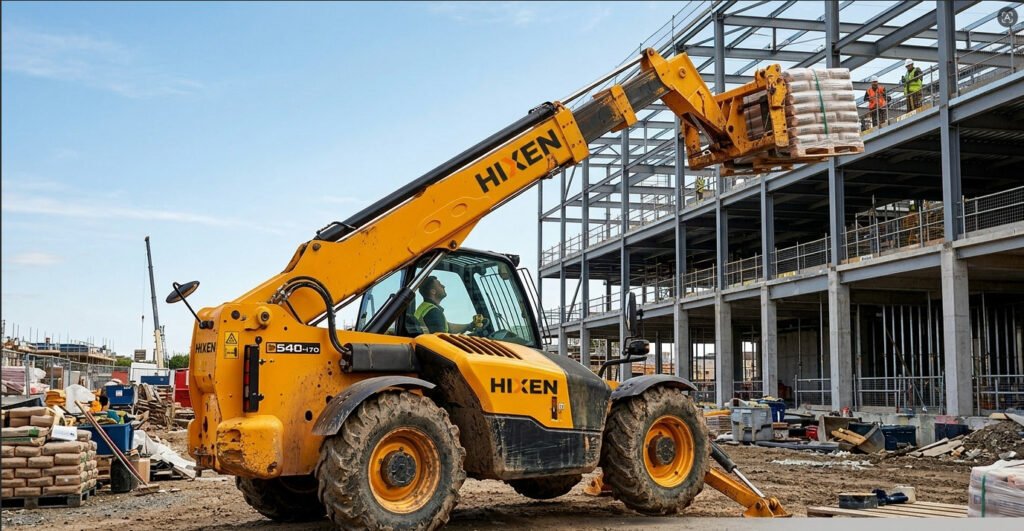
When considering equipment for lifting and material handling, the choice between a telehandler vs crane often comes up. As someone deeply involved in manufacturing telehandlers, I’ve seen firsthand how these machines are used and sometimes misused. Understanding their fundamental roles is key to making an informed choice for your operations.
Overview of Telehandler vs Crane: What Are They Really For?
Are you struggling to define the primary purpose of these two powerful machines? Many people conflate their roles, leading to costly and inefficient equipment choices. Let me clarify their essential functions for you.
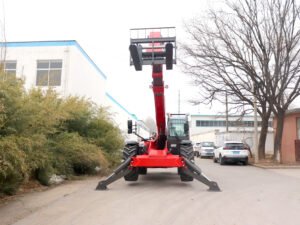
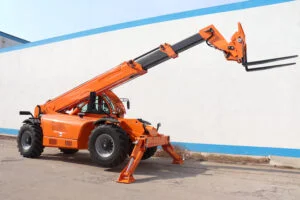
A telehandler is fundamentally a multi-functional material handling and medium-load lifting device, often described as a hybrid of a forklift and a crane, emphasizing versatility. A crane, in contrast, is a highly specialized piece of equipment designed solely for heavy-duty, high-altitude, and precise lifting operations.
The Core Nature of Each Machine
From my perspective in manufacturing, I see these machines fulfilling very different needs on a job site. It is important to understand that a crane is a professional heavy-duty and high-altitude precision lifting device. It is built for lifting and placing extremely heavy objects very high up, with great accuracy. Think of it as a specialized tool for critical, heavy lifts. On the other hand, a telehandler is a multi-functional medium-load and material handling device. It’s designed for more flexible tasks, capable of lifting materials, moving them across uneven terrain, and performing various jobs with different attachments.
When I consider the design and engineering that goes into our telehandlers, the focus is always on adaptability and utility across many different scenarios. This functional difference dictates their suitability for various projects. If your project demands very heavy, very high, and very precise lifting, a crane is usually the answer. If your project requires more flexibility, multi-tasking capabilities, and cost-efficiency for medium loads, a telehandler is often the better choice. We design our 3-ton, 4-ton, 5-ton, and 6-ton telehandlers to excel in this flexible, medium-duty space, reaching heights of 7 meters, 10 meters, 14 meters, or 18 meters, offering practical solutions for a wide range of tasks.
Key Differences Between Telehandlers vs Cranes: What Makes Them Unique?
Are you unsure about the specific attributes that truly set these two machines apart? Understanding their distinct characteristics is vital for making an efficient equipment choice. Let me highlight the fundamental differences that define their roles.
The primary distinctions between telehandler vs crane lie in their core function, lifting capacity, reach, boom design, and versatility through attachments. Telehandlers prioritize material handling and multi-tasking, while cranes focus exclusively on heavy, high-precision lifting.
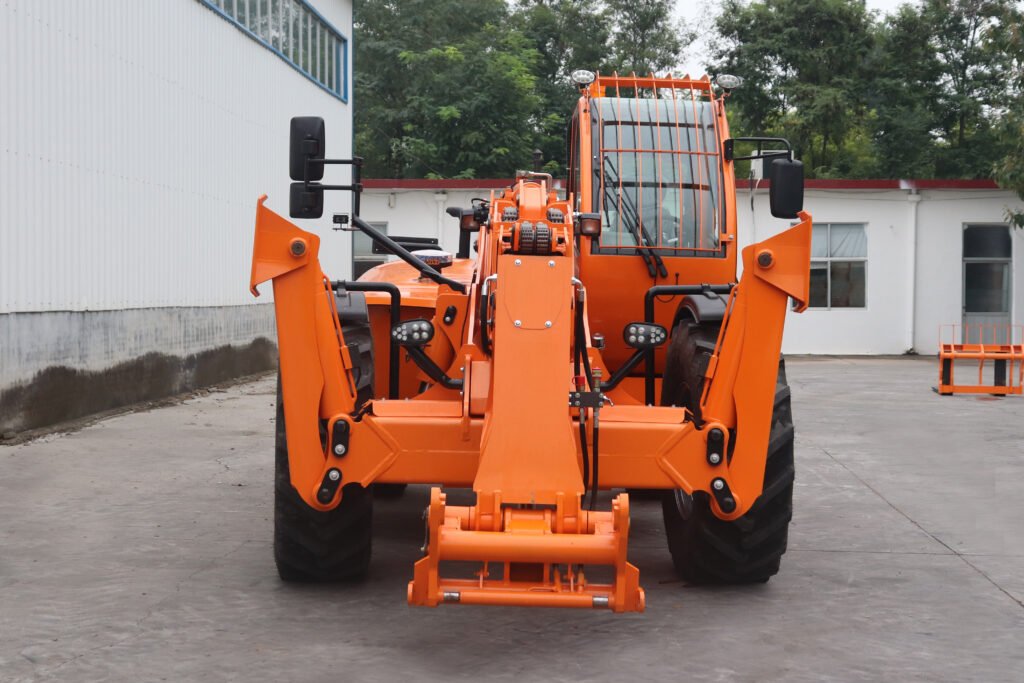
Dissecting the Core Discrepancies
When I talk to customers, it is clear that while both machines lift, how they do it and what else they can do varies greatly. Let me explain these differences in more detail.
Load Capacity and Height
- Telehandler: Typically handles loads from a few hundred kilograms up to around 6 tons. Its reach extends roughly 6 to 20 meters. My company’s telehandlers, for example, are designed for 3-ton, 4-ton, 5-ton, and 6-ton capacities, with boom lengths up to 18 meters. They are perfect for moving pallets of bricks, lumber, or smaller steel beams.
- Crane: Can lift tens to hundreds of tons, reaching heights of dozens of meters, even over 100 meters. Cranes are engineered for massive structural components or large machinery.
Boom Design and Operation
- Telehandler: Features a telescopic boom that can extend forward, upwards, and operate at various angles. It allows for mobile operation, meaning the machine can move with a load or quickly reposition itself. This design is what gives it its incredible flexibility.
- Crane: Uses a fixed or large lattice boom, with a system of steel cables and hooks. Its primary action is “lifting” from a central point. Many cranes operate from a fixed or semi-fixed position, requiring careful setup. This design is optimized for vertical lifting strength.
Versatility and Attachments
- Telehandler: This is where the telehandler truly shines, and it’s why I often call it the “Swiss Army Knife” of the construction site. It can be fitted with pallet forks, a bucket, a jib, or a personnel work platform. This multi-purpose capability means one machine can do the job of several.
- Crane: Generally limited to hooks and specialized lifting tackle. Its function is singular: lifting. I see the crane as a “heavy-duty surgical scalpel” – extremely precise and powerful for its specific task.
Mobility and Site Adaptability
- Telehandler: Often equipped with four-wheel drive, making it suitable for uneven and complex terrain. It can move freely around a construction site, adapting to changing layouts.
- Crane: Generally much larger and slower to move. Some types are even fixed installations. Cranes are better suited for operations that remain in one place or have a large, clear pathway for movement. This makes telehandlers ideal for dynamic construction environments, whereas cranes are better for fixed lifting points.
Cost and Efficiency
- Telehandler: Typically has a lower initial cost and faster deployment. It does not require complex setup or lengthy installation times. This translates to quick response and better cost-effectiveness for many jobs.
- Crane: Involves a higher initial investment and significant setup/deployment time. While more expensive, it is often irreplaceable for its specific capabilities. This difference makes a telehandler a better choice for quick tasks and smaller budgets.
Capacity and Lifting Performance: How Much Can They Really Lift?
Are you wondering about the true lifting capabilities of telehandlers versus cranes? Understanding their distinct capacities is crucial to prevent under-equipping or overspending on your project. Let me break down what each machine can realistically handle.
Telehandlers typically offer medium lifting capacities up to 6 tons and reaches up to 18 meters, excelling in versatile material handling. Cranes, designed for heavy-duty tasks, can lift hundreds of tons to heights exceeding 100 meters, making them essential for large-scale construction.
Delving into Their Power and Reach
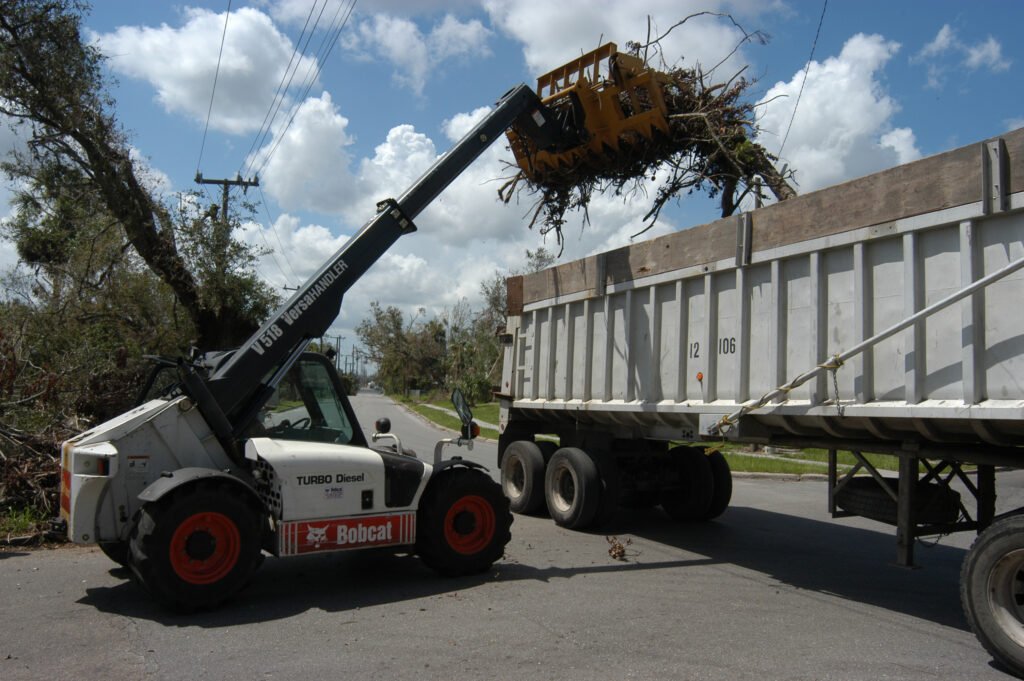
When I consider the manufacturing process for our telehandlers, we focus on balancing robust lifting power with maneuverability. Our telehandlers are engineered to handle significant but not extreme loads. For example, our 3-ton to 6-ton models are perfect for tasks requiring the movement of materials like steel beams, concrete blocks, or large pallets of roofing supplies across a construction site.
With a boom that can extend from 7 meters up to 18 meters, they provide ample vertical and horizontal reach for most medium-sized projects. This range allows them to efficiently load and unload trucks, place materials on upper floors of low to mid-rise buildings, or assist with general site logistics. I’ve often seen them performing tasks that would traditionally require a combination of a forklift and a small crane, showcasing their efficiency.
In contrast, cranes are built for an entirely different scale of work. When you see a crane on a skyscraper project, you understand its role instantly. These machines are designed to lift massive pre-fabricated sections, heavy machinery, or structural components weighing tens or even hundreds of tons. Their booms can reach incredible heights, well over 100 meters, which is essential for erecting multi-story buildings or large industrial structures.
The precision control systems on a crane are also geared towards extremely heavy and high lifts, where even a slight miscalculation could be catastrophic. While a telehandler is a versatile tool for everyday construction and material handling, a crane is a specialized piece of “scale engineering equipment” – irreplaceable for those critical, heavy, and high-altitude lifts that define large infrastructure and building projects.
Safety and Compliance: Are You Meeting the Standards?
Are you concerned about meeting safety regulations when operating lifting equipment? Ensuring compliance is not just about avoiding fines; it’s about protecting lives and investments. Let me guide you through the safety considerations for telehandlers and cranes.
Both telehandlers and cranes require strict adherence to safety protocols and regulatory compliance, including operator training and routine inspections. Telehandlers, due to their versatility, demand attention to load charts with various attachments, while cranes necessitate rigorous planning for heavy, high-altitude operations.
Navigating the Landscape of Safe Operations
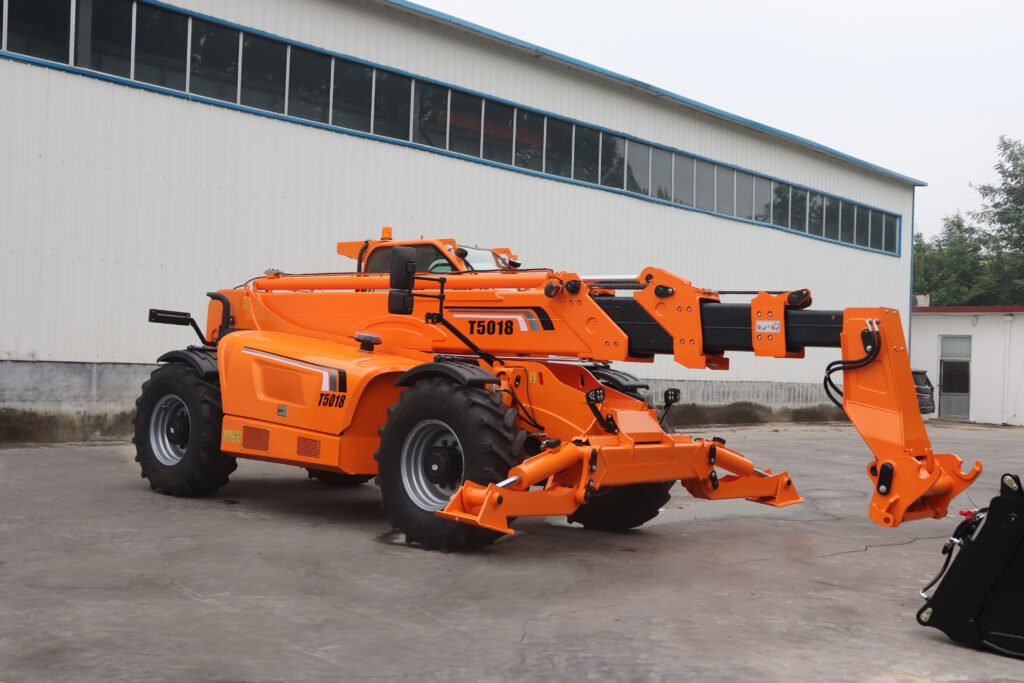
In my experience within the telehandler manufacturing industry, safety is paramount. We build our machines to high international standards, including CE certification for the European Union, which speaks to our commitment to quality and safety. However, the machine itself is only part of the equation. Safe operation depends heavily on proper training and understanding the specific limitations of the equipment.
For telehandlers, operators must be well-versed in reading load charts, which can change significantly depending on the attachment being used (forks, bucket, jib, personnel platform) and the boom extension angle. Overloading or operating on uneven terrain without proper stabilization can lead to dangerous situations. Regular maintenance and pre-operation checks are also crucial to ensure all systems, from hydraulics to brakes, are in perfect working order. This diligence ensures that the inherent flexibility of a telehandler does not compromise safety.
Cranes, by their very nature, operate at an even higher risk profile due to the extreme weights and heights involved. Their safety protocols are often far more stringent and complex. This includes detailed lift plans, extensive site surveys, precise rigging calculations, and often requires multiple certified personnel to oversee a single lift. The stability of the ground, wind conditions, and proximity to power lines are all critical factors that must be meticulously assessed before any crane operation begins.
Both types of machines have their respective international and local safety standards, which must be followed rigorously. From my vantage point, while telehandlers offer more operational flexibility, their safety still hinges on strict adherence to their operational envelopes, just as crane safety depends on meticulous planning and execution for their specialized, heavy-duty tasks.
When Is It Ideal To Use A Telehandler As A Hoisting Device Instead Of Other Types Of Equipment?
Are you trying to decide if a telehandler is the best tool for your hoisting needs, or if another machine would be more suitable? Making the right choice can significantly impact your project’s efficiency and budget. Let me clarify when a telehandler truly shines.
A telehandler is ideal as a hoisting device when projects require flexible material handling, medium-height lifting, operation on uneven terrain, and multi-functional versatility that traditional forklifts or large cranes cannot efficiently provide. It excels in diverse construction, agricultural, and industrial settings.
The Sweet Spot for Telehandler Deployment
From my perspective as a telehandler manufacturer, I often see our machines being the perfect solution in situations where a dedicated crane would be overkill and a standard forklift simply can’t cope. Consider these scenarios:
Diverse Material Handling
- The Need: You need to move a variety of materials—pallets of bricks, lumber, roofing supplies, small steel beams—across a sprawling construction site, unload trucks, and then lift these materials to different levels of a building up to 18 meters high.
- Why Telehandler: A telehandler, equipped with forks, a bucket, or a small jib, can perform all these tasks. It handles both horizontal transport and vertical lifting, eliminating the need for multiple machines like a forklift for ground transport and a small crane for lifting. Its ability to quickly swap attachments makes it incredibly efficient.
Uneven or Challenging Terrain
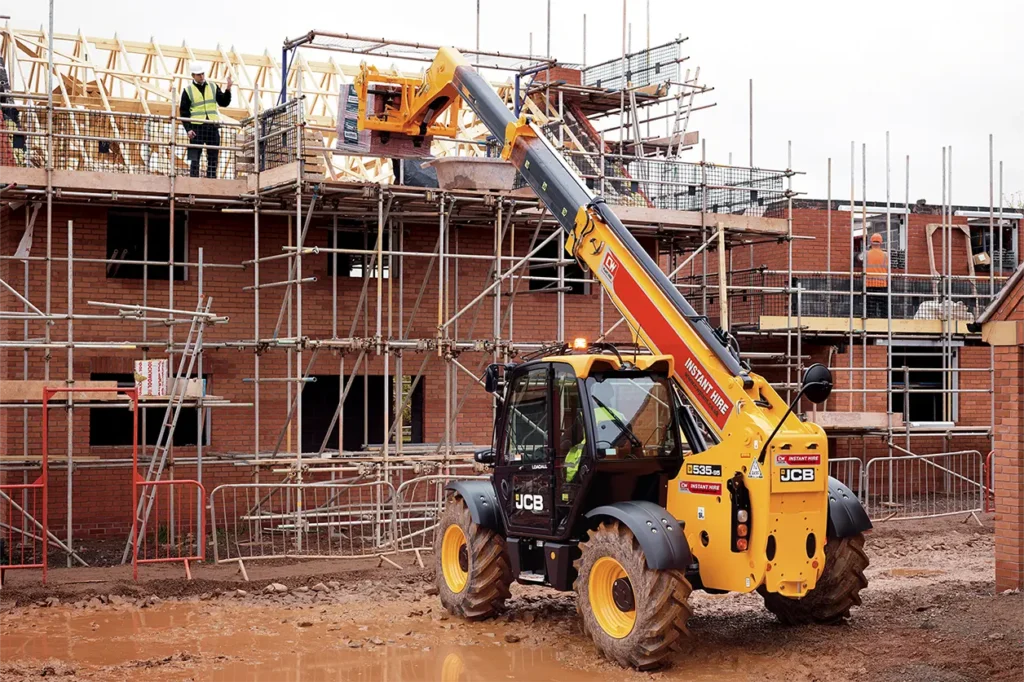
- The Need: Your job site has rough, muddy, or sloping ground that would be impossible for a standard two-wheel drive forklift to navigate.
- Why Telehandler: Our telehandlers, and most on the market, are designed with robust four-wheel drive and large tires, built to operate effectively on tough terrain. They maintain stability and traction where other machines would get stuck, ensuring your materials get where they need to go, regardless of ground conditions.
Medium-Height and Reach Requirements
- The Need: You need to lift materials to the second, third, or fourth floor of a building, or over obstacles, but not to skyscraper heights.
- Why Telehandler: With boom lengths ranging from 7 to 18 meters, our telehandlers provide excellent reach for mid-rise construction, façade work, or setting trusses. They offer the necessary height and outreach without the significant setup time and cost of a large crane.
Cost-Efficiency and Quick Deployment
- The Need: You have multiple small to medium lifting and handling tasks throughout the day, and you need a machine that can be quickly deployed without extensive setup.
- Why Telehandler: Telehandlers are relatively quicker to set up and operate compared to cranes. Their lower operating costs and versatility mean better value for money on dynamic sites. This translates to quicker task completion and improved project timelines.
In essence, if your project demands a “general-purpose tool” that can adapt to changing tasks, move materials flexibly, and operate efficiently in varied conditions, a telehandler is often the superior choice over a specialized crane or a limited forklift.
What Is a Telehandler and How It Works: A Closer Look at This Versatile Machine?
Have you ever wondered what makes a telehandler such a valuable asset on a construction site? Understanding its design and operation can help you appreciate its unique capabilities. Let me explain the mechanics behind this powerful and adaptable piece of equipment.
A telehandler, or telescopic handler, is a versatile piece of heavy equipment combining features of a forklift and a crane, primarily used for lifting and moving materials. It operates via a telescopic boom that extends forward and upward, allowing it to reach over obstacles and lift loads to various heights with interchangeable attachments.
The Engineering Behind Our Multi-Functional Machines
When I explain what a telehandler is, I often describe it as the ultimate “hybrid” machine. Imagine taking the lifting forks of a forklift and mounting them on a vehicle that has the off-road capability of a tractor and the extended reach of a small crane. That’s essentially what a telehandler offers.
The Core Components
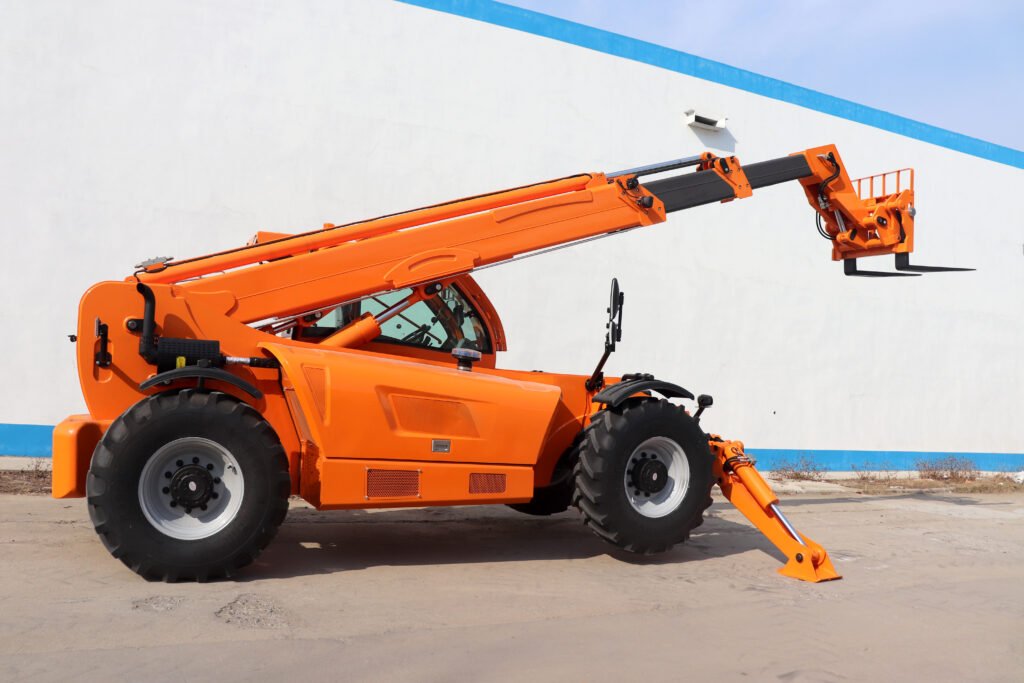
- Chassis: Typically a robust, four-wheel-drive frame designed for stability and traction on rough terrain. Our telehandlers are built to withstand the rigors of construction sites, agricultural fields, and industrial yards.
- Engine: Powers the hydraulics for the boom and attachments, as well as the drivetrain. We ensure our engines provide reliable power and fuel efficiency.
- Operator’s Cab: Designed for visibility and ergonomic control, allowing the operator to safely and precisely maneuver the machine and its load.
- Outriggers/Stabilizers (optional): Some telehandler models, especially those with higher lift capacities or reaches, come with deployable outriggers. These extend to provide additional stability when making heavy or high lifts, greatly increasing the machine’s safe operating envelope.
The Telescopic Boom: The Heart of the Telehandler
The defining feature is its telescopic boom. This multi-section arm can extend and retract, allowing for remarkable horizontal and vertical reach. Unlike a standard forklift that only lifts vertically, the telehandler’s boom can:
- Extend forward: Reaching over trenches or obstacles to place materials.
- Lift upwards: Getting materials to elevated platforms or multiple stories.
- Operate at various angles: Giving it flexibility in positioning loads.
How It Works: The Operational Flow
- Attachment Selection: The operator chooses the appropriate attachment for the task – pallet forks for moving loaded pallets, a bucket for loose materials, a jib for small suspended loads, or a personnel platform for working at height.
- Maneuvering: The telehandler is driven to the material. Its four-wheel drive and steering (often with multiple steering modes like two-wheel, four-wheel, or crab steering) allow it to navigate tight spaces and uneven ground.
- Lifting and Extending: The operator uses hydraulic controls to extend the boom, lift the attachment, and position the load. Load charts in the cab guide safe operating limits based on boom angle, extension, and load weight.
- Placement: The material is precisely placed where needed.
- Retraction and Repositioning: The boom is retracted, and the telehandler moves to the next task.
Our telehandlers are specifically designed for efficiency in this operational cycle. With capacities of 3 to 6 tons and boom lengths up to 18 meters, they are engineered to provide maximum versatility and reliable performance for a wide array of applications, from construction and agriculture to industrial material handling. The ease of switching attachments and their robust construction are key factors that make them a “general-purpose tool” for so many industries.
Business Case: When Telehandlers Save Time and Money for Your Operations?
Are you looking for ways to boost efficiency and reduce operational costs on your projects? Understanding the specific financial and time-saving advantages of telehandlers can provide a significant competitive edge. Let me show you how telehandlers create a compelling business case.
Telehandlers save time and money by offering unmatched versatility, rapid deployment, reduced labor needs, and efficient material handling across diverse tasks and terrains. They minimize the need for multiple specialized machines, streamlining operations and lowering overall project costs.
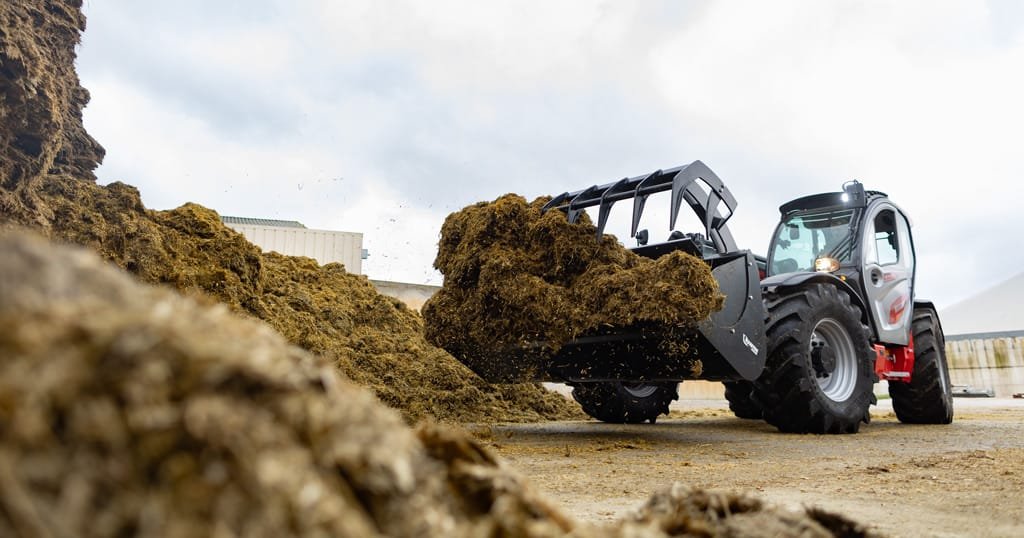
Unlocking Efficiency and Economic Benefits
From my experience working with countless customers, the business case for a telehandler often boils down to two critical factors: flexibility and cost-effectiveness. Here’s why our telehandlers, and indeed telehandlers in general, are a smart investment for many businesses:
1. Multi-Functional Capabilities Reduce Equipment Needs
- The Problem: Many projects require a forklift for moving pallets, a small crane for hoisting, and perhaps a loader for earth moving. This means renting or owning three separate machines.
- The Telehandler Solution: With various attachments like forks, buckets, jibs, and personnel platforms, a single telehandler can perform the duties of a forklift, a small crane, and even a loader or work platform. This significantly reduces your equipment investment, maintenance costs, and transportation expenses. For example, our 3-ton to 6-ton telehandlers with 7-18 meter booms are designed to be true multi-taskers.
2. Rapid Deployment and Reduced Setup Time
- The Problem: Cranes often require extensive setup, counterweights, and outrigger deployment, leading to significant downtime before work can even begin.
- The Telehandler Solution: Telehandlers are relatively quick to get working. You drive them to the site, and within minutes, they can be operational. This “quick response” capability means less wasted time waiting for equipment setup, allowing your team to start tasks faster and maintain project momentum.
3. Enhanced Site Mobility and Adaptability
- The Problem: Traditional forklifts struggle on rough terrain, and large cranes are immobile once set up, requiring material to be brought to them.
- The Telehandler Solution: Telehandlers excel on uneven, muddy, or confined construction sites. Their four-wheel drive and maneuverability mean they can transport materials directly to the work point, even if it’s across challenging ground. This “dynamic site” capability ensures that materials are always where they’re needed, when they’re needed, minimizing manual labor and improving workflow.
4. Lower Operating and Maintenance Costs Compared to Cranes
- The Problem: Large cranes have high operational costs due to fuel consumption, specialized operators, and expensive maintenance.
- The Telehandler Solution: While not inexpensive to run, telehandlers generally have lower fuel consumption and simpler maintenance requirements than heavy-duty cranes. This contributes to a lower total cost of ownership over the project lifecycle, offering better value without compromising on essential lifting and handling capabilities for medium-scale tasks.
By providing this blend of versatility, efficiency, and cost-effectiveness, telehandlers don’t just move materials; they optimize your entire project workflow. This is why we are so passionate about manufacturing high-quality telehandlers for our global customers – because we see the tangible business benefits they deliver every single day.
Cost Comparison: Telehandler vs Crane – Which Is More Economical for Your Project?
Are you trying to decide between investing in a crane or a telehandler, and wondering which offers better long-term value? Understanding their cost implications is crucial for prudent financial planning. Let me outline the key cost differences to help you make an informed decision.
Generally, telehandlers offer a more cost-effective solution than cranes due to lower acquisition prices, faster deployment, reduced operational complexity, and greater multi-functional utility. Cranes, while more expensive, are essential for projects demanding their unique heavy-lift and high-reach capabilities.
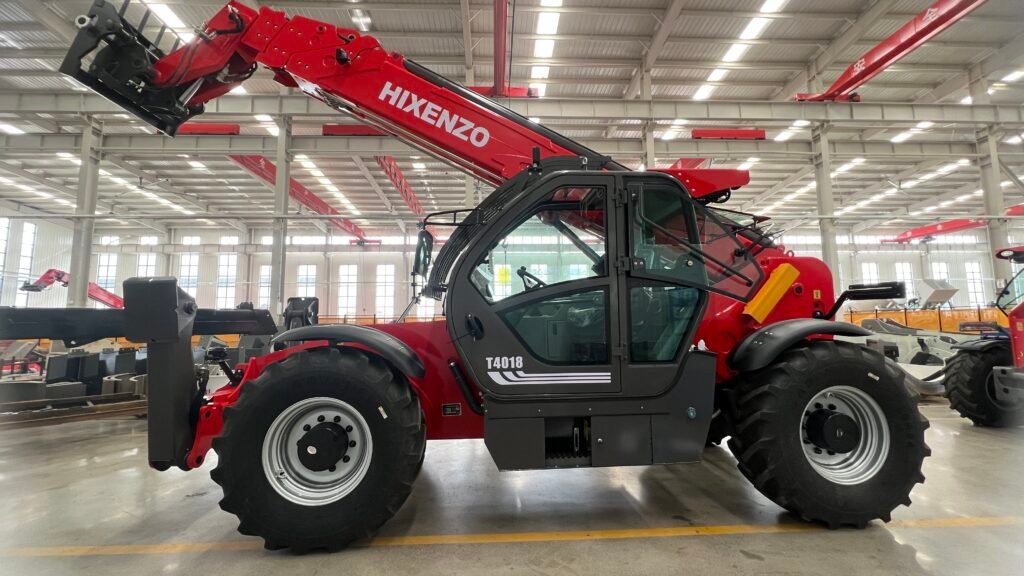
A Financial Perspective on Lifting Equipment
When customers approach me, especially distributors and end-users looking for competitive pricing, the cost factor is always a major consideration. It’s not just about the sticker price; it’s about the total cost of ownership and the return on investment.
Initial Purchase/Rental Cost
- Telehandler: The initial investment for a telehandler is generally significantly lower than that of a comparable crane. Our 3-ton to 6-ton telehandlers, for instance, offer an excellent balance of capability and price, making them accessible for a wider range of businesses. This lower barrier to entry makes telehandlers an attractive option for many.
- Crane: Cranes, especially larger mobile or tower cranes, represent a substantial capital expenditure. Their specialized engineering, greater material strength requirements, and complex systems drive up their purchase price considerably. Rental rates for cranes also reflect this higher value.
Operational Costs
- Fuel Consumption: Telehandlers, while powerful, typically have smaller engines and are used for more varied, often intermittent tasks, leading to lower overall fuel consumption compared to heavy-duty cranes that operate larger engines for prolonged, high-power lifts.
- Maintenance: Both machines require regular maintenance. However, cranes, with their more complex hydraulic systems, long booms, and intricate safety mechanisms, often incur higher specialized maintenance and repair costs. Telehandlers, while robust, generally have more straightforward maintenance procedures.
- Labor: Operating a telehandler typically requires one trained operator. While cranes also require an operator, large crane operations often necessitate additional personnel for rigging, signaling, and safety oversight, increasing labor costs for each lift.
Deployment and Setup Costs
- Telehandler: One of the telehandler’s biggest cost advantages is its quick deployment. It can drive onto a site and be ready to work almost immediately, minimizing non-productive setup time.
- Crane: Cranes, particularly larger models, require significant time and labor for transport, assembly, counterweight installation, and outrigger setup. This can involve multiple specialized trucks and personnel, adding substantial cost and time to each project phase before any lifting even begins.
Versatility and Utilization
- Telehandler: Because a telehandler can perform multiple roles (forklift, small crane, work platform), its utilization rate on a job site can be very high. This versatility means you get more value from a single machine, reducing the need to rent or purchase other equipment. This contributes directly to a better return on investment.
- Crane: While indispensable for specific heavy lifts, a crane’s specialized nature means it might sit idle between critical lifting phases of a project, reducing its overall utilization efficiency for general site tasks.
In summary, for businesses and projects where flexibility, diverse material handling, medium-range lifting, and rapid response are priorities, a telehandler is almost always the more economical choice. While a crane’s high cost is justified for its unique capabilities, for the majority of day-to-day construction and industrial tasks, a telehandler offers a compelling blend of performance and cost-efficiency.
Conclusion
Choosing between a telehandler vs crane boils down to balancing “strength versus speed” for your project. Telehandlers offer flexible, cost-effective versatility for medium loads, while cranes provide unmatchable power for heavy, high, and precise lifts.
Follow us on :YouTube.