leading paragraph:
Machine breakdowns hurt. Downtime costs money, delays projects, and frustrates everyone. What if I told you most failures are preventable?
snippet paragraph:
The most common Teleskoplader failures, often involving the telehandler boom, stem from insufficient predictive maintenance, operator error due to cognitive biases, poor human-machine ergonomics, and the neglect of minor issues like small leaks. Preventing these requires a shift from reactive fixes to proactive, data-driven strategies and better operator training.
Transition Paragraph:
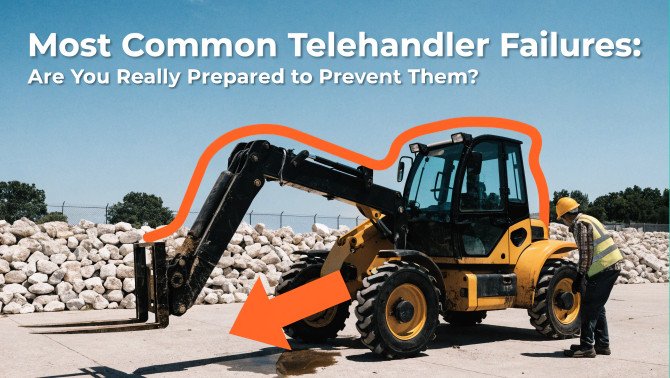
I have seen many job sites over my twenty years in the industry. The story is always the same. Machines break down. People lose time and money. I believe we can do better. We must look at failures differently. We need to think beyond simple repairs. We must consider the bigger picture for every telehandler boom.
Is Your Telehandler Boom at Risk from Invisible Failures?
leading paragraph:
Is your telehandler failures boom silently failing? Many believe breakdowns are just bad luck. I think it is often a lack of foresight.
snippet paragraph:
Yes, your telehandler failures boom can suffer from invisible failures because traditional maintenance waits for problems. Instead, we must predict issues before they happen using advanced data. This prevents small, unnoticed problems in the telehandler boom from becoming major, costly breakdowns.
Dive deeper Paragraph:
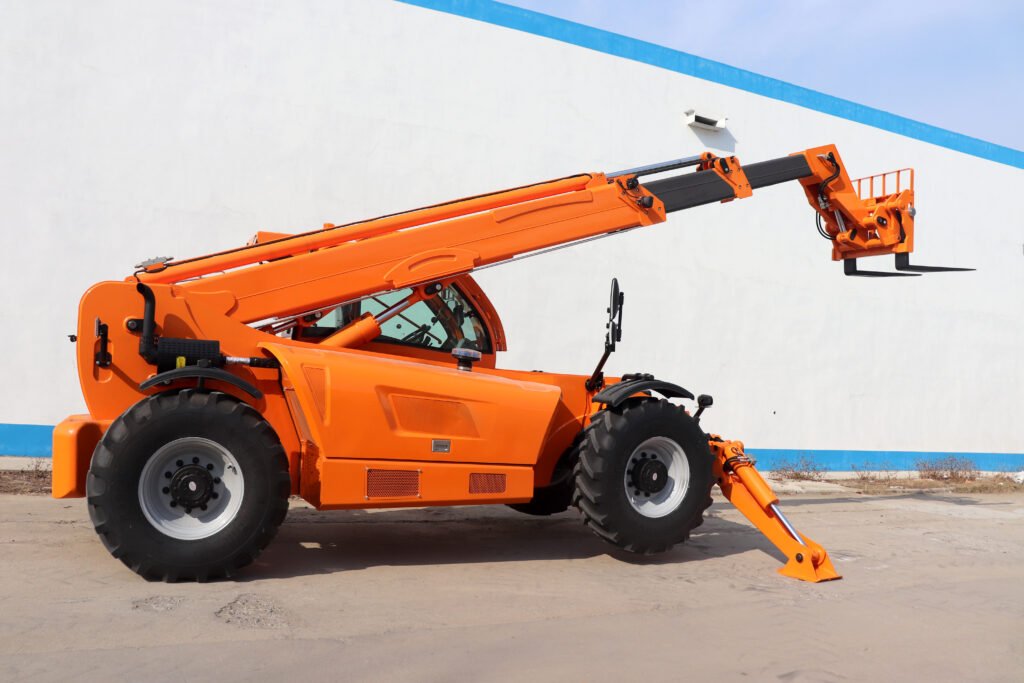
For many, a machine failure is just a technical problem. In my view, for construction, it is a supply chain breakdown. A telehandler is like the heart of a site’s logistics. If its telehandler boom stops for even a few hours, a whole team can stop working. A crane might sit idle. The cost is far greater than the repair bill. I believe our maintenance approach needs to change.
It should move from “time-based care” to “condition-based prediction.” We need to go beyond simply changing filters. We must learn to read IoT sensor data. For example, we can predict internal leaks by looking at how hydraulic oil temperature rises. We can guess battery life by watching the starting voltage drop. We do not need to wait for a red light to stop a car. We should pull over when the engine sound changes. This thinking applies directly to the telehandler boom.
Tertiary Headings for Predictive Maintenance:
Understanding Sensor Data for Your Telehandler failures Boom
- Hydrauliksystem: Monitor oil temperature and pressure fluctuations.
- Electrical System: Track battery voltage and charging cycles.
- Engine Performance: Observe fuel consumption rates and exhaust gas temperatures.
| Sensor Type | Data Monitored | Potential Failure Indication | Impact on Telehandler Boom |
|---|---|---|---|
| Oil Temperature | Sudden increases | Internal hydraulic leak | Reduced lift capacity |
| Battery Voltage | Consistent drops | Battery degradation | Starting issues |
| Vibration | Unusual patterns | Bearing wear, structural fatigue | Instability of telehandler boom |
| Pressure Transducers | Inconsistent readings | Pump wear, valve malfunction | Slow boom extension/retraction |
Can Predictive Tech Really Save Your Telehandler Failures Boom from Breakdown?
leading paragraph:
Do you want to avoid unexpected Teleskoplader failures? Waiting for a problem to appear is too late. Predictive tech is the answer.
snippet paragraph:
Yes, predictive technology can save your telehandler boom from costly breakdowns by using real-time data. This allows for early detection of issues, moving maintenance from reactive to proactive. It prevents small problems from escalating into major repairs for the telehandler boom.

Dive deeper Paragraph:
I have seen many situations where a simple sensor could have saved huge costs. The traditional way of fixing things means we wait for the telehandler boom to break. This is like driving until the engine seizes. Predictive tech, on the other hand, means we are always listening to the machine. We use data from IoT sensors. These sensors tell us what is happening inside the machine.
They send information about the engine, the hydraulics, and even the telehandler boom itself. For instance, if the hydraulic oil temperature on the telehandler boom starts rising slightly, it might signal an internal leak developing. If the starting voltage of the battery drops over time, it tells us the battery is losing its charge capacity. We can then replace the part before it fails completely. This saves time and money. It also keeps the telehandler boom working without interruption. This approach changes maintenance from a cost center to a critical part of uptime.
Tertiary Headings for Predictive Technology:
Implementing IoT for Telehandler Boom Health
- Data Collection: Install sensors for key operational parameters.
- Data Analysis: Use software to identify trends and anomalies.
- Actionable Insights: Generate alerts for impending failures.
| Predictive Metric | Sensor Type | Early Warning Sign | Preventative Action | Benefit for Telehandler Boom |
|---|---|---|---|---|
| Hydraulic Oil Temperature | Thermocouple | Gradual temperature rise | Inspect for internal leaks | Prevents boom performance loss |
| Engine Vibration | Accelerometer | Increased vibration noise | Check engine mounts, bearings | Avoids engine damage |
| Battery Charge Cycles | Voltage Sensor | Decreased charge holding | Plan battery replacement | Ensures reliable starts |
| Telehandler Boom Cycle Count | Proximity Sensor | High usage patterns | Schedule boom structural checks | Extends boom lifespan |
How Does Operator Behavior Impact Your Telehandler Boom’s Lifespan?
leading paragraph:
Does operator skill really matter for your Teleskoplader boom? Many overlook the human element in equipment failures. I say it is crucial.
snippet paragraph:
Operator behavior profoundly impacts your telehandler boom’s lifespan. Factors like overloading due to cognitive biases and aggressive movements cause excessive wear. Prioritizing operator training and providing better visual aids are essential to extend the life of your telehandler boom.
Dive deeper Paragraph:
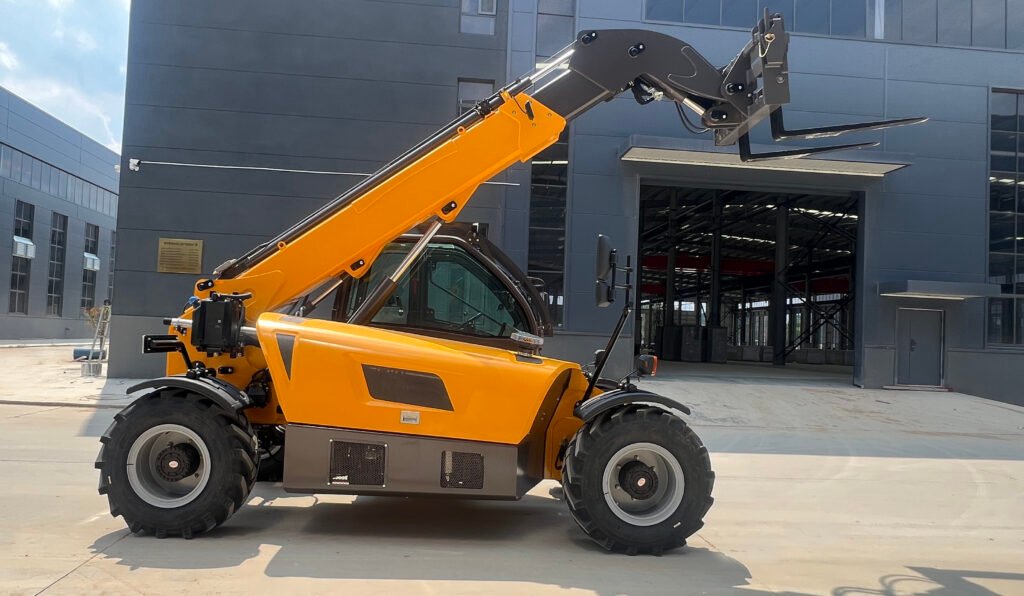
I have learned that human error causes more breakdowns than simple mechanical wear. Many times, an operator might overload the telehandler boom. This happens when they cannot see well enough when backing up or loading from the side. They might feel they can lift a little more. This is a “risk compensation” mindset. These small rule breaks add up. They lead to hydraulic system blowouts.
They cause steering rod breakages. The root cause is not the machine. It is the operator’s judgment. I believe the first line of defense against failures is not tools. It is the operator’s “situational awareness.” We need to help operators make better decisions. We can use auxiliary vision systems like rearview cameras. We can use clear voice alerts from load moment limiters. This reduces how much the operator needs to think. It is more than just telling them to “follow the rules.”
Tertiary Headings for Operator Behavior:
Reducing Operator Cognitive Load for Telehandler Boom Safety
- Visibility Aids: Install cameras and proximity sensors.
- Load Management: Use clear audio-visual alerts for limits.
- Training Focus: Emphasize risk perception over mere compliance.
| Operator Action | Risk Behavior | Potential Telehandler Boom Failure | Prevention Strategy |
|---|---|---|---|
| Overloading boom | “Just one more” mentality | Hydraulic system failure | Load limit alarms, visual load guides |
| Aggressive control inputs | Rushing, poor judgment | Structural stress, component wear | Smooth operation training, ergonomic controls |
| Ignoring warning lights | Complacency | System shutdown, major damage | Mandatory pre-shift checks, clear alerts |
| Improper boom extension | Lack of spatial awareness | Tipping, structural damage | Boom length indicators, stability warnings |
Are Ergonomics Key to Preventing Telehandler Boom Fatigue?
leading paragraph:
Does operator comfort relate to telehandler boom lifespan? I believe it does. Many overlook how the human body affects machine health.
snippet paragraph:
Yes, ergonomics are key to preventing telehandler boom fatigue and failures. A mismatch between equipment design and operator physique leads to operator strain, which causes rough handling. This rough handling then damages the telehandler boom and other components over time.
Dive deeper Paragraph:
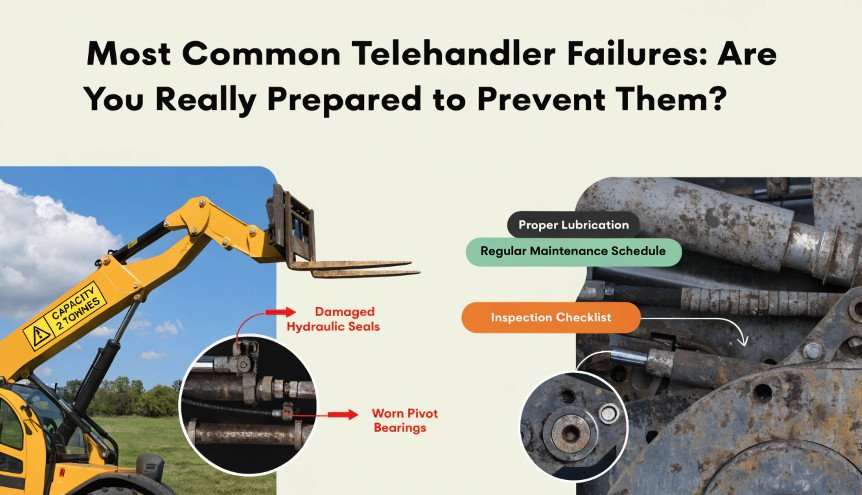
I have observed that many problems, like sticky steering or harsh gearbox shifts, are not just machine issues. They come from a mismatch. The equipment design does not fit the operator’s body or strength. This is common with global brands. An operator might sit uncomfortably for hours. They may strain their back or neck. This long-term physical strain can lead to rough operation. They might slam the controls.
This then causes mechanical failures. The core issue is the human-machine fit. For example, if the joystick for the telehandler boom has too narrow a range for fine control, a small movement causes a big response. The operator might accidentally over-accelerate the boom. This causes early wear on the transmission system. This is not just about fixing things later. This is something we must think about when we buy equipment. As I say, if the driver is uncomfortable, then every bolt on the machine will also be uncomfortable.
Tertiary Headings for Ergonomic Adaptation:
Designing for Operator and Telehandler Harmony
- Control Responsiveness: Ensure precise and forgiving control inputs.
- Seat and Console: Adjustability for different operator sizes.
- Visibility: Clear sightlines to the telehandler boom and load.
| Ergonomic Factor | Impact on Operator | Potential Telehandler Boom Failure | Solution / Consideration for Telehandler Boom |
|---|---|---|---|
| Seat Adjustability | Back pain, fatigue | Jerky operation, control errors | Multi-directional adjustments |
| Control Lever Design | Hand/wrist strain | Inaccurate boom movements | Ergonomic grips, customizable sensitivity |
| Pedal Placement | Leg fatigue, slow reaction | Brake/accelerator errors | Adjustable pedal positions |
| Vibration Absorption | Whole-body fatigue | Loss of fine boom control | Suspended seating, anti-vibration mats |
Why Are Small Leaks a Big Threat to Your Telehandler Boom System?
leading paragraph:
Do you ignore small drips from your Teleskoplader boom? I have seen how little leaks turn into massive disasters. It is a critical mistake.
snippet paragraph:
Small leaks pose a massive threat to your telehandler system because they signal deeper issues and lead to critical component failure. A seemingly minor oil seal leak can quickly escalate, causing brake failure or the telehandler boom to stop retracting, leading to dangerous situations.
Dive deeper Paragraph:
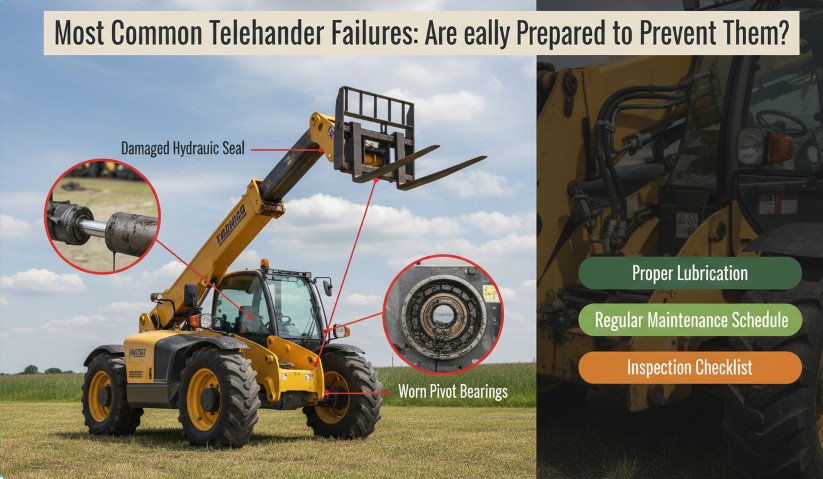
I have a story that shows why small leaks are dangerous. It is about the “butterfly effect” in engineering. A telehandler boom is most dangerous not when it stops moving. It is when it moves but cannot stop, like with brake failure. Or when it lifts but cannot retract. This is often because a small oil seal started leaking. An operator might just wrap tape around it. They delay fixing it.
This is like putting a band-aid on a gushing wound. Hydraulic oil is the blood of the equipment. If it bleeds, and you put a band-aid, it will still lose blood. If it loses too much blood, it will die. I once saw a telehandler boom incident that started with a drip. There was a tiny drop of oil on the cab floor. A week later, a high-pressure hose burst. It hit the radiator. The whole machine caught fire. This true story shows how “a small problem not treated leads to a big disaster.” We must never ignore even the smallest leak from the telehandler boom.
Tertiary Headings for Leak Prevention:
Identifying and Addressing Telehandler Leaks
- Regular Inspections: Daily checks for drips or wet spots.
- Immediate Repair: Do not delay fixing even minor leaks.
- Material Quality: Use high-grade seals and hoses for the telehandler boom.
| Leckort | Potential Cause | Early Warning Sign | Immediate Danger to Telehandler Boom | Long-Term Consequence |
|---|---|---|---|---|
| Hydraulic Hose | Wear, stress, impact | Oily sheen, drips | Pressure loss, sudden boom collapse | System contamination, fire |
| Cylinder Seal | Age, contamination | Streaks on cylinder rod | Reduced lifting force, boom drift | Complete hydraulic failure |
| Brake Line | Corrosion, damage | Fluid level drop, soft pedal | Loss of braking ability | Catastrophic accident |
| Transmission Casing | Loose bolts, worn gasket | Puddle under machine | Gearbox overheating, erratic shifting | Transmission seizure |
What Role Does IoT Play in Safeguarding Your Telehandler Boom?
leading paragraph:
Do you think IoT is just for smart homes? I believe it is a game-changer for protecting your valuable telehandler boom.
snippet paragraph:
IoT plays a vital role in safeguarding your telehandler by providing real-time operational data. This data enables predictive maintenance, allowing early detection of potential failures and optimizing the telehandler boom’s performance and safety through continuous monitoring.
Dive deeper Paragraph:
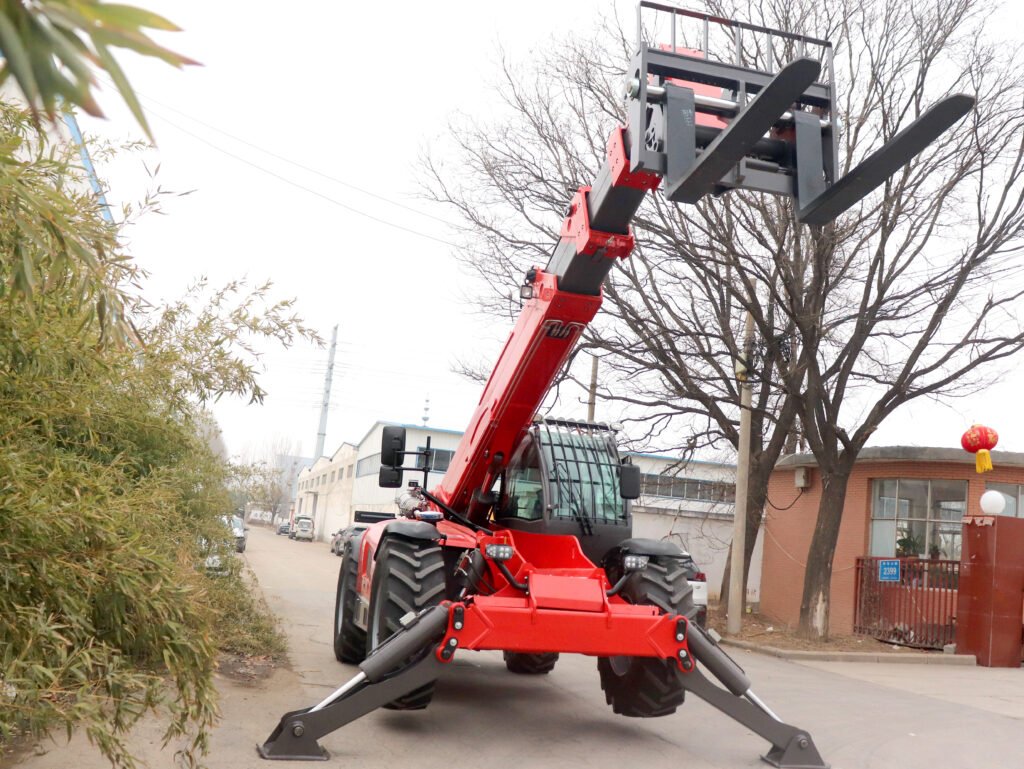
In my experience, IoT is not just a buzzword. It is a practical tool for keeping your telehandler boom in top shape. Imagine if your telehandler boom could tell you exactly what it needed before it broke down. That is what IoT does. Sensors embedded in the machine collect data constantly. They monitor hydraulic pressure, engine temperature, fuel levels, and even the stress on the telehandler boom structure itself. This information is sent to a central system.
There, it is analyzed for unusual patterns. For example, a sudden drop in hydraulic pressure could indicate a developing leak. A rise in engine temperature might mean a cooling system problem. Without IoT, you might only find these issues during a scheduled inspection, or worse, when the machine fails. With IoT, you get alerts. You can fix the problem quickly. This reduces downtime significantly. It also makes maintenance more efficient. It ensures the telehandler boom operates safely and effectively.
Tertiary Headings for IoT Implementation:
Maximizing Telehandler Uptime with IoT
- Real-time Monitoring: Continuous data streams for key components.
- Alert Systems: Automated notifications for critical thresholds.
- Data Analytics: Identify trends and predict future failures.
| IoT Application | Data Point Monitored | Benefit for Telehandler Boom | Impact on Maintenance |
|---|---|---|---|
| Fleet Management | GPS, hour meters | Optimize utilization, track assets | Schedule services based on usage |
| Predictive Analytics | Oil temp, pressure, vibration | Early failure detection | Proactive component replacement |
| Remote Diagnostics | Fault codes, sensor readings | Faster troubleshooting, reduced field visits | Targeted repairs |
| Geofencing | Location data | Prevent unauthorized use | Enhanced security |
Is Your Telehandler Boom Suffering from Overload’s Silent Damage?
leading paragraph:
Do you ever push your telehandler to its limits? I have seen the silent damage that overload causes. It is a slow killer.
snippet paragraph:
Yes, your telehandler boom often suffers silently from overload damage due to operators pushing limits. This causes gradual structural stress and accelerated component wear. Continuous monitoring of load moment indicators and strict adherence to capacity charts are vital to prevent this silent destruction.
Dive deeper Paragraph:
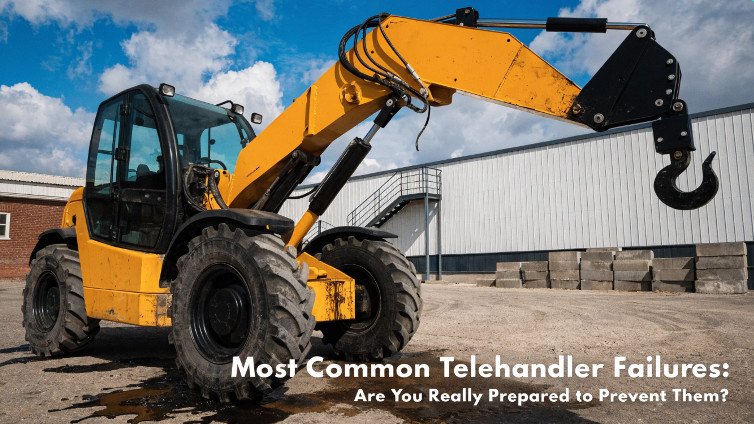
I have witnessed many telehandler failures that were not sudden. They were the result of consistent overloading. This often happens because of what I call “risk compensation.” An operator might be in a hurry. They might think, “I can lift a little more, just this once.” Or they might not have a clear view of the load’s weight. This leads to exceeding the telehandler boom’s rated capacity.
Each time this happens, it puts extra stress on the boom structure. It strains the hydraulic cylinders. It wears out the pivot points faster. This damage is silent. You do not hear it. You do not see it immediately. But it weakens the telehandler boom over time. Eventually, this leads to structural cracks, hydraulic leaks, or even a sudden boom collapse. It is crucial to respect the load charts. The best way to prevent this is through better training and clear load indicators. These systems give real-time feedback to the operator. They prevent them from pushing the telehandler boom too far.
Tertiary Headings for Overload Prevention:
Protecting Your Telehandler from Excessive Loads
- Load Chart Adherence: Strict compliance with manufacturer specifications.
- Load Moment Indicators: Utilize systems that warn of overload.
- Operator Training: Educate on the risks and consequences of overloading.
| Overload Indicator | Type of Damage to Telehandler Boom | Prevention Strategy | Bedeutung |
|---|---|---|---|
| Exceeding Weight Capacity | Structural fatigue, boom bending | Load charts, digital weight scales | Prevents catastrophic failure |
| Exceeding Reach Capacity | Tipping risk, increased stress | Range diagrams, stability alerts | Ensures machine stability |
| Improper Load Distribution | Uneven wear, instability | Proper rigging, load centering | Balances stress on telehandler boom |
| Ignoring Warning Lights | System shutdown, component damage | Mandatory response to alarms | Avoids compounding issues |
How Can Smart Sensor Data Protect Your Telehandler Boom Investment?
leading paragraph:
Are you looking to maximize your telehandler boom investment? Smart sensor data offers a powerful way to protect your assets and boost efficiency.
snippet paragraph:
Smart sensor data protects your telehandler boom investment by providing continuous insights into its health and performance. This data enables proactive maintenance, optimizes operational efficiency, and extends the lifespan of the telehandler boom, directly increasing its return on investment.
Dive deeper Paragraph:
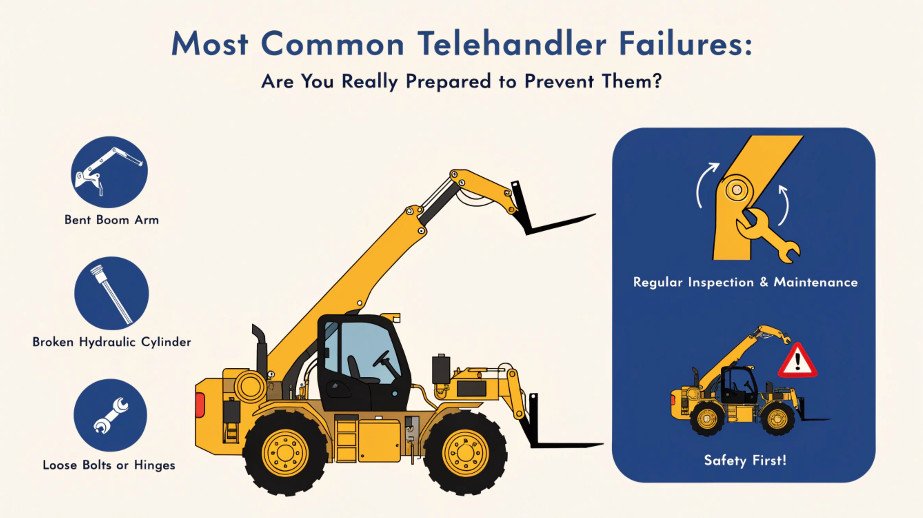
I believe smart sensor data is essential for any modern operation with a telehandler boom. It transforms how we manage equipment. This data is more than just numbers. It tells a story about the machine’s life. Think about engine oil analysis. Small particles in the oil can tell you if engine parts are wearing out. Vibration analysis can spot imbalances in rotating components long before they cause a breakdown. These are things you cannot see with your eyes or hear with your ears.
Smart sensors collect this detailed information. They allow you to schedule maintenance precisely when it is needed. This avoids unnecessary repairs. It also prevents unexpected failures. This means less downtime. It means lower repair costs. It also means a longer life for your telehandler boom. Protecting your investment means knowing its health at all times. This proactive approach saves money in the long run. It makes your operations more reliable.
Tertiary Headings for Smart Sensor Data:
Leveraging Data for Telehandler Boom Longevity
- Data Aggregation: Collect comprehensive sensor readings.
- Trend Analysis: Identify patterns indicating potential issues.
- Maintenance Optimization: Schedule repairs based on actual condition.
| Sensor Data Type | Example Reading | Actionable Insight for Telehandler Boom | Investment Protection |
|---|---|---|---|
| Hydraulikdruck | Fluctuating under load | Pump inefficiency, valve issues | Prevents costly hydraulic overhauls |
| Engine RPM | Inconsistent during operation | Fuel system or ignition problems | Reduces fuel consumption, extends engine life |
| Boom Angle Sensor | Irregularities during extension | Boom articulation wear, sensor calibration | Ensures safe and precise boom operation |
| Tire Pressure | Gradual drop in one tire | Puncture, slow leak | Prevents tire blowout, improves fuel efficiency |
Abschluss
I have shared my thoughts on Teleskoplader failures. We must embrace predictive methods, empower operators, ensure ergonomic design, and never ignore small leaks to protect your telehandler boom investment.
Folgen Sie uns weiter:YouTube.